



Bloom Holding, an Abu Dhabi-based real estate developer, has launched a Dh9 billion ($2.45bn) gated community in the capital to cater to growing demand for properties in the emirate.
Bloom Living will feature more than 4,000 Spanish-style villas, townhouses and apartments surrounding a large lake.
The first phase of the development, named Cordoba after the Andalusian city, is scheduled for completion in the UAE capital by October next year, the company said on Sunday.
It will be close to Abu Dhabi International Airport and Zayed City, also known as Khalifa City C.
“The launch of Bloom Living, our flagship community development in Abu Dhabi, marks a significant milestone for Bloom Properties,” Carlos Wakim, chief executive of Bloom Holding, said.
“The pandemic has served to highlight that our lives do not operate in silos — and neither should our homes. We firmly believe that fully integrated communities are the future.”
Abu Dhabi registered property transactions worth Dh71.5bn in 2021, as the market rebounds from the coronavirus-induced slowdown.
The number of transactions across sales and mortgage deals reached 14,958 last year, Abu Dhabi’s Department of Municipalities and Transport said.
Yas Island topped the list of high-performing areas, registering Dh4.1bn in deals, followed by Reem Island (Dh3.2bn) and Saadiyat Island (Dh2.5bn).
The capital values of villas and apartments in Abu Dhabi rose to their highest level in five years in the fourth quarter of 2021, property consultancy ValuStrat said.
Bloom Living, which will span an area of 2.2 million square metres, will include a clinic, two international schools and a plaza containing shops, cafes and restaurants.
All will be accessible by bike or foot from any point within the development, the company said.
A large lake in the heart of the district is intended to be a focal point around which residents can walk, run and cycle.
The 257 homes to go on sale include townhouses with two or three bedrooms, ranging in floor space from 150 to 170 square metres.
Detached villas will also be built, to include between three and six bedrooms, and ranging in size from 250 to 515 square metres.
Prices start at Dh1.5 million and Bloom Holding said payment options would be “attractive”.
___________________________
UAE megaprojects 2022
-
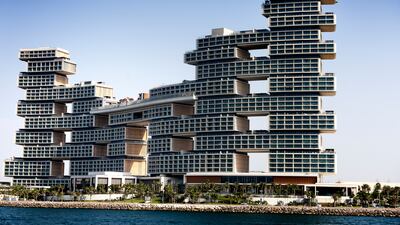
The Atlantis The Royal hotel in Dubai. It is set to open in March 2023. Getty Images -
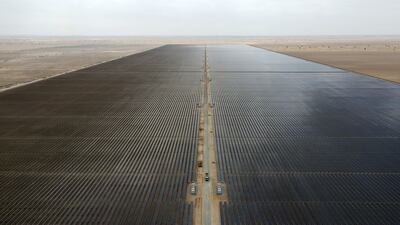
The Mohammed bin Rashid Al Maktoum Solar Park Phase 5 in Dubai. Pawan Singh / The National -
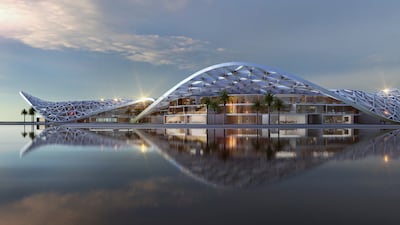
The Dubai Urban Tech District is slated to create 4,000 jobs. Photo: URB -
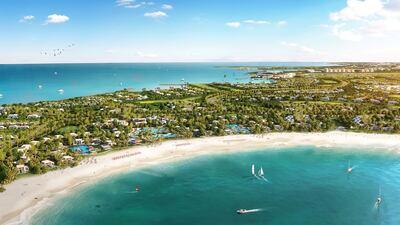
Nakheel, the Dubai-based master developer, has unveiled a new vision for Dubai Islands. Photo Nakheel -
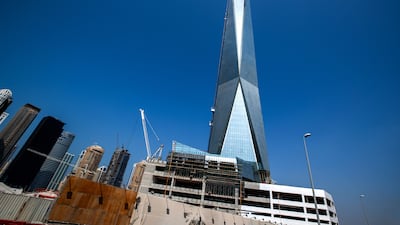
Uptown Tower is a new skyscraper set to open in Dubai later this year. Victor Besa / The National -
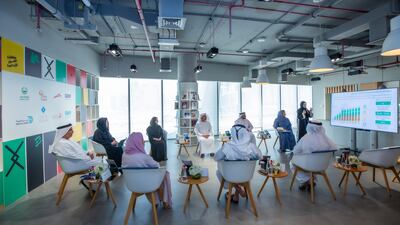
Al Quoz Creative Zone meeting to approve the master plan. The zone is to expand on a large scale. -
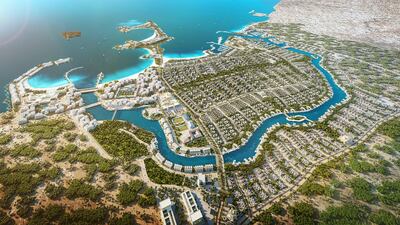
The AlJurf project on the coast between Abu Dhabi and Dubai. Courtesy IMKAN -

First look at the Mohammed Bin Rashed Library in Al Jaddaf, Dubai. Chris Whiteoak / The National -
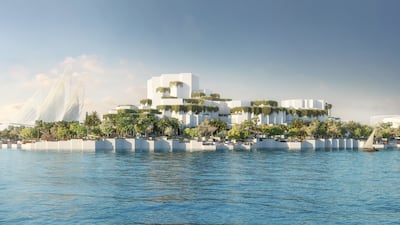
The Natural History Museum Abu Dhabi's design alludes to natural rock formations, reflecting on the its mission of engaging the public with the natural world. Photo: DCT – Abu Dhabi -
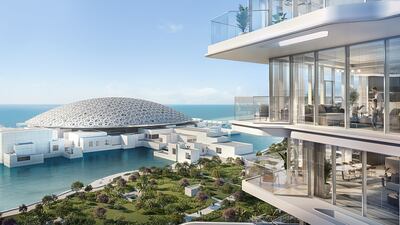
The Louvre Abu Dhabi Residences by Aldar will come with spectacular views. Photo: Aldar -
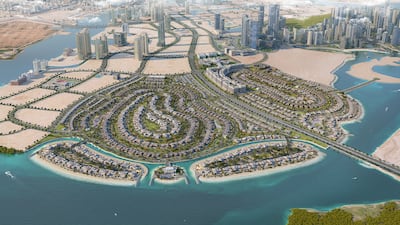
Reem Hills on Reem Island. Courtesy Q Properties -

Masaar is a 19 million square foot project in Sharjah that will include 4,000 villas and townhouses in total. Courtesy Arada -
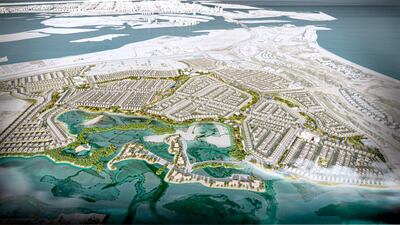
Aldar's Saadiyat Island mixed-use development. Credit: Aldar Properties -
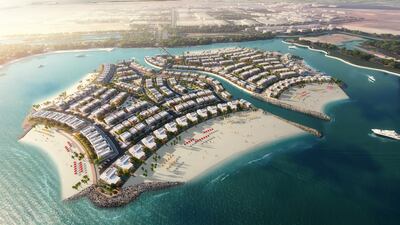
Al Hamra, the leading lifestyle developer and investment company in Ras Al Khaimah, has announced the launch of an exclusive freehold luxury villa project – the Falcon Island - within the award-winning Al Hamra Village residential community. Photo: Al Hamra -
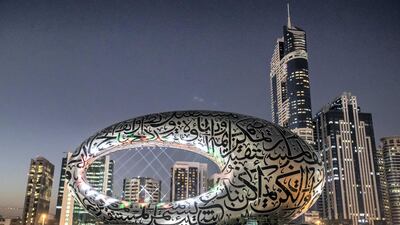
Museum of The Future lights up in Dubai. Antonie Robertson / The National -

Blizzard’s Bazaar, Snowflake Garden and Flurries’ Mountain are just some of the unique attractions that will welcome visitors at Snow Abu Dhabi at Reem Mall. Wam -
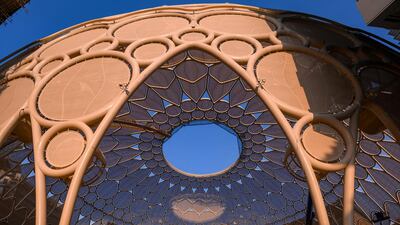
The steel structure that is Al Wasl Plaza - the heart of the Expo site. Courtesy: Expo 2020 Dubai -
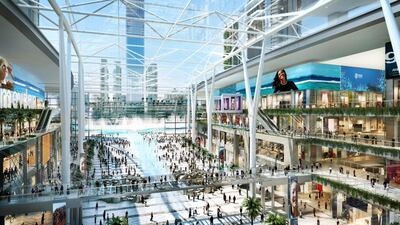
Groundbreaking of Meydan One Mall took place in 2017. Courtesy The Meydan Group -
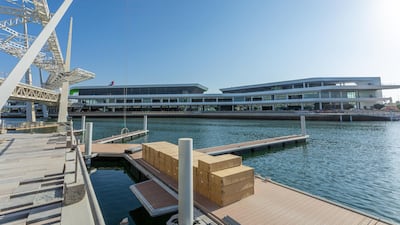
A dining area at Al Qana in Abu Dhabi. The waterfront destination is was about 90 per cent complete during the early months of 2021. Courtesy: Al Barakah International Investment -
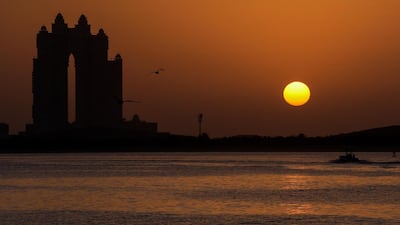
The Rixos Marina Abu Dhabi dominates the skyline out towards Marina Mall. Victor Besa / The National -

Jubail Island will eventually house 5,000 residents. -
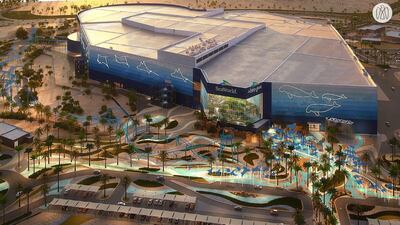
SeaWorld AbuDhabi will include six distinct realms which tell a unified and immersive “One Ocean” story and one of the world’s largest and most progressive indoor aquariums. Courtesy Abu Dhabi Government Media Office -
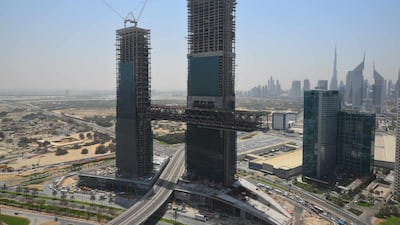
Both towers of One Zaabeel in Dubai have been topped out. -

The first new hotel to have opened on Yas Island in 12 years, the Hilton Abu Dhabi Yas Island is located on Yas Bay, beside the Etihad Arena. Courtesy Hilton -
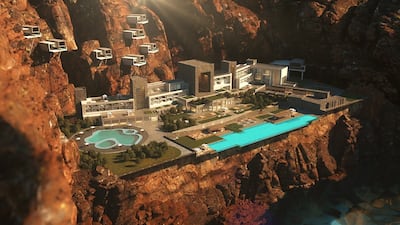
Hatta is being transformed into an attractive local and international destination for business, investment and tourism. Photo: WAM -
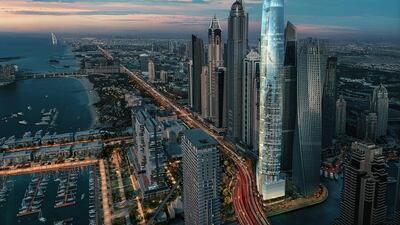
Ciel wil be open by 2023 and is set to be the world's tallest hotel. Courtesy The First Group -
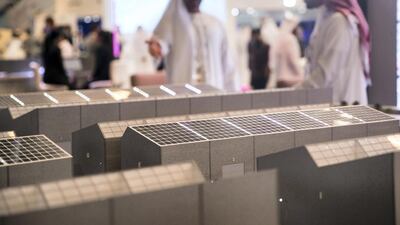
Dubai CommerCity's first phase has been launched. Reem Mohammed / The National -
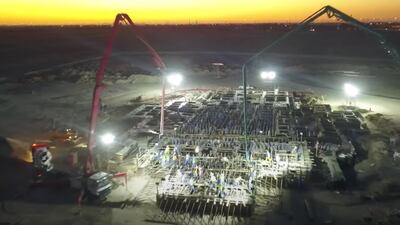
Foundation work and tunnelling is being completed at the Abu Mureikha site in Abu Dhabi of the country's first traditional Hindu stone temple. Courtesy: BAPS Hindu Mandir -
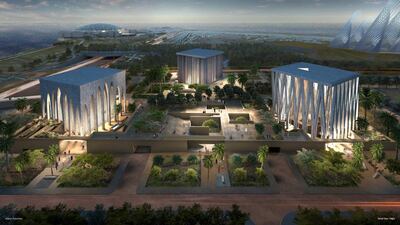
An artist's illustration of the Abrahamic Family House to be built on Saadiyat Island in Abu Dhabi. Courtesy Edelman -

The Ruler of Sharjah, Sheikh Dr Sultan bin Muhammad Al Qasimi, opened Khor Kalba Fort and also viewed plans for a new museum. Wam -
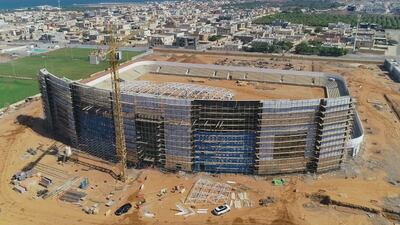
Progress at the Dibba Fujairah Sports Club Stadium project in Al Ras, Dibba Fujairah. -
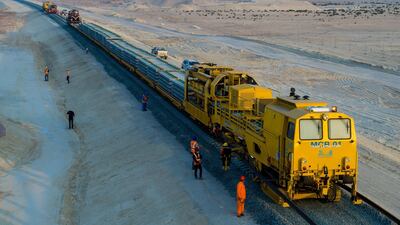
Railroad laying works for the second phase of the Etihad Rail project. Wam -
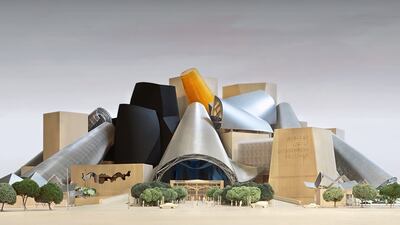
The Guggenheim Abu Dhabi is on track to be completed in 2025. Photo: Guggenheim Abu Dhabi



