


Gipsy Rhumba: The Original Rhythm of Gipsy Rhumba in Spain 1965-1974 is the first international release to concentrate on this largely under-appreciated seam of popular Spanish song. All photos courtesy Jacques Leonard.
-
-
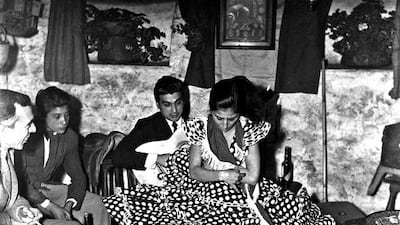
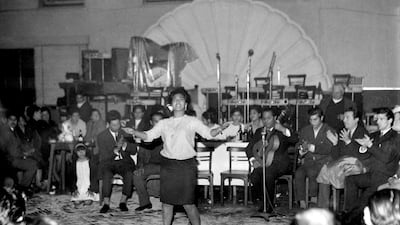
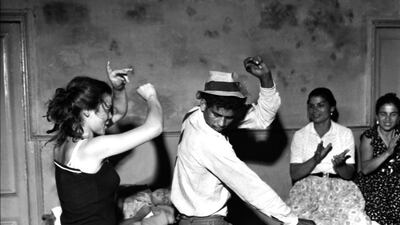
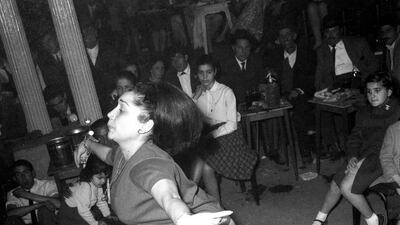
The album also comes with a fold-out booklet featuring copious sleeve notes (in English and Spanish) by Jose Manuel Gómez and a wonderful selection of archive photography by Jacques Leonard, a Frenchman who documented gitano life in Barcelona from the early 1950s to the mid 1970s. -
As with many local scenes, the story of rumba Catalana is largely apocryphal. No one knows for sure when the style was first established or who was responsible for it. -
The music that found its way back to Barcelona – possibly via Andalusia, which also developed its own early strain of rumba, but equally likely through the city’s own port – consisted of flamenco singing underpinned by Afro-Cuban clave rhythms. -
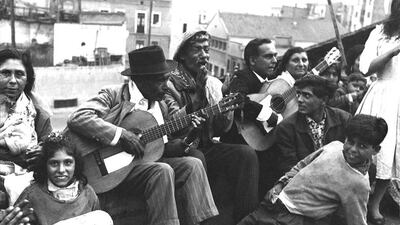
This fusion was quickly adopted by home-grown musicians, many of whom came from long-established Catalan-speaking Romany communities. -
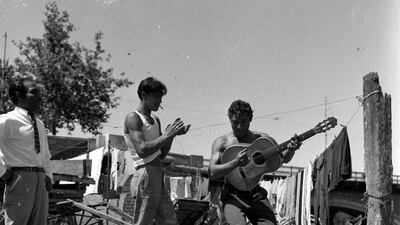
Given the dire state of the Spanish music industry in the Franco era and the vernacular nature of the scene in question, no recorded document of rumba Catalana exists from before the 1960s. -
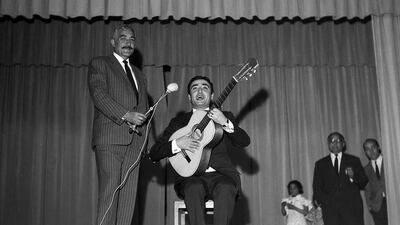
Gipsy Rhumba is a cohesive and tightly focused track selection that attests to a musical movement that was by this point clearly defined, yet open enough to absorb a variety of contemporary influences. -
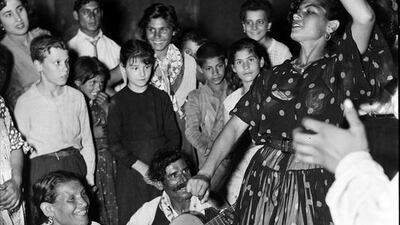
Now, as artists including La Troba Kung-Fú and Macaco bring elements of hip-hop, reggae, cumbia and pop to rumba Catalana and spread their work around the world via iTunes and YouTube, it seems like the perfect time for an album that takes listeners back to where this party started.
In pictures: The lost art of Gipsy Rhumba
Most popular today

