



Beyonce, Taylor Swift and Adele are among the nominees who will make or break records on Sunday night, as the Grammys 2023 take place.
Six years after Adele's 25 shut out Beyonce's culture-shaking Lemonade, the pop stars will face off again in the main categories.
Beyonce leads the pack with nine chances at Grammys gold, followed by rapper Kendrick Lamar with eight. Adele and fellow balladeer Brandi Carlile scored seven nods each.
The nominations have brought Beyonce's career total to 88, tying her with husband Jay-Z as the most-nominated artist in Grammys history. But she has never won the Best Album award, even though she has won the most Grammys of any female artist, having scooped 28.
Is this the night she wins the top accolade?
Classical conductor Georg Solti, who has 31 Grammys, holds the record for most wins overall. But Beyonce could also break that.
Here's how to stay up to date with all the action.
When are the Grammys 2023?
They take place on Sunday, February 5 at 8pm to 11.30pm Eastern time.
That's 5am to 8.30am on Monday, February 6 in the UAE. That's from 1am on Monday in the UK.
Where are the Grammys 2023 taking place?
They will be streamed live from the Crypto.com Arena in Los Angeles, US.
How can I watch the Grammys 2023?
The main ceremony will be broadcast live on the CBS Television Network and streamed live and on-demand on Paramount+.
International viewers can catch all the action on the new live.grammy.com platform, which provides backstage views and a multi-screen live stream that can be controlled.
Performances, acceptance speeches, a red-carpet live stream and the premiere ceremony will all be available here.
You can also keep up to date with The National's live blog throughout the ceremony.
Who is performing at the 2023 Grammys?
Bad Bunny, Lizzo and Harry Styles are confirmed to perform during the prime-time ceremony, while the live line-up also includes Mary J Blige, Carlile, Sam Smith and DJ Khaled, to name a few.

There will be a celebration of hip-hop to mark the genre's 50th anniversary that will bring together the likes of Busta Rhymes, Missy Elliott, Future, Ice-T, Queen Latifah, Run-DMC, Salt-N-Pepa and more.
What and when is the Grammys 2023 premiere ceremony?
It takes place a few hours before the main ceremony and will be streamed live on live.grammy.com, as well as the Recording Academy's YouTube channel, from 3.30pm ET on Sunday.
The majority of this year's awards will be handed out at this event, which will also feature performances from nominees such as Arooj Aftab, Samara Joy, Anoushka Shankar and more.
This takes place at the Microsoft Theatre in Los Angeles.
The Clive Davis Pre-Grammy Gala is also taking place on Sunday, with A-list celebrities descending on the red carpet for a few hours of live performances and mingling.
Scroll through the gallery below to see stars arriving at the pre-Grammys 2023 gala
-
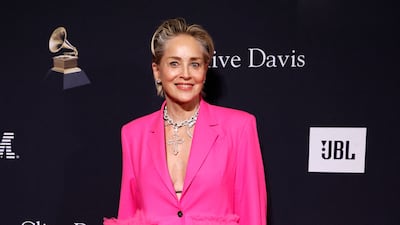
US actress Sharon Stone arrives for the Recording Academy and Clive Davis pre-Grammy gala at The Beverly Hilton hotel in Beverly Hills, California on February 4, 2023. AFP -
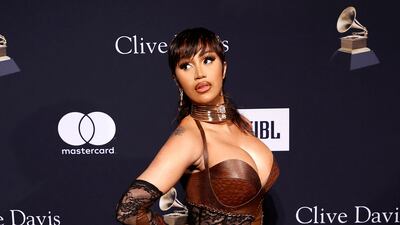
US rapper Cardi B arrives. AFP -
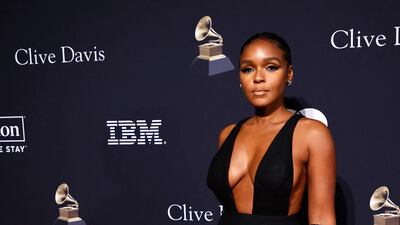
US singer-songwriter Janelle Monae arrives. AFP -
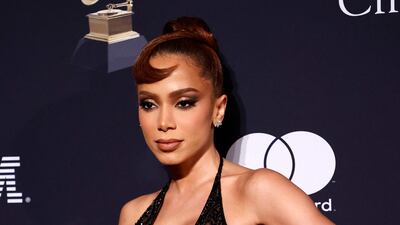
Brazilian singer Anitta arrives. AFP -

US actor Adrien Brody, left, and English fashion designer Georgina Chapman arrive. AFP -
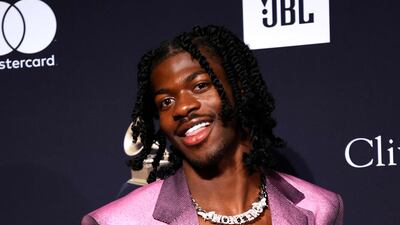
US rapper Lil Nas X arrives. AFP -
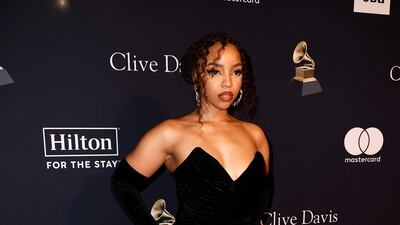
US singer-songwriter Chloe Bailey arrives. Getty Images via AFP -
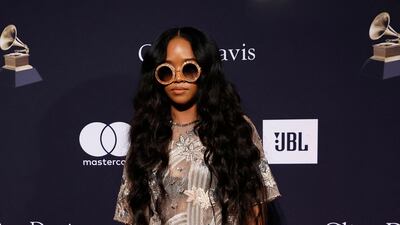
US singer H E R arrives for the Recording Academy and Clive Davis pre-Grammy gala. AFP -
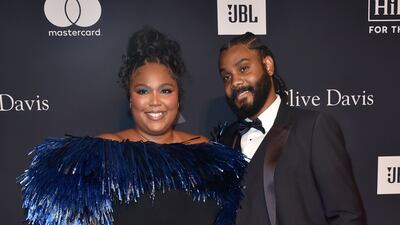
US singer Lizzo, left, and partner Myke Wright arrive. AP -
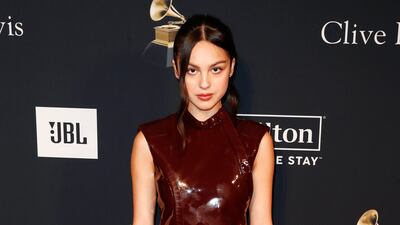
US singer-songwriter Olivia Rodrigo attends. EPA -

US socialite Paris Hilton arrives. AFP -

US rapper Wiz Khalifa arrives. AP -
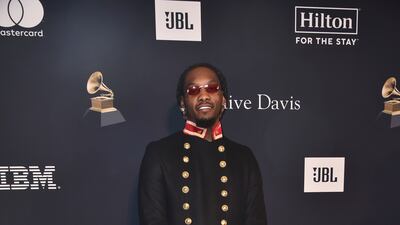
US rapper Offset arrives. AP -

US singer-songwriter Brandi Carlile attends. Getty Images via AFP -
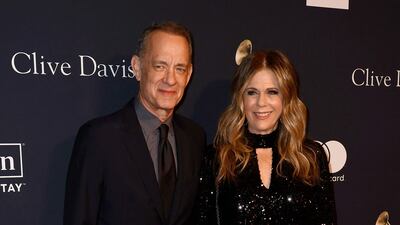
US actor Tom Hanks and his wife, US actress Rita Wilson, attend. Getty Images via AFP -

US TV presenter Gayle King attends. Getty Images via AFP -
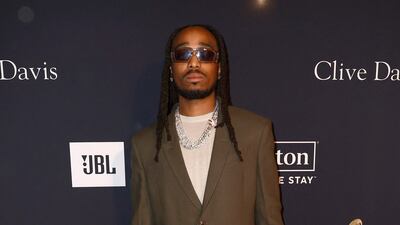
US rapper Quavo attends. Getty Images via AFP -
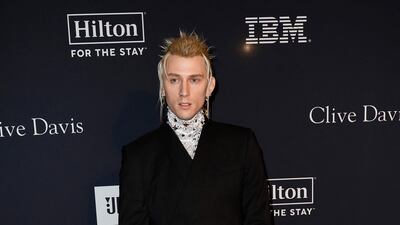
US rapper Machine Gun Kelly attends. Getty Images via AFP -
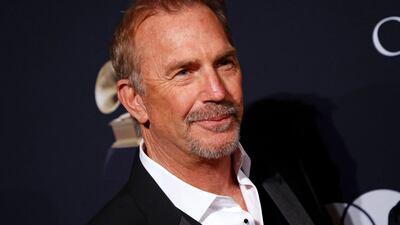
US actor Kevin Costner arrives. AFP -

US singer Jennifer Hudson arrives. AFP -
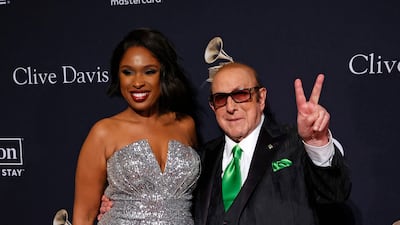
Hudson, left, and US record producer Clive Davis arrive. AFP -
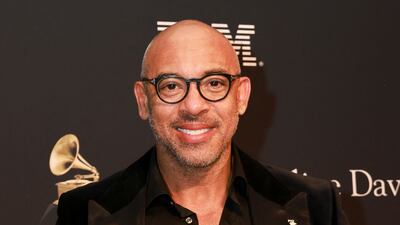
The Recording Academy chief executive Harvey Mason Jr attends. Reuters -
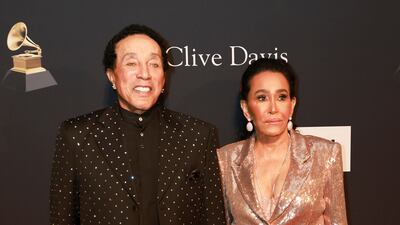
Singer Smokey Robinson and his spouse Frances Glandney attend. Reuters -
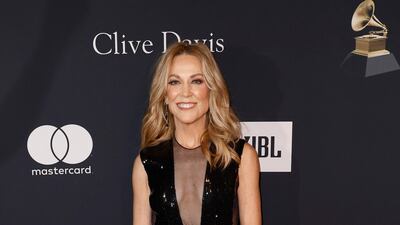
US singer Sheryl Crow attends. Getty Images via AFP -
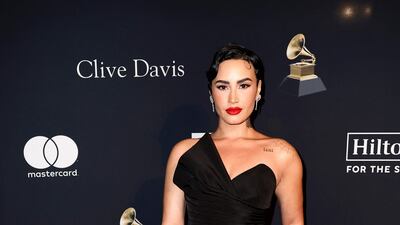
US singer Demi Lovato attends. Getty Images via AFP -

US singer-songwriter Taylor Momsen arrives. AFP -
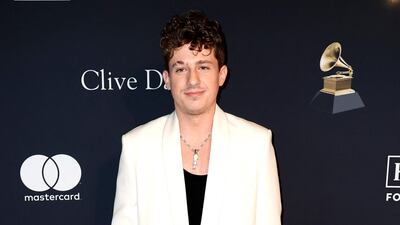
US singer-songwriter Charlie Puth attends. Getty Images via AFP -
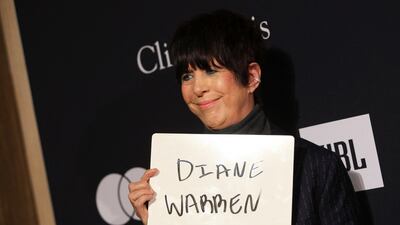
Songwriter Diane Warren attends. Reuters



