



Blackpink are coming to Etihad Park.
The popular K-pop girl group, made up of Jisoo, Jennie, Rose and Lisa, announced in August they would be bringing their Born Pink world tour to Abu Dhabi on January 28, although other details for the show were not revealed.
The venue has now been announced as well as ticketing information for the gig.
Ticketing sales have been pushed back a week from their original dates. This means that pre-sale tickets will now go on sale on Tuesday for those who have a Blink membership, while Live Nation pre-sale in the UAE will be on November 10, and general ticket sale starts on November 11.
In order to get a Blink membership, fans will need to register through the WeVerse website.
“K-pop has seen a huge rise in popularity in recent years and Blackpink have been at the forefront of this movement, being one of the most famous groups globally,” said James Craven, president of Live Nation Middle East.
“Live Nation are delighted to be able to bring this iconic group to the UAE for the very first time and fans will witness an incredible live show on January 28. Boasting a huge collection of smash hit songs, it promises to be one of the best nights of the year for the Abu Dhabi live music scene.”
Last month, the group released their second album, Born Pink, which reached No 1 on the UK Albums Chart and Billboard 200. It marked the first time a Korean girl group had ever topped the Billboard 200, with Blackpink becoming the first female group to do so since Danity Kane in 2008. In less than two days, Born Pink sold more than 2.2 million copies, becoming the bestselling album by a girl group in South Korea.
The group made their debut in August 2016 with the single Square One. Since stepping on to the music scene, the band have had the honour of being the highest-charting female Korean act on the Billboard Hot 100, peaking at No 13 with 2020's Ice Cream. They also reached No 2 on the Billboard 200 with smash-hit first album The Album, which was released in the same year.
Scroll the gallery below to see the best concerts and events coming to Abu Dhabi, from Post Malone to Blackpink
-

Comedian Mo Amer will play his biggest UAE show yet in Abu Dhabi in March. Getty Images -
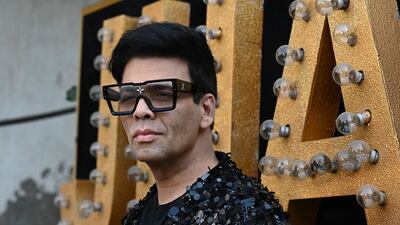
Bollywood film producer and director Karan Johar will co-host the International Indian Film Academy Rocks event in February. AFP -
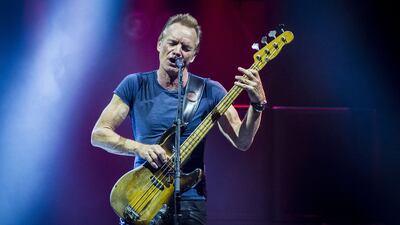
British singer-songwriter Sting will play his hits in Abu Dhabi in January. AFP -
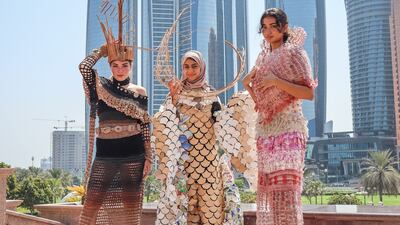
Junk Kouture aims to engage and inspire young designers to create works from rubbish around them. A fashion show will take place in Abu Dhabi in January. Photo: Junk Kouture -
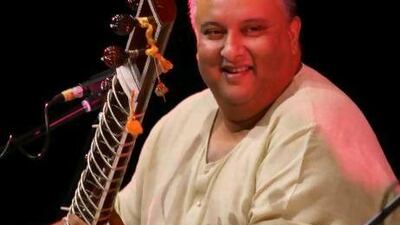
The musician Shujaat Khan will perform at the Cultural Foundation in December. Photo: Saffron Media -
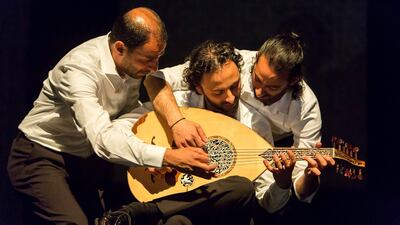
Le Trio Joubran are at the Cultural Foundation in December. Photo: Youness Hamiddine -
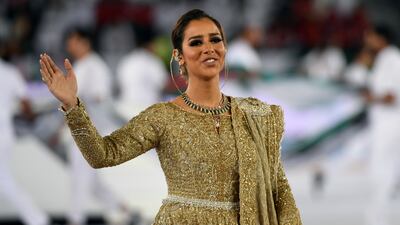
Yemeni-Emirati singer Balqees Fathi will perform at Al Jahili Fort, Al Ain, in December. AFP -
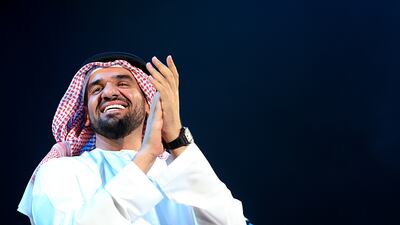
Emirati singer Hussain Jassmi will perform a National Day concert in Abu Dhabi. Satish Kumar / The National -

K-pop group Blackpink bring their Born Pink world tour to Abu Dhabi in January. Getty Images -

Award-winning, Nigerian-Romanian will perform in the UAE as part of Abu Dhabi Classics. Photo: DCT Abu Dhabi -

The Israel Philharmonic Orchestra will be performing their Gala Concert in December. Photo: Abu Dhabi Classics -

Post Malone will perform at Etihad Park on Yas Island in Abu Dhabi in December. AP -
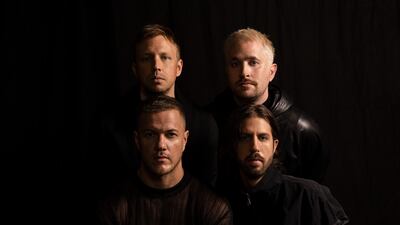
Imagine Dragons will perform at Abu Dhabi's Etihad Arena on January 26, 2023. Photo: Eric Ray Davidson -
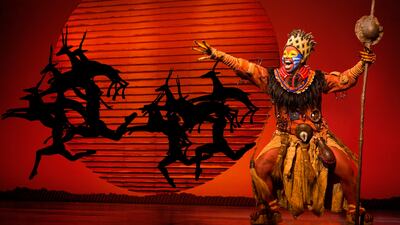
The Lion King will be on stage at Etihad Arena throughout December. Photo: Disney -

An installation by artist Daniel Popper as part of the last Mother of the Nation Festival. The event returns to the Corniche later this year. Photo: Khushnum Bhandari / The National -
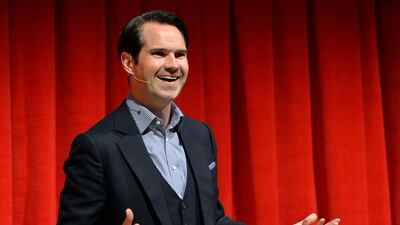
British comedian Jimmy Carr will take to the Etihad Arena stage in January. Getty Images -
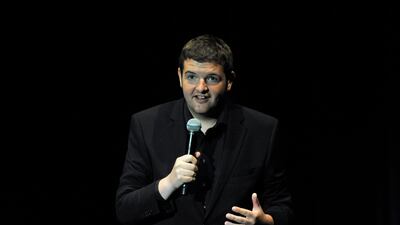
Scottish stand-up comedian Kevin Bridges will perform at Etihad Arena in January. Getty Images


A version of this story was originally published on October 28, 2022

