


Egyptian writer Bahaa Taher has died at 87, following a lengthy illness.
Over his career, Taher published 17 books, including Sunset Oasis, which won the inaugural International Prize for Arabic Fiction in 2008, and several plays. The award, which is funded by the Department of Culture and Tourism — Abu Dhabi, is commonly known as the Arabic Booker.
The Egyptian Writers' Union paid tribute to Taher saying he had “enriched the Arab Library with great literary and novel works”.
Born in Giza, Greater Cairo, in 1935, Taher was the youngest of eight children. Although illiterate, his mother used to inspire him with stories about families and intrigue set in her birthplace, near Luxor in Upper Egypt — which would later feature in some of his most prominent work. Taher was 17 when his father, an Arabic teacher, died.
After graduating from university, Taher began his career as a translator for the government, before helping to launch Radio Cairo’s cultural programme in 1957, producing radio dramas.
Throughout the 1960s he was a member of Egypt’s left-wing, avant-garde literary circles and a regular contributor to the Galerie 68 magazine, which published experimental and political pieces deemed too controversial for mainstream publication.
An early supporter of Gamal Abdel Nasser, who Taher believed developed Egypt into a more self-sufficient, independent and progressive state while president, he was much more critical of Anwar Sadat’s rule.

In an interview with Saudi magazine Majalla, he said: “Back then, Egypt’s Minister of Information followed a very clear rule ‘those who are not with us, are against us’, and apparently I was not considered to be with them.
“The situation was very bad at that time. During Gamal Abdel Nasser, the opposition was sent to prison; during Anwar Sadat we were left to starve and obliged to come back on our knees.”
Having published his first collection in 1972, he was fired from his broadcasting three years later — and banned from writing and publishing in Egypt, over his leftist views and writings. Sadat accused him of being at the centre of a "red cell" at the heart of Egyptian Radio.
Struggling for work, he left Egypt and began working as an English, French and Arabic translator for Unesco in Geneva, continuing to write short stories and novels.
In an earlier interview with The National, he said: "For two years, I wasn't able to write. Partly because I was busy, but also because man is like a plant. He needs his own earth and blossoms in it. If you take him and transfer him to different soil, either the adaptation succeeds — which needs a lot of work — or it doesn't, but in both cases, the plant will be different."
Egypt lifted the ban on Taher's work in 1983, allowing the works he produced in Geneva to trickle through — Al Hob fil Manfa (Love in Exile) — which tackles exile, disillusionment, and the redemptive power of love; and Qalat Duha (As Doha Said), exploring the hopes and disappointments of the early Nasserist era, among others.
After his return to Egypt in the 1990s, more of Taher’s books have been published and translated into multiple languages. One of his best-known works, Khalti Safiyya wal Dier (My Aunt Safiyya and the Monastery) was published in 1991 and translated into English five years later.

Written at a time of heightened tensions between the Muslims and Copts of Upper Egypt, it presented a harmonious relationship between Muslim and Coptic characters, angering some in both communities. However, it was praised for its accurate depiction of Upper Egypt, which Taher had only sporadically visited.
In 2000, the novel was awarded the Italian Guiseppe Acerbi prize — two years after Taher received Egypt’s highest literary award, the State Award of Merit in Literature. Taher’s sixth novel, Sunset Oasis, published in 2007, is centred on a disgraced Egyptian government official, who is posted to the desert oasis of Siwa by his British superiors Siwa, for his involvement in the failed Urabi revolt of 1882. Spanning several Egyptian epochs, the book won the inaugural Arabic Booker in 2008.
Exploring the dynamics of power, Taher has Alexander the Great state: “I learnt that fear, not wisdom, is the basis of rule. I learnt that one must make the common people live in constant fear of punishment and torment on Earth and in Heaven so that they may know obedience and righteousness.”

In 2009, The National interviewed Taher for the UK launch of Sunset Oasis. At the time, he had two children from a previous marriage and was living with his Greek-Slovenian wife Stefka, who is a Russian interpreter, in Zamalek, an island on the Nile. He called the Arabic Booker prize win "a very welcome surprise".
Four years later, Taher resigned from Egypt's State Council of Culture in protest to the firings and resignations of several leading cultural figures under Mohamed Morsi's rule.
Even in his older years, Taher remained committed to the same principles he always had. "I am still against the same things I was against when I was young: social and political injustice, especially against women or people of different origins or ethnicities. What's different is that the hope I had at one time no longer exists. Hopefully, things will change — but not, I think, very quickly."
Scroll through more images of famous people we've lost in 2022 below
-

Korean actress Kim Mi-soo died aged 29 on January 5, 2022. Photo: Landmark Entertainment -
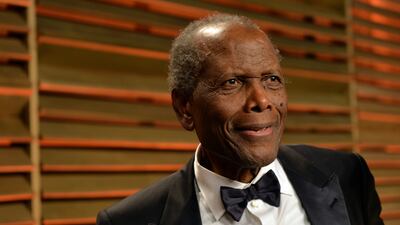
Actor Sidney Poitier died aged 94 on January 6, 2022. Getty Images -
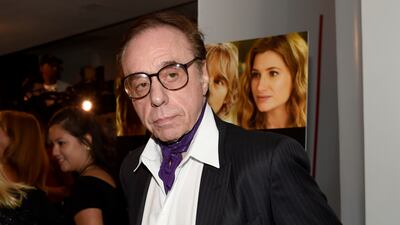
Director Peter Bogdanovich died aged 82 on January 6, 2022. AP Photo -
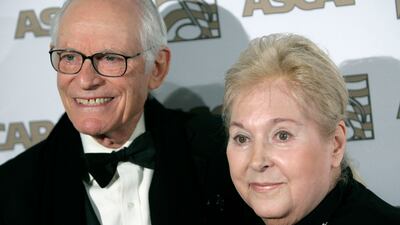
Oscar-winning composer Marilyn Bergman, pictured with her husband, Alan Bergman, died aged 93 on January 8, 2022. AP Photo -
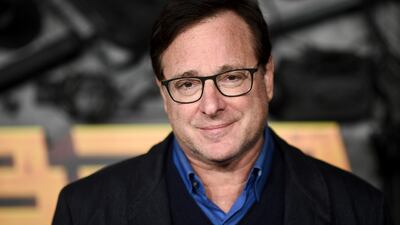
American comedian Bob Saget died aged 65 on January 9, 2022. AP Photo -
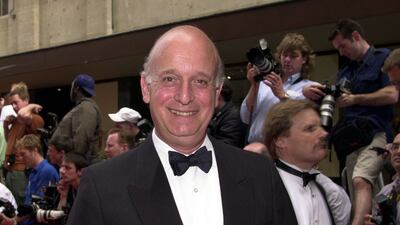
Actor Gary Waldhorn died aged 78 on January 10, 2022. Getty Images -
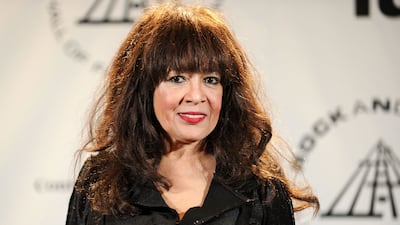
Rock 'n' roll singer Ronnie Spector died aged 78 on January 12, 2022. AFP -
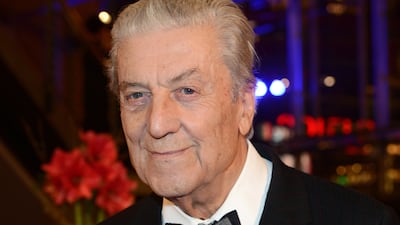
Designer Nino Cerruti died aged 91 on January 15, 2022. EPA -

Andre Leon Talley, fashion journalist and former editor-at-large for US Vogue, died aged 73 on January 18, 2022. EPA -

French actor Gaspard Ulliel died aged 37 on January 19, 2022. AFP -
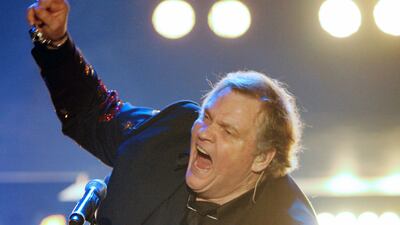
Marvin Lee Aday, better know as the singer Meat Loaf, died aged 74 on January 20, 2022. EPA -
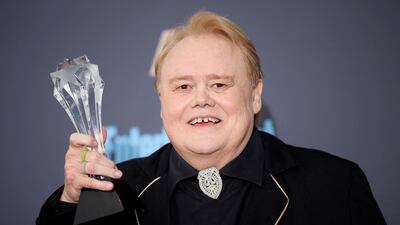
Actor Louie Anderson died aged 68 on January 21, 2022. Reuters -
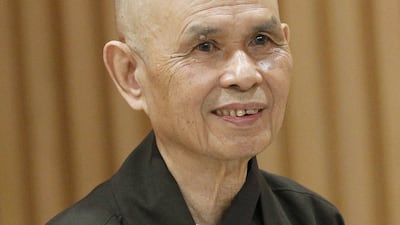
Vietnamese Zen Buddhist monk Thich Nhat Hanh, died aged 95 on January 22, 2022. EPA -
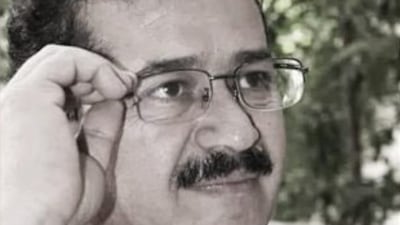
Director Bassam Al Mulla died aged 66 on January 22, 2022. Photo: Sana -
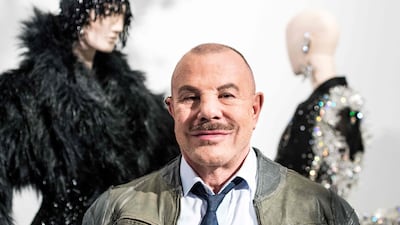
Fashion designer Thierry Mugler died aged 73 on January 23, 2022. AFP -

Actor Moses J Moseley died aged 31 on January 26, 2022. Photo: Instagram / Moses J Moseley -

Former Miss USA Cheslie Kryst died aged 30 on January 30, 2022. AFP -
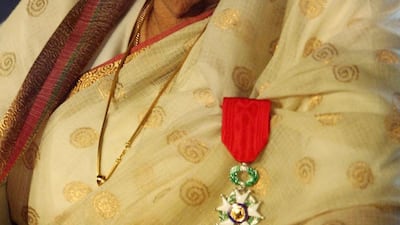
Legendary Bollywood singer Lata Mangeshkar died aged 92 on February 6, 2022. AFP -

Funk singer Betty Davis, ex-wife of jazz musician Miles Davis, died aged 77 on February 9, 2022. Photo: Fin Costello / Redferns -
Filmmaker Ivan Reitman died aged 75 on February 12, 2022. Reuters -

American satirist P J O'Rourke died aged 74 on February 15, 2022. AP Photo -
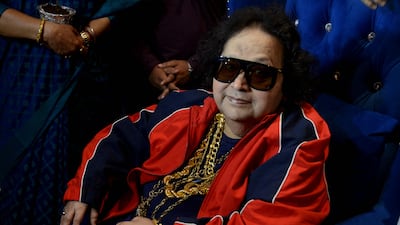
Bollywood singer and composer Bappi Lahiri died aged 69 on February 15, 2022. AFP -

Jordanian-Lebanese sculptor Mona Saudi died aged 76 on February 16, 2022. Photo: Lawrie Shabibi Gallery -

Singer Jane Marczewski, known as Nightbirde, died aged 31 on February 19, 2022. Photo: NBC -
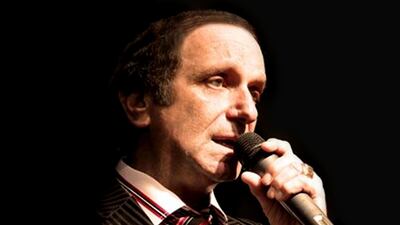
Lebanese singer Sammy Clark died aged 73 on February 20, 2022. Photo: Department of Culture and Tourism - Abu Dhabi -
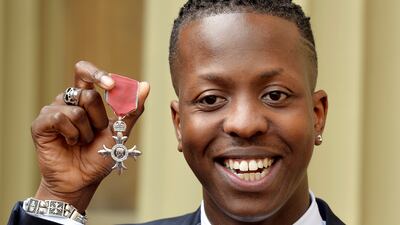
British entrepreneur and YouTube star Jamal Edwards died aged 31 on February 20, 2022. AP Photo -

Mark Lanegan, of grunge band Screaming Trees, died aged 57 on February 22, 2022. AP Photo -
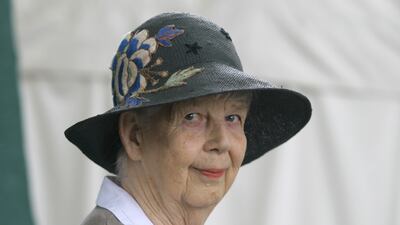
Children's author and illustrator Shirley Hughes died aged 94 on February 25, 2022. Getty Images -
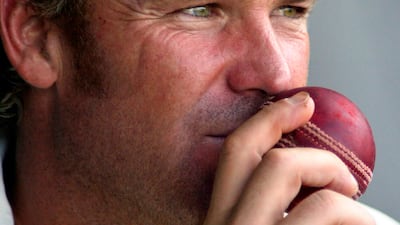
Australian cricketer Shane Warne died aged 52 on March 4, 2022. AP Photo -
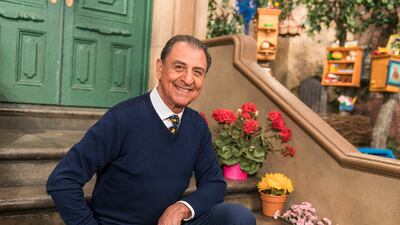
Emilio Delgado, who played fix-it shop owner Luis on Sesame Street, died aged 81 on March 10, 2022. AP Photo -
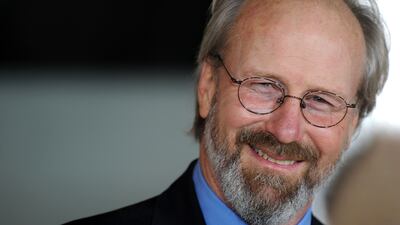
Actor William Hurt died aged 71 on March 13, 2022. AP -

Pro wrestler Scott Hall, best known for his time in WWE and WCW, died aged 63 on March 14, 2022. Photo: BANG Showbiz -
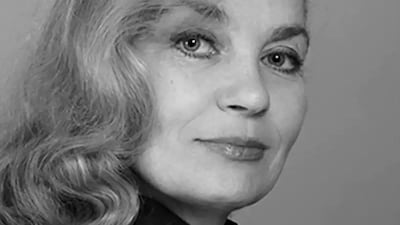
Ukrainian actress Oksana Shvets died aged 67 on March 17, 2022. Photo: Twitter -
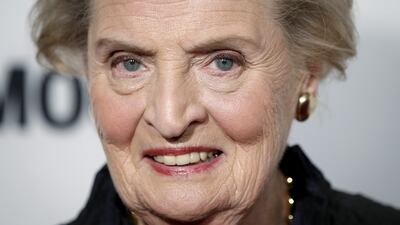
Madeleine Albright, the first woman to serve as US secretary of state, died aged 84 on March 23, 2022. Reuters -
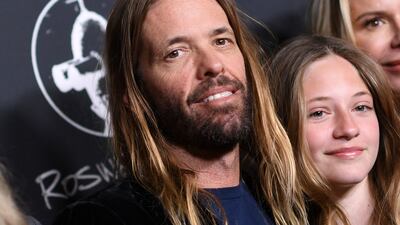
Foo Fighters drummer Taylor Hawkins died aged 50 on March 25, 2022. AFP -
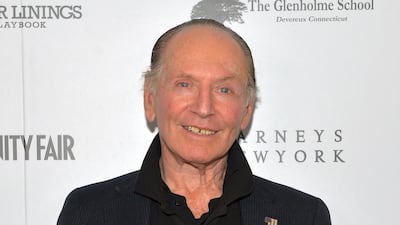
Actor Paul Herman died on his 76th birthday on March 29, 2022. AFP -

British singer Tom Parker died aged 33, on March 30, 2022. AP Photo -

Rock 'n roll star Bobby Rydell and star of the movie musical Bye Bye Birdie, died aged 79, on April 5, 2022. AP Photo -
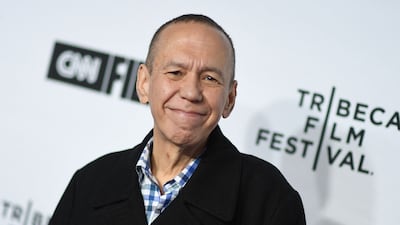
US actor and comedian Gilbert Gottfried died aged 67 on April 12, 2022. AFP -

US country music star Naomi Judd died aged 76 on April 30, 2022. AP -
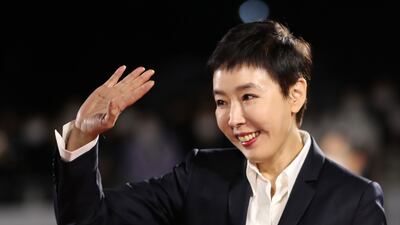
South Korean actress Kang Soo-youn died on May 7, 2022, aged 55. EPA -
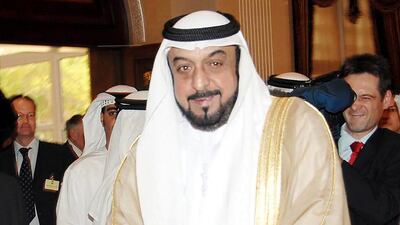
The late UAE President Sheikh Khalifa bin Zayed, died aged 73 on May 13, 2022. AP Photo / Wam -
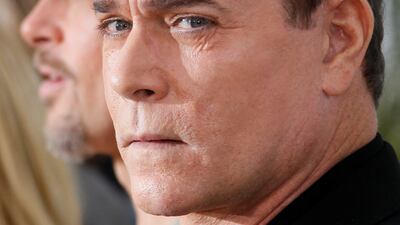
US actor Ray Liotta died on May 26, 2022 aged 67. Reuters -
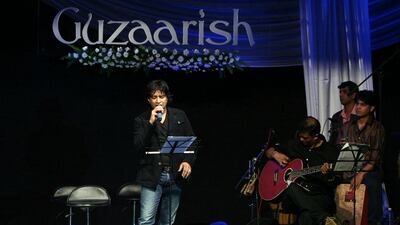
Bollywood singer Krishnakumar Kunnath, known professionally as KK, died aged 53 on May 31, 2022. AFP -
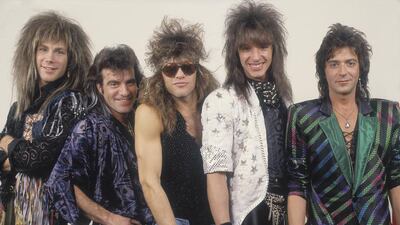
Alec John Such, right, founding member of the group Bon Jovi, died aged 70 on June 4, 2022. Getty Images -

Cooper Noriega, a popular TikTok content creator, died aged 19 on June 9, 2022. Photo: Instagram /@cooper.noriega -
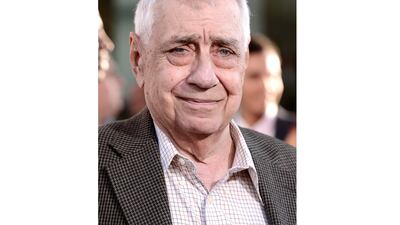
Philip Baker Hall died aged 90 on June 12, 2022. Invision / AP, File -
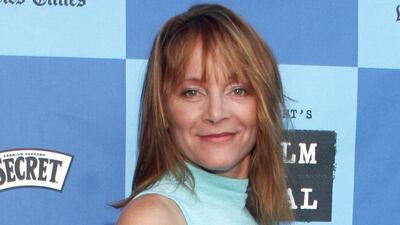
Actress Mary Mara died aged 61 on June 26, 2022. WireImage -
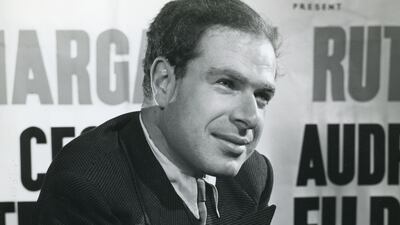
Theatre and film director Peter Brook died aged 97 on July 2, 2022 -

Manga star and inventor of Yu-Gi-Oh cards, Japanese cartoonist Kazuki Takahashi, died aged 60 on July 4, 2022. EPA -
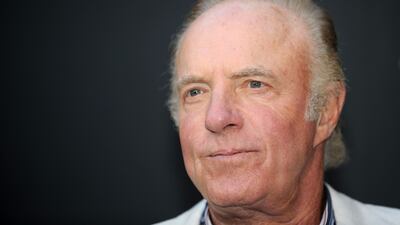
US actor James Caan of Godfather fame died aged 82 on July 6, 2022. AFP -
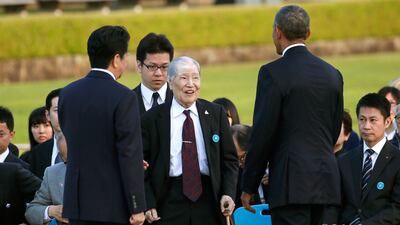
Japan's former prime minister Shinzo Abe died aged 67 on July 8, 2022. AP Photo -
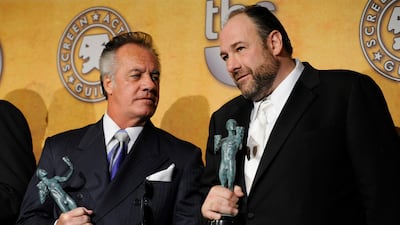
Soprano star Tony Sirico, left, died aged 79 on July 8, 2022. AP -
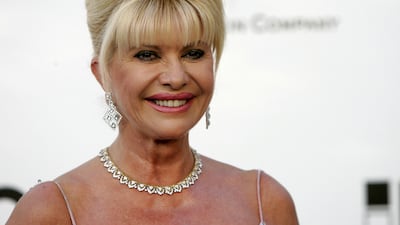
Ivana Trump, Donald Trump's first wife, died aged 73 on July 14, 2022. Reuters -

Pop artist Claes Oldenburg died aged 93 on July 18, 2022. Archive Photos / Getty Images -

Actress Shonka Dukureh died aged 44 on July 21, 2022. Photo: Warner Bros -

Goodfellas actor Paul Sorvino died aged 83 on July 25, 2022 -
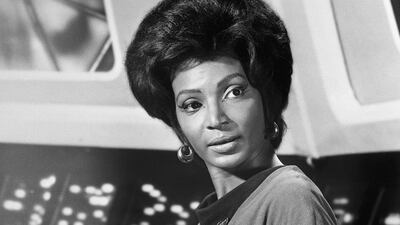
US actress Nichelle Nichols died aged 89 on July 30, 2022. Photo: Bettmann / Corbis -
US actress Pat Carroll died aged 95 on July 30, 2022. AFP -
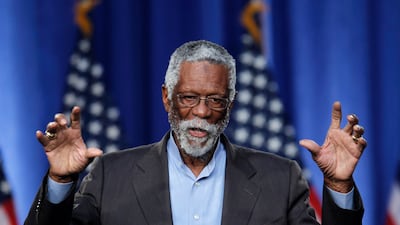
Basketball champion and the first black coach for any US professional sports team Bill Russell died aged 88 on July 31, 2022. AP Photo -
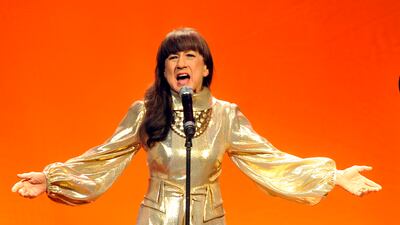
Australian singer Judith Durham died at the age of 79 in Melbourne on August 5, 2022. EPA -

Japanese fashion designer Issey Miyake died aged 84 on August 5, 2022. AFP -
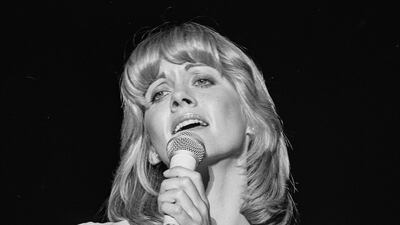
British-Australian singer and actress Olivia Newton-John died aged 73 on August 8, 2022. EPA -
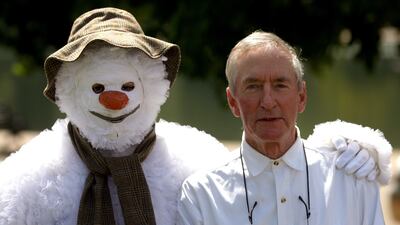
Author and illustrator Raymond Briggs died aged 88 on August 9, 2022. PA -
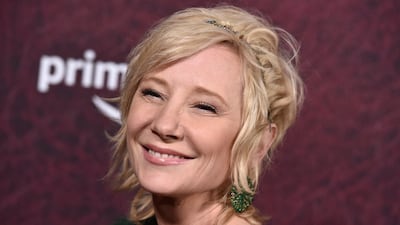
Actress Anne Heche died aged 53 on August 11, 2022. AP -

Former Pop Idol contestant and theatre star Darius Campbell Danesh died aged 41 on August 11, 2022. PA -
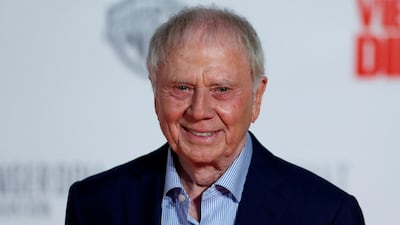
Director Wolfgang Petersen died aged 81 on August 12, 2022. Reuters -
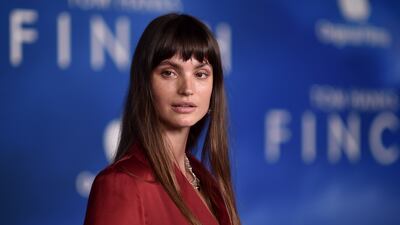
South African actress and model Charlbi Dean Kriek died aged 32 on August 29, 2022. Photo: Invision / AP -
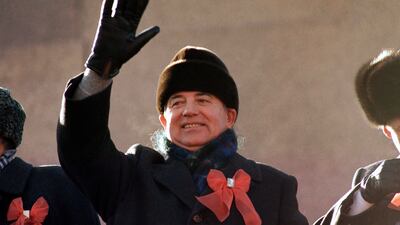
The last leader of the Soviet Union, former president Mikhail Gorbachev, died aged 91 on August 30, 2022. AP Photo / Boris Yurchenko -

British TV presenter and journalist Bill Turnbull died aged 66 on August 31, 2022. PA Media -
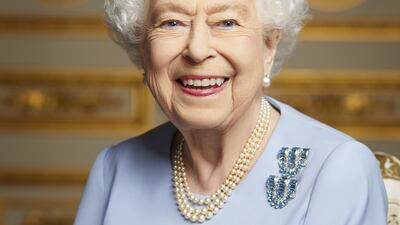
Queen Elizabeth II died at 96 on September 8, 2022. Photo: Royal Household / Ranald Mackechnie / PA Wire -

Philadelphia rapper PnB Rock was fatally shot during a robbery aged 30 on September 12, 2022. Photo: Invision / AP, File -
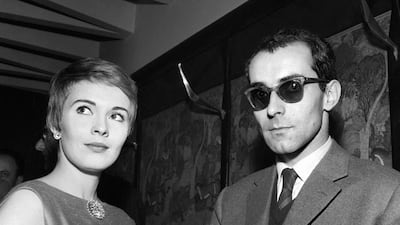
French film director Jean-Luc Godard died at age 91 on September 13, 2022. AFP -
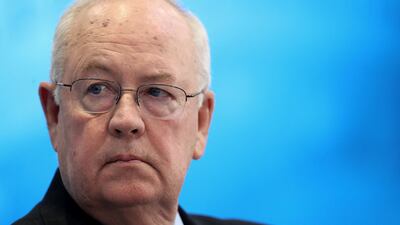
US lawyer and judge Kenneth Starr died aged 76 on September 13, 2022. AFP -

Author Dame Hilary Mantel died aged 70 on September 22, 2022. Getty Images -
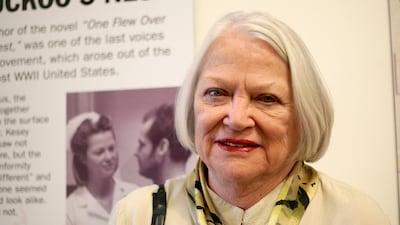
American actress Louise Fletcher died aged 88 on September 23, 2022. Photo: AP, File -
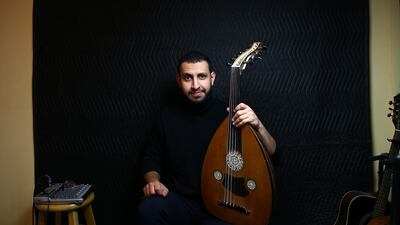
Yemeni oud player Ahmed Alshaiba died aged 32 on September 28, 2022. Getty Images -
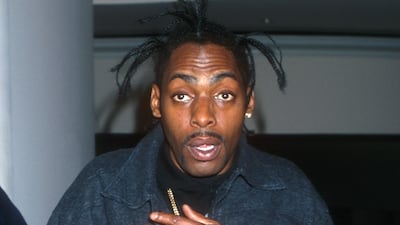
US rapper Coolio died aged 59 on September 28, 2022. Photo: Brenda Chase Online USA Inc -
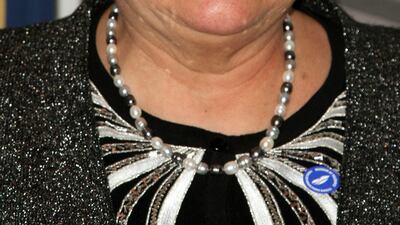
US activist Sacheen Littlefeather died aged 75 on October 2, 2022. AFP -

South Korean comic book artist Kim Jung Gi died aged 47 on October 3, 2022. Photo: Kim Jung Gi -

Grammy Award-winning singer Loretta Lynn died at age 90 on October 4, 2022. Getty Images via AFP -
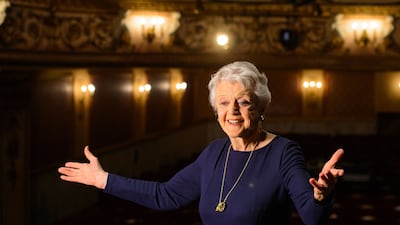
Dame Angela Lansbury died of natural causes aged 96 on October 11, 2022 -
British actor Robbie Coltrane died at the age of 72 on October 14, 2022. PA Media -

Former Pentagon chief Ash Carter died aged 68 on October 24, 2022. EPA -
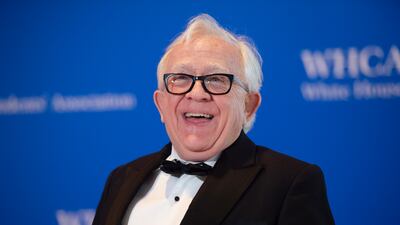
US actor Leslie Jordan died aged 67 on October 24, 2022. EPA -
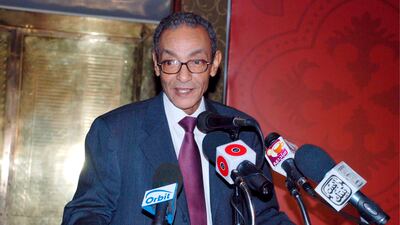
Egyptian writer Bahaa Taher died at 87 on October 27, 2022. EPA -
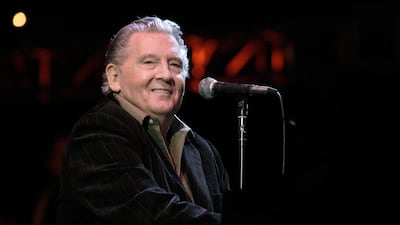
American rock and roll musician Jerry Lee Lewis died aged 87 on October 28, 2022. Reuters -
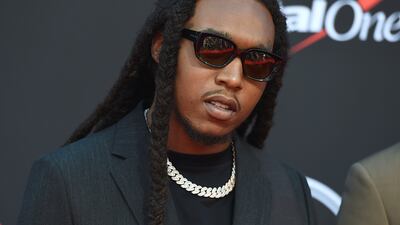
US rapper Takeoff, born Kirshnik Khari Ball, died aged 28 on November 1, 2022. Photo: Invision / AP, File -

Singer Aaron Carter died aged 34 on November 5, 2022. EPA -
American actor John Aniston, father of Jennifer Aniston, died aged 89 on November 11, 2022. AP Photo -
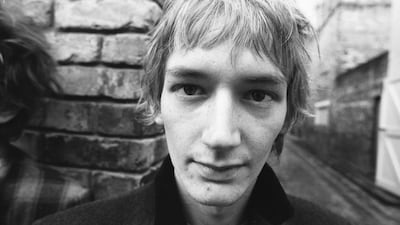
The Clash guitarist Keith Levene died aged 65 on November 11, 2022. Mirrorpix -
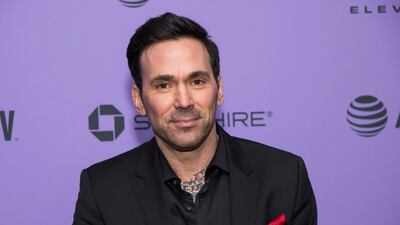
American actor Jason David Frank died aged 49 on November 19, 2022. Photo: Invision / AP -

Latin Grammy-winning balladeer Pablo Milanes died aged 79 on November 22, 2022. AFP -
Fleetwood Mac keyboardist and singer-songwriter Christine McVie died at age 79 on November 30, 2022. Photo: Invision / AP -
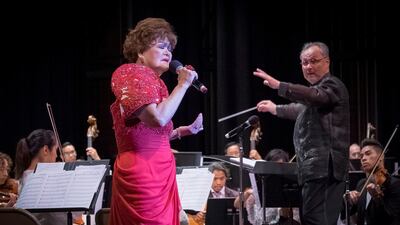
Veteran Filipina actress Sylvia La Torre died aged 89 on December 1, 2022. Photo: Facebook -
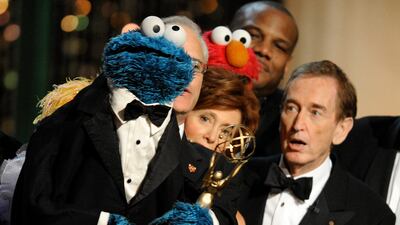
Actor, musician and children's author Bob McGrath died aged 90 on December 4, 2022. AP Photo -
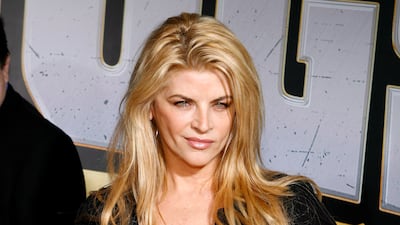
American actress Kirstie Alley died at aged 71 on December 5, 2022. EPA -

Filipino musician Jovit Baldivino died aged 29 on December 9, 2022. Photo: Jovit Baldivino / Instagram -

Composer Angelo Badalamenti died aged 85 on December 11, 2022. AP -
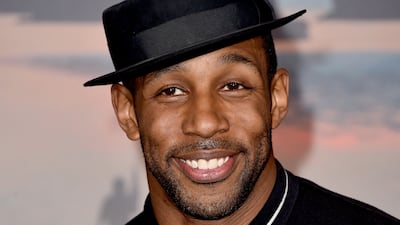
Stephen 'tWitch' Boss died aged 40 on December 13, 2022. AFP -
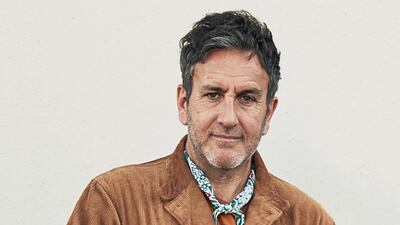
Terry Hall, lead singer of The Specials, died aged 63 on December 18, 2022. PA -
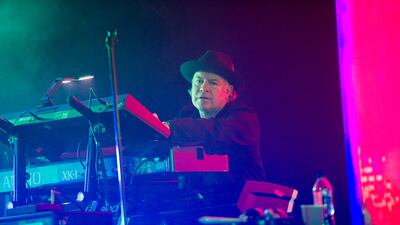
Primal Scream and The Charlatans keyboardist Martin Duffy died aged 55 on December 18, 2022. Getty Images -
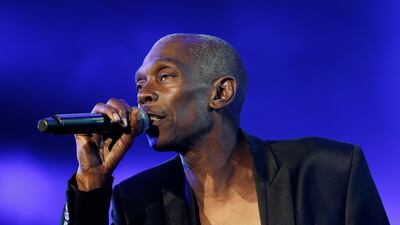
Maxi Jazz, lead singer of British group Faithless, died aged 65 on December 23, 2022. EPA -
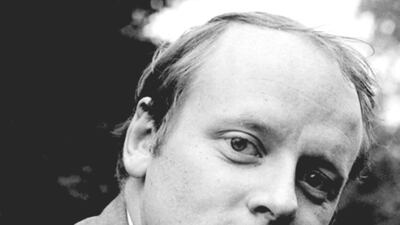
British actor and comedian John Bird died aged 66 on December 24, 2022. PA -
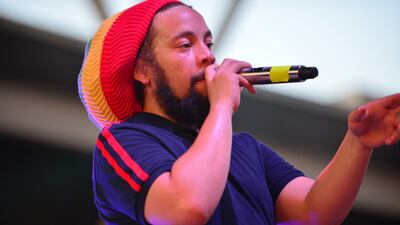
Musician Joseph 'Jo Mersa' Marley, grandson of Bob Marley, died aged 31 on December 27, 2022. Getty Images -
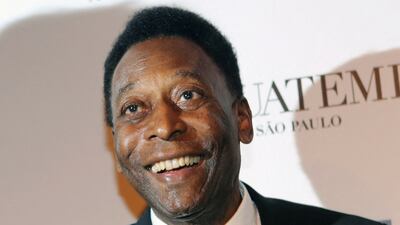
Brazilian football legend Pele died aged 82 on December 29, 2022. Reuters -
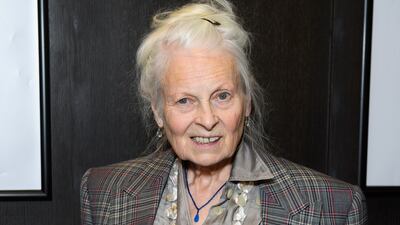
British fashion designer Vivienne Westwood died aged 81 on December 29, 2022. Getty Images -
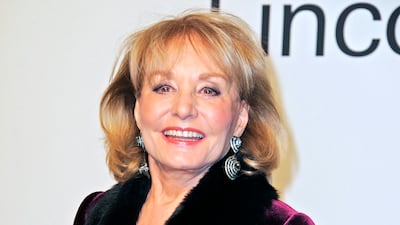
US television journalist Barbara Walters died aged 93 on December 30, 2022. EPA -
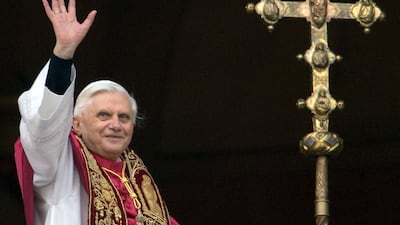
Former pope Benedict XVI died aged 95 on December 31, 2022. AFP



