


Japanese prints from the 1970s, reflecting on trends in contemporary art from that era, are being displayed at The Galleria Al Maryah Island in Abu Dhabi
The travelling exhibition, titled Variation and Autonomy: The Prints of Contemporary Japanese Painters, is running until July 7 and comes as part of Abu Dhabi Festival. It celebrates 50 years of diplomatic ties between the UAE and Japan.
Curated by Kyoji Takizawa of the Machida City Museum of Graphic Arts in Tokyo, the exhibition presents the work of 10 contemporary artists who experimented with prints and expanded the range of expression within the medium.

The history of Japanese contemporary prints dates to the 1950s when a growing number of painters working in lithography emerged.
Printmaking soon rose in prominence in the 1960s as many printing workshops opened, paving the way for artists who weren’t necessarily specialists in the field to produce their own print works.
The exhibition focuses on those artists who turned their hands to prints in the 1970s using a wide range of styles and advancing the world of printmaking.
In addition to the internationally renowned Yayoi Kusama, the exhibition also features the work of Masanari Murai, Toshinobu Onosato, Yasukazu Tabuchi, Natsuyuki Nakanishi, Hitoshi Nakazato, Tomoharu Murakami, Naoyoshi Hikosaka, Kosai Hori, and Toeko Tatsuno.
Huda Alkhamis-Kanoo, founder of the Abu Dhabi Music & Arts Foundation and artistic director of Abu Dhabi Festival, said the exhibition gives visitors the “opportunity to experience the beauty of contemporary Japanese art and to discover the talent of its influential artists".
“Showcasing 42 prints by 10 prominent Japanese contemporary painters, including the world-famous Yayoi Kusama, the exhibition reflects the festival’s nearly two-decade commitment to bringing the greatest international talents to audiences in Abu Dhabi, advancing cross-cultural exchanges between nations and building bridges of communication through the arts,” she said.
Alkhamis-Kanoo inaugurated the exhibition on Tuesday with Akio Isomata, the ambassador of Japan to the UAE, who called the display “a fresh contribution” to the cultural exchange between the two countries.
The exhibition can be viewed at the ground level South Atrium of The Galleria Al Maryah Island. More information is available at abudhabifestival.ae.
Abu Dhabi Festival’s global mission to inspire, from Barcelona to New York - in pictures
-
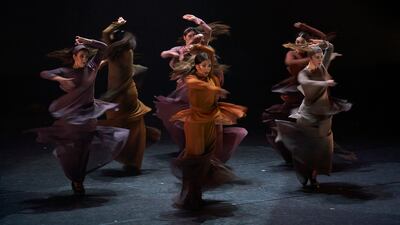
‘De Scheherazade, a Yo Carmen’ is a co-production between the Abu Dhabi Festival, María Pages and Gran Teatre del Liceu. All photos: Abu Dhabi Festival -
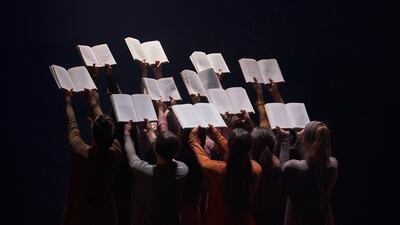
The show pays tribute formidable women of literature and the stage. -
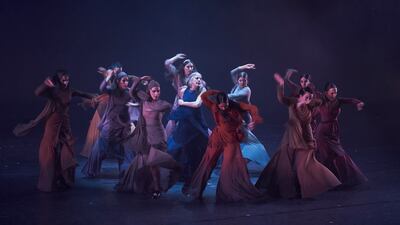
‘De Scheherazade, a Yo Carmen’ will embark on a two-year world tour. -
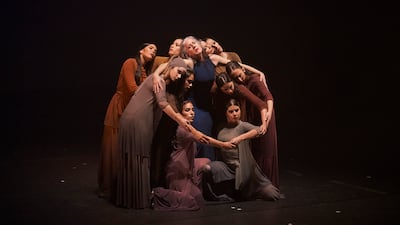
The performance features flamenco star Maria Pages and members of her dance company. -
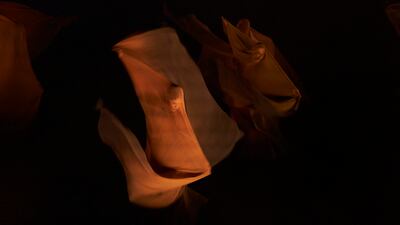
Spanish artists and venues have been featured regularly in Abu Dhabi Festival's international programme of events. -
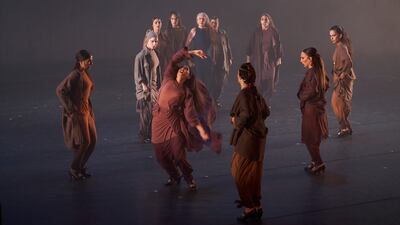
‘De Scheherazade, a Yo Carmen’ is playing a week's worth of shows at the Gran Teatre del Liceu in Barcelona. -
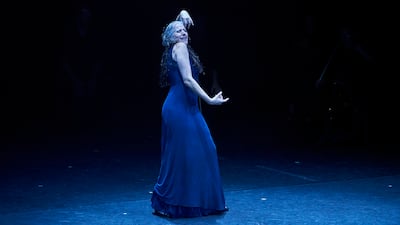
Maria Pages' flamenco career has spanned nearly 40 years. -
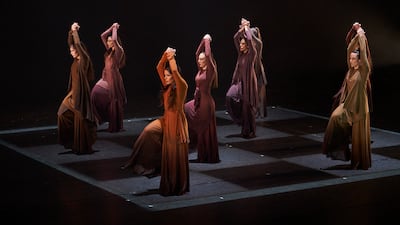
The ‘De Scheherazade, A Yo Carmen' world tour will take in Europe and Latin America. -
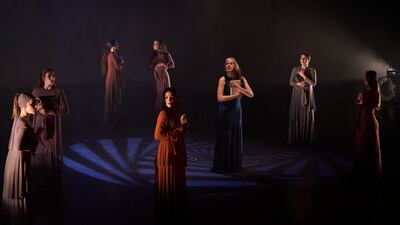
The Abu Dhabi Festival's international programme is a way to enhance cultural diplomacy between the UAE and the world. -
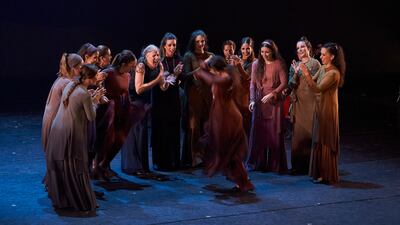
‘De Scheherazade, a Yo Carmen’ has been praised for its minimalism and power. -

Maria Pages in full flow during ‘De Scheherazade, a Yo Carmen’. -
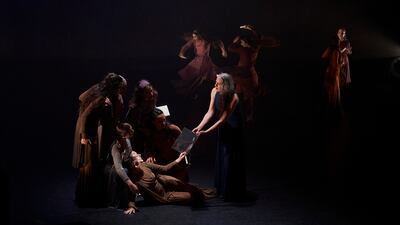
‘De Scheherazade, a Yo Carmen’ wants us to re-examine some of literature's greatest heroines. -
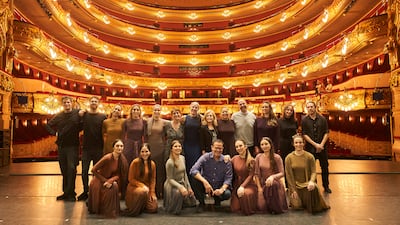
The cast of ‘De Scheherazade, a Yo Carmen’ at the Gran Teatre del Liceu.



