

William Shatner, Monica Lewinsky and other prolific Twitter commentators — some household names, others little-known — could soon be losing the blue check marks that helped to verify their identity on the social media platform.
They could get the marks back by paying up to $11 a month. But some long-time users, including Star Trek legend Shatner, 92, have baulked at buying the premium service promoted by Twitter's billionaire owner and chief executive Elon Musk.
After months of delay, Mr Musk is promising that Saturday is the deadline for celebrities, journalists and others who'd been verified for free to pay up or lose their legacy status.
"It will be glorious," he tweeted Monday, in response to a Twitter user who noted that Saturday is also April Fool's Day.
After buying Twitter for $44 billion in October, Mr Musk has been trying to boost the struggling platform's revenue by pushing more people to pay for a premium subscription.
But his move also reflects his assertion that the blue verification marks have become an undeserved or "corrupt" status symbol for elite personalities and news reporters.
One of Twitter's main reasons to mark profiles with a blue check mark, starting about 14 years ago, was to verify politicians, activists and people who suddenly find themselves in the news, and little-known journalists at small publications, to help curb misinformation from accounts that are impersonating people.
Ms Lewinsky tweeted a screenshot Sunday of all the people impersonating her, including at least one who appears to have paid for a blue check mark.
“What universe is this fair to people who can suffer consequences for being impersonated?" she said.
"A lie travels half way around the world before truth even gets out the door.”
Shatner, known for his irreverent humour, also tagged Mr Musk with a complaint about the promised changes.
“I’ve been here for 15 years giving my (clock emoji) and witty thoughts, all for bupkis,” he wrote. “Now you’re telling me that I have to pay for something you gave me for free?”
Mr Musk responded that there shouldn't be a different standard for celebrities.
“It’s more about treating everyone equally,” he tweeted.
For now, those who still have the blue check but apparently haven’t paid the premium fee have messages appended to their profile saying it is a “legacy verified account. It may or may not be notable".
They include Beyonce, Stephen King, Barack and Michelle Obama, Taylor Swift, Tucker Carlson, Drake and Mr Musk himself.
One of his first product moves after taking over Twitter was to launch a service granting blue checks to anyone willing to pay $8 a month.
But it was quickly inundated by imposter accounts, including those impersonating Nintendo, pharmaceutical company Eli Lilly and Mr Musk's businesses Tesla and SpaceX, so Twitter had to temporarily suspend the service days after its launch.
The relaunched service costs $8 a month for web users and $11 a month for iPhone and iPad users.
Subscribers are supposed to see fewer ads, be able to post longer videos and have their tweets featured more prominently.
Celebrities who've quit Twitter after Elon Musk takeover - in pictures
-
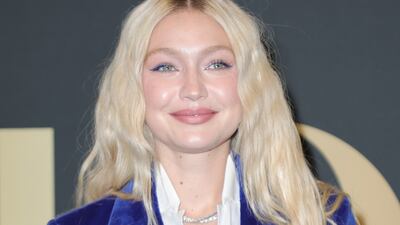
Gigi Hadid has deactivated her Twitter account following Elon Musk's takeover of the platform, saying 'it's becoming more and more of a cesspool of hate and bigotry with the new leadership'. AFP -
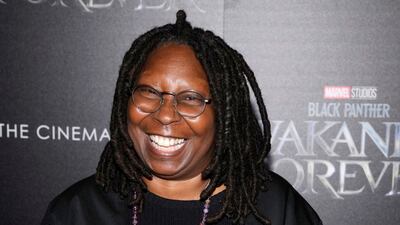
Whoopi Goldberg said she was getting off Twitter because 'it’s so messy'. AP -
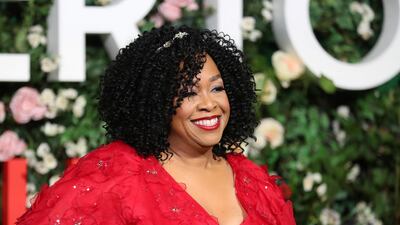
Producer Shonda Rhimes quit the platform days after Elon Musk took over. Reuters -
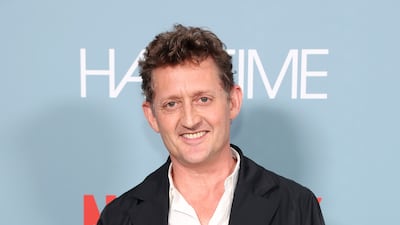
Actor and filmmaker Alex Winter's account has also been deactivated. AFP -
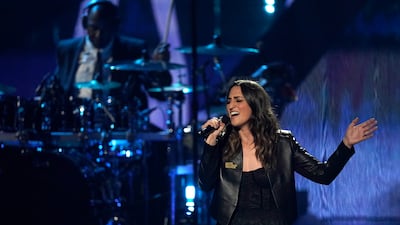
Grammy-winning singer Sara Bareilles said Twitter was no longer for her. AP -
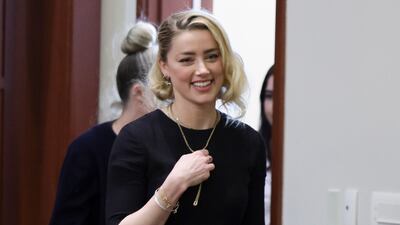
Actor Amber Heard, who once dated Elon Musk, has also deactivated her account. AP -
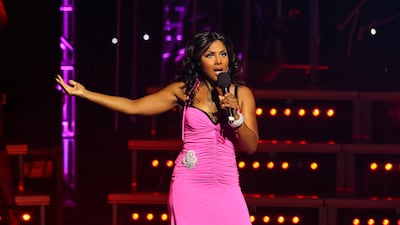
Singer Toni Braxton, who has also quit, said she was not comfortable with 'hate speech under the veil of free speech'. Alamy Stock Photo -
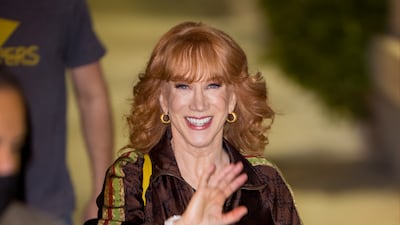
Comedian Kathy Griffin's Twitter account was suspended after she changed her name to 'Elon Musk'. GC Images -
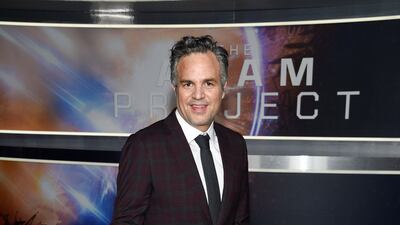
'Avengers' star Mark Ruffalo has pleaded with Elon Musk to 'get off Twitter and get on with running Tesla and SpaceX'. AP



