

The US on Wednesday said the Taliban's public execution in Afghanistan showed a return to the group's dark past as it pressed on human rights during a meeting.
"We've seen despicable videos that have circulated online in recent days," State Department spokesman Ned Price said.
"This indicates to us that the Taliban seek a return to their regressive and abusive practices of the 1990s."

"It would be an affront to the dignity and the human rights of all Afghans," Mr Price said, calling it a "clear failure by the Taliban to uphold their promises".
The execution was announced as the US special representative to Afghanistan, Thomas West, met in Abu Dhabi with a Taliban delegation led by their Defence Minister Mohammad Yaqoob, the son of the group's founder, Mullah Omar.
Mr West said he raised the "deteriorating human rights situation", including treatment of women and girls, who have been deprived education since the Taliban swept back into power.
"The country's economic and social stability and the Taliban's domestic and international legitimacy depend enormously on their treatment of Afghanistan's mothers and daughters," Mr West wrote on Twitter.
The Taliban have said they plan to fully enforce their extremist interpretation of Sharia, including public stoning, floggings and amputation of limbs from thieves.
The US started negotiations with the Taliban under former president Donald Trump's administration to seek security guarantees for the withdrawal of US troops, who left in 2021 after two decades on orders of President Joe Biden.
US mediators had initially sought assurances on rights from the Taliban but a tentative dialogue with a range of Afghans and the western-backed government collapsed as the insurgents swiftly captured the country.
-
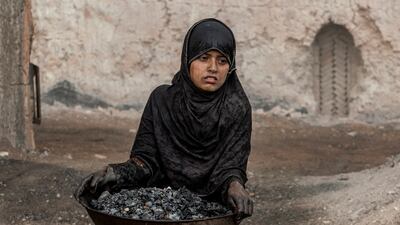
The number of children put to work in Afghanistan, already high, is growing, fuelled by the collapse of the economy after the Taliban took over the country and the world cut off financial aid just over a year ago. All photos: AP Photo -

A recent survey by Save the Children estimated that half of Afghanistan’s families send children out to work to keep food on the table as livelihoods crumble. -
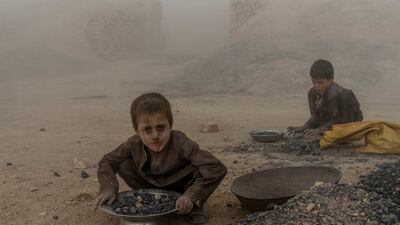
Nowhere is the malaise clearer than in the many brick factories on the motorway north out of the capital, Kabul. -
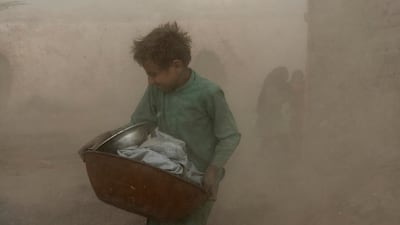
Conditions in the furnaces are tough even for adults. But in almost all of them, children as young as four or five toil alongside their families from early in the morning until dark in the heat of summer. -
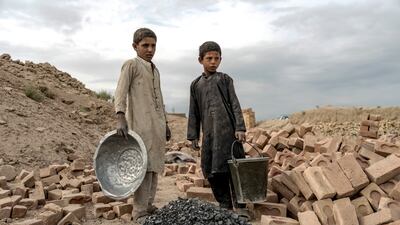
Children are involved in every step of the brickmaking process. -
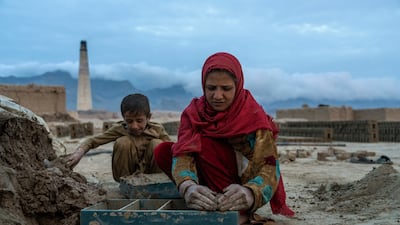
They haul cannisters of water and carry the wooden brick moulds filled with mud to put in the sun to dry. -
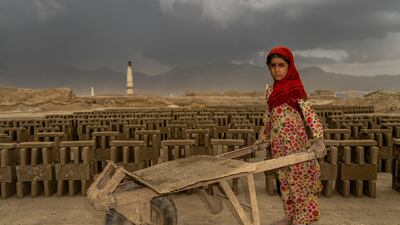
They load and push wheelbarrows full of dried bricks to the kiln for firing, then push back wheelbarrows full of fired bricks. -
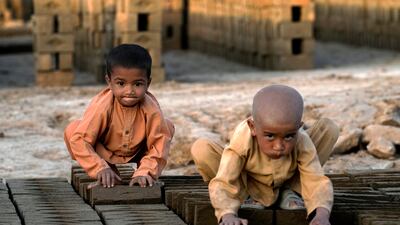
Everywhere they are lifting, stacking, sorting bricks. -
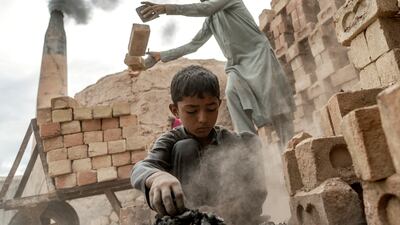
They pick through the smouldering charcoal from the kilns for pieces that can still be used, inhaling the soot and singeing their fingers. -
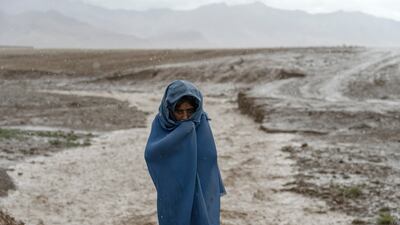
The children work with a determination and a grim sense of responsibility beyond their years, borne out of knowing little else but their families’ need. -
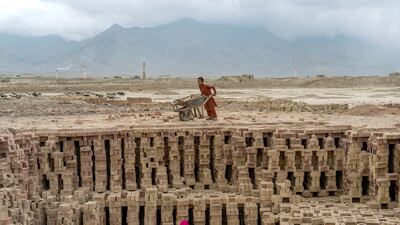
When asked about toys or play, they smile and shrug. Only a few have been to school. -
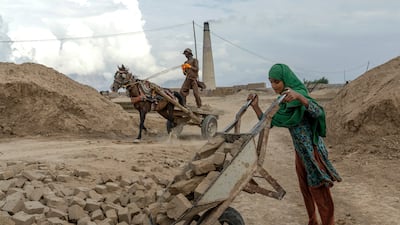
Nabila, 12, has been working in brick factories since she was five or six. Like many other brick workers, her family works part of the year at a kiln near Kabul, the other part at one outside Jalalabad, near the Pakistan border. -

A few years ago, she got to go to school a little in Jalalabad. She would like to go back to school but her family needs her work to survive, she said with a soft smile. 'We can’t think about anything else but work,' she said. -
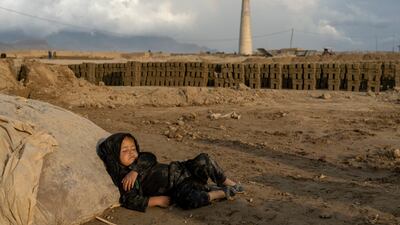
The landscape around the factories is bleak and barren, with the kilns’ smokestacks pumping out black, sooty smoke. Families live in dilapidated mud houses next to furnaces, each with a corner where they make their bricks. For most, a day’s meal is bread soaked in tea. -
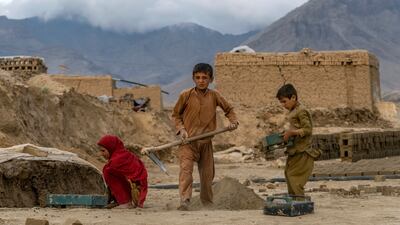
Rahim has three children working with him at a brick kiln, ranging in age from 5 to 12. The children had been in school, and Rahim, who goes by one name, said he had long resisted putting them to work. But even before the Taliban came to power, as the war went on and the economy worsened, he said he had no choice. -
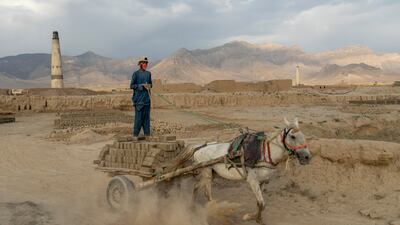
'There’s no other way,' Rahim said. 'How can they study when we don’t have bread to eat? Survival is more important.' -

Workers get the equivalent of $4 for every 1,000 bricks they make. One adult working alone is unable to make that amount in a day, but if the children help, they can make 1,500 bricks a day, workers said. -
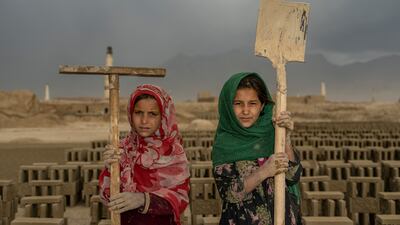
According to surveys by Save the Children, the percentage of families saying they had a child working outside the home grew from 18 per cent to 22 per cent from December to June. That would suggest more than a million children nationwide were working. Another 22 per cent of children said they were asked to work on the family business or farm. -
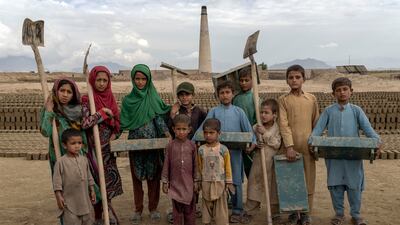
The surveys covered more than 1,400 children and more than 1,400 caregivers in seven provinces. They also pointed to the swift collapse in Afghans’ livelihoods. In June, 77 per cent of the surveyed families said they had lost half their income or more compared with a year ago, up from 61 per cent in December.



