

Clean energy incentives in the new spending package signed this week by US President Joe Biden will trim emissions of heat-trapping gases by about one billion metric tonnes by 2030, a Department of Energy analysis has shown.
The first official federal calculations, shared with the Associated Press before their release on Thursday, show that between the bill and last year's infrastructure spending law, by the end of the decade, the US will be producing about 1.15 billion metric tonnes less carbon pollution than it would have without the laws.
That is equivalent to about the annual greenhouse gas emissions of every home in the US.
The analysis found that with the new law, by 2030, US greenhouse gas emissions should be about 40 per cent lower than 2005 levels — which is still not at the announced target of cutting carbon pollution between 50 per cent and 52 per cent by the end of the decade.
But that 40 per cent reduction is similar to earlier calculations by the independent research firm Rhodium Group, which figured cuts would be 31 per cent to 44 per cent, and the scientists at Climate Action Tracker, which said the drop would be 26 per cent to 42 per cent.
Most of the projected emissions reductions in the nearly $375 billion spending package would come through promoting “clean energy”, mostly solar and wind power and electric vehicles, the federal analysis said.
More than half of the overall projected emission drops would come in how the nation generates electricity, the analysis said. About 10 per cent of the savings in emissions come from agriculture and land conservation.
The new law’s provisions that call for oil and gas leasing on federal land and water “may lead to some increase” in carbon pollution, the federal analysis said, but the other provisions to spur cleaner energy cut 35 tonnes of greenhouse gas for every new tonne of pollution from the increased oil and gas drilling.
-

A home burns in Mariposa county, California, where firefighters are battling to bring the Oak blaze under control. AP -
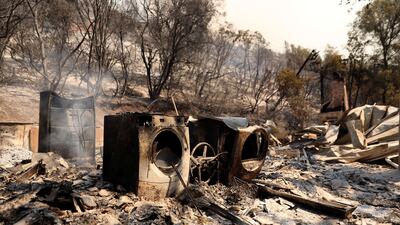
California officials said firefighters arrived at the scene early but were not able to contain the blaze. Getty -

The fire began on Friday and is closing in on the Yosemite area, home to some of the largest and oldest sequoia trees in the world. Getty -

California Highway Patrol officers stand next to a car that crashed into a ditch as the driver attempted to flee from the fire in Mariposa county. AP -
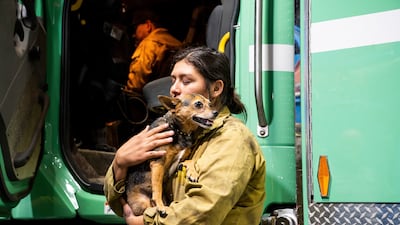
Firefighter Joanna Jimenez holds a dog she found wandering in a fire evacuation zone in Mariposa county. AP -

An aircraft drops flame retardant to control the fire. Reuters -
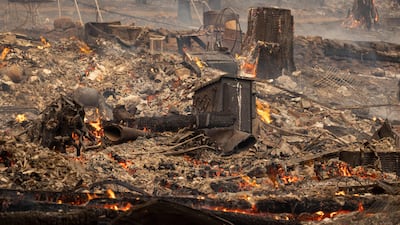
The ruins of a home gutted by the fire smoulder near Midpines, north-east of Mariposa county. AFP -

A row of mailboxes tagged with evacuation notices sit along Triangle road in Mariposa county. Bloomberg -
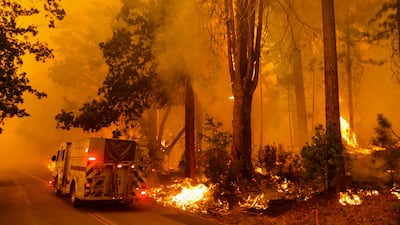
The fire has consumed at least 6,314 hectares of land, an area more than half the size of Paris. Reuters -

Mariposa county residents check a fire incident map not far from billowing clouds of smoke. EPA -
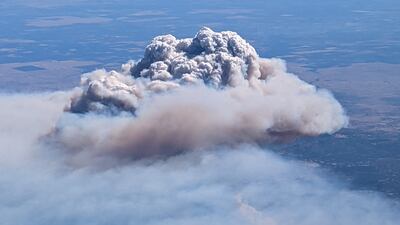
An aerial view of the fire as it approaches Yosemite National Park. Reuters -

Firefighters look on as the Oak Fire burns in Darrah, Mariposa county. Reuters -
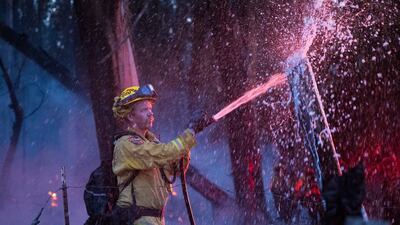
A firefighter douses flames near Aromas, California. AP -
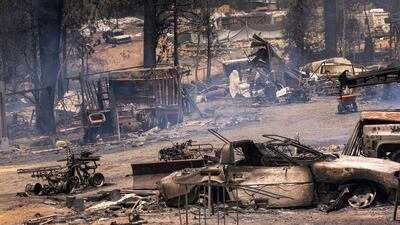
More than two decades of drought and rising temperatures have made California more vulnerable to bushfires. AFP -
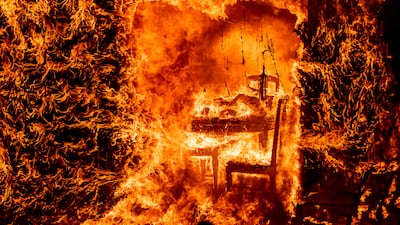
The blaze in Mariposa county represents a dangerous new front in the fight against fires in the western US. AP -
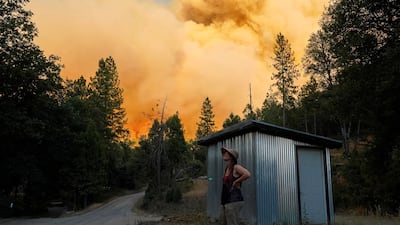
Allison Baggett watches as the Oak fire burns close to her home in Mariposa county, shortly before evacuating. Reuters


Outside experts, such as Bill Hare of Climate Action Tracker, say the new law is a big step for the US, but it’s still not enough, considering that America, the biggest historic carbon polluter, had done little for decades and lags behind Europe.
“At this point, anything going in that direction you count as a win, right?” National Centre for Atmospheric Research climate scientist Gerald Meehl, who wasn’t part of the analysis, said about what the new law will do.
“I mean, after so long a time of total inaction and knowing how difficult politically it is to get the country moving in a direction like this due to politics and economics and all the other things involved with this issue.
“You can argue that’s not nearly enough, but I think once you start seeing motion, you hope that then we can build on that and kind of keep the ball rolling.”
Your favourite vegan celebrities — in pictures
-

Actor Brad Pitt has never been shy about hiding his hatred of red meat and makes sure his children also avoid animal products. AFP -

Outspoken actor Ricky Gervais, seen here with Kermit the Frog, is a vegan and often speaks out against animal cruelty. Photo: Disney Enterprises Inc / AP -
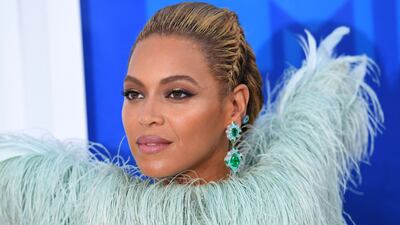
Beyonce took a 22-day vegan challenge and then decided to make it a permanent lifestyle choice. AFP -
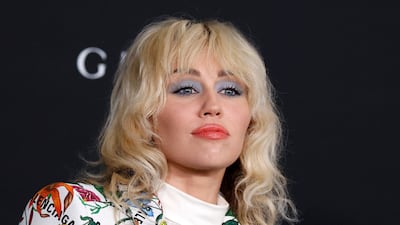
Singer, actress and animal activist Miley Cyrus promotes the vegan lifestyle and her love of animals on social media. AFP -
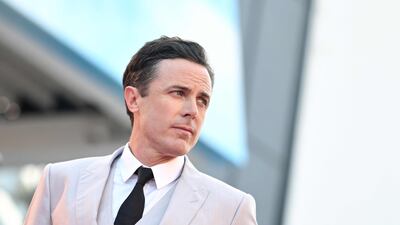
Actor Casey Affleck does not eat animal products because of the industry's cruelty. AFP -

Actress Olivia Wilde said that her plant-based lifestyle has benefitted her overall well-being. AP -

Singer Billie Eilish posted on Tumblr: 'I went vegan like four years ago. There were a lot of reasons. I love animals and I just think there's no point in creating something out of an animal when the animal is already there.' Getty Images -
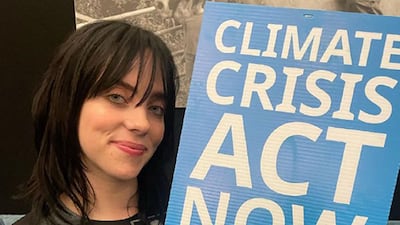
Eilish finished her post with: Leave animals alone. Photo: WaterAid -
Singer Ellie Goulding made the switch to veganism after learning more about how meat is processed. AP -

Actor Woody Harrelson is one of Hollywood's most outspoken and well-known vegans. Many credit him as an inspiration for changing their own diets. Reuters -
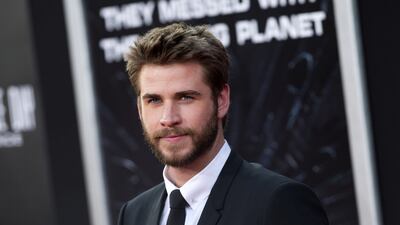
Liam Hemsworth said that fellow thespian Woody Harrelson inspired him to stop eating animal products. AFP -
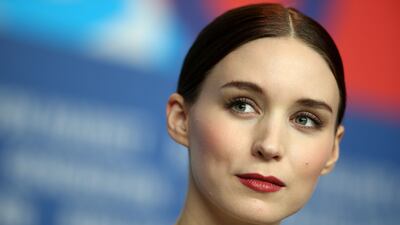
Actress Rooney Mara said that animal cruelty videos led her to veganism in 2011. Getty Images -
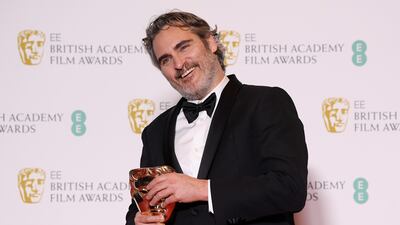
Actor Joaquin Phoenix is so passionate about his veganism that he has broached the subject of animal cruelty on stage while accepting various awards. Reuters -
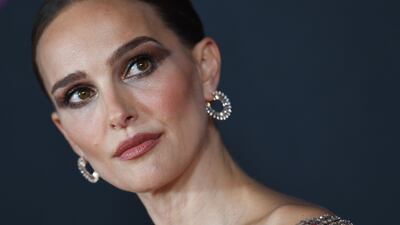
Actress Natalie Portman switched to a vegan diet after reading the book Eating Animals. AFP -

Actress Jessica Chastain said that 'listening to her body' made her switch to a plant-based diet and has led a vegan lifestyle for more than 10 years. AFP -
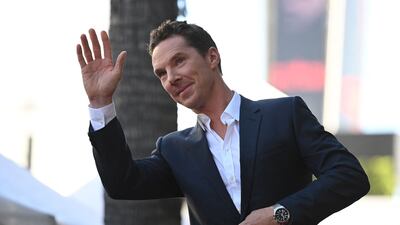
British actor Benedict Cumberbatch said he credits his vegan diet for keeping him fit. Peta named him 2018's Most Beautiful Vegan. AFP -
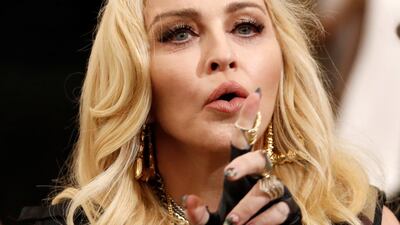
Madonna has maintained a macrobiotic diet for many years. Reuters -

Singer Moby became a vegan in 1987 and wrote that 'contributing to animal suffering is something that I don’t want to be a part of'. AFP -
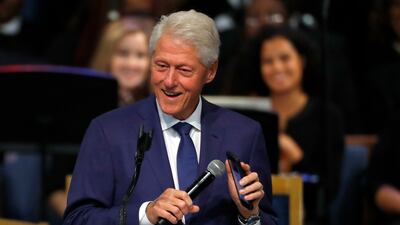
Former president Bill Clinton said that he wanted to be around for his grandkids and becoming a vegan maximised his potential to stay healthy. AP -

Serena Williams was diagnosed with an autoimmune disease and found that a plant-based diet helped her maintain her performance - but she takes a break when not training and competing. AP -
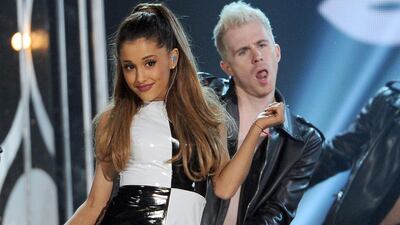
Singer Ariana Grande said that she likes animals more than people and therefore does not eat them. AP -

Ellen Pompeo of Grey's Anatomy took the advice of a real doctor and switched to a plant-based diet in 2018. AP -
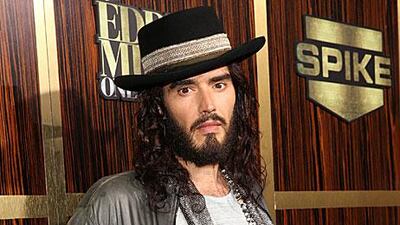
British actor and comedian Russell Brand, a long-time vegetarian, switched to full vegan in 2019. Getty Images/ AFP -

Long-time animal activist Pamela Anderson posted on her website: 'Veganism is about saving animals, saving ourselves, saving our societies and saving our planet!' Getty Images / AFP -
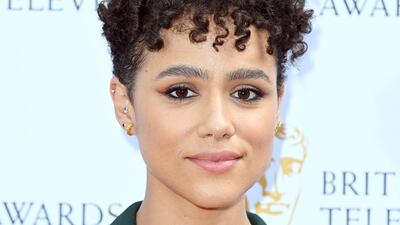
Game of Thrones actress Nathalie Emmanuel said that after going vegan, people kept commenting on her improved appearance so she decided to keep going. Getty Images -

Actress Alicia Silverstone said that veganism helped both her health and her appearance. AP -

Musician Travis Barker became a vegan after surviving a plane crash. Reuters -
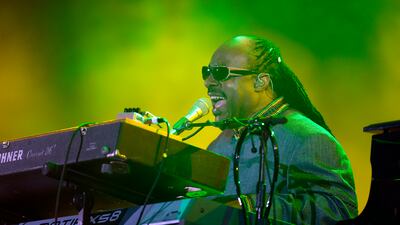
Singer Stevie Wonder said of becoming a vegan: 'We can't just talk about it, we have to be about it.' Andrew Henderson / The National -
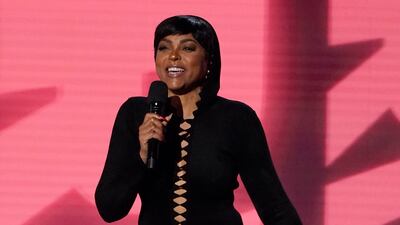
Actress Taraji P Henson was told by a doctor that if her diet didn't change, she would get very ill. So she switched to a plant-based diet. AP -

Actor Elliot Page once tweeted: 'Why are vegans made fun of while the inhumane factory farming process regards animals and the natural world merely as commodities to be exploited for profit?' AP -

Actress Emily Deschanel credits a visit to an animal farm sanctuary for inspiring her plant-based lifestyle. AP -

Actress Kate Mara decided to go vegan after reading a book called The Beauty Detox Solution by Kimberly Snyder. Getty Images -

American football player Colin Kaepernick is probably best known for creating social change. He revealed his plant-based diet in an Instagram workout photo with the caption: 'Not bad for vegan.' Getty Images



