


The UK Chancellor, Kwasi Kwarteng, will outline details of help for households and businesses amid the soaring cost of living in a much-anticipated mini-budget to be delivered next Friday.
Prime Minister Liz Truss promised a "fiscal event" as part of her plans to improve the economy and tackle inflation, and Mr Kwarteng will reveal these proposals to the public on September 23, reports say.
To allow him to set out his mini-budget, MPs are expected to sit in the House of Commons on Thursday with parliamentarians being asked to sit a day longer before going into their conference break.
According to a parliamentary business paper, it appears that MPs will also consider a motion proposing that the Commons returns from the recess early, on October 11.
The reports end days of speculation about when the fiscal event could take place and whether, given the scale of the crisis in the cost of living predicted for this winter, MPs should return early.
The timing for the fiscal event is highly constrained, with Parliament suspended while the country is in mourning after the death of Queen Elizabeth II, and Ms Truss is expected to fly to New York for the UN General Assembly after the monarch’s funeral on Monday.
MPs had been due to break for conference season on September 22.
UK government's new Cabinet appointments - in pictures
-
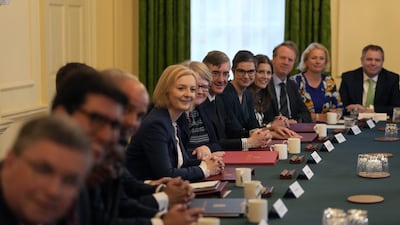
Liz Truss and her new team congregate round the cabinet table. AP -

Special adviser Sophie Jarvis arrives for new British Prime Minister Liz Truss's first Cabinet meeting at 10 Downing Street in London on Wednesday. Ms Truss has made sweeping changes to the UK government after becoming leader on Tuesday. -
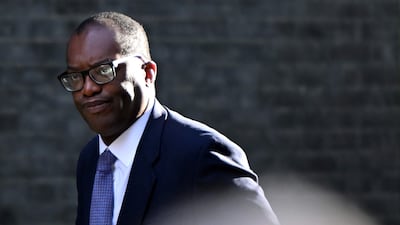
Chancellor of the Exchequer Kwasi Kwarteng arrives for the new Cabinet meeting. AFP -
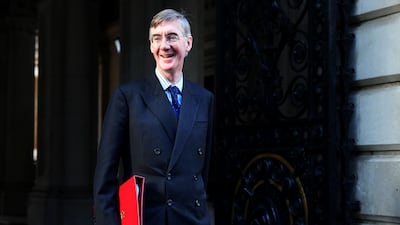
Business Secretary Jacob Rees-Mogg arrives for the new Cabinet meeting. Getty Images -

Defence Secretary Ben Wallace, front, arrives for the new Cabinet meeting. AP -
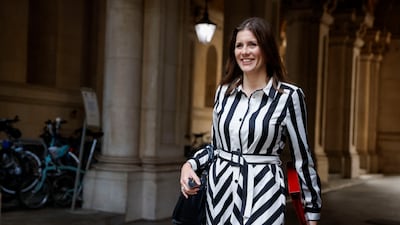
Culture Secretary Michelle Donelan arrives for the new Cabinet meeting. Reuters -
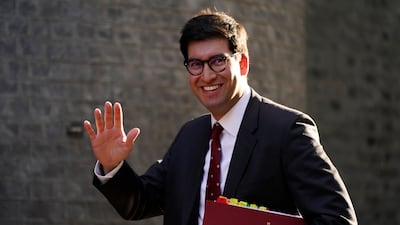
Secretary of State for Environment, Food and Rural Affairs Ranil Jayawardena arrives for the new Cabinet meeting. AP -
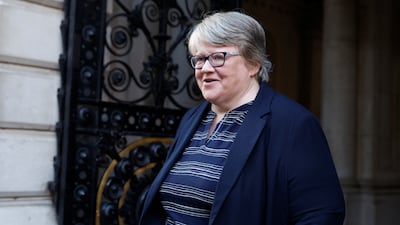
Deputy Prime Minister and Health Secretary Therese Coffey arrives for the new Cabinet meeting. Reuters -
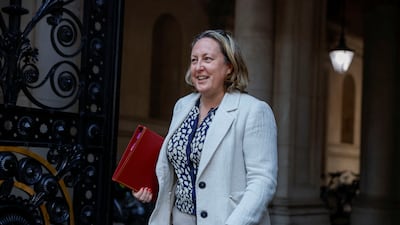
Transport Secretary Anne-Marie Trevelyan arrives for the new Cabinet meeting. Reuters -
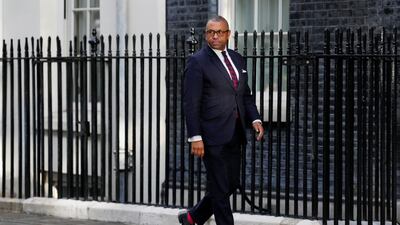
Foreign Secretary James Cleverly arrives for the new Cabinet meeting. Getty Images -

Home Secretary Suella Braverman arrives for the new Cabinet meeting. Reuters -

Attorney General Michael arrives for the new Cabinet meeting. AP -
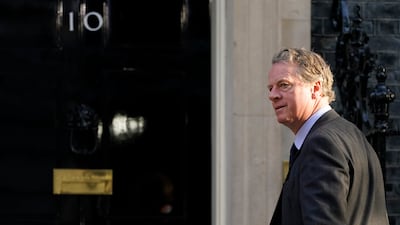
Secretary of State for Scotland, Alister Jack arrives for the new Cabinet meeting. AP -

Education Secretary Kit Malthouse arrives for the new Cabinet meeting. AP -
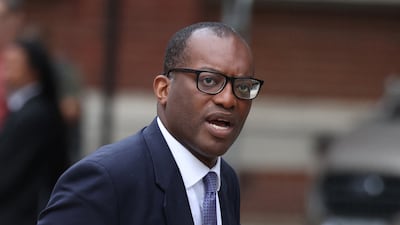
Kwasi Kwarteng has been appointed chancellor of the exchequer. Reuters -
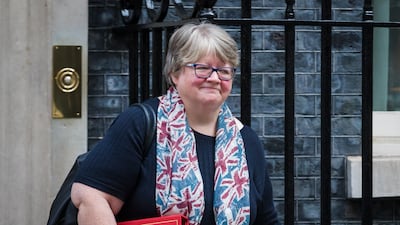
Therese Coffey has been appointed deputy prime minister and health secretary. EPA -

James Cleverly has been appointed foreign secretary. PA -
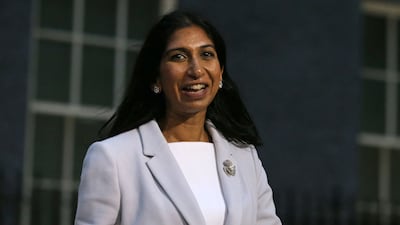
Suella Braverman has been appointed home secretary. AFP -
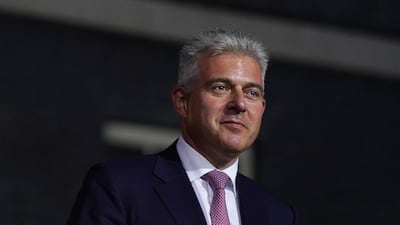
Brandon Lewis has been appointed lord chancellor and justice secretary. PA -
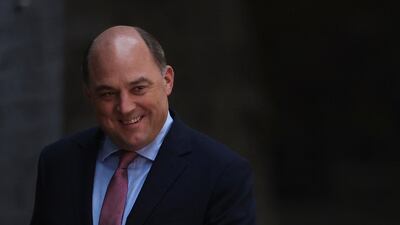
Ben Wallace has been reappointed defence secretary. Reuters -

Jacob Rees-Mogg has been appointed secretary of state for business, energy and industrial strategy. PA -

Kemi Badenoch has been appointed international trade secretary and president of the Board of Trade. PA -
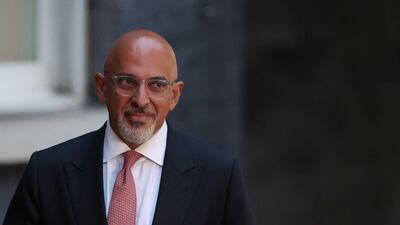
Nadhim Zahawi has been appointed chancellor of the Duchy of Lancaster. Reuters -
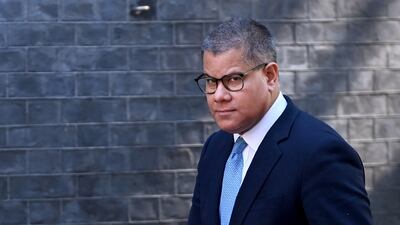
Alok Sharma has been reappointed as Cop26 president. EPA -

Simon Clarke has been appointed secretary of state for levelling up, housing and communities. EPA -
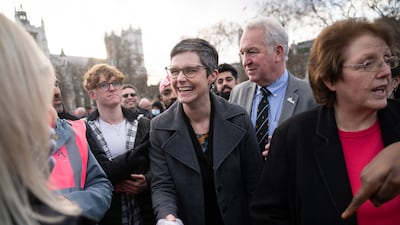
Chloe Smith has been appointed work and pensions secretary. PA -
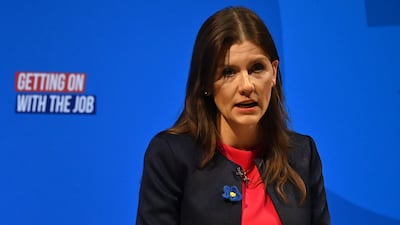
Michelle Donelan has been appointed secretary of state for digital, culture, media and sport. AFP -
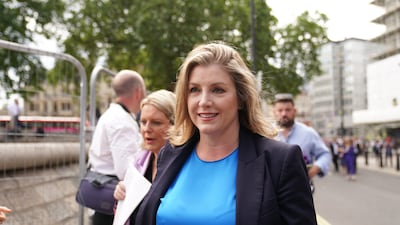
Penny Mordaunt has been appointed leader of the House of Commons. PA -
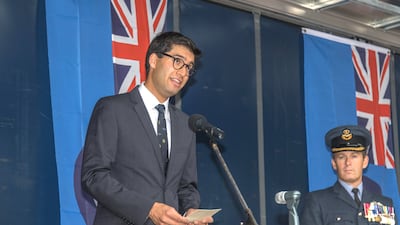
Ranil Jayawardena has been appointed secretary of state for environment, food and rural affairs. Alamy -
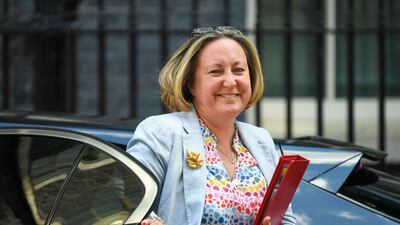
Anne-Marie Trevelyan has been appointed transport secretary. Bloomberg. -
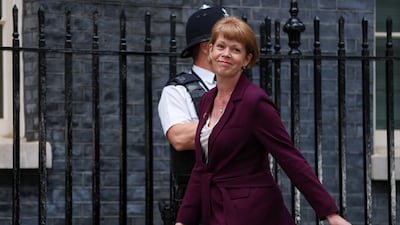
Wendy Morton has been appointed chief whip. Bloomberg -
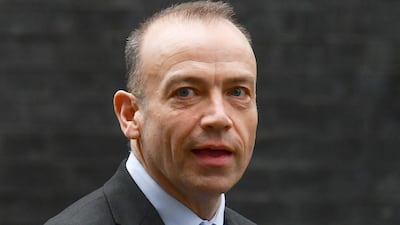
Chris Heaton-Harris has been appointed Northern Ireland secretary. AFP -
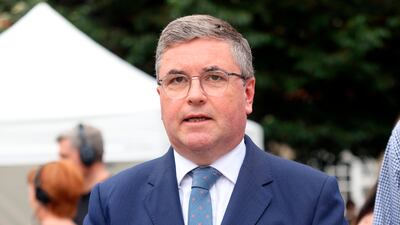
Robert Buckland has been reappointed as Welsh secretary. PA -
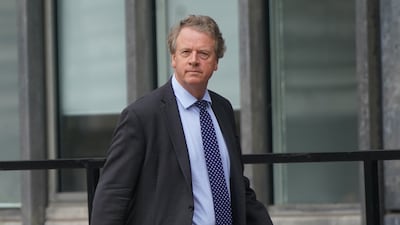
Alister Jack has been reappointed Scottish secretary. PA -
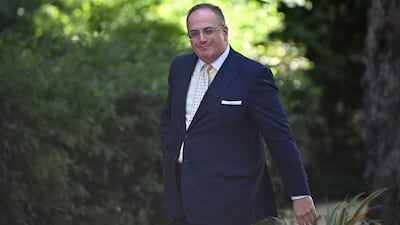
Michael Ellis QC has been appointed attorney general and will attend Cabinet. AFP -
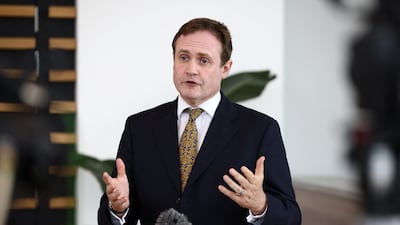
Tom Tugendhat will attend Cabinet as security minister in the Home Office. PA


The proposed change to recess dates would see legislators return after the Scottish National Party annual conference in October.
It is expected that on Wednesday, those MPs who wish to do so will take a new oath or affirmation to King Charles III.
A separate announcement on an energy package is also expected next week, possibly Wednesday or Thursday.
Ms Truss promised the fiscal event during the Tory leadership campaign, as concerns grew over rising energy bills and the expectation of a difficult winter for households.
Her bid to become prime minister won over grassroots members with promises of tax cuts and a pledge to put a stop to the planned rise in corporation tax.
The mini-budget follows an unprecedented, multibillion-pound package to tackle high energy bills and ease the cost of-living crisis, with a focus on capping prices and boosting domestic supplies.
Under the “energy price guarantee”, bills for the average household will go no higher than £2,500 ($2,868) at any point over the next two years.
It will save a typical home about £1,000 from October 1, when the current consumer price cap had been set to soar, official estimates show.
The news of the multibillion-pound package was immediately overshadowed by the death of the queen, leaving many outstanding questions about how it will be funded and what other measures might accompany it.
New UK Prime Minister Liz Truss' first Cabinet: Who's in? - video
Some charities have also called on the government to offer more support to vulnerable households, many of whom are already struggling with the price of bills.
It is expected that alongside measures to tackle the cost of living and boost growth, Mr Kwarteng will explain how the enormous energy package will be paid for.
Business leaders have expressed concern in recent days about the lack of clarity over the support for companies, which are also struggling with rising bills.
Downing Street has promised that more details about the support will come next week alongside a pledge to backdate energy costs for businesses if there is a delay in introducing the complex new scheme.
Sir Lindsay Hoyle, Speaker of the House of Commons, earlier told Times Radio that it was his “expectation” and “hope” that the conference break would be trimmed back.

