

People in Britain are being advised to take precautions in the face of the searing heatwave which is threatening to exceed the previously untouched 40°C mark.
When the mercury hits some parts of the world at 10 degrees higher, what is the fuss about? The obvious answer is only a minority of homes have air conditioning systems in Britain and other parts of northern Europe. The health ramifications of the current UK heatwave are thus high and concerning.
It's not just the professionals who are concerned. Google Trends provides a useful barometer of Britain's lack of preparedness, with searches for the term “how to cope in a heatwave” increasing by 200 per cent in the last week.
Taking guidance such as sticking to the shade and drinking lots of water as read, here are some valuable pointers.
Seven ways to cope in a heatwave
1. Eat small but frequent meals — with plenty of spice
Eating small amounts but frequently is a concept in the UK more associated with dieting. Yet the principles which underscore its dietary benefits can be applied to staying cool too.
Simply put, the bigger the meal the more energy your body uses to digest it. In heat-sapping conditions, the body is already expending a lot of energy trying to regulate itself, so eating small portions means more energy is conserved for this vital purpose. The need to conserve energy is why humans often have attenuated appetites in hot conditions anyway.
Counter-intuitively, adding spice to the small quantities is also advisable, given its positive physiological effects. Clotting can be a problem in the heat and spice increases circulation. If particularly spicy, the resultant sweats also have a cooling effect on body temperature.
.
2. Know your outdoors from your indoors
In the mornings and evenings when the air is cooler, it is worth having windows and doors open. In the heat of the day, do the opposite: close portals to the outside and use fans to militate against the risk of the house becoming full of stuffy air.
The UK Met Office advises to “close curtains on rooms that face the sun”.
3. Wear an aubergine hat
Primarily designed to help migraine and headache sufferers, an aubergine hat is coloured like the puce vegetable with a built-in ice pack.
Kept in the freezer it can be whipped out and donned to cool down body temperature in heatwaves — just don't try to make a moussaka with it.

4. Take extra naps
An afternoon siesta is a well established part of daily life in many southern European countries which are traditionally hotter — and it's a practice people in the UK should also now consider to allow the body precious time to rest and reboot when the heat is at its zenith.
Given the increased numbers working from home since the onset of coronavirus, beds are also that much more accessible.
5. Avoid cold showers
Somewhat paradoxically, cold showers actually make you warmer as their frigidness causes the body to overcompensate later and produce more heat.
This isn't to say go ahead and jump into a molten shower. Instead, lukewarm ones are far more preferable.
6. Wear loose, bright clothes — and don't be afraid to wet them
Loose, lightweight and bright clothes are best. Choose colours which reflect and don't absorb the sun's rays.
Wearing a damp T-shirt can also have a salving effect on hot skin — and even leaving damp clothes to dry inside is advisable as they will cool down the ambient air.

7. Breathe like a lion
Humans can always learn lessons from nature, and there aren't many creatures on planet more accustomed to dealing with searing heat than zoology's top dog — well cat, to be more precise.
As such, mimicking the way lions breathe is advisable in times of particular heat duress. Just take a deep breath in, and with the mouth wide open and tongue hanging down, exhale deeply. If this practice is to be adopted, it's worth remembering to brush teeth thoroughly.
UK heatwave — in pictures
-
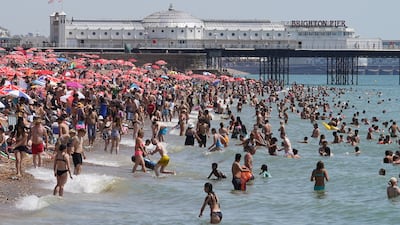
People basking in the sun on a crowded Brighton beach. The temperature in Britain smashed through the 40ºC barrier for the first time in recorded history. PA -
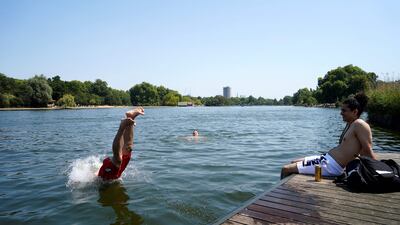
A man dives into the Serpentine Lake to cool off in Hyde Park, west London. AFP -
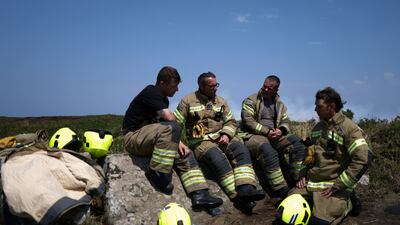
Firefighters rest as they attend a gorse bush fire, near Zennor, Cornwall. Reuters -
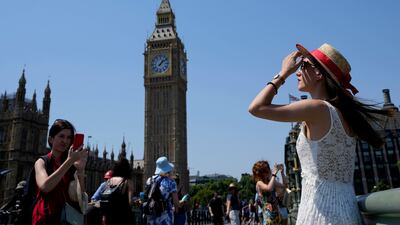
A tourist wears a hat to shield herself from the sun on Westminster Bridge in central London. AP -
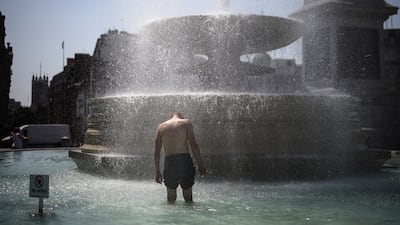
A man cools off at Trafalgar Square, central London. Reuters -
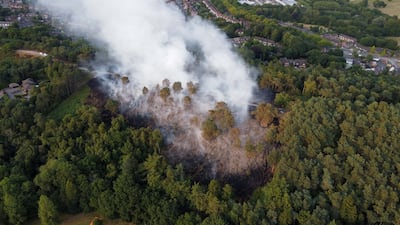
Firefighters respond to a large wildfire in woodland at Lickey Hills Country Park on the edge of Birmingham. PA -
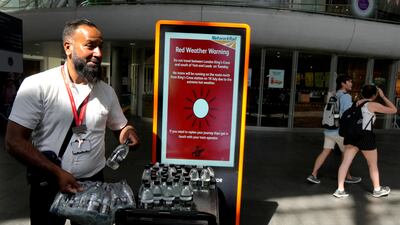
A railway worker hands out bottles of water to passengers at London's King's Cross, where there are train cancellations due to the heat. AP -
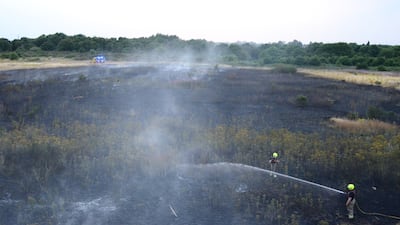
Firefighters control a grass fire in Ravenswood, Suffolk. PA -

Train tracks are painted white to help with the heat at Alexandra Palace train station in London. PA -
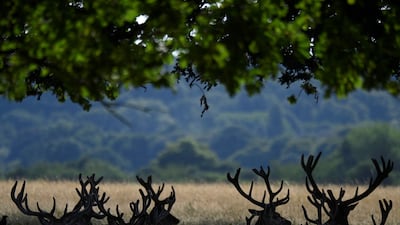
Deer rest in the shade at London's Richmond Park. Reuters -

An empty freezer section at Sainsbury's Nine Elms in London. PA -
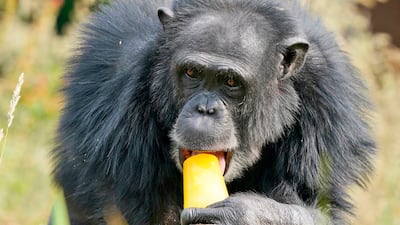
Chippy the chimpanzee enjoys an ice treat at Blair Drummond Safari and Adventure Park, near Stirling. AP -

A student dips her head into the fountain at Trafalgar Square, London. Getty Images -
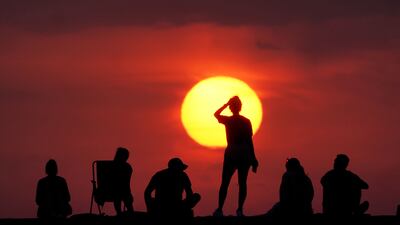
People turn out to watch the sunrise on Tuesday morning at Cullercoats Bay, North Tyneside. PA -

A digital thermometer displaying a temperature of 39°C on a London Underground train. PA -
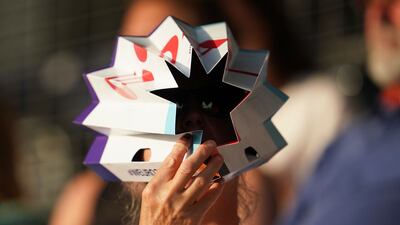
A fan finds a way to keep cool while watching the Women's Euro 2022 football match between Italy and Belgium at Manchester City Academy Stadium. AP -

An aerial view shows swimmers at Hathersage Swimming Pool, west of Sheffield in northern England. AFP -
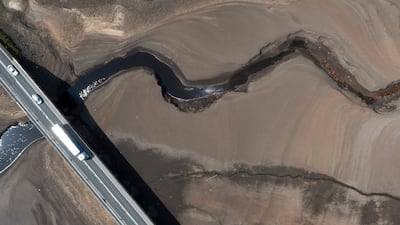
Traffic crosses a bridge at Woodhead Resevoir in West Yorkshire as water levels dip dangerously low. AP -
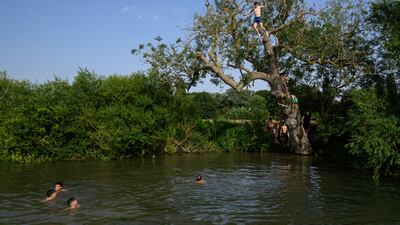
A man leaps from the top of a tree into the River Cam, in Cambridge. Getty Images -
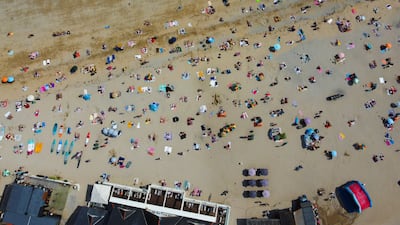
A packed Gyllyngvase beach in Falmouth. Getty Images -

A police officer gives water to a sentry in heavy ceremonial uniform, outside Buckingham Palace in central London. AP -
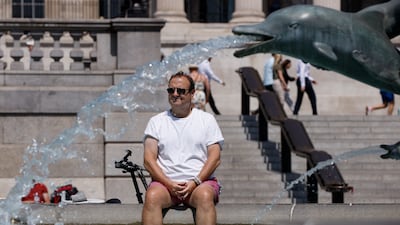
A man cools off in a fountain in London. Reuters -
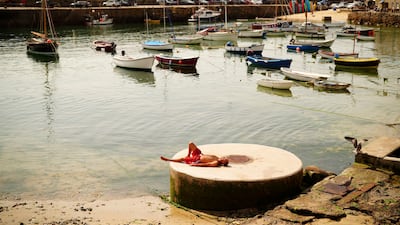
A man sunbathes at the harbour in Mousehole, Cornwall. AP -
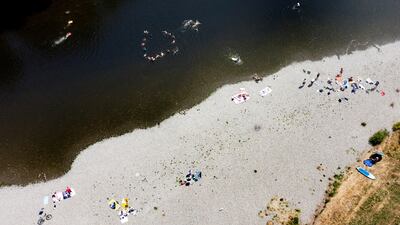
People swim in the River Wye. Reuters -
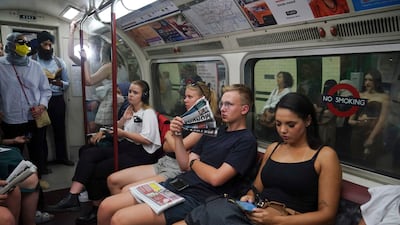
Passengers feel the heat on the London Underground. The operator advised its customers not to use the metro during the worst of the heatwave. AP -
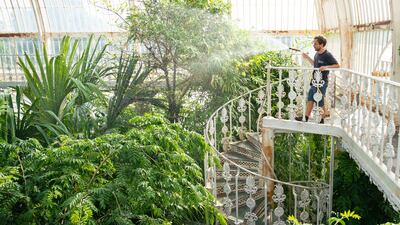
Palm House supervisor Will Spolestra waters the plants at the Royal Botanical Gardens Kew, west London, where temperatures inside the greenhouses are cooler than outside during the heatwave. PA -
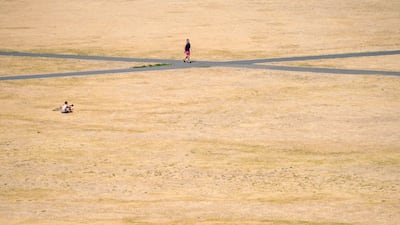
Dry grass at Greenwich Park, south-east London. AP -
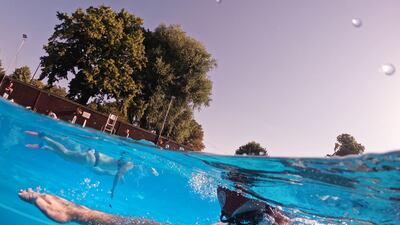
A swimmer takes an early morning dip in the cool water of Jesus Green Lido in Cambridge, eastern England. Getty Images -

Assistant horticulturalist Katie Martyr checks the temperature at the Cambridge University Botanic Garden. Forecasts are for record temperatures exceeding 40°C. Getty Images -
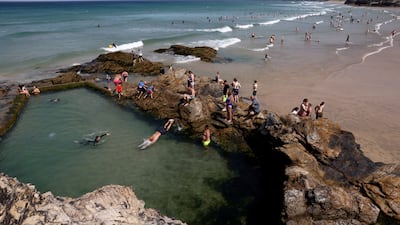
Bathers keep cool in a tidal pool at Perranporth Beach in Cornwall, south-west England. Reuters -
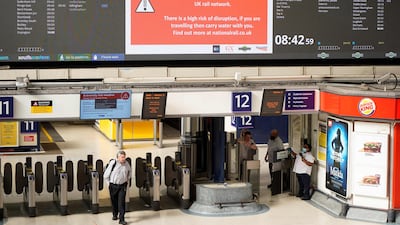
Message boards at London's Victoria Station warn passengers of potential disruption to train services due to the extreme heat. AFP -
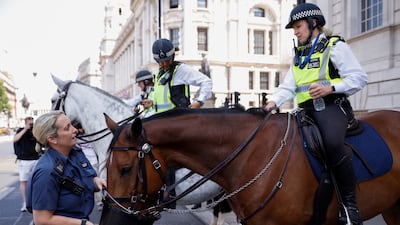
Zorro the police horse drinks water from a bucket to cool down during hot weather, on Whitehall in London. Reuters -
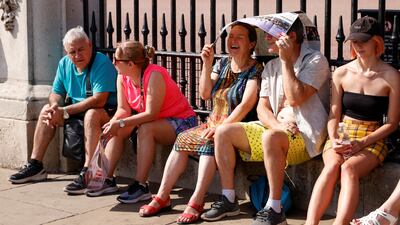
People use a map to shelter from the sun outside Buckingham Palace in London. Reuters -
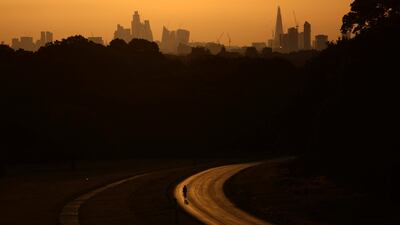
A cyclist rides through Richmond Park in south-west London at sunrise on Monday. Reuters -
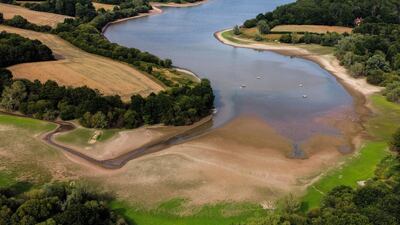
The reduced water level at Weir Wood reservoir, near Crawley, south-east England. The UK's Met Office has issued its first 'red warning' for exceptional heat. AFP -
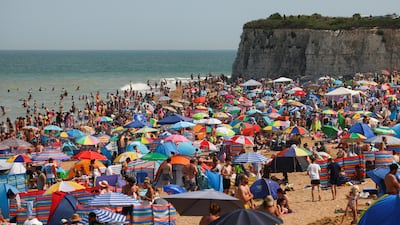
A crowded beach at Joss Bay in Broadstairs, south-east England. Reuters -
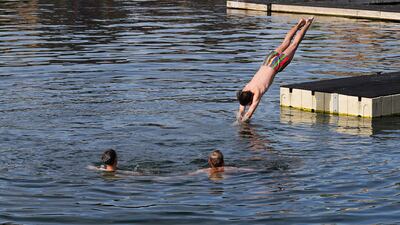
Swimmers take the plunge to escape the heat in east London. Reuters -
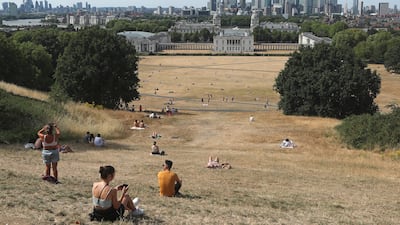
Sunbathers on the parched grass in Greenwich Park, south-east London. AP -
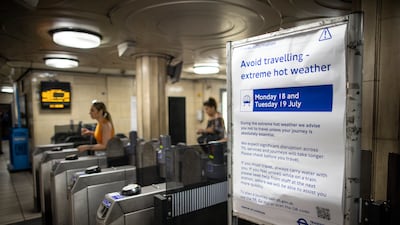
A sign advises people not to travel on the London Underground during the heatwave. EPA



