

A “storm of financial challenges” has put Britain’s private schools under severe pressure, with several institutions set to raise fees by up to 7 per cent, a representative of the sector has told The National.
The trend doesn't appear to be supressing enrolment, however, with new figures from the Independent Schools Council showing the number of pupils in private education has risen to a record high.
Those wishing to attend some of the UK's most prestigious establishments will certainly need some serious capital behind them, with annual charges at some boarding schools set to exceed £50,000 ($62,575) per pupil.
ACS Cobham in Surrey, near London, will raise the annual fee for a 14-year-old full-time boarder to £51,470 ($64,442) from August.
At Brighton College, also in south-east England, the price rise will be greater for international pupils. Fees for those in the sixth-form – the final two years of high school – will be £52,920 annually, compared with £43,650 for their British counterparts.
If the trend were to spread, UAE citizens and residents wishing to send their offspring to UK schools would have to pay more for the privilege.
The anticipated fee rise follows a period of stasis earlier in the Covid-19 pandemic.
“Independent school fees saw an annual average increase of 3 per cent last year, the second-lowest increase since 2000 and a reflection of efforts by schools to control fee rises,” Julie Robinson, chief executive of the Independent Schools Council, told The National.
“They are mindful of the pressures facing fee-paying families and affordability is, of course, a concern.
“Schools work hard to remain competitive whilst facing pressures on salaries, pensions, maintenance and utility costs.”
Economic vice tightens around private educators
These perennial pressures have been amplified in recent times by a swirl of economic headwinds, a personal finance analyst said.
“Schools are being hit by a storm of financial pressures in the wake of the pandemic, including rising energy, labour and catering bills as the cost-of-living crisis escalates, supply chain disruption persists and the fallout from the war in Ukraine takes hold,” Alice Haine, analyst at wealth management firm Bestinvest, told The National.
“This will put school budgets under strain and leave heads with difficult decisions to make going forward.“
Parents who choose independent schools also face difficult decisions.
While very few parents whose children are educated privately would be classified as being on the breadline, the sector is not a monolith.
Fees at Eton College, where many UK royals were educated, are £44,094 a year, making it the country’s eighth most expensive school.
Most expensive UK boarding schools - in pictures
-

1. Brighton College. Fee per annum: £52,920. Photo: Brighton College -
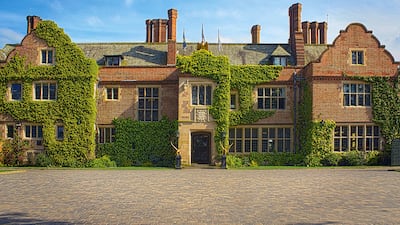
2. Queen Ethelburga’s College. Fee per annum: £52,368. Photo: Wikimedia Commons -
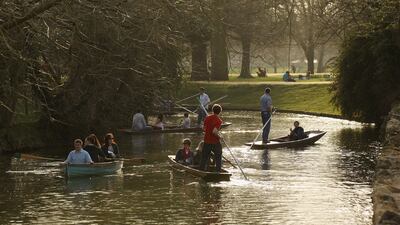
3. Oxford International College, in Oxford. Fee per annum: £50,688. Getty Images -
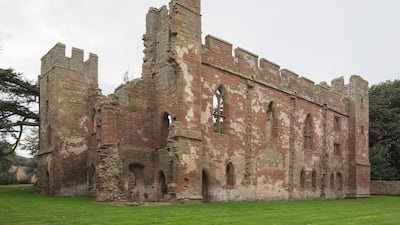
4. Concord College, which is located in the grounds of Acton Burnell Castle, above. Fee per annum: £47,500. Photo: Wikimedia Commons -
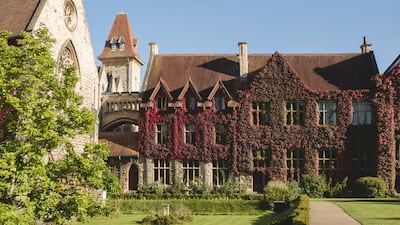
5. Cheltenham Ladies College. Fee per annum: £44,790. Photo: Wikimedia Commons -
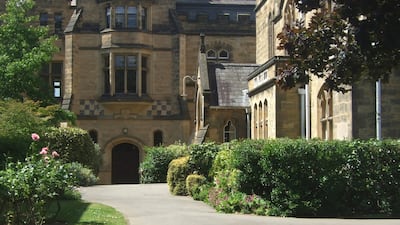
6. Tonbridge School. Fee per annum: £44,835. Photo: Wikimedia Commons -
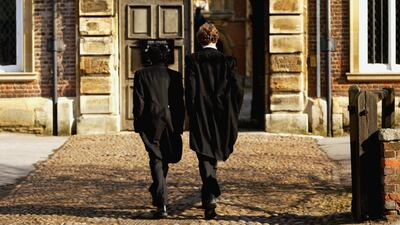
7. Eton College. Fee per annum: £44,094. Getty Images -
8. Harrow. Fee per annum: £43,665. Photo: Wikimedia Commons -
9. Winchester College. Fee per annum: £43,335. Photo: Wikimedia Commons -

10. Roedean School. Fee per annum: £42,135. Getty Images


Ms Haine says such fees are not representative of the private education sector, in which most pupils live at home rather than boarding.
“The average annual fee for a senior day pupil [non-boarder] now varies from £3,000 to £5,500 per term, depending on which stage of the education your child is at,” said Ms Haine.
“The fee at a junior day school, for example is £4,827 per term, versus £5,625 in the sixth form. If the same child was a day pupil at a boarding school, the fees would be £5,495 at a junior school and £7,684 in the sixth form.”
Record private school attendance confounds expectations
As fees rise at independent schools, the number of their alumni gaining places at Britain’s most illustrious universities has waned.
Last October, 72 per cent of all undergraduate students entering the University of Cambridge had been educated at state-run schools, compared with 58.4 per cent a decade earlier. In the UK, about 6 per cent of children attend private schools.
Fears that higher fees and fewer places at the most prestigious universities would dent demand for private schooling was not borne out by the ISC census.
There are now a record 544,316 pupils at 1,388 ISC member schools, a 2 per cent rise on the 2020 figures.
The census also showed the diversity of UK private schools is increasing, with 37.7 per cent of pupils coming from an ethnic minority background in 2022 compared with 35.1 per cent in 2021.
“Figures from our annual census show pupil numbers are at a record high, evidence of a strong recovery from the Covid pandemic, and there has also been healthy growth in the number of boarding pupils,” said Ms Robinson of the Independent Schools Council.
The data speak to the enduring appeal of a British private education.

“[It] is obviously well respected and it’s got an international reputation,” said Ms Haine, of Bestinvest. “It does produce a very well rounded, individual, independent child and you know if you can afford it, it’s a great way to educate your child.”
For prospective parents still determined to go private, she advised meticulous and long-view planning.
“The most sensible approach in these high inflationary times is to look at your individual budget. What are you spending, where is your money going?” she said.
“And once you’ve analysed all of your outgoings, you can see which goods and services are eating up the most of your income and then you can cut that back to make sure that you’re sort of spending not only within your means but super-efficiently so that you’re maximising the amount you save and invest.”
UAE a stellar alternative
For UAE parents with qualms about rising fees, she said looking closer to home may pay dividends.
The UAE private education sector “is very good,” she said.
“And if you’re living out there, I think it makes really good sense to send your child to school there.
“A lot of the schools have great reputations; they’re inspected by [schools regulator] Ofsted. They achieve very very good results. And it’s a really good system.”

