

Teenage climate activist Greta Thunberg plans to travel to Scotland in November to attend Cop26, hours after the UN published a report that emphasised the dire effects of climate change.
Ms Thunberg previously said she would not travel to the UN climate conference over concerns that the uneven distribution of Covid-19 vaccines would mean countries could not participate on even terms.
The UK's offer in June to vaccinate delegates against the disease appears to have prompted a change of heart.
"I've said before that I wasn't going to go if it wasn't fair,” Ms Thunberg, 18, told Reuters.
“But now [the UK] says that they will vaccinate all the delegates that are going there. If that's considered fair and safe, then I will hopefully attend."
The Swedish activist, who has rallied youths to demand climate action worldwide, said the UN report should be “a wake-up call, in every possible way”.
The report by the Intergovernmental Panel on Climate Change said the target of limiting the global temperature rise to 1.5°C above pre-industrial levels could be breached in the 2030s.
Even if 1.5°C is met, there would still be an increase in the intensity and seriousness of heatwaves, storms, droughts and floods.
"When these extreme weather events are happening, many say, what will it take for people in power to start acting? What are they waiting for?” Ms Thunberg asked.
“And it will take many things but, especially, it will take massive pressure from the public and massive pressure from the media."
In pictures: Climate tipping points
-
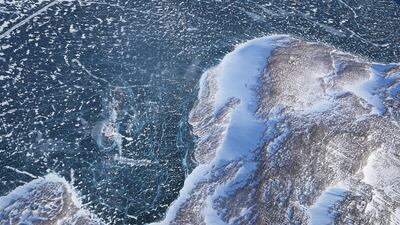
Greenland ice sheet disintegration – Rising temperatures causing the retreat of the ice sheet, which would cause sea levels to rise. -
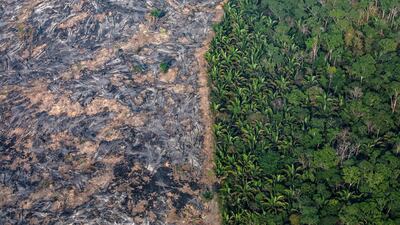
Amazon rainforest dieback – Large-scale dieback of the forest, via increased temperatures and drying, or direct deforestation, would amplify global warming. -
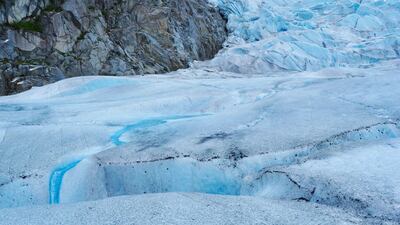
Permafrost loss – Thawing of carbon-rich soils, which releases greenhouse gas into the atmosphere. -
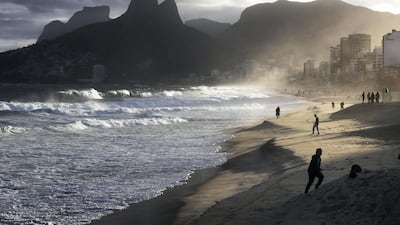
Atlantic meridional overturning circulation breakdown – An increased amount of freshwater in the Northern Atlantic disrupting the system of currents. -
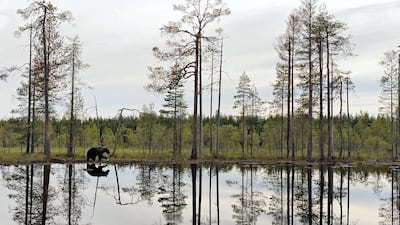
Boreal forest shift – Warming causes dieback in the south of the forests, and expansion into the tundra in the north, which would cause regional warming. -
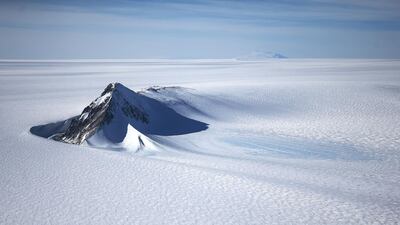
West Antarctic ice sheet disintegration – The melting of major ice sheets would lead to significant increases in sea level. -
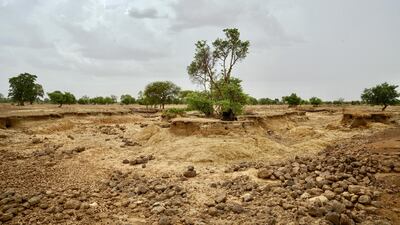
West African monsoon shift – A change in the monsoon season would lead to agricultural disruption and effect the ecosystem. -
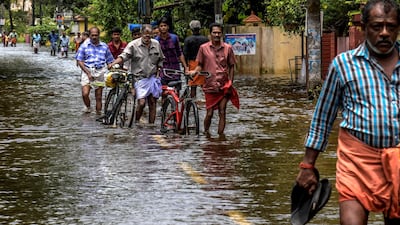
Indian monsoon shift – An increase in the planetary albedo (increases in the atmospheric brown cloud haze over India) has the capability of switching off the monsoon, which is crucial for the local economy, as well as being important for agriculture. -
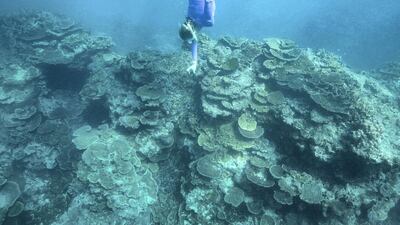
Coral reef die-off – Exposure to increased sea temperatures can kill off reefs, which has a serious effect on ecosystems and local economies.



