

Ride-hailing app Uber is offering free rides to residents of Beirut following the devastating blast on Tuesday, at a time when the popularity of the service in the crisis-stricken country had reportedly been waning.
With volunteers travelling from the outskirts of the capital to help clear the broken glass and debris that still litters the streets, and to assist others in picking through the shattered skeletons of their homes, the free rides offer important support to people with no means of transport.
The free Uber journeys – offered two per person from Thursday to Sunday – have taken people to protests and allowed them to see family members. They come at a time when many around the country are struggling financially, even before the blast, because of the severe economic crisis that has been compounded by a global pandemic.
"Our heart goes out to all that have been impacted by the devastating Beirut explosion. To mark our support, all Uber rides will be free throughout the weekend in order to help people get around the city as needed," an Uber spokesperson told The National.
They will also be offering free trips to blood donation centres and hospitals into next week and will "continue to explore how else we can support rebuilding efforts".
Fadel Abou Nar, 21, a freelance translator from Beirut, said it was a "really important decision" made by Uber.
-
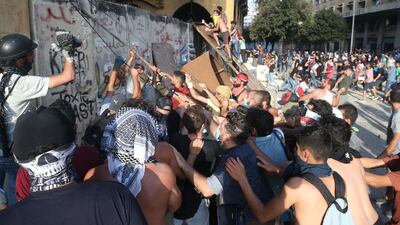
Lebanese anti-government protesters pull a protection wall leading to the Parliament square during a protest in Beirut. EPA -
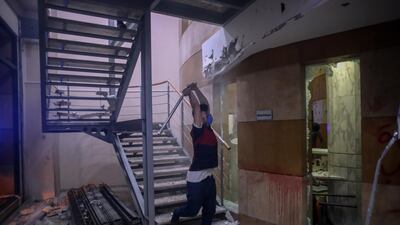
A protester strikes a wall with a metal bar inside the Lebanese Banks Association (ABL) headquarters. Bloomberg -
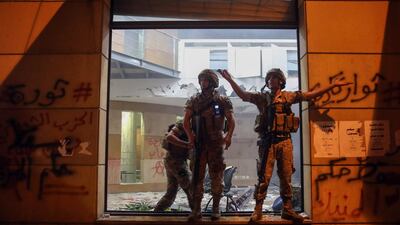
Lebanese army soldiers stand guard by a shattered window inside the Lebanese Banks Association (ABL) headquarters during a demonstration. Bloomberg -
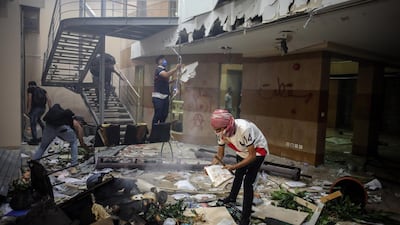
Protesters break into the Lebanese Banks Association (ABL) headquarters during a demonstration. Bloomberg -
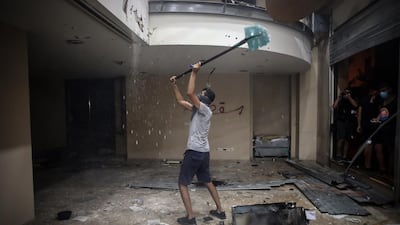
A protester strikes the ceiling inside the Lebanese Banks Association (ABL) headquarters during a demonstration. Bloomberg -
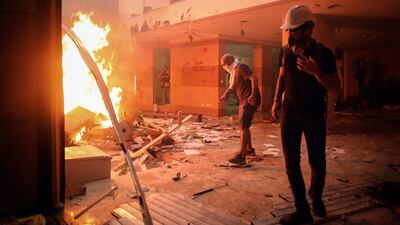
Protesters light fires inside the Lebanese Banks Association (ABL) headquarters during a demonstration. Bloomberg -
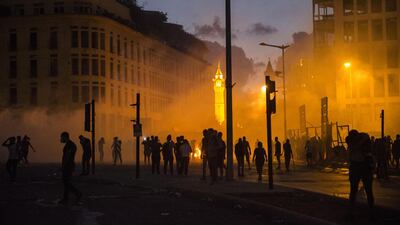
A cloud of tear gas drifts through a crowd of protesters during a protest at Martyrs Square. Getty Images -
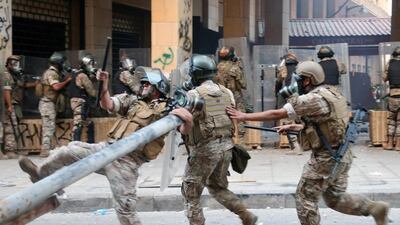
Lebanese security forces run during clashes with anti-government protesters. EPA -
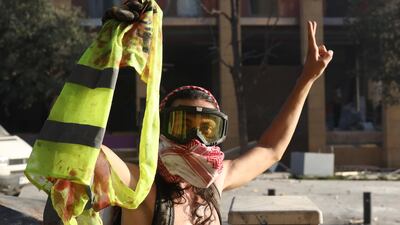
A Lebanese anti-government protester flashes a victory sign and holds a blood-stained yellow jacket of a fellow protester during clashes with riot police. EPA -
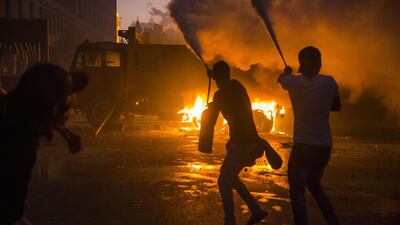
Protesters use fire extinguishers to block protesters' movements from the Internal Security Forces, not pictured, during a protest at Martyrs Square. Getty Images -
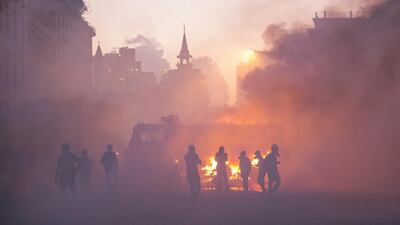
Protesters move through a cloud of tear gas during a protest at Martyrs Square. Getty Images -
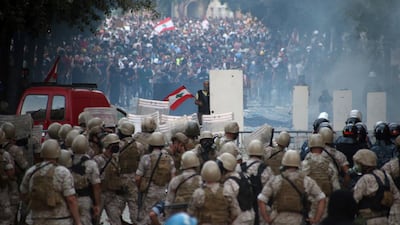
Lebanese anti-government protesters face off with riot police. EPA -
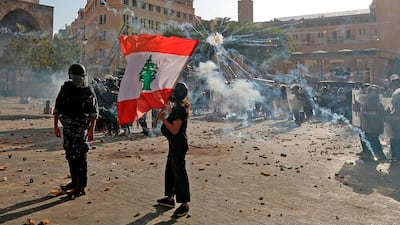
A Lebanese protester waves the national flag during clashes with security forces in downtown Beirut. AFP -
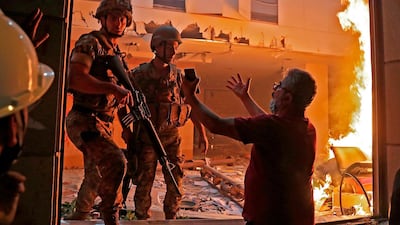
A Lebanese protester speaks to soldiers at the headquarters of the Lebanese association of banks in downtown Beirut. AFP -
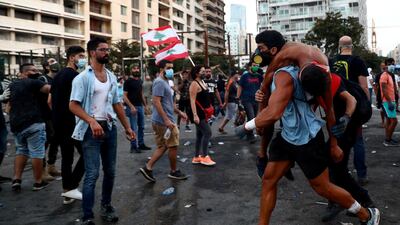
An injured demonstrator is evacuated during a protest. Reuters


"Many lost their cars in the explosion and people who really wanted to participate in the revolution in Beirut were questioning how they would get there, even the price of public transport has increased by half," he said via message.
"It is important, especially during this economic crisis, as people are looking out for their money and trying to save every penny for food and necessities. This was a really generous gesture ... so protesters can reach Martyrs' Square."
The central Martyrs' Square suffered damage in the blast and was a key site of Saturday's protests, with demonstrators hanging life-size effigies of politicians in makeshift nooses.
Many Beirut residents have criticised the government for a lack of official help with the clean up, and hundreds took to the streets to protests their apparent culpability for the deadly blast, which killed at least 158 and left 300,000 people homeless.
Uber's move, however, comes at a time when it has suffered criticism for its reticence to adapt to Lebanon's worsening economic climate.
As well as reportedly choosing to continue pricing its fares in US dollars rather than the local Lebanese pound, despite a financial crisis with dollars in short supply, locals say that drivers have failed to abide by measures to stop the spread of coronavirus, such as wearing a mask.
The continued use of dollar pricing – dollars were in common usage until recent months – has led to multiple disputes between drivers and customers over preferred exchange rates and the offer of free rides could be seen as an effort to win back customers.
"People can't pay by credit card because of the illegal capital control the banks have instated. Since they use a foreign [point of sale system] to process the payments, you can only use cash, which causes a lot of issues," said Mohammad Hijazi, an international communications consultant from Beirut.
"The drivers do not care about a quality of service or the rules regarding the pandemic. I rode with two drivers who didn't have masks on," he said.
The company has seen rides plummet globally due to coronavirus lockdown measures, and it was forced to write down the value of its investments by $2 billion (Dh7.3bn) earlier this year.
Uber has previously faced criticism for what some termed as "cashing in" on disasters, having failed to suspend surge pricing during a terrorist bombing in New York City in 2016 and during the Sydney hostage siege in 2014. However, in 2018 the rehabilitation of the company’s reputation on safety became part of Uber CEO Dara Khosrowshahi’s overarching mission.

