

Lebanon's financial crisis and glacial bureaucracy mean ambulances are dropping Covid- positive patients in need of urgent care in hospital car parks and wards lacking life-saving equipment or drugs as doctors battle a sharp increase in the number of critical cases, health professionals told The National.
“There was a day last week when we didn’t have a single ventilator left. We borrowed one from another hospital, but each day, we are on the brink of disaster,” said Georges Ghanem, chief medical officer at the Lebanese American University – Rizk Hospital.
The new year brought record-high numbers of coronavirus cases after restrictions were eased during Christmas and New Year festivities.
But compounding the problem of rising cases in need of hospital admissions is the soaring wait times to procure basic equipment because of the country’s worsening financial crisis.
"What we used to be able to buy in two weeks now takes months," Dr Ghanem told The National.
“We are worried about shortages of everything: ventilators, oxygen, medicine. We are living day by day with no provisions.”
-
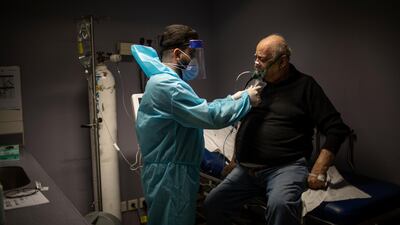
A patient with Covid-19 symptoms is checked by a staff member at Saint George Hospital in Lebanon's capital Beirut. Getty -
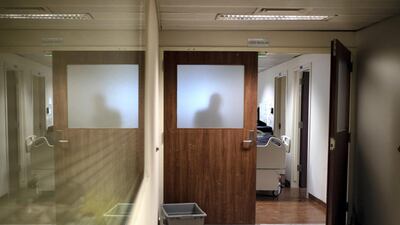
A person is silhouetted behind a door near the coronavirus intensive care unit at the American University of Beirut (AUB) Hospital. Tom Nicholson for The National -
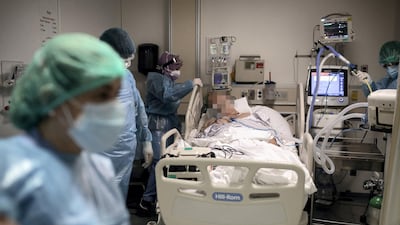
A patient in the Emergency Room at the American University of Beirut (AUB) Hospital. Tom Nicholson for The National -
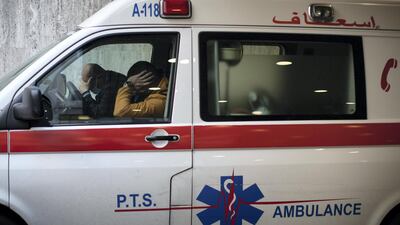
Paramedics rest in an ambulance parked outside the Emergency Department at the American University of Beirut (AUB) Hospital. Tom Nicholson for The National -
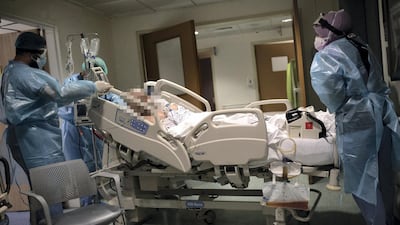
A patient is moved in the Coronavirus Emergency Room at the American University of Beirut (AUB) Hospital. Tom Nicholson for The National -
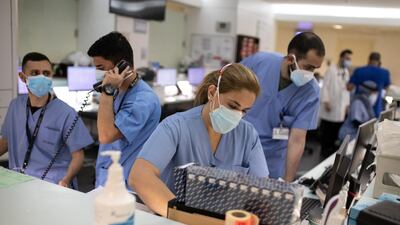
Staff members work in the Emergency Room at the American University of Beirut (AUB) Hospital. Tom Nicholson for The National -
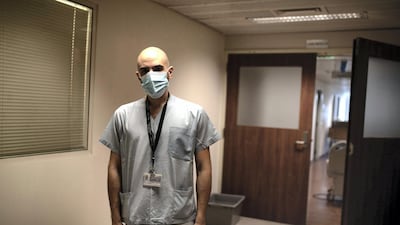
Oday Hamad, a nurse at the Coronavirus intensive care unit at the American University of Beirut (AUB) Hospital poses for a portrait. Tom Nicholson for The National -

Tatiana Chahine, a nurse at the Coronavirus intensive care unit at the American University of Beirut (AUB) Hospital poses for a portrait. Tom Nicholson for The National -
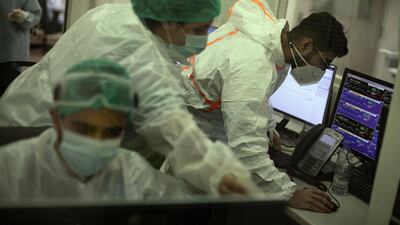
Staff members work in the Emergency Room at the American University of Beirut (AUB) Hospital. Tom Nicholson for The National -

A patient is moved in the Emergency Room at the American University of Beirut (AUB) Hospital. Tom Nicholson for The National


For the past year, importers of medical supplies have been going through a central bank (BDL) subsidy programme set up to support vital sectors during a financial crisis in which the value of the Lebanese pound fell ore than 80 per cent.
But the slow and bureaucratic system is causing huge delays for new orders.
Rizk Hospital ordered four new ventilators from Europe more than two months ago. They have yet to arrive.
Nearly 280,000 people have been infected by the virus in the small country of six million.
"When we run out of ventilators, we tell the Red Cross to stop bringing us patients. But sometimes, they have to leave them in the street because they can't keep them in an ambulance," Dr Ghanem said.
"Several times, we have had to bring oxygen bottles to patients to stabilise them while we waited for space to free up or for them to be sent to another hospital," he said.
A health ministry representative told The National that it has asked the central bank to "prioritise everything related to health".
Importers of medical equipment say that the BDL is taking up to five months to process their invoices.
“The BDL says that they do not have enough staff,” said Salma Assi, head of the medical equipment and devices importers syndicate.
-
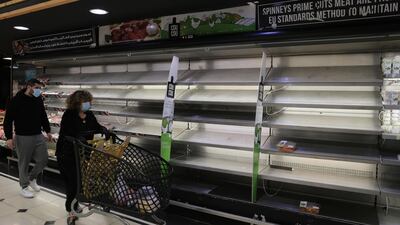
Citizens shopping at Spinneys supermarket in Beirut, Lebanon, 11 January 2021. EPA -

People queue outside a shop in Dbayeh north of Beirut as they stock up on provisions two days before a total lockdown due to the spread of the Covid-19 pandemic on January 12, 2021. AFP -
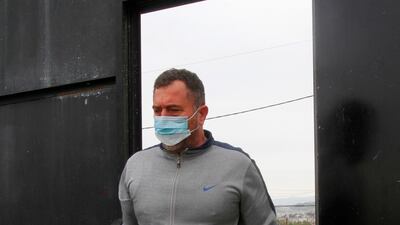
A mask-clad man carries two gas cylinders in the southern Lebanese city of Sidon on January 13, 2021 as the Lebanese rush to stock up on provisions one day before a total lockdown due to the spread of the COVID-19 pandemic. AFP -
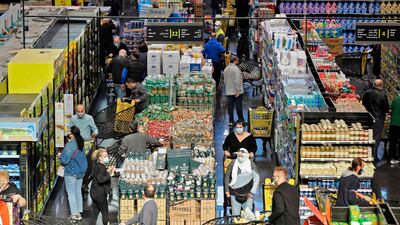
People shop at a supermarket in Beirut as they stock up on provisions two days before a total lockdown due to the spread of the Covid-19 pandemic on January 12, 2021. AFP -
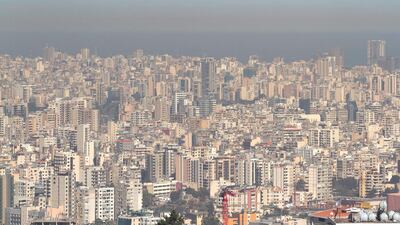
Beirut's skyline shrouded in smog. File photo / Getty Images -

The scene of the August 4 explosion that hit the seaport of Beirut, Lebanon. AP Photo -
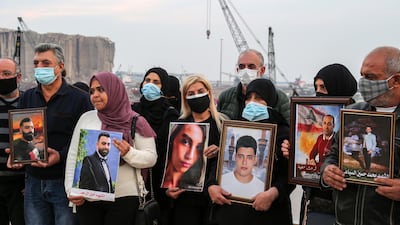
Relatives of victims of the 4 August Beirut port explosion pose with portraits of the deceased relatives, during a protest in Beirut, Lebanon, January 4, 2021. EPA -
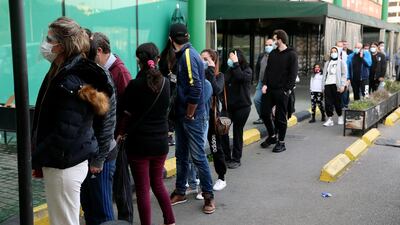
A queue to enter a supermarket, in Beirut, Lebanon, on January 11, 2021. Panic buyers swarmed to grocery shops after reports the government planned to close them as part of the tightened lockdown. AP


Mrs Assi also said she has yet to receive a clear list of what is and is not included on the central bank subsidises programme.
A BDL representative said that questions should be directed to Naaman Naddour, who directs the foreign exchange and international operations department. He did not answer.
In October 2019, the BDL said it would be covering 85 per cent of the cost of some medical equipment, in addition to other basics such as wheat and fuel, at the official exchange rate of 1,500 Lebanese pounds to the dollar.
Lebanon produces little and relies on imports.
The aim was to help importers buy essential goods and cushion the effect of soaring inflation, which has skyrocketed since the start of the financial crisis with the local currency trading unofficially at more than 8,000 pounds to the dollar while banks impose strict withdrawal limits.
The crisis started in the summer of 2019, when Lebanese banks started restricting access to dollars before banning transfers abroad altogether.
The BDL’s foreign reserves are critically low.
Last October, Reuters reported that Lebanon had about $1.8 billion in its foreign exchange reserves left for subsidising fuel, wheat and medicine imports.
Most non-subsidised goods are being imported with dollars bought on the black market at nearly six times the official price.
This includes personal protective equipment such as masks, gloves and gowns used by doctors and nurses when handling Covid-19 patients.
"We used to pay $0.20 cents for an N95 mask. Now we pay $4.50. Nobody helps us with these extra costs. We ask patients who can pay for them to do so," Dr Ghanem said.
Rafik Hariri University Hospital, Lebanon's largest public hospital and the one that is at the forefront of the fight against the pandemic, largely relies on NGOs to equip its staff with masks and gloves.
"If we have dollars, we pay with dollars, if we don't, we receive donations," said Raymonda Moussaed, head of procurement at the hospital.
"We are asking for help from the World Bank, the World Health Organisation and the Health Ministry to be able to continue working," Dr Ghanem said.
“There have been many promises, but up to now, we have received nothing.”

