
The unsynchronised ventilator beeps make for an eerie soundtrack in this intensive care unit. It is a deadly melody, interrupted only by the rustling of protective suits.
A group of nurses, dressed head to toe in the safety clothing, peer through the glass at an unconscious woman.
This is not the archetypal Covid-19 patient.
At 25, Fatima – whose name has been changed – is young. She was healthy too.
Yet the virus appeared to pounce on one vulnerability – her pregnancy.
“It’s something we are seeing more of now," says Hussein Al Khazim, a 25-year-old registered nurse on the unit.
"We have several cases of pregnant women where a C section or abortion has been carried out because of Covid-19.
“Some patients have had abortions, sometimes they recover, but the effects are the same, the suffering continues, even after they are Covid-19 negative.”
-
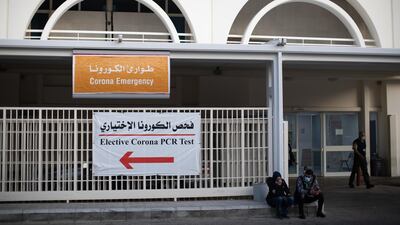
General view of the Rafik Hariri University Hospital in southern Beirut, Lebanon. Tom Nicholson for The National -
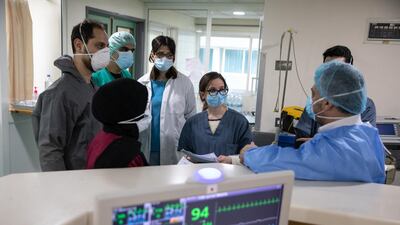
The Intensive Care Unit at the Rafik Hariri University Hospital in southern Beirut, Lebanon. Tom Nicholson for The National -
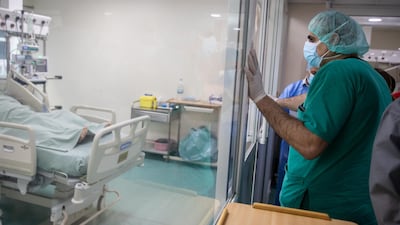
The Intensive Care Unit at the Rafic Hariri University Hospital in southern Beirut, Lebanon. Tom Nicholson for The National -
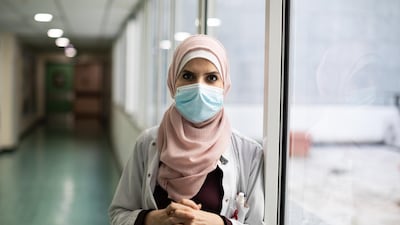
Dr Ousaima Dbouni, an infectious disease specialist at the Rafik Hariri University Hospital in southern Beirut. Tom Nicholson for The National -
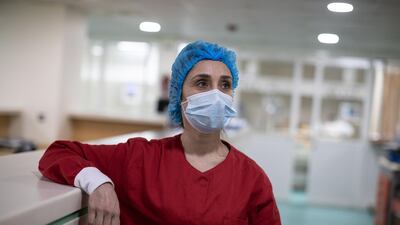
Nurse Terese Ghoubar in the Intensive Care Unit at the Rafik Hariri University Hospital in southern Beirut. Tom Nicholson for The National -

The Intensive Care Unit at the Rafik Hariri University Hospital in southern Beirut. Tom Nicholson for The National -
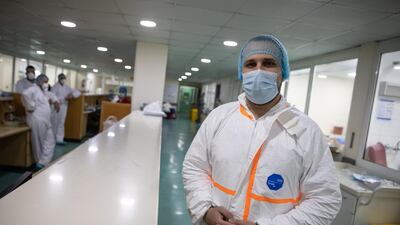
Nurse Abdullah Khattabi poses for a portrait in the Intensive Care Unit at the Rafic Hariri University Hospital in southern Beirut, Lebanon. Tom Nicholson for The National -
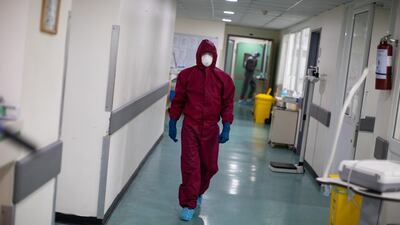
The Intensive Care Unit at the Rafik Hariri University Hospital in southern Beirut, Lebanon. Tom Nicholson for The National -
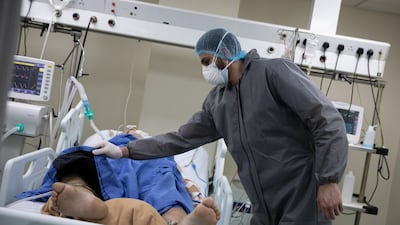
The Intensive Care Unit at the Rafik Hariri University Hospital in southern Beirut, Lebanon. Tom Nicholson for The National -

The Intensive Care Unit at the Rafik Hariri University Hospital in southern Beirut, Lebanon. Tom Nicholson for The National -
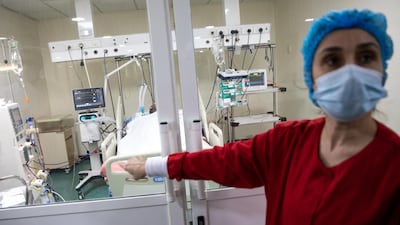
The Intensive Care Unit at the Rafik Hariri University Hospital in southern Beirut, Lebanon. Tom Nicholson for The National -
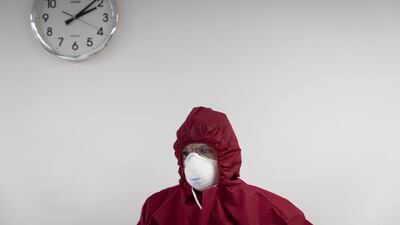
The Intensive Care Unit at the Rafik Hariri University Hospital in southern Beirut, Lebanon. Tom Nicholson for The National -
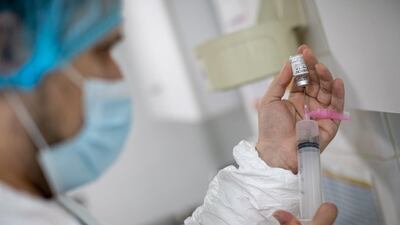
The Intensive Care Unit at the Rafik Hariri University Hospital in southern Beirut, Lebanon. Tom Nicholson for The National -
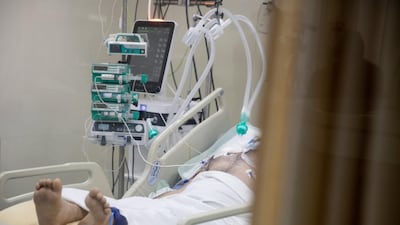
The Intensive Care Unit at the Rafik Hariri University Hospital in southern Beirut, Lebanon. Tom Nicholson for The National -

The Intensive Care Unit at the Rafik Hariri University Hospital in southern Beirut, Lebanon. Tom Nicholson for The National -
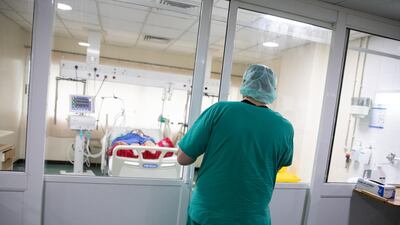
The Intensive Care Unit at the Rafik Hariri University Hospital in southern Beirut, Lebanon. Tom Nicholson for The National -
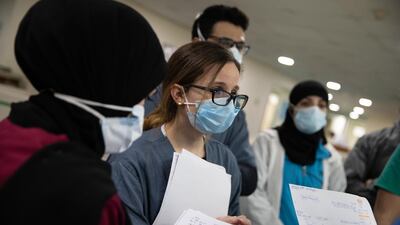
The Intensive Care Unit at the Rafik Hariri University Hospital in southern Beirut, Lebanon. Tom Nicholson for The National -
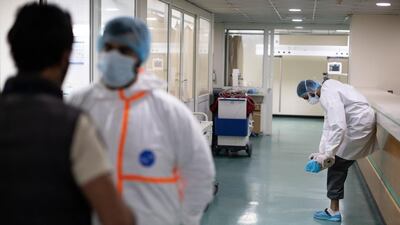
The Intensive Care Unit at the Rafik Hariri University Hospital in southern Beirut, Lebanon. Tom Nicholson for The National -
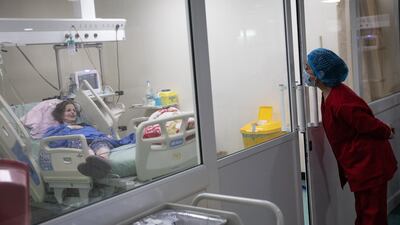
The Intensive Care Unit at the Rafik Hariri University Hospital in southern Beirut, Lebanon. Tom Nicholson for The National -
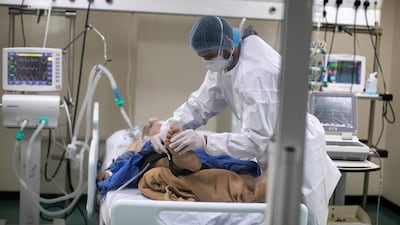
The Intensive Care Unit at the Rafik Hariri University Hospital in southern Beirut, Lebanon. Tom Nicholson for The National -

The Intensive Care Unit at the Rafik Hariri University Hospital in southern Beirut, Lebanon. Tom Nicholson for The National


An exhausted Mr Al Khazim moves to wipe his brow, before remembering to override his instincts and resist touching his face. Even the most innocent scratch might spread the virus.
"Unfortunately, she lost the baby. It was two days ago," he says.
This month, Lebanon repeatedly registered record coronavirus cases – the devastating ramifications of relaxing restrictions during the holiday period, staff at Rafik Hariri University Hospital in Beirut say.
Now the country's healthcare system is at breaking point. Hospitals are full and critical supplies of necessities such as oxygen are running low.
With the record number of cases came record deaths – 44 were reported on Friday. The number of daily deaths from the virus is now 13 times what it was in July.
In a sign of how deep in the throes of a public health calamity this country is, caretaker Health Minister Hamad Hassan was admitted to hospital with the virus on Thursday.
Dr Oussayma El Dbouni, an infectious diseases specialist at the hospital, says that although the crisis is overwhelming, it was entirely predictable.
"The normal population didn't take any precautions. These numbers are a result of what happened two weeks ago – we were expecting this," she says, referring to the loosening of restrictions over the festive period, her phone ringing incessantly as she makes her rounds.

"We don't have enough beds, it's always full. Patients sometimes wait in the ER for a day to get a space on the floor. We are in a very bad situation right now and where we are going, we don't know."
As the minister charged with leading the government response to the pandemic focuses on his personal battle against the virus, hundreds of patients are fighting for their lives in ICUs across the country.
Staff say that in the past year only 20 per cent of coronavirus patients admitted to this ICU have made it out alive.
One nurse, Abdullah Khatabi, says he can count the number of patients who made it off the ward in the past year on two hands.
For Fatima, and the hundreds of others admitted to ICUs across Lebanon, the odds of survival are slim.
Nurses call the ward's ventilators the "kiss of death", because even though the machines may keep patients alive long enough to fight off the virus, the side effects of long-term intubation can be crippling.
A surge in case numbers early this month prompted a flustered response from authorities.
There was panic buying in supermarkets before a lockdown was introduced on Thursday. A 24-hour curfew is in place and people are required to seek permission to leave their homes.

Hospital administrators have scrambled to increase ICU capacity with some success, but one hospital said it was isolating and treating Covid-19 patients in the car park.
Terese Ghobar, a nurse with 20 years of experience, was sent to oversee infection control on the ward after Lebanon’s first coronavirus case was detected on February 21 last year.

A patient travelled from Iran, the virus their invisible hand luggage.
Ms Ghobar says the squeeze on resources, particularly ICU beds, is forcing hospital staff to make agonising decisions.
“It’s the most difficult part. Who do I put on the ventilator? If I have one respirator, who do I put on it? The young man? Or the sick man? Every day we are making those decisions,” she says.
The ward is made up of 10 bays, closed off by sliding glass doors. The bays surround a central hall, where there is nothing but essential equipment.
Yet the hall is a stifling pot of exhaustion and frustration.
The masks and suits are suffocating, blocking not just the virus, but even the most basic form of human interaction. Reassuring smiles are hidden, supportive hugs strictly forbidden.
Much of the staff, some of them still inexperienced, have been working for the past year without much rest.
Their proximity to the virus meant huge personal sacrifices were made.
They have forgone seeing their families for months. Social lives are a distant memory.
“My father is bedridden, my mother is sick. I’m afraid to visit them,” says Ms Ghobar.
Frustration is also building with the Lebanese public, who medics say do not appear to take the virus seriously.
-
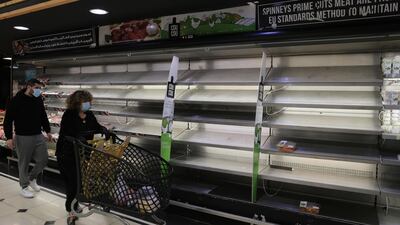
Citizens shopping at Spinneys supermarket in Beirut, Lebanon, 11 January 2021. EPA -

People queue outside a shop in Dbayeh north of Beirut as they stock up on provisions two days before a total lockdown due to the spread of the Covid-19 pandemic on January 12, 2021. AFP -
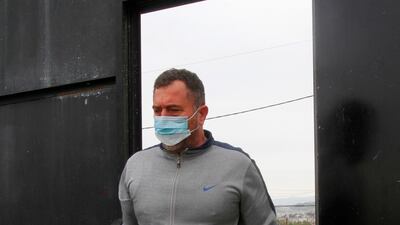
A mask-clad man carries two gas cylinders in the southern Lebanese city of Sidon on January 13, 2021 as the Lebanese rush to stock up on provisions one day before a total lockdown due to the spread of the COVID-19 pandemic. AFP -
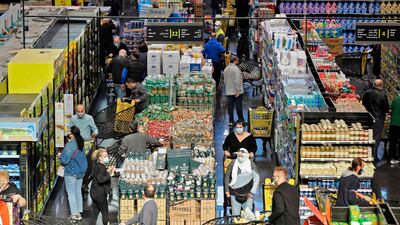
People shop at a supermarket in Beirut as they stock up on provisions two days before a total lockdown due to the spread of the Covid-19 pandemic on January 12, 2021. AFP -
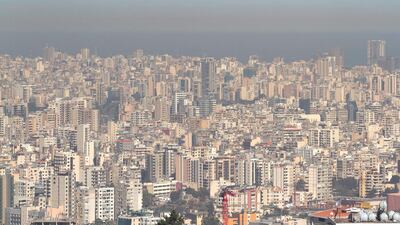
Beirut's skyline shrouded in smog. File photo / Getty Images -

The scene of the August 4 explosion that hit the seaport of Beirut, Lebanon. AP Photo -
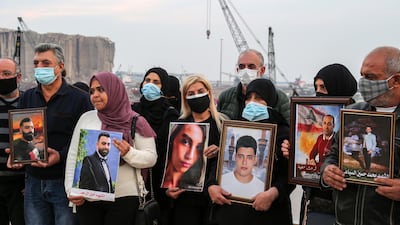
Relatives of victims of the 4 August Beirut port explosion pose with portraits of the deceased relatives, during a protest in Beirut, Lebanon, January 4, 2021. EPA -
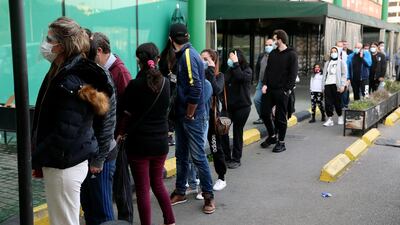
A queue to enter a supermarket, in Beirut, Lebanon, on January 11, 2021. Panic buyers swarmed to grocery shops after reports the government planned to close them as part of the tightened lockdown. AP


Indeed, the Internal Security Forces recorded 13,167 breaches of safety measures on Wednesday, on the eve of stricter rules – all despite warnings of the unfolding crisis.
"The lockdown is late. I want to pray to the Lebanese people. I don't feel the lockdown is the solution to reduce it," says Ms Ghobar.
"Stay in the house. From all our hearts. Please help us. We're so tired. Psychologically, physically, we're very tired.
“The psychological approach of people is more important than the government.”
As for those who might be tempted to break the stringent lockdown, Mr Al Khazim has one message.
“I wish they would spend one shift, or half a shift, in intensive care – then they can see the damage of their actions,” he said.
“Covid-19 doesn’t discriminate, as they say, it cannot differentiate between the young, the elderly or children”.
But despite the frustration and emotions, there are slivers of hope.
A woman wakes up after 10 days on a ventilator.
Delirious from the anaesthetic, she musters a smile, and waves to a line of nurses through the glass of her bay.
She is expected to be released from the ICU today. She is one of the 20 per cent.

