
Saudi Crown Prince Mohammed bin Salman has warned that crude prices could rise to "unimaginably high numbers" if the world does not come together to deter Iran.
But Prince Mohammed said he would prefer a political solution to the crisis, rather than a military one.
"If the world does not take a strong and firm action to deter Iran, we will see further escalations that will threaten world interests," the Saudi royal told the CBS programme 60 Minutes in an interview broadcast on Sunday evening.
Prince Mohammed said he agreed with US Secretary of State Mike Pompeo that the September 14 attacks on the kingdom's oil facilities were an act of war by Iran.
European powers have also blamed the attacks on Iran, but Tehran has denied any involvement.
"There is no strategic goal,” Prince Mohammed said of the attack. “Only a fool would attack 5 per cent of global supplies. The only strategic goal is to prove that they are stupid and that is what they did.”
He said a peaceful resolution "is much better than the military one".
Prince Mohammed said that a war between Saudi Arabia and Tehran would cause the global economy to collapse.
____________
Aftermath of Saudi Aramco attacks - in pictures
-
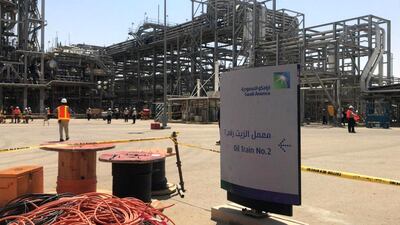
Workers are seen at the damaged site of Saudi Aramco oil facility in Khurais. Reuters -
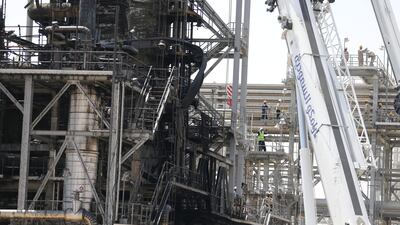
Workers are seen at the damaged site of Saudi Aramco oil facility in Khurais. Reuters -
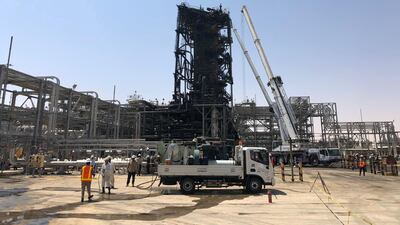
Workers are seen at the damaged site of Saudi Aramco oil facility in Khurais. Reuters -
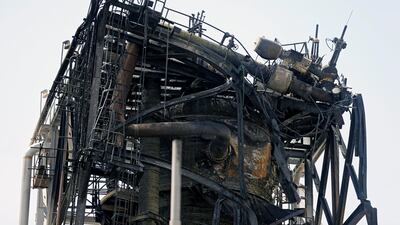
A view of the damaged site of Saudi Aramco oil facility in Khurais. Reuters -
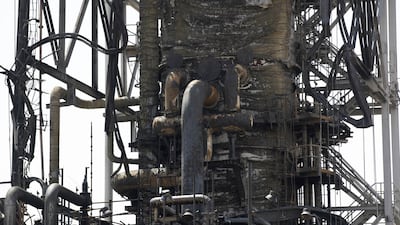
Charred pipework sits on a processing unit at Saudi Aramco's Khurais oil field plant. Bloomberg -
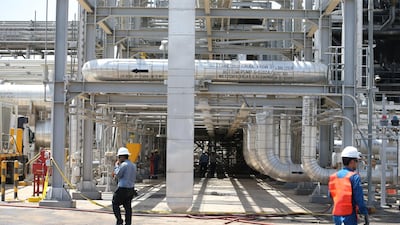
Workers are seen at the damaged site of Saudi Aramco oil facility in Khurais. Reuters -
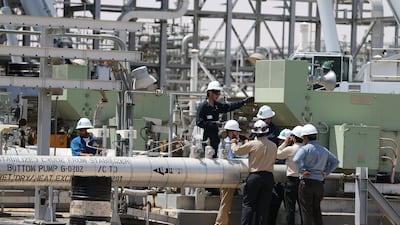
Workers are seen at the damaged site of Saudi Aramco oil facility in Khurais. Reuters -
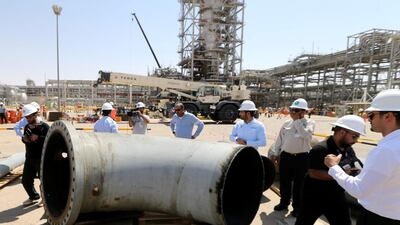
A damaged pipeline is seen at Saudi Aramco oil facility in Khurais. Reuters -
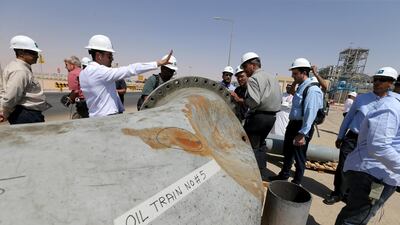
A damaged pipeline is seen at Saudi Aramco oil facility in Khurais. Reuters -
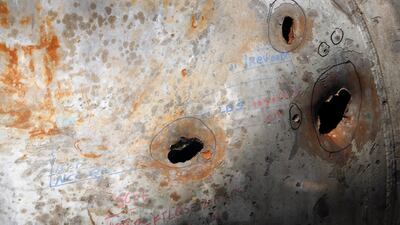
Holes caused by fragments of a missile are seen in a damaged pipe in the Aramco's Khurais oil field. AP Photo -
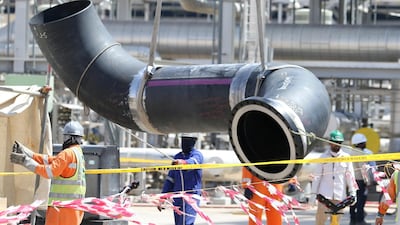
Workers fix a new section pipeline in Khurais. Reuters -
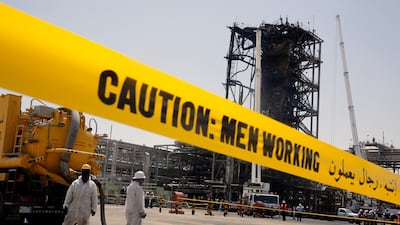
Workers at Aramco's oil processing facility in Khurais, near Dammam. AP Photo -
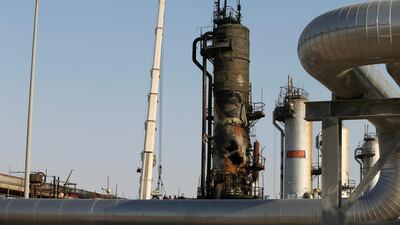
View of the damaged site of Saudi Aramco oil facility in Abqaiq. Reuters -

View of the damaged site of Saudi Aramco oil facility in Abqaiq. Reuters -
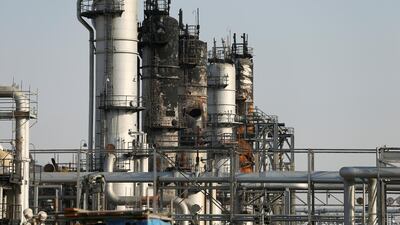
View of the damaged site of Saudi Aramco oil facility in Abqaiq. Reuters -
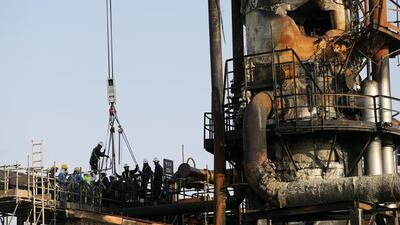
Workers are seen at the damaged site of Saudi Aramco oil facility in Abqaiq. Reuters -
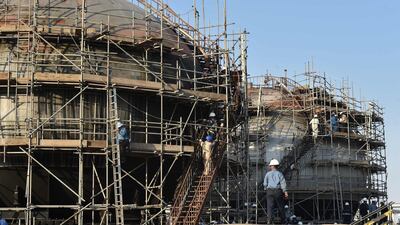
Employees work in Abqaiq oil processing plant. AFP -
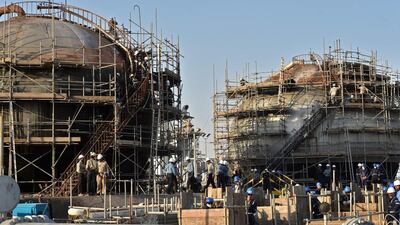
Employees work in Abqaiq oil processing plant. AFP -
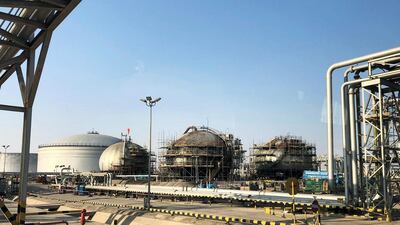
A general view of the damaged site of Saudi Aramco oil facility in Abqaiq. Reuters


Iran responded on Monday, saying that the attack on major Saudi oil sites this month was an act of “legitimate defence” by Yemen’s Iran-backed Houthi rebels.
Iran has warned that any retaliatory attack against it will result in “all-out war".
Prince Mohammed also urged US President Donald Trump to meet Iranian leader Hassan Rouhani and draft a new deal on Tehran's nuclear and missile programmes, and its behaviour across the Middle East.
He repeated calls for Tehran to stop backing militants in Yemen's civil war, which has raged since 2015.
“First, if Iran stops its support of the Houthi militia, the political solution will be much easier,” Prince Mohammed said. “Today we open all initiatives for a political solution in Yemen.”
With the one-year anniversary of journalist Jamal Khashoggi's death in a Saudi consulate in Turkey on October 2, Prince Mohammed firmly denied having played any part.
"Absolutely not," he said. “As a leader I must take responsibility. It’s a heinous crime that took place in a Saudi consulate.”
On Sunday, Iranian media reported that Saudi Arabia sent messages to Iran's President through the leaders of other countries.
"Messages from the Saudis were presented to Hassan Rouhani from the leaders of some countries," Iranian government spokesman Ali Rabiei told the semi-official Ilna news agency.
"If Saudi Arabia is really pursuing a change of behaviour, Iran welcomes that."
Mr Rabiei did not give any details of the messages, but said the country was ready for dialogue with Saudi Arabia if the war in Yemen were to come to an end.

