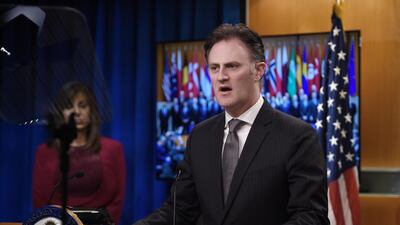

Hezbollah has smuggled explosives, including ammonium nitrate, to Europe where it has a network of stores, a senior US State Department official disclosed on Thursday evening.
The stores, established by the Iran-backed group across Europe since 2012, included ammonium nitrate – the same chemical that caused the devastating August 4 explosion in Beirut, which killed at least 190 and wounded more than 6,500.
“Today the US government is unveiling new information about Hezbollah’s presence in Europe,” said Nathan Sales, co-ordinator for counter-terrorism in the US State Department.
“Since 2012, Hezbollah has established caches of ammonium nitrate throughout Europe by transporting first aid kits that contain the substance.
"Today, I can reveal that such caches have been moved through Belgium to France, Greece, Italy, Spain and Switzerland.”
Ammonium nitrate is commonly used in industry and agriculture as a fertiliser and a low-grade explosive.
But in large quantities, such as in the Beirut port explosion, it can cause devastation.
The 2,750 tonnes of ammonium nitrate caused what was believed to be the world's strongest non-nuclear blast.
“I can also reveal that significant ammonium nitrate caches have been discovered or destroyed in France, Greece and Italy," Mr Sales said.
"We have reasons to believe that this activity is still under way.
“As of 2018, ammonium nitrate caches were still suspected throughout Europe, possibly in Greece, Italy and Spain."
The US senior official did not reveal how the information was obtained but appeared confident that Hezbollah has stored this material across Europe and even the United Kingdom.
"We know that Hezbollah has stored massive amounts of ammonium nitrate across Europe...according to the information I revealed today, those sorts of caches have been found in a number of countries, including the UK, Greece, France, Italy, and a number of others," he said. "The United States has called for a full, open, and transparent and thorough investigation of the explosion in Beirut, and we hope to see the results of that shortly."
He said Hezbollah stored the substance for any future terrorist attack.
“It stores these weapons in place so it can conduct major terrorist attacks whenever its masters in Tehran deem necessary,” Mr Sales said.
“It is not what you would expect from a political organisation but it’s exactly what you would expect from a terrorist organisation."
-
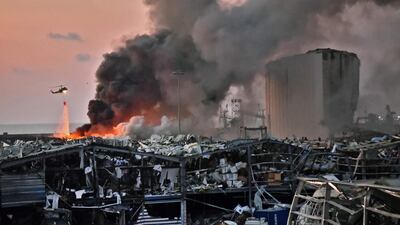
A helicopter puts out a fire at the scene of the explosion at the port of Lebanon's capital Beirut on August 4, 2020. AFP -
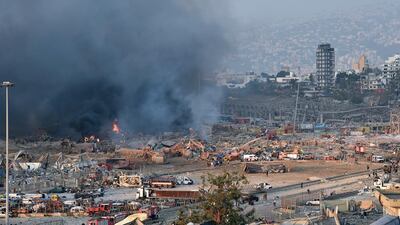
Smoke billows from an area of a large explosion that rocked the harbour area of Beirut, Lebanon. EPA -

The aftermath of blast in Beirut. Sunniva Rose / The National -
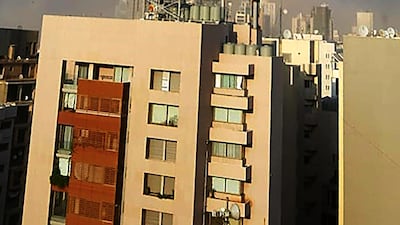
The scene of the explosion that rocked Beirut. AFP -
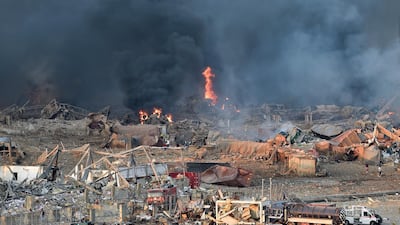
The harbour area with smoke billowing from an area of the explosion, Beirut, Lebanon. EPA -
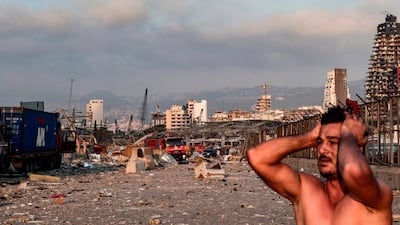
A man reacts at the scene of an explosion at the port in Lebanon's capital Beirut. AFP -
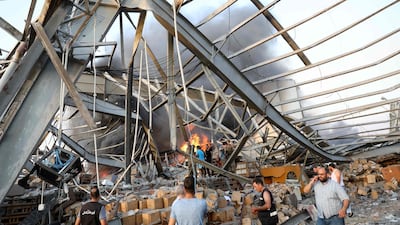
The scene of the explosion at the port in Beirut. AFP -
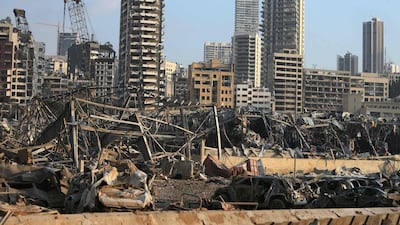
The scene of the explosion at the port in Beirut. AFP -

The scene of the explosion in Beirut. AFP -
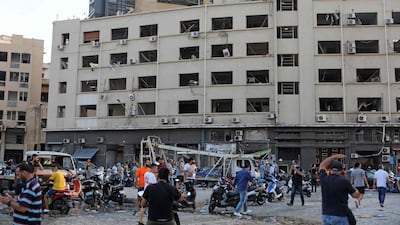
People gather near the scene of the explosion in Beirut. AFP -
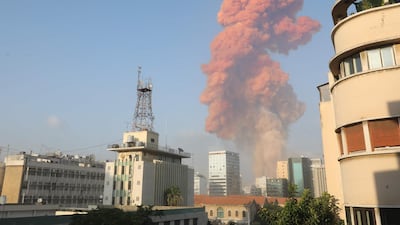
The scene of the blast in Beirut. AFP -
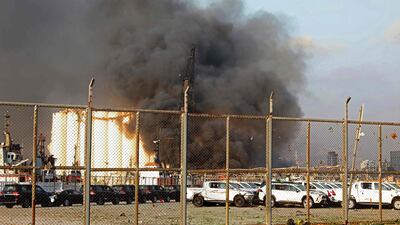
The scene of the explosion in Beirut. AFP -
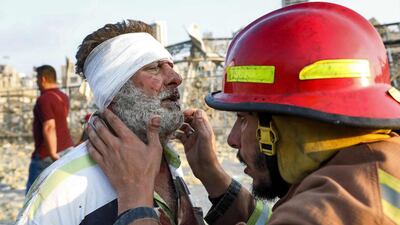
A wounded man is checked by a fireman near the scene of the explosion in Beirut. AFP -
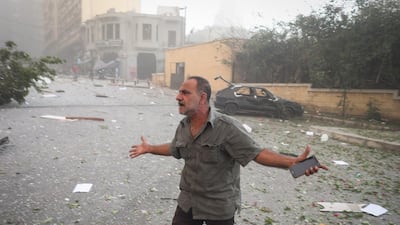
A resident stands in the street by a destroyed car, following the explosion near by at the port of Beirut. Bloomberg -
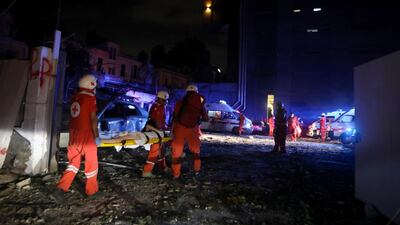
Lebanese Red Cross officers carry an injured woman following an explosion at the port of Beirut on August 4, 2020. AFP -
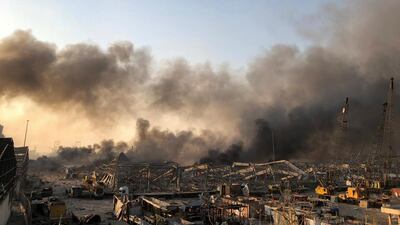
Smoke rises after the explosion was heard in Beirut. Reuters -
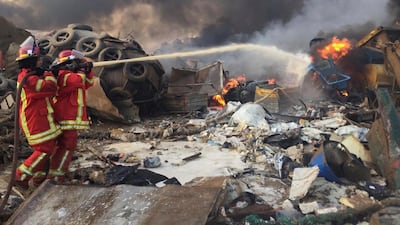
Firefighters spray water at a blaze after the explosion in Beirut. Reuters -
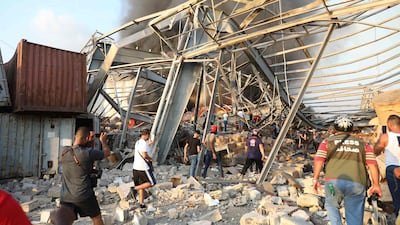
People walk at scene of the explosion in Beirut. AFP -

The blast at Beirut port. Twitter/ @borzou -

Army personnel around entrance to port. -

The aftermath of the blast in Beirut. Sunniva Rose / The National -

The aftermath of the blast in Beirut. Sunniva Rose / The National -
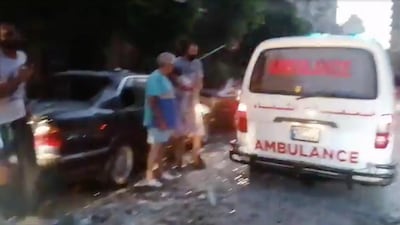
The aftermath of the blast in Beirut. Sunniva Rose / The National -
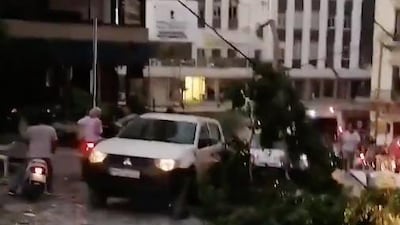
The aftermath of blast in Beirut. Sunniva Rose / The National -
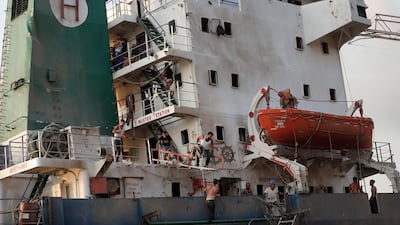
Sailors leave their damaged ship near the explosion in Beirut. AP Photo -
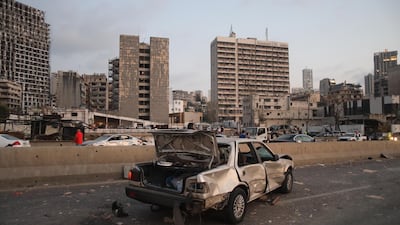
A vehicle stands damaged on a road following a large explosion at the port area of Beirut. Bloomberg -
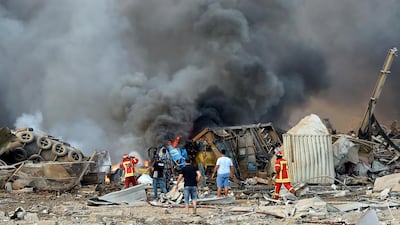
Firefighters try to extinguish flames after a large explosion rocked the harbour area of Beirut. EPA -
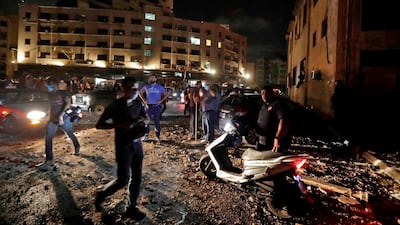
People and journalists gather at the scene of an explosion at the port of Lebanon's capital Beirut. AFP -

An injured man sits outside American University of Beirut medical centre on August 5, 2020. Reuters -
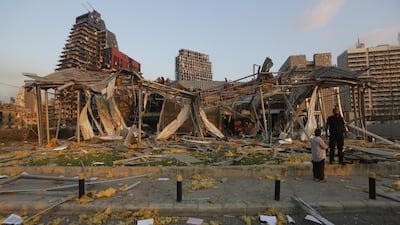
Men stand before wrecked buildings near the port. Getty Images -
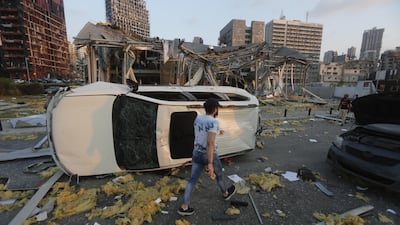
A man walks by an overturned car and destroyed buildings. Getty Images -
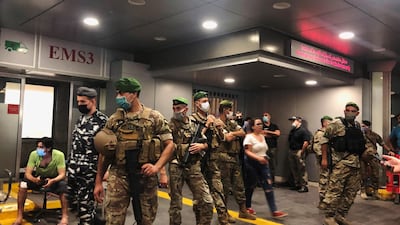
Lebanese soldiers stand outside American University of Beirut medical centre. Reuters -
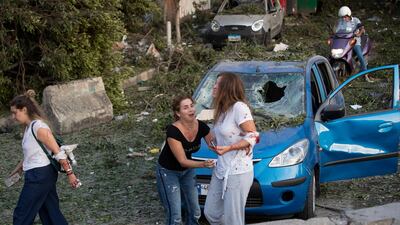
Injured people stand after the explosion. AP Photo -
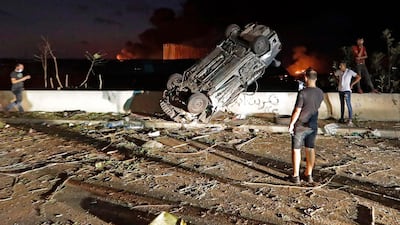
People gather by cars destroyed following an explosion at the port of Lebanon's capital Beirut. AFP -
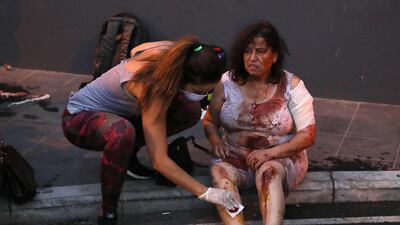
Wounded people wait to receive treatment outside a hospital following an explosion near the Beirut port. AFP


The US government has been urging European governments to end the distinction between Hezbollah’s political and military wings and designate the whole party as a terrorist group.
The UK, Germany, the Netherlands and Lithuania have already done so, while the EU and France still differentiate between the two.
"We continue to regard Hezbollah as a threat, not just to the United States but to our European allies as well," Mr Sales said.
"And that is why we renew our call for more countries to designate its entirety, and for the EU to expand its 2013 designation of the so-called military wing to reach the entire organisation."
Mr Sales said the August 4 explosion in Beirut was a horrific and vivid reminder of how lethal ammonium nitrate can be.
He urged the Lebanese government to carry out an impartial and transparent investigation into the port explosion.
Hezbollah, the Lebanese authorities and European governments have not commented on the US revelations.

