


The use of force to transfer Ukrainian children to Russia amounts to genocide, the Council of Europe said on Thursday, in a resolution adopted by its parliamentary assembly.
The parliament said “the documented evidence of this practice matches with the international definition of genocide” and the body called for the safe return of the children to Ukraine.
The resolution is an “important” decision that will help “hold Russia and its leaders to account”, Ukrainian President Volodymyr Zelenskyy said in an evening address.
The deportation of Ukrainian children is one element of “Russia's attempt to erase the identity of our people, to destroy the very essence of the Ukrainian people”, he said.
On March 17, the International Criminal Court issued an arrest warrant for Russian President Vladimir Putin, citing the “unlawful deportation” of children.
The Hague-based court also issued a warrant for Maria Lvova-Belova, Russia's presidential commissioner for children's rights.
Kyiv said in mid-April that more than 16,000 Ukrainian children had been “abducted” and taken to Russia since the start of the invasion on February 24 last year. It said many of them had been placed in care homes.
Ukraine and Russia conflict latest — in pictures
-
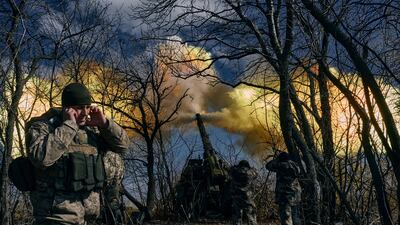
Ukrainian soldiers fire a howitzer towards Russian positions, near Bakhmut in Ukraine. AP -
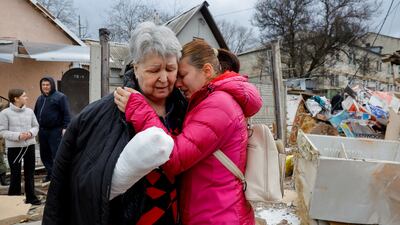
Resident Svetlana Boiko, 66, who was wounded in recent shelling, is comforted near her destroyed house in Donetsk. Reuters -
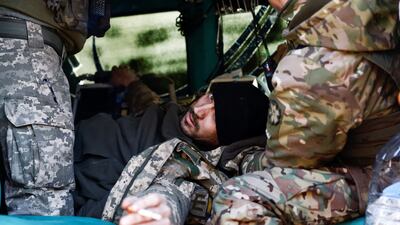
A wounded Ukrainian soldier is treated in a front-line stabilisation ambulance, near Kreminna. Reuters -
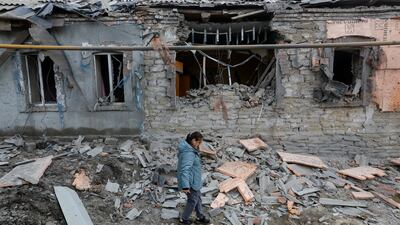
A house in Donetsk destroyed in recent shelling. Reuters -
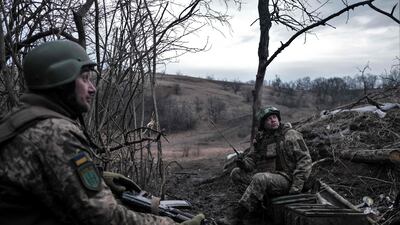
Ukrainian volunteer soldiers hold their positions at the front line near Bakhmut. AFP -
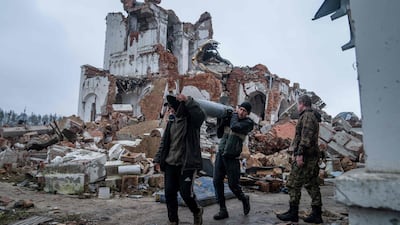
Volunteers carry the remains of a Uragan rocket as they clear the area around the Sviatohirsk Cave Monastery in Dolyna. AFP -
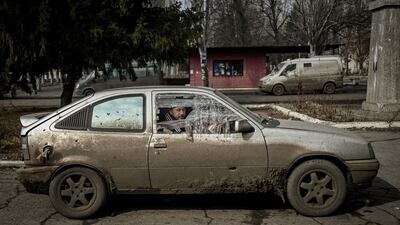
A man sits inside a damaged car in the village of Chasiv Yar. AFP -
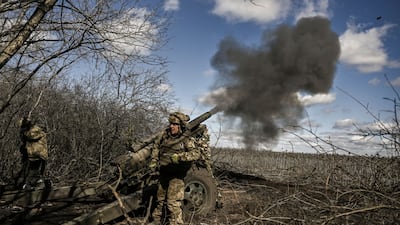
Ukrainian servicemen fire at Russian positions in the region of Donbas. AFP -
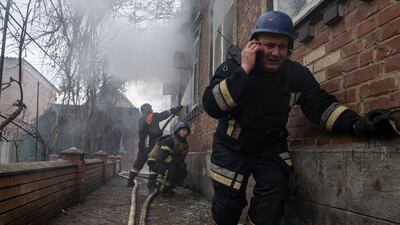
Rescue workers put out a fire in a house shelled by Russian forces in Kostiantynivka. AP -
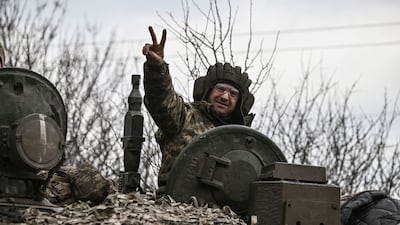
A Ukrainian serviceman moves towards the frontline city of Bakhmut. AFP -
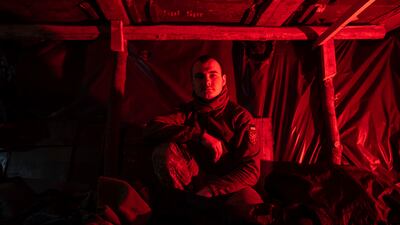
Vladyslav, a Ukrainian paratrooper of the 80 Air Assault brigade, rests in a dugout at the front line near Bakhmut. AP -
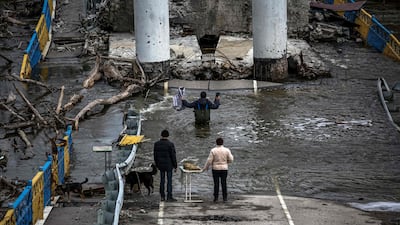
Residents of the village of Bohorodychne cross the Seversky Donets river to retrieve bread from the other bank. AFP


Thursday's resolution at the Council of Europe's parliament said there was “evidence that deported children had faced a process of 'Russification' through re-education in Russian language, culture and history”.
“These transfers of Ukrainian children were 'clearly being planned and organised in a systematic way' as state policy,” said the resolution, with the aim of “annihilating every link to and feature of their Ukrainian identity”.
The Parliamentary Assembly of the Council of Europe called on the UN and the Red Cross to be granted access so they could gather information on the children concerned.
The 1948 convention on genocide refers to the forcible transfer of children among its defining criteria.
Following its invasion of Ukraine, Russia was expelled from the Council of Europe.
The organisation, which comprises 46 member states, was set up to monitor and uphold human rights in Europe.

