


Heatwaves in India in 2021 cost the country $159 billion, or 5.4 per cent of its gross domestic product, a new report has found.
Climate Transparency Report on Thursday launched its annual study that found the South Asian nation suffered record temperatures, severely affecting productivity and the lives of workers, migrants, low-income households and the homeless.
The report is compiled by an international partnership of organisations and is a comprehensive annual review of G20 countries' climate action and their transition to a net zero emissions economy.
It also said that the heatwave had reduced the yields of wheat crops, further aggravating the supply shortages caused by the war in Ukraine.
“Exposure to higher temperatures and the resulting reduction of working hours has led to substantial income losses in services, manufacturing, agriculture, and construction,” the report said.
“The heat exposure led to the loss of 167 billion potential labour hours … this income loss has been estimated at 5.4 per cent of GDP,” it said.
The report further projected a decline of 5 per cent in labour productivity in the country if the global temperature increases by 1.5ºC.
India hit by cyclone - in pictures
-
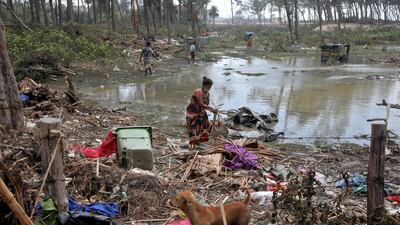
Residents of Purba Medinipur district in West Bengal salvage belongings after Cyclone Yaas struck. Reuters -
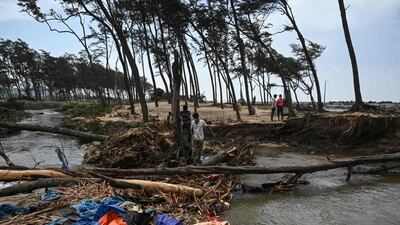
Storm debris after Cyclone Yaas hit India's east coast about 190km from Kolkata on May 27. AFP -
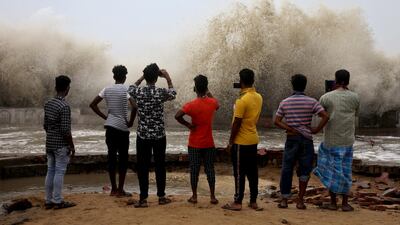
Storm waves from Cyclone Yaas break on a beach in West Bengal, India. Reuters -
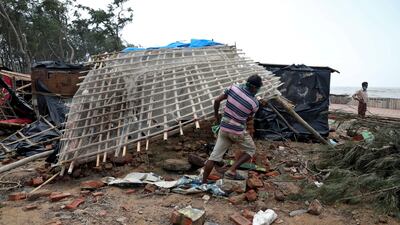
A man in West Bengal clears debris after Cyclone Yaas struck the area. Reuters -

Cyclone Yaas hit India's eastern coast in the Bay of Bengal in Digha, about 190km from Kolkata. AFP -
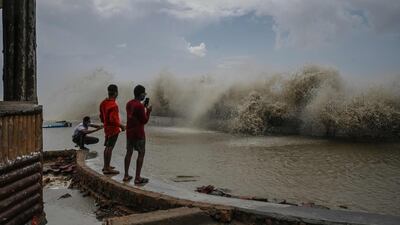
Waves caused by Cyclone Yaas lash the shore in Digha, about 190km from Kolkata. AFP -
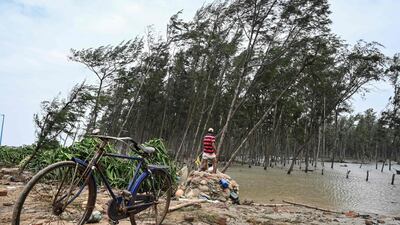
Residents collect debris from a damaged area near a beach after Cyclone Yaas hit India's east coast in the Bay of Bengal in Digha. AFP -
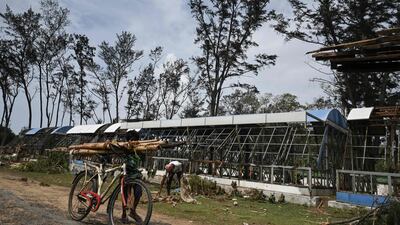
Residents collect debris from Cyclone Yaas. AFP


The nation of 1.3 billion has been witnessing extreme weather conditions and changes in climatic patterns.
The country endured one of the hottest years on record in 2021, with the temperature soaring to 46ºC in western Rajasthan state.
India also reeled under one of the warmest summers this year in almost 125 years.
Large parts of northern, western and central parts of the country experienced hot weather spells in March and April — the spring season ― as the mercury breached the average monthly temperature by several notches.
Capital Delhi recorded the hottest day in April in 12 years with a record of 43.5ºC.
The report said that 142 million people, about 10 per cent of the population, may be exposed to summer heatwaves should global warming exceed 1.5ºC.
Animals in danger of extinction owing to climate change - in pictures
-

Some of the planet’s most stunning creatures, including giraffes and parrots, are at risk from global warming and other human-induced environmental change, the UN has warned. Photo: AFP -
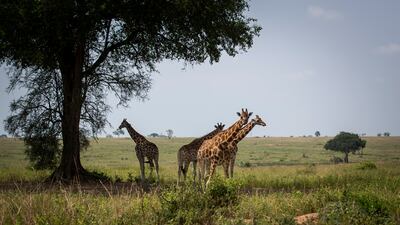
Giraffes stand by the shade of a tree in Murchison Falls National Park, Uganda. Photo: AP -

Some analysts have concluded that the likes of toucans, puffins and hummingbirds may face particularly uncertain futures. Photo: EPA -

A hummingbird flies at a garden in Caracas, the capital of Venezuela. Photo: AFP -

Wildfires in southern France. Tree species are facing several threats including an increase in the frequency of wildfires due to climate change and deforestation because of industry, agriculture and firewood. Photo: AFP


A heatwave is a weather condition when the maximum temperature exceeds 40ºC and is at least 4.5ºC above normal seasonal temperatures.
At least 6,500 people have been killed in the world’s second-most populous nation since 2010 because of intense heat ― at least 2,000 of them were killed in 2015.
Weather experts attribute the record heatwaves to the absence this summer of periodic light rainfall, a result of climate change. But the country then suffered abnormal cyclonic and rainfall activities triggering floods, landslides and rain-related damages.
The report said that extreme events such as cyclones, flash floods, floods, and landslides caused damage to crops affecting more than 36 million hectares, a $3.75 billion loss for farmers in the country between 2016 and 2021.
The annual damage from river flooding is expected to increase by about 49 per cent with warming at 1.5ºC.
The report projects a decline in snowfall in the country of 13 per cent with warming at 1.5ºCs.

