

Follow the latest news from the Sudan crisis here
Sudanese people are increasingly fearing food and water shortages after a conflict between military factions entered the fourth day on Tuesday, humanitarian agencies said, as they called for better access to help civilians.
Fighting since Saturday has plunged the Sudanese capital of Khartoum and other areas of the country into chaos as two military generals — allies-turned-enemies — battle to take control of the country.
Millions of Sudanese have hidden in their homes, fearing the crossfire.
Sudan’s Ministry of Health Emergency Operations Centre reported 270 deaths and more than 2,600 injuries.
“It's a terrible picture, and we don't know what it will look like in the coming days,” Germain Mwehu, representative of the International Committee of the Red Cross in Sudan, told The National.
“The building where I reside I see children crying, mothers desperate because they don’t know what they can do any more. People cannot move as its dangerous and it seems like they are running out of food.”
Mr Mwehu said he cannot leave his residence just like thousands of other Sudanese in Khartoum, so humanitarian officials cannot help civilians who are in need of medical attention.
“We are facing challenges, we don't have electricity so we depend on generators so we face the same difficulties as those living across the capital,” Mr Mwehu said.
“The ICRC today has called on all sides to stick to the basics of humanitarian law — meaning to protect civilians during armed conflict.”
Authorities must be able to “facilitate the work of humanitarian groups, to allow ambulances and health workers and those working for water and electricity sectors to move in the city,” Mr Mwehu said.
-
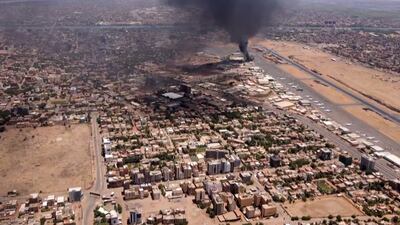
Smoke billows above Khartoum's international airport amid fighting between the forces of two rival generals in Sudan. AFP -
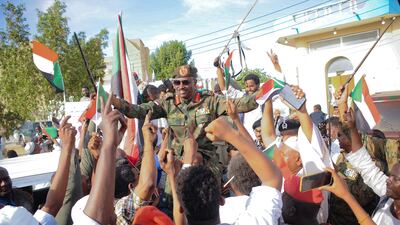
People carry Othman Mohamed, a senior military officer loyal to army chief Gen Abdel Fattah Al Burhan, in the Red Sea city of Port Sudan. AFP -
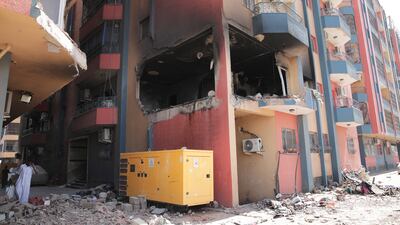
Residential buildings damaged in the fighting in Khartoum, Sudan. AP Photo -
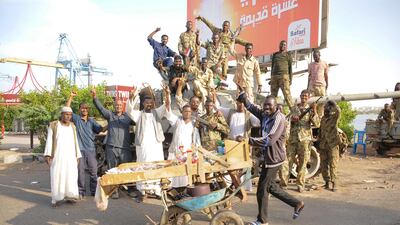
People cheer with Sudanese army soldiers manning a position in the Red Sea city of Port Sudan. AFP -
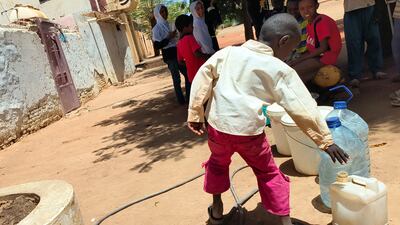
People queue for water in Khartoum. The fighting has resulted in food and water shortages. Reuters -
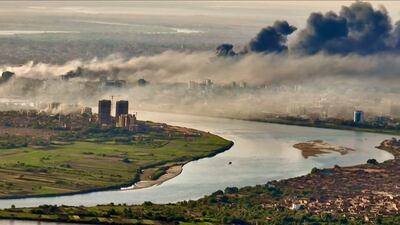
Black smoke covering the sky above the capital, Khartoum. AFP -

Vehicles destroyed during fighting in southern Khartoum. AFP -

People head for the station to flee Khartoum during clashes between the paramilitary Rapid Support Forces and the army. Reuters -
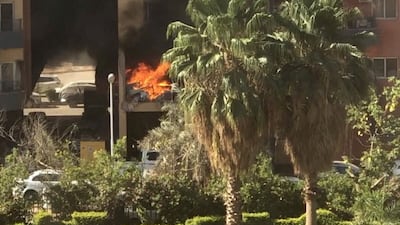
Smoke and fire rise from an apartment building, after a shell hit the complex in Khartoum. Reuters -
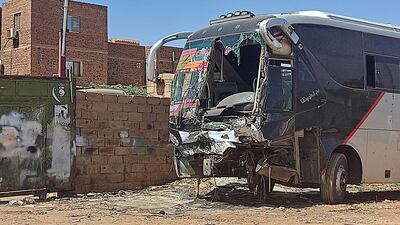
Heavy fighting has broken out across the country. AFP -
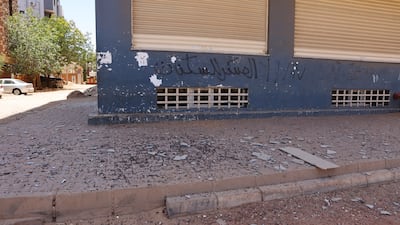
A building damaged by the fighting. EPA -
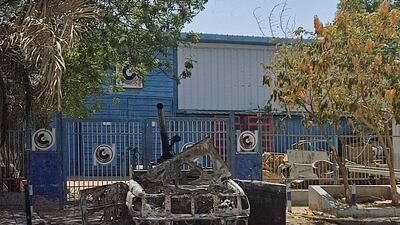
A destroyed vehicle of the paramilitary Rapid Support Forces in southern Khartoum. AFP -
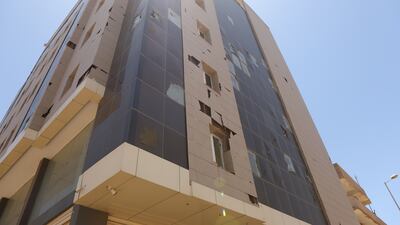
A building damaged by the fighting. EPA -
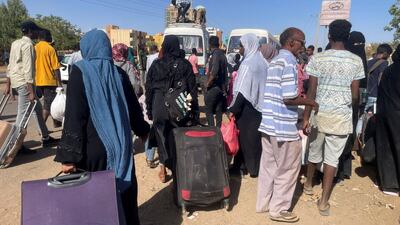
People gather at a bus station to escape Khartoum. Reuters -
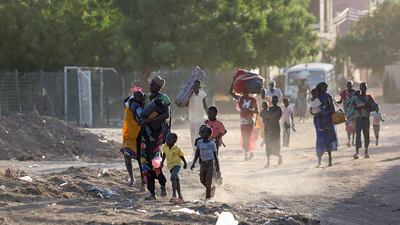
People leave their homes amid the fighting. AFP -

People look for drinking water in Khartoum, Sudan. Faiz Abubakr for The National -

A building burns at Merowe Airport in Sudan. AFP -

A man holds two bullets that hit his home. Faiz Abubakr for The National -
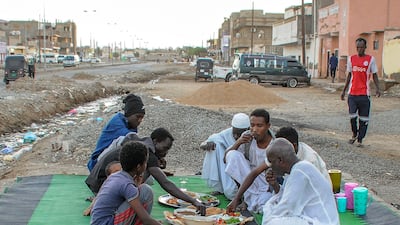
People gather for a meal to break their fast during Ramadan in Port Sudan. AFP -
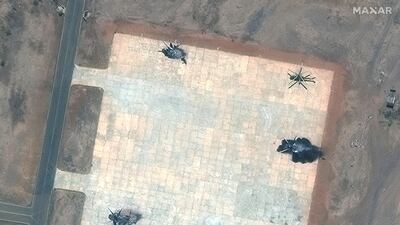
Satellite image shows a close-up view of destroyed helicopters in South Khartoum. Reuters -
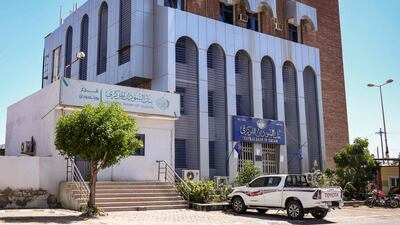
The Port Sudan branch of the Central Bank of Sudan. AFP -
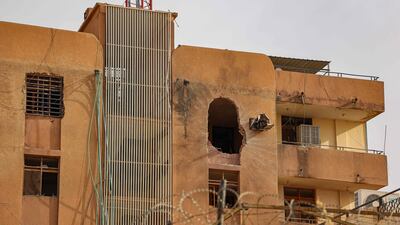
A hole from an explosion on the side of a building in Khartoum, after fighting between the Sudanese army and paramilitary forces led by rival generals. AFP -
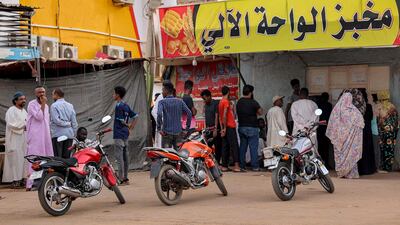
People queue for bread outside a bakery amid a food crisis in Khartoum. AFP -

Smoke rises above Khartoum. Faiz Abubakr / The National -

Fearful families try to shelter from the fighting in houses in Khartoum. Faiz Abubakr / The National -
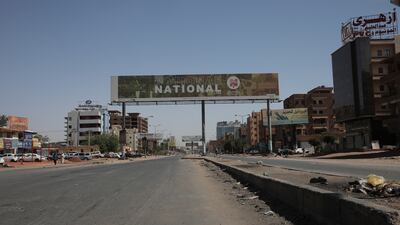
A deserted avenue in Khartoum as residents fear to go out due to intense fighting. AP -
A Sudanese army tank in a street in the Red Sea city of Port Sudan. AFP -
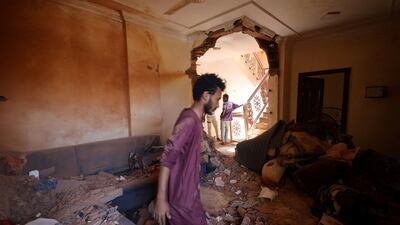
Houses have been severely damanged during clashes between the paramilitary Rapid Support Forces and the army. Reuters -
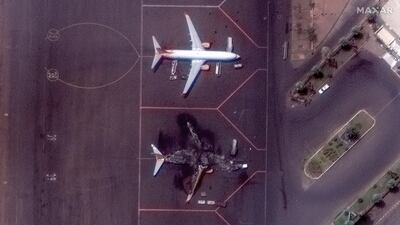
Satellite images show a destroyed Ukrainian plane at Khartoum International Airport. Reuters -
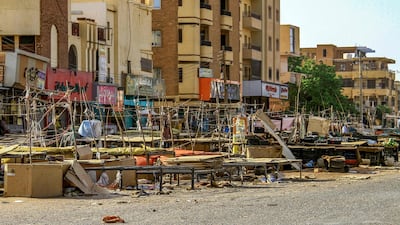
Market stalls abandoned in south Khartoum as fighting in the Sudanese capital rages for a third day. AFP -
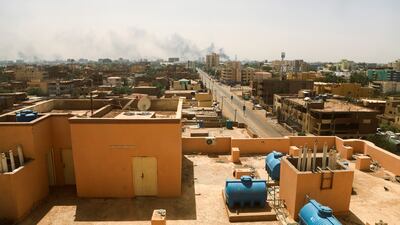
Smoke rises over buildings during clashes. Reuters -
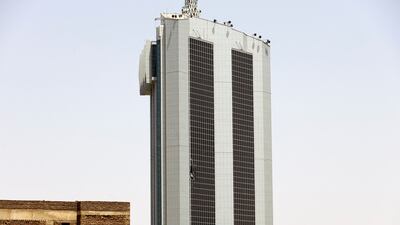
Damage at the Communications Authority Building. Reuters -
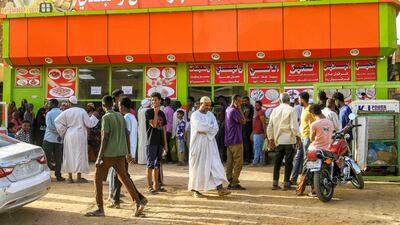
People queue for bread outside a bakery amid a food crisis. AFP -

Destroyed fuel trucks at a depot in Khartoum. Reuters -
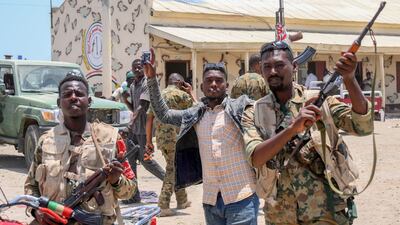
Sudanese army soldiers, loyal to Gen Abdel Fattah Al Burhan, at the Rapid Support Forces (RSF) base in the Red Sea city of Port Sudan. AFP -
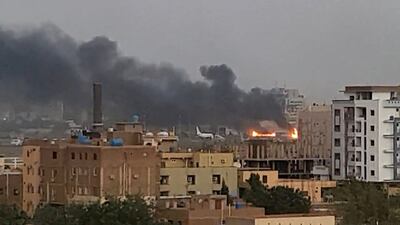
Smoke rises from a fire on the tarmac of Khartoum International Airport in Sudan as fighting between the government and the paramilitary Rapid Support Forces continues. Reuters -
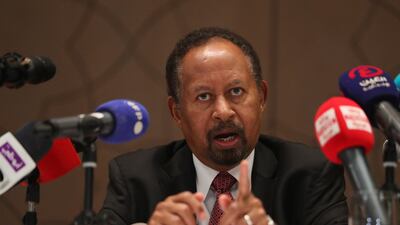
Abdalla Hamdok, former prime minister of Sudan, addresses the current crisis and violence on the streets of his homeland at a news conference in Abu Dhabi. Reuters -

Burning planes at Khartoum International Airport. EPA -
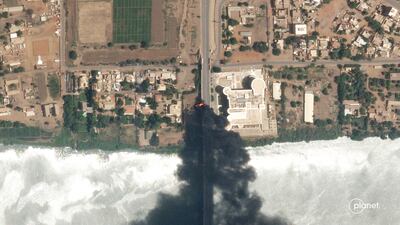
Damage and a fire on the Kobar Bridge in Khartoum. AFP -
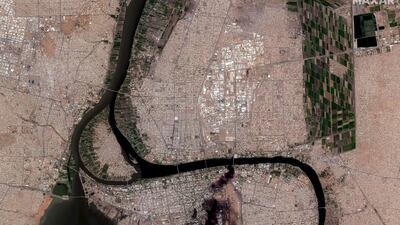
Heavy smoke billows above Khartoum International Airport. AFP -
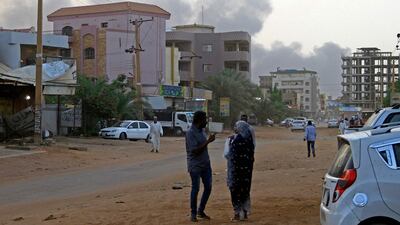
Smoke billows above residential buildings in Khartoum, as fighting in Sudan raged for a second day. AFP -
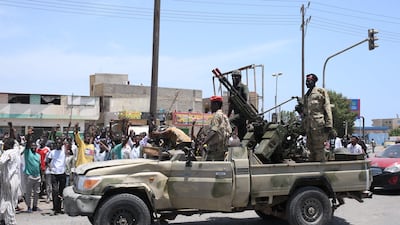
A military vehicle patrols the streets as the fighting continues. AFP -
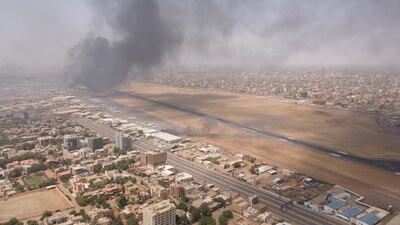
Smoke rises over the city. Reuters -
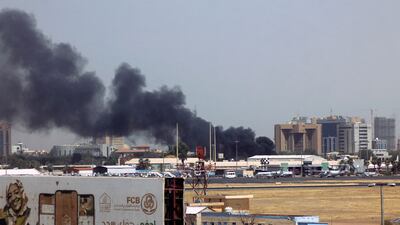
Thick smoke rises above buildings near the airport amid clashes between the army and the paramilitary Rapid Support Forces. AFP -

Explosions rock the Sudanese capital as paramilitary fighters and the regular army attack each other's bases. AFP -
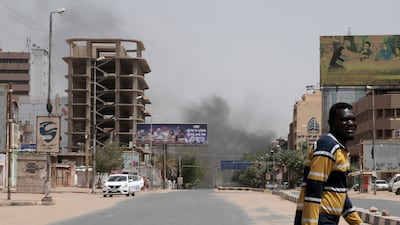
The fighting has raised fears of a wider conflict in the country. AP -
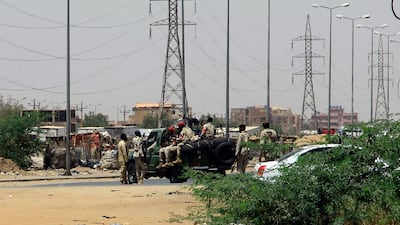
Government soldiers stationed on a key road in Khartoum. AFP -
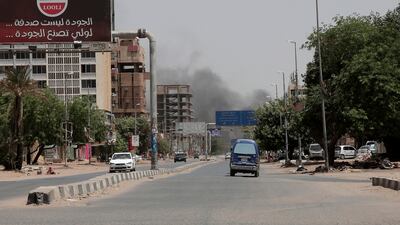
The fighting comes days after the army warned the country was at a 'dangerous' turning point. AP -
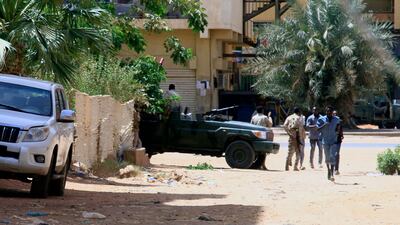
People walk past a military vehicle in Khartoum. AFP


If they cannot move, there will be severe consequences on the distribution of water across the city, he added.
Nine hospitals in Khartoum have been closed after shelling or attacks by soldiers, according to the Sudanese Doctors’ Union Preliminary Committee.
Those that remain open face shortages of water and electricity, as well as medicines, including pain relief drugs.
“The responsibility and obligation is on those fighting, we just remind and call on them to abide by their obligation so that the civilians can be protected and spared during the conflict,” Mr Mwehu said.
“It’s becoming more difficult for people.”
People are attempting to leave the country through airports but find them closed or flights are cancelled.
“I got a call from a student in Khartoum University, she is a very sick lady. She's disabled and is asking for help from the Red Cross to take her from the university to her home but unfortunately we cannot do anything,” Mr Mwehu said.
For several days, smoke could be seen rising above Khartoum International Airport as fighting in the capital between the paramilitary Rapid Support Forces and the country's armed forces increased.
Fires could be seen on the airport's tarmac, possibly complicating attempts by mediators to land in Khartoum and the delivery of humanitarian supplies.
“I stay in an area which is walking distance from the airport and the thing is Khartoum airport is located almost within the city, when there is fighting affecting the airport it affects everyone” Mr Mwehu said.
“And the fighting is going on right now in the area while I'm on the phone to you.”
The ICRC's call echoed those of other aid groups urging both sides to end the violence.
Care International said that it is deeply concerned about the safety and well-being of Sudanese communities, especially women and girls.
“Women and girls are disproportionately affected by violence especially when they are forced to flee from their homes and communities. This leaves them vulnerable to further harm,” Kate Maina-Vorley, Care International regional director for East, and Central Africa, said in a statement.
“Sudan is currently facing a humanitarian crisis with more than 15 million people in need of assistance,” Ms Maina-Vorley.
“We call on all parties to ensure that all civilians, especially women, and girls, are protected from all forms of violence and exploitation,” she said.
The calls were reiterated by the World Health Organisation, who urged authorities to provide access to medical facilities to all those requiring care.
“I want to be very clear: All parties must ensure unrestricted and safe access to health facilities for those injured and everyone in need of medical care,” WHO director-general Tedros Adhanom Ghebreyesus said.
Dr Tedros said that medical supplies and personnel in the capital are running low.

