


The Taliban warned on Tuesday that UN-led closed-door talks on Afghanistan in Qatar could be “counterproductive”, after they were excluded from the event.
UN Secretary General Antonio Guterres began the second day of meetings with special envoys from 25 countries for a “frank and constructive” exchange of views on Afghanistan.
The Taliban were not invited.
“Any meeting without the participation of IEA [Islamic Emirate of Afghanistan] representatives — the main party to the issue — is unproductive and even sometimes counterproductive,” said Suhail Shaheen, head of the Taliban political office in Doha.
“How can a decision taken at such meetings be acceptable or implemented while we are not part of the process? It is discriminatory and unjustified.”
Mr Guterres told reporters that the meeting was about developing a common international approach, “not about recognition of the de facto Taliban authorities”.
He did not rule out any future meetings with the Taliban but said “today is not the right moment to do so”.
Concerns over the country's stability were growing and participants had agreed on the need for a strategy of engagement that allows for the stabilisation of Afghanistan, he said.
“To achieve our objectives, we cannot disengage,” Mr Guterres said.
Threatening or further isolating the Taliban is not a pragmatic approach for countries seeking to alleviate Afghanistan's humanitarian crisis or to ease restrictions on women and girls, said Hina Rabbani Khar, Pakistan's Minister of State for Foreign Affairs, who attended the meeting.
Daniel Forti, senior analyst with the Crisis Group, told The National that the Doha meeting has “managed to offend not only the Taliban, which is angry that it is excluded, but also Afghan civilians inside and outside the country, who think their views are being ignored by the UN”.
UN officials and Security Council members have agreed that it is better for elements of the world body to stay in the country than for them to leave, said Mr Forti.
“One important outcome from Doha would be if everyone communicates this to the Taliban in no uncertain terms,” he said.
Mr Guterres confirmed the UN would stay in Afghanistan to deliver humanitarian aid, but warned of a severe shortfall in financial pledges for the humanitarian appeal this year.
“Throughout the past decades, we stayed and we delivered. And we are determined to seek the necessary conditions to keep delivering,” he said.
The appeal is a little more than 6 per cent funded, falling short of the $4.6 billion requested for a country in which 97 per cent of the population lives in poverty.
“Two thirds of the population — 28 million — will need humanitarian assistance this year to survive. Six million Afghan children, women and men are one step away from famine-like conditions,” he said.
UN spokesman Farhan Haq said on Tuesday that the people of Afghanistan “cannot afford to not have the full support of the international community”.
“We have to find a way where despite all of the many concerns about the de facto authorities, we make sure that the people of Afghanistan do not suffer as a result of what's happened over the past few years,” he said.
Women describe their experiences since the Taliban took over — in pictures
-
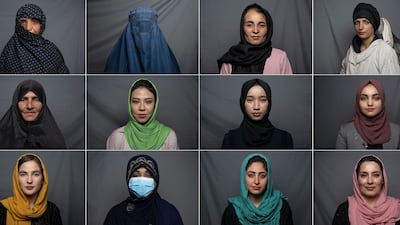
This combination of photos shows women posing for portraits in different cities in Afghanistan. Since their takeover two years ago, the Taliban have squeezed Afghan women out of public life, imposing suffocating restrictions on where they can work, how they can travel and what they can wear. All photos by AFP -
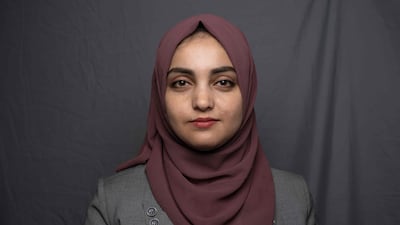
TOLOnews TV anchor Tahmina Usmani, 23, is one of a handful of female journalists who have been able to continue working in the sector. 'I was able to join TOLOnews and be the voice for women in Afghanistan, which makes me feel great,' she says. -
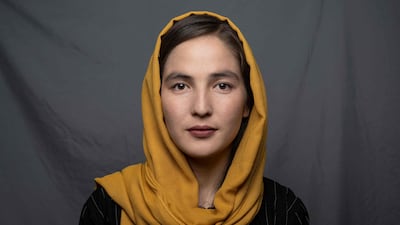
TV journalist and university student Farkhunda Muhibi, 21. Muhibi is one of a small number of female journalists who have been able to continue working under the Taliban regime. -
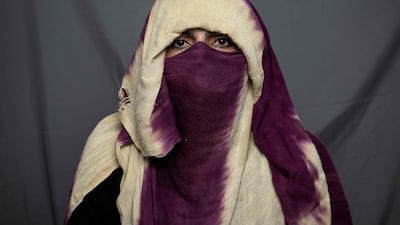
Baker Shapari, 40, poses for a portrait in Kandahar. 'During these hard times, it is my job that has made me happy,' she says. 'My husband is jobless, and staying at home. I am able to find food for my children.' -
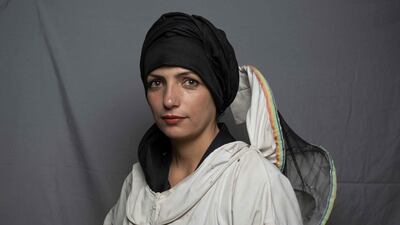
Businesswoman and beekeeper Ghuncha Gul Karimi, 35, poses for a portrait in Herat. Karimi expanded her beekeeping business to produce honey for sale after her husband left the country. 'I've taken up two extra jobs and bought a motorcycle to drive myself from the honey farm and back,' she says. 'I am determined to become the queen of honey bees.' -
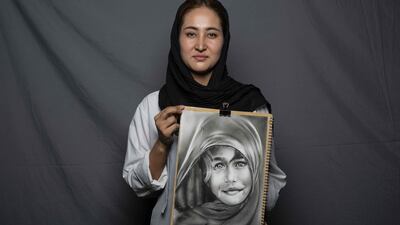
Artist and art teacher Manezha Sultani, 24, poses for a portrait in Herat. 'Before the Taliban took over, I had no fear - I used to attend exhibitions, go to events and see everything I desired. But when the takeover happened, I was afraid of how it would impact my job and my rights,' she says. 'I have not had any good experiences since the Taliban took over.' -
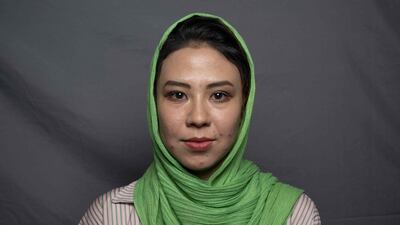
Mathematics and robotics teacher Sumaya Sultani, 27, poses for a portrait in Herat. 'Before the collapse, I participated in international technology events, and I used to work late nights on various projects and coach the Afghan girls’ robotics team. But after the Taliban takeover, everything we worked for and achieved turned to dust.' -
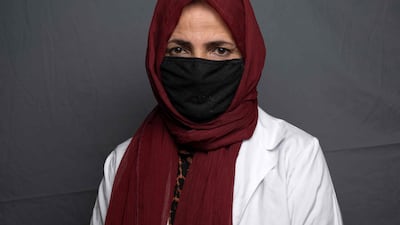
Doctor and mental health counsellor Mursal, 35, poses for a portrait at an undisclosed location in Afghanistan. Since their takeover a year ago, the Taliban have squeezed Afghan women out of public life, imposing suffocating restrictions on where they can work, how they can travel and what they can wear. -
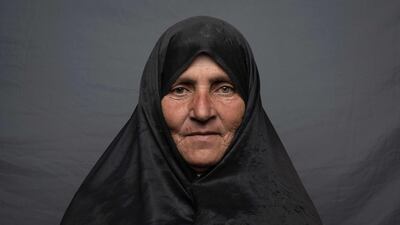
Silk weaver Maryam Osmani, 50, poses for a portrait in Herat. -
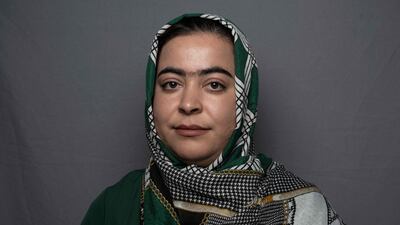
Afghanistan Women’s Chamber of Commerce and Industry director Nargis Hashimi, 27, poses for a portrait in Herat. -
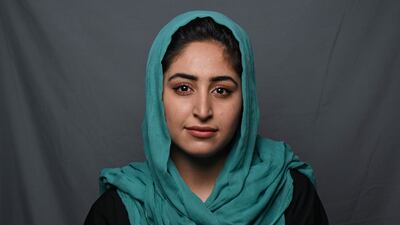
Radio journalist and artist Rozina Sherzad, 19, poses for a portrait in Kandahar. -
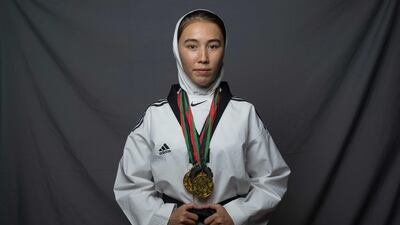
Taekwondo athlete Zarghunna Noori, 23, poses for a portrait in Herat. -
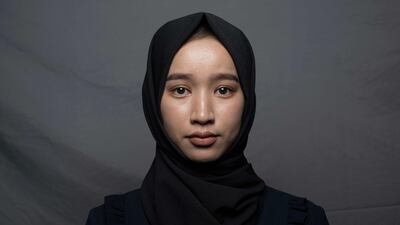
Student Mahtab Jamshidi, 17, poses for a portrait in Herat. -
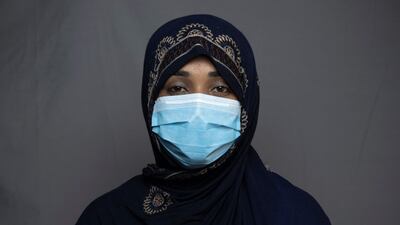
Seamstress Rozia Khpalwak, 23, poses for a portrait in Kandahar. -
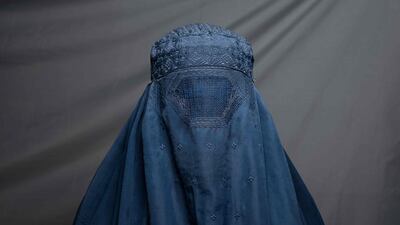
Shampoo factory worker Robina, 40, poses for a portrait in Kandahar. There is hardly a woman in the country who has not lost a male relative in successive wars, while many of their husbands, fathers, sons and brothers have also lost their jobs or seen their income shattered as a result of a deepening economic crisis. -
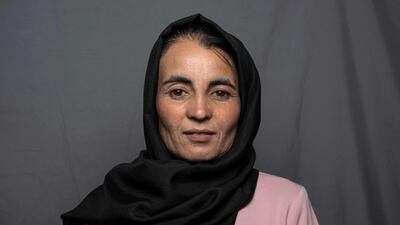
The deputy director of the women’s bazaar in Herat, Freshta Ishaqzai, 32. -
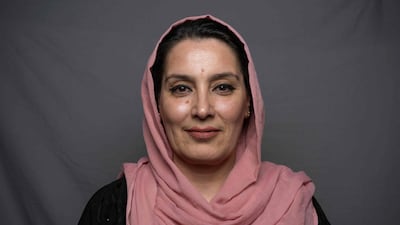
Shaima Wafa, 40, a cultural affairs reporter for an Iranian media outlet, poses for a portrait in Herat. -
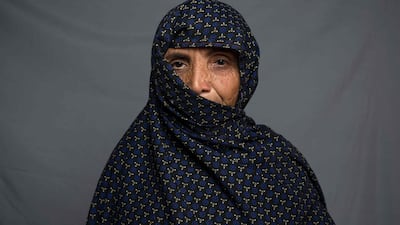
Knitter and garment maker Gul Guti, 55, poses for a portrait in Kandahar.



