


As the world emerges from the Covid-19 pandemic, there are fears of a global downturn, and possible recession, making humanitarian crises even more acute.
With the Ukraine war entering its tenth month, resources for other crises are becoming limited as they are diverted there.
In an exclusive interview with The National, President and CEO of the International Rescue Committee David Miliband warned that “conflict, climate and the economic consequences of Covid feed off each other in this vicious circle”.
Mr Miliband says there are three important numbers to keep in mind.
The first is 54 – the number of civil wars or conflicts going on around the world.
Those conflicts lead to the second number, and that is “100 million, the number of people displaced from their homes by conflict and disaster because of a conflict and climate mix”. Fifty-five million people are displaced internally within their own countries, while 45 million are crossing borders as refugees and asylum seekers.
The third number, which Mr Miliband called “almost the most chilling”, is 345 million, and that is the number of people “who will go to bed hungry tonight”. There is “the threat of real famine in Somalia, in parts of Ethiopia, Kenya, maybe even Yemen and Afghanistan”, said Mr Miliband.
“More people than ever are dependent on humanitarian aid,” he said. “More people than ever are being driven from their homes as refugees, more conflicts are continuing for a long duration, which explains why refugees are out of their own homes for five to 10, or 15 to 20 years”.
This is all coming “at a time when global politics is in a mess. There’s gridlock in all sorts of international institutions. And people on the edge feel that they’re being pushed very close to the precipice”, said Mr Miliband.
The IRC works in 40 war-affected countries, in addition to refugee resettlement and assistance programmes in 28 cities in the US.
Every December, it publishes an annual watch list of 20 countries at risk of major humanitarian disaster, based on about 80 different indicators. Last year, Ukraine was not listed, but it is fast becoming a major humanitarian crisis.
“We did miss Ukraine last year, and we kick ourselves for that, but it didn’t appear in our data sets,” Mr Miliband said.
“It seemed outlandish that in November, December last year, a permanent member of the Security Council should invade its neighbour without any provocation.
“Ukrainians are the biggest victims of the war in Ukraine, and it’s going to be a brutal winter … but we’re all victims of the war in Ukraine.”
-
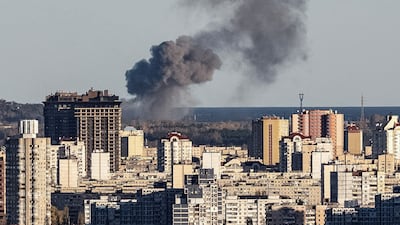
Smoke rises on the outskirts of the city during a Russian missile attack in Kyiv. Reuters -

Workers surround the Monument to the Heroes of the Heavenly Hundred with sandbags against damage from shelling in Mykolaiv. EPA -
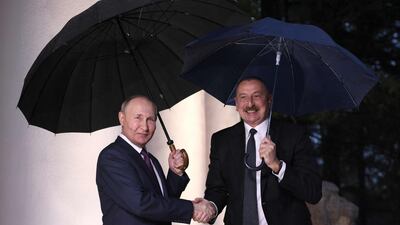
Russian President Vladimir Putin welcomes Azerbaijan President Ilham Aliyev for talks before a meeting between the Russian president and the leaders of Armenia and Azerbaijan in the Black Sea resort city of Sochi, Russia. AFP -
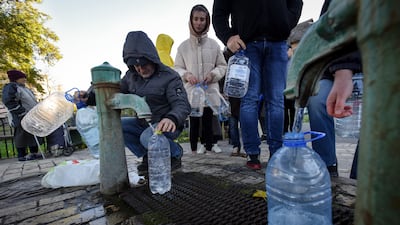
People take water from a water pump in Kyiv. EPA -
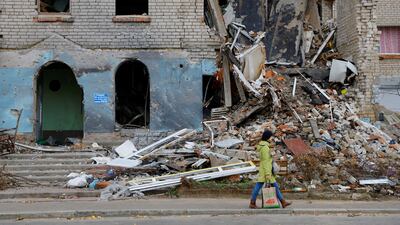
A woman walks past a damaged building in the town of Nova Kakhovka. Reuters -
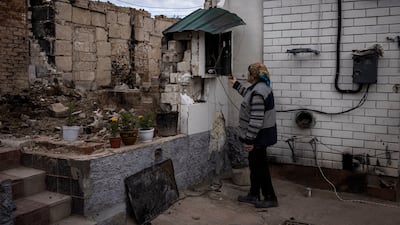
A woman outside her home, which was destroyed during battles at the start of the conflict, in Yahidne, Chernihiv. Getty Images -
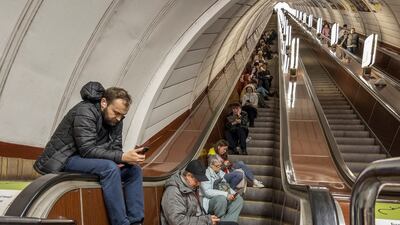
People shelter inside a subway station during a Russian missile attack in Kyiv. Reuters -
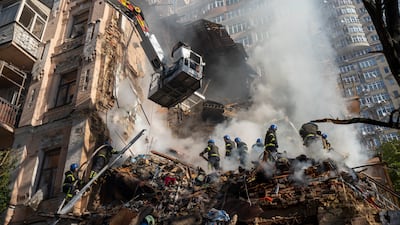
Firefighters at the site of a drone attack in Kyiv, Ukraine. AP -
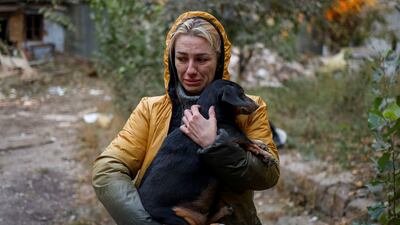
A woman walks past the site of a Russian missile strike in the southern Ukrainian city of Mykolaiv. Reuters -
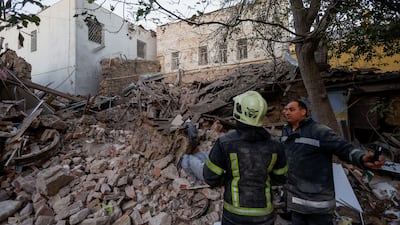
Rescuer workers at a building destroyed in an attack in Mykolaiv. Reuters -
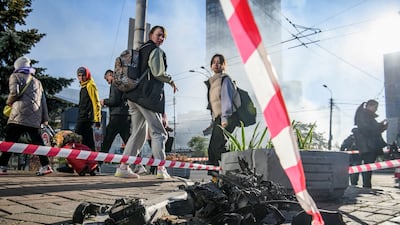
Parts of a drone lie on a street in Kyiv. Reuters -
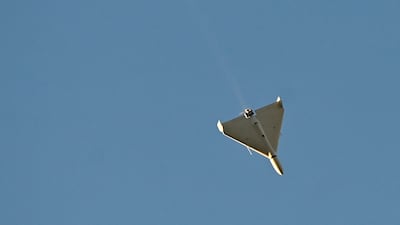
A drone flies over the Ukrainian capital during an attack. AFP -
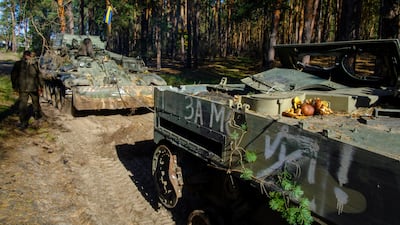
Ukrainian servicemen tow a captured Russian armoured vehicle in Rudneve village, Kharkiv. EPA -
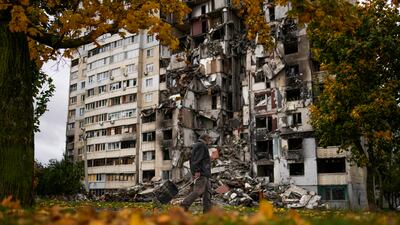
A partially destroyed residential building in Saltivka, in Kharkiv. AP -
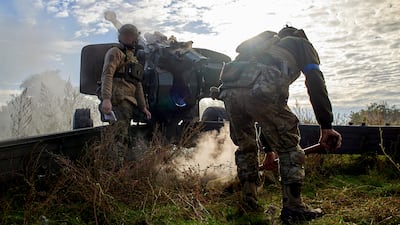
Ukrainian servicemen fire a captured Russian howitzer on a front line near Kupyansk city, Kharkiv. EPA -
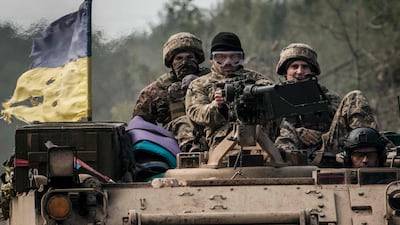
Ukrainian servicemen near the recently retaken town of Lyman in Donetsk region. AFP -
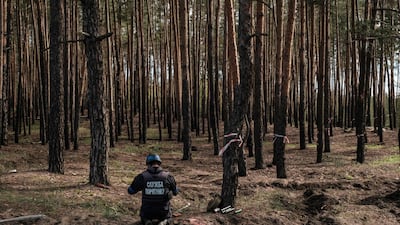
An officer from a Ukrainian national police emergency demining team prepares to detonate collected anti-tank mines and explosives near Lyman, in the Donetsk region. AFP -
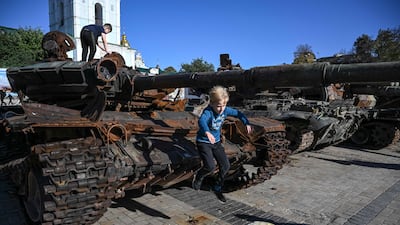
A boy playing on a destroyed Russian tank on display in Kyiv. AFP -
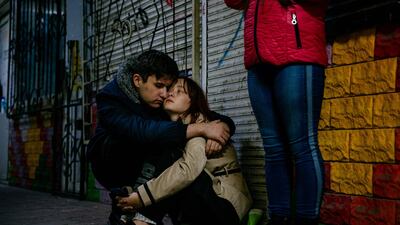
A young couple hiding underground during an air alert in Zaporizhzhia. AFP -
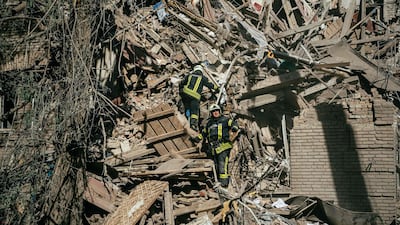
Ukrainian firefighters looking for survivors after a strike in Zaporizhzhia. AFP -
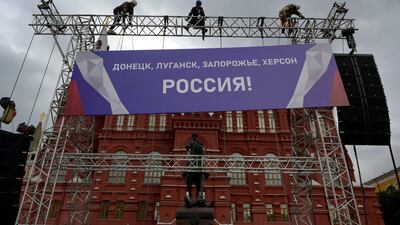
Workers fix a banner reading 'Donetsk, Luhansk, Zaporizhzhia, Kherson - Russia!' to the State Historical Museum near Red Square in Moscow. AFP -

Residents try to cross a destroyed bridge in the Kharkiv region of Ukraine. AFP -
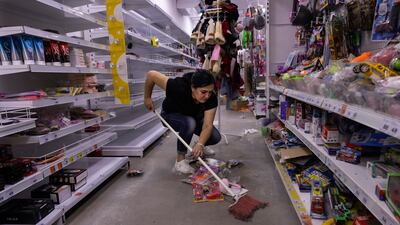
Alyona Kishinskaya helps to clean up a shop as it prepares to reopen in Balakiya, Ukraine, after a six-month Russian occupation. Getty Images -
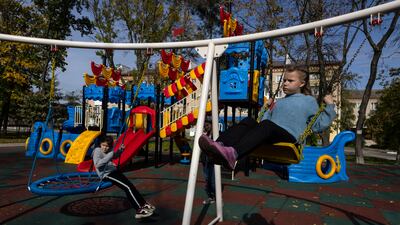
Alla, 12, has a swinging time in Balakiya, Ukraine, as life goes on despite the war. Getty Images -
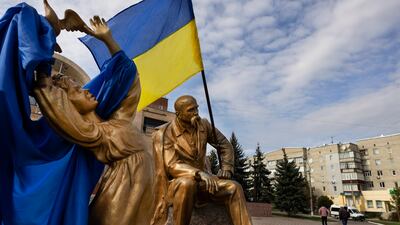
Ukrainian flags in the town square in Balakiya. Getty Images -
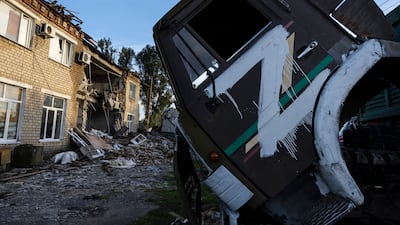
A destroyed Russian command centre in Izium, Ukraine. Getty Images -

In what may be a final farewell, young Russian recruits - escorted by their wives - walk to a train station in Volgograd before being sent to war in Ukraine. AP -
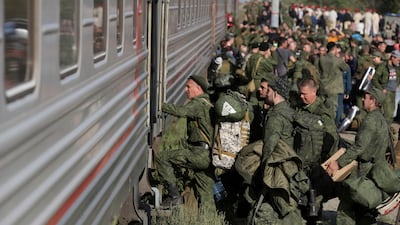
Russian recruits board the train to Ukraine in Volgograd. AP -
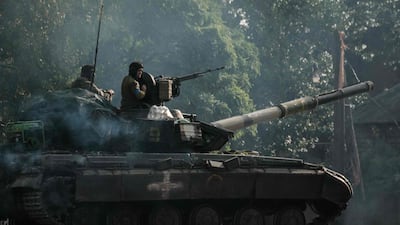
Ukrainian soliders drive a tank at the recently retaken eastern side of the Oskil River in Kharkiv region, Ukraine. AFP -
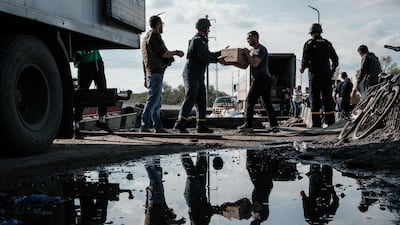
Volunteers pass boxes of food aid on a destroyed bridge over the Oskil River. AFP -
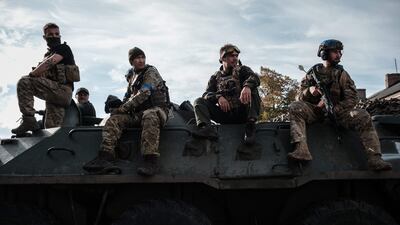
Ukrainian soliders rest on an armoured personnel carrier. AFP -
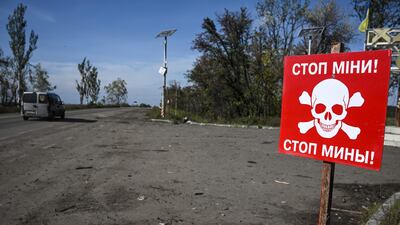
A sign warns of landmines in Izyum, eastern Ukraine. AFP -
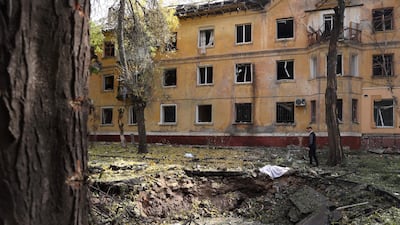
This crater was left after a missile strike in the Donetsk region of Ukraine. AFP


Higher food and energy prices around the world and “global political tension that arises from the Ukraine crisis, is both a symptom of political breakdown and a cause of further breakdown”.
“There’s a real sense that global politics is broken down because of the Ukraine crisis,” he said. “And my concern as someone who’s running a humanitarian organisation is that those least able to fend for themselves are the greatest victims of the failure.
“I think this Ukraine crisis is a moment of reckoning, not just for Europeans. It’s a moment of reckoning globally.
Concerns at diversion of aid
“I’m very concerned at the diversion of aid from the Middle East, from parts of Africa into Ukraine. Yes, the needs in Ukraine are real, but we can’t have first-class aid in Ukraine and second or third-class aid elsewhere.
“It’s a very important part of our work in the rescue committee, saying, don’t forget the Somalias, the Syrias, the Afghanistans of this world. Of course, that doesn’t mean you should forget about Ukraine either. But it’s the global humanitarian tragedy.”
He said it would be “a double whammy if the poorest people in other parts of the world pay the greatest price for Ukraine”.
Mr Miliband is concerned about impunity in conflicts around the world.
“We’ve got too many tragic examples of our own staff and others being targeted because they’re aid workers,” he said.
A member of the IRC team in Ethiopia was killed last month as he was delivering aid in the Tigray region.
Mr Miliband said it was important that refugees received enough aid and support, while at the same time long-term solutions were sought.
Resettlement to third countries is currently at 8 per cent, while neighbouring countries bear most of the burden of hosting refugees.
“Frankly the countries in the world that are bearing the greatest responsibility for refugees are not rich countries, it’s the Lebanons, the Jordans, the Ugandas and Bangladeshes of this world,” said Mr Miliband.
Syrian refugees leave Lebanon — in pictures
-
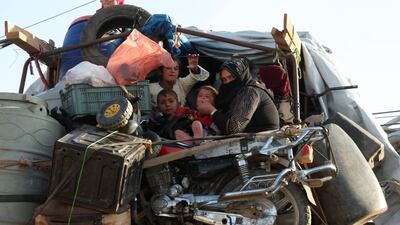
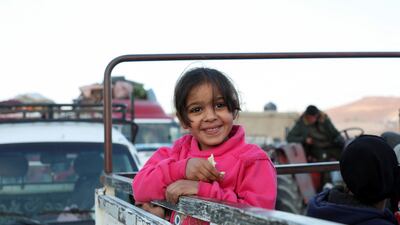
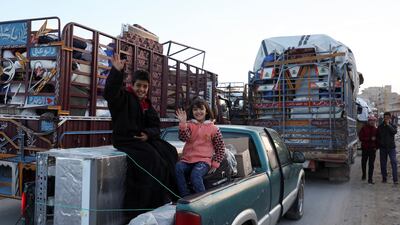
Syrian refugees sit with their belongings on a pickup truck as they prepare to return to Syria from Wadi Hmayyed, on the outskirts of the Lebanese border town of Arsal. All photos: Reuters -
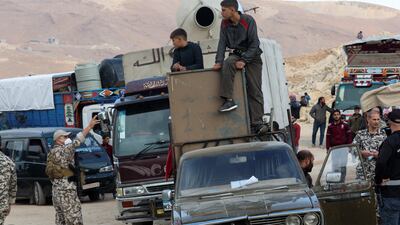
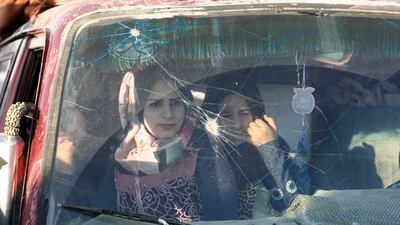
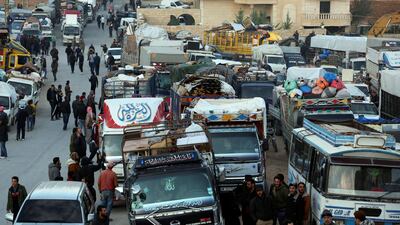
Hundreds of Syrian refugees living in Lebanon returned home on Wednesday, the first day of repatriations organised by Beirut, amid rights groups' concerns that the scheme may involve elements of coercion. -

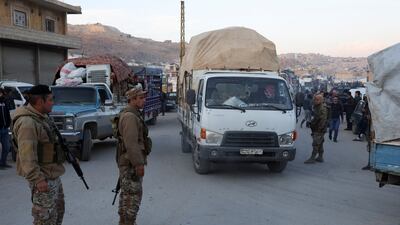
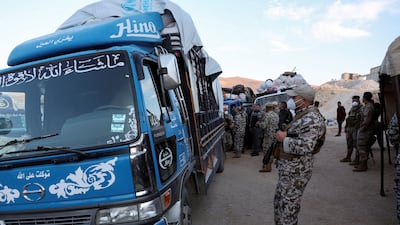
Lugging suitcases, power generators, fridges and even chickens, about 700 Syrians who had agreed to cross over gathered from early morning in a desolate north-eastern border zone. -
Lebanese authorities said the repatriations, under a revived programme run co-ordinated by the country's General Security agency, are voluntary. -
The United Nations says flare-ups in violence and the risk of detention make it still unsafe for large-scale returns. -
Lebanon is home to more than 800,000 Syrians registered with the UN refugee agency. At its peak, Lebanon hosted around 1.2 million. -
They fled the violence in the aftermath of protests against Syrian President Bashar Al Assad in 2011. -
In 2018, the General Security agency launched a mechanism through which any Syrian refugee could signal a desire to return home. -
That pathway saw about 400,000 Syrians return home but was put on hold with the outbreak of Covid-19. -

Outgoing Lebanese President Michel Aoun revived it this month and it resumed on Wednesday.


He urged the US and others to take more refugees in, but added: “That is not the answer to the refugee crisis, because, for most refugees, their greatest dream is to go home … so they don’t want to travel to the other side of the world, they actually want to stay close.”
That requires two elements, “diplomacy that allows them to go home … and secondly, real support for the countries that are hosting refugees”.
Mr Milband said a difficult aspect of the IRC’s work was securing funding for victims of drawn-out conflicts.
He said: “The plea not to forget us can’t just go to the West. There are responsibilities on all those with wealth.
“There are people in this region and there are countries in this region that have wealth, and there are global responsibilities that come with power and with wealth.
“Whenever I come to the Gulf, my appeal is this is a region that is remarkable for its ambition … just look around us,” Mr Miliband said, in reference to the advances in the UAE. “It’s a country that’s thinking how far it’s come in 50 years and what’s going to happen in the next 50. So the ambition is extraordinary. But the compassion is an important part of the culture too.
“The message of ‘don’t forget’, is a message that the International Rescue Committee has to take to its traditional western donors. It also has to take it to governments and the private sector, to philanthropists and businesses in the Gulf, because we need to be partnering with them too.”
Continuing mission in Afghanistan
The IRC continues to work in Afghanistan despite the presence of the Taliban-run government. “There’s a very important principle here, work through civil society. If you want to build a nation, you have to build it from the grass roots, if you want to support people, then support people,” Mr Miliband said.
He said the IRC had 3,000 employees in 12 provinces, while 4,000 more auxiliary workers depended on its support. Forty-four per cent of them are women, including in senior positions.
Mr Miliband said the IRC speaks to “the governing authorities at the national and local level”.
“But do we let them tell us what to do? No. Do we work in accordance with local customs? Yes … most of our employees [in Afghanistan], all but six of them, are Afghans. So they’re defending their own communities”
The issue of poverty and a collapsing economic system is one that plagues not only Afghanistan, but Syria too. Mr Miliband would not be drawn into the political discussion on engaging with the Syrian regime or the possibility of commencing reconstruction there.
“It is very important to speak to the humanitarian needs,” he said, including the issue of the cholera outbreak and support for the internally displaced. The IRC does not work in government-controlled areas.
A year under the Taliban in Afghanistan — in pictures
-
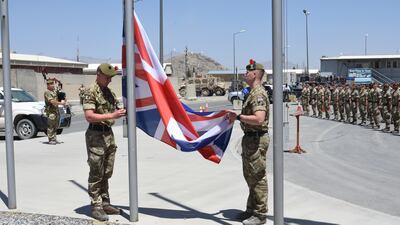
Military leaders attend a flag-lowering ceremony in Afghanistan on June 24, 2021 as the UK’s contribution in the country draws to a close. A number of troops were to remain to offer diplomatic assurance to the international community in Kabul. Getty Images -

A member of the Afghan security personnel looks distraught as he stands guard at the site of a car bomb explosion near the defence minister's home in Kabul, on August 4, 2021. AFP -
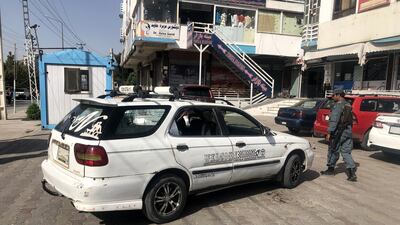
Security officials inspect the scene of an attack on Dawa Khan Menapal, the head of the Afghan government's information centre, in Kabul on August 6, 2021. Taliban militants shot him dead. EPA -

People are stranded at the Pakistani-Afghan border which has been closed by the Taliban, who have taken control of the Afghan side, on August 9, 2021. EPA -
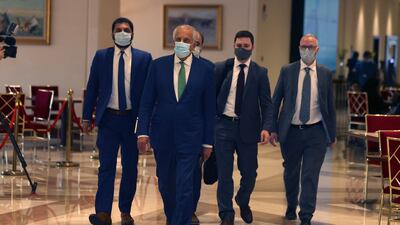
US special envoy for Afghanistan Zalmay Khalilzad (2nd L) arrives at a hotel in Qatar's capital Doha for a meeting on the escalating conflict in Afghanistan, on August 10, 2021. AFP -
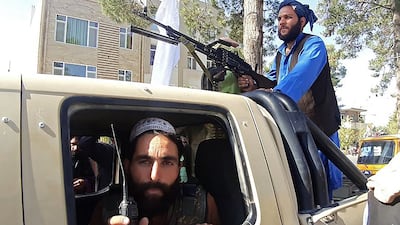
Taliban fighters driving through Herat, Afghanistan's third-biggest city, on August 13, 2021 after under-siege government forces had pulled out the previous day. AFP -
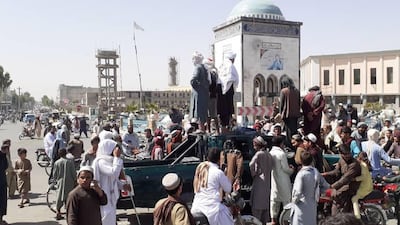
Taliban militants gather in the main square after taking control of Kandahar, Afghanistan, on August 13, 2021. The fall of Kandahar came hours after the Taliban had captured Herat. EPA -

Afghanistan's president Ashraf Ghani and acting defence minister Bismillah Khan Mohammadi visit military corps in Kabul on August 14, 2021. Reuters -
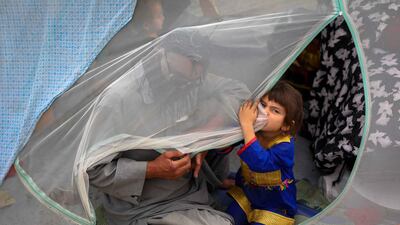
Internally displaced families from northern provinces, who fled from their homes due to the fighting between Taliban and Afghan security forces, take shelter in a public park in Kabul, Afghanistan, on August 14, 2021. EPA -
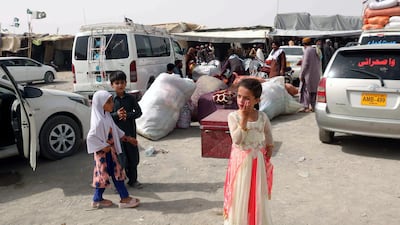
People at the border checkpoint at Chaman, Pakistan on August 15, 2021. Pakistani authorities had reopened the frontier with Afghanistan on August 13 after several days of closure. EPA -
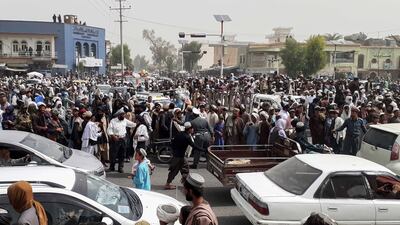
Afghan police on duty on August 15, 2021 after the Taliban had taken over Kandahar. The militants have by this stage reached the outskirts of Kabul, the capital of Afghanistan. EPA -
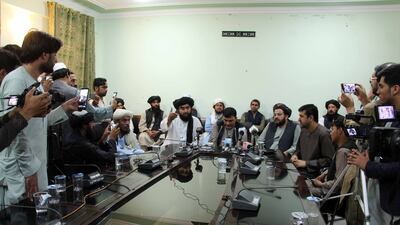
Ahmadullah Muttaqi, the Taliban's director for information and culture, talks to journalists after the government in Kandahar had surrendered to the militants. EPA -
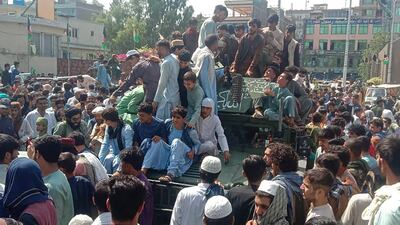
Taliban fighters and local people sit on an Afghan National Army armoured vehicle on a street in Jalalabad province on August 15, 2021. AFP -
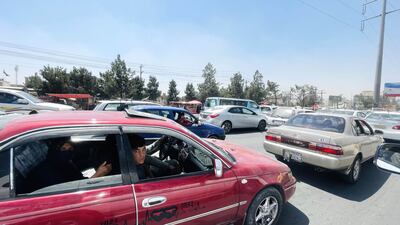
Afghan families flee Kabul on August 15, 2021. The Taliban said they do not intend to enter Kabul 'by force or war, but to negotiate with the other side to enter peacefully". Getty Images -
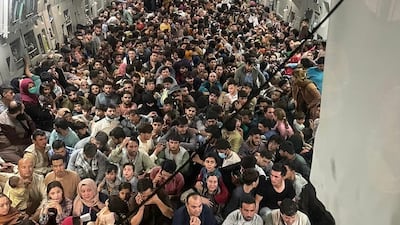
Tens of thousands of people attempt to flee Afghanistan to escape the hardline rule expected under the Taliban, on August 15, 2021. AFP -
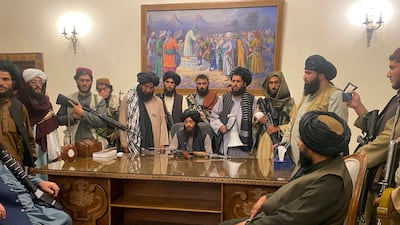
Taliban fighters take control of the Afghan presidential palace in Kabul, after the president Ashraf Ghani had fled the country, on August 15, 2021. AP -
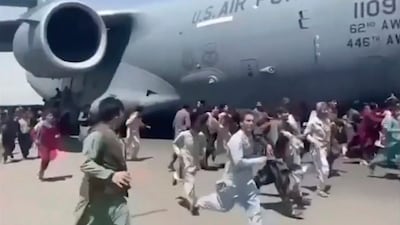
Hundreds of people run alongside a US Air Force transport plane on the runway of the international airport in Kabul on August 16, 2021, desperate to escape the Taliban capture of their country. Some held on to the jet as it took off and fell to their death. AP -
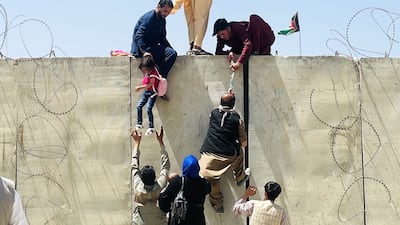
Thousands of Afghans rush to the Hamid Karzai International Airport as they try to flee the Afghan capital of Kabul, on August 16, 2021. Getty Images -
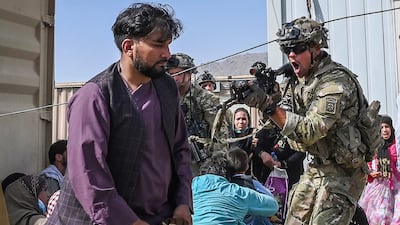
A US soldier points his gun at a man at Kabul airport on August 16, 2021, after a swift end to Afghanistan's 20-year war. Thousands of people mobbed the airport in a bid to flee. AFP -
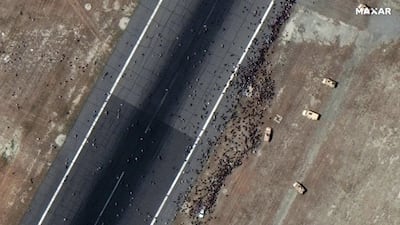
Crowds on the tarmac of Kabul International Airport, Afghanistan, on August 16, 2021. EPA -
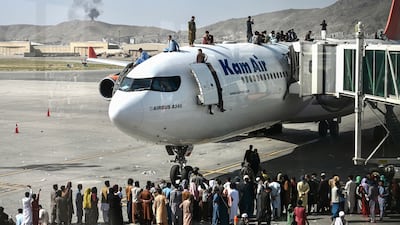
People clamber on top a plane at the Kabul airport on August 16, 2021. AFP -
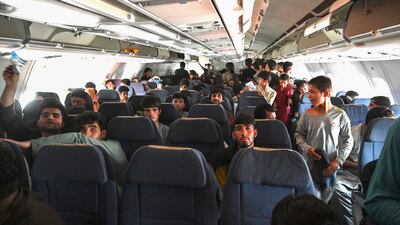
These Afghan passengers made it. They sit inside a plane and wait to leave Kabul. AFP -
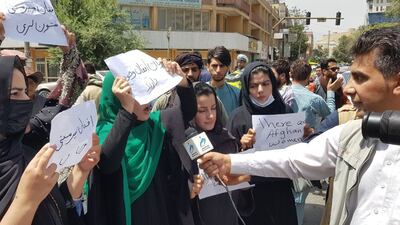
Afghan women, holding placards, gather to demand the protection of women's rights in front of the Presidential Palace in Kabul, on August 17, 2021. Getty Images -
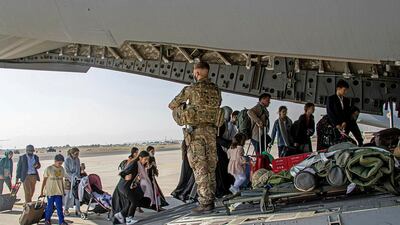
British citizens living in Afghanistan board a military plane to leave Kabul Airport, on August 16, 2021. Reuters -
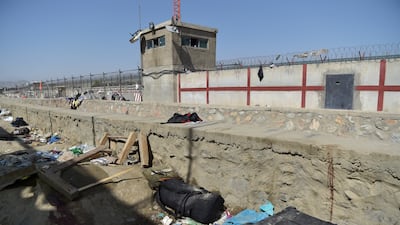
Luggage belonging to Afghan people, who were waiting to be evacuated. at the site of two suicide bombs, which killed scores of people including 13 US troops, at Kabul airport on August 27, 2021. AFP -
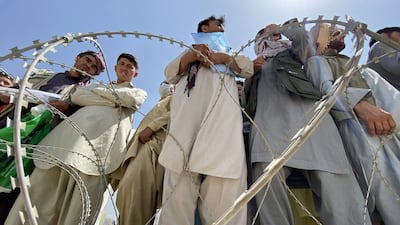
Afghans, including those who worked for the US, Nato, the European Union and the United Nations, wait outside Hamid Karzai International Airport to flee the country, after Taliban took control of Kabul, on August 17, 2021. EPA -
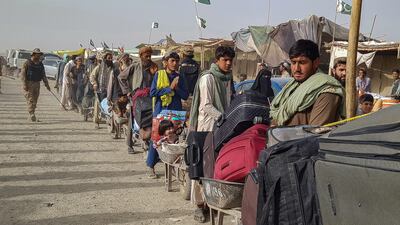
People queue at the Pakistan-Afghanistan border point in Chaman on August 17, 2021 to cross back to Afghanistan. AFP -
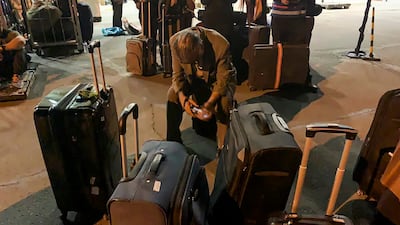
People wait to board a French military transport plane on August 17, 2021 to escape Kabul and Taliban rule. AFP -
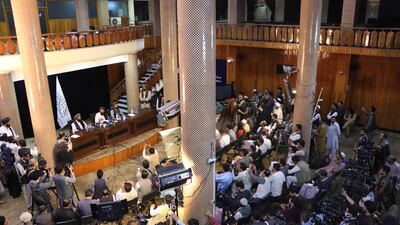
Zabihullah Mujahid, Taliban spokesman, gives his first press conference in Kabul on August 17, 2021. The new leadership said it would not seek revenge on those who had fought against them and would protect the rights of Afghan women within the rules of Sharia. EPA -

Young men who say they deserted the Afghan military trudge through the countryside in Tatvan, eastern Turkey, on August 17, 2021. Turkey was concerned about increased migration across the Iranian border as Afghans fled from the Taliban. AP -
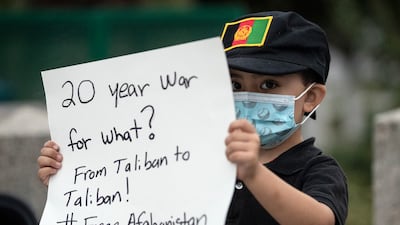
A young demonstrator at a vigil in support of Afghanistan at the West Los Angeles Federal Building, California on August 17, 2021. EPA -
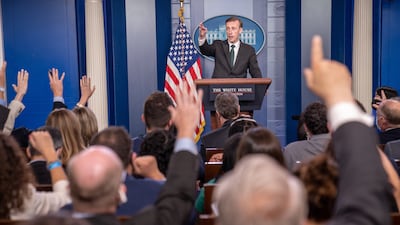
US National Security Adviser Jake Sullivan holds a press briefing to talk about the recent events in Afghanistan, at the White House on August 17,2021. EPA -
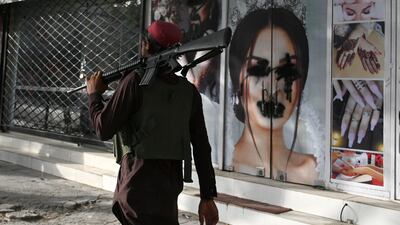
A Taliban fighter walks past a beauty salon with images of women defaced using spray paint in Shar-e-Naw in Kabul on August 18, 2021. AFP -
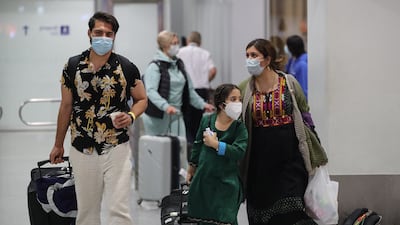
People among the first evacuees from Kabul, arrive at Frankfurt International Airport in western Germany in the early hours of August 18, 2021. AFP -
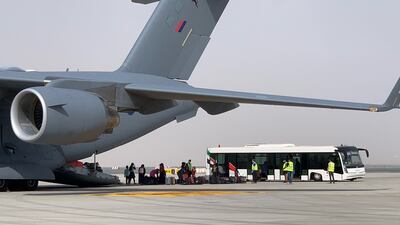
A transport plane evacuating refugees out of Afghanistan lands at Al Maktoum International Airport in Dubai, August 19, 2021. Pawan Singh / The National -

Afghanistan's former president Ashraf Ghani talks in video message, somewhere in the UAE, on August 18, 2021, in his first media appearance since the fall of Kabul only days earlier. Reuters -
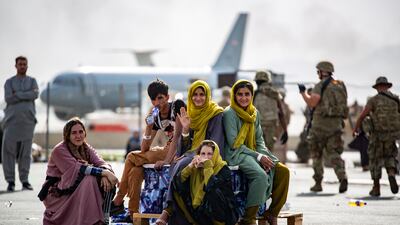
Displaced children wait for the next flight at Hamid Karzai International Airport, Kabul on August 19, 2021. AFP -
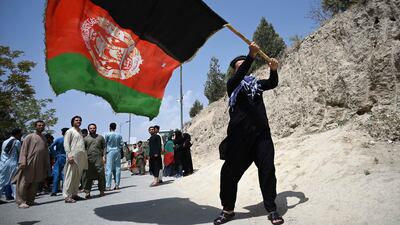
An Afghan man waves a national flag to celebrate the 102nd Independence Day of Afghanistan in Kabul on August 19, 2021, days after the Taliban's military takeover of the country. AFP -
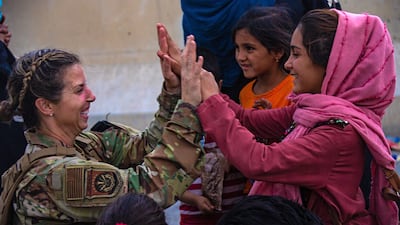
The US military helps to reunite families at Hamid Karzai International Airport on August 20, 2021. AFP -
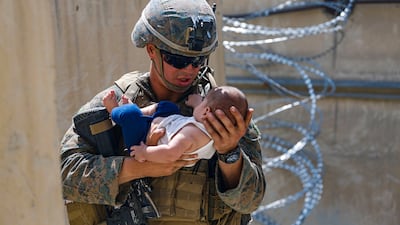
A US Marine comforts an infant while they wait for the mother during an evacuation at Hamid Karzai International Airport on August 21, 2021. Reuters -
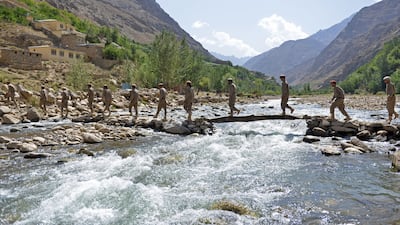
New personnel in the Afghan security forces take part in military training in Panjshir province on August 21, 2021. AFP -
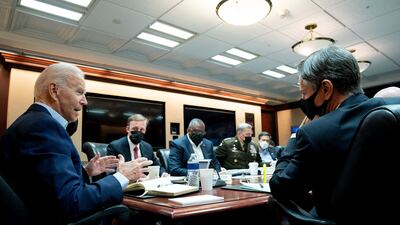
US President Joe Biden speaks to his national security team during a briefing on the situation in Afghanistan, on August 22, 2021, in Washington. AFP -
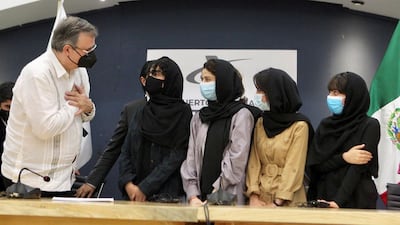
Mexico's Foreign Minister Marcelo Ebrard welcomes members of Afghanistan's robotics team after arriving in Mexico to apply for humanitarian status on August 24, 2021. Reuters -
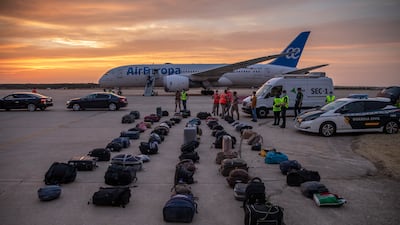
Belongings of Afghan people, who were evacuated from Kabul, are laid on the ground at Torrejon Military Air Base on August 24, 2021 in Madrid. Getty Images -
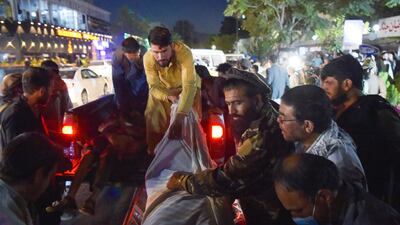
Volunteers and medical staff unload bodies from a pickup truck outside a hospital after two powerful explosions, which killed at least six people, outside the airport in Kabul on August 26, 2021. AFP -
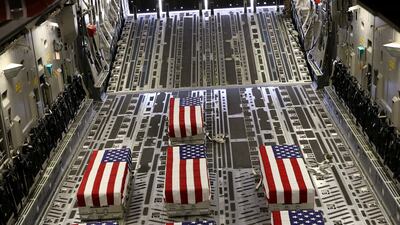
Flag-draped coffins of service members killed in action are loaded on to a transport aircraft during a ramp ceremony at Hamid Karzai International Airport in Kabul on August 27, 2021. Reuters -
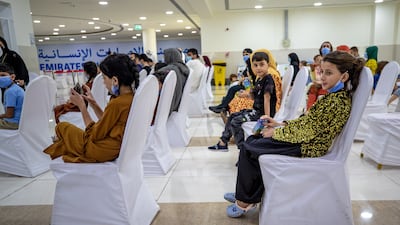
Afghan evacuees at the Emirates Humanitarian City, Abu Dhabi, on August 28, 2021. Victor Besa / The National -
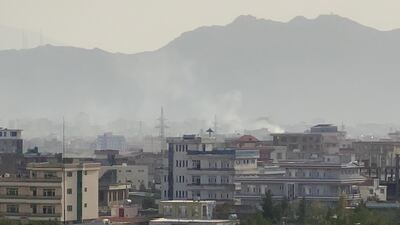
Smoke billows after an explosion near the Hamid Karzai International Airport, in Kabul on August 29, 2021. EPA -
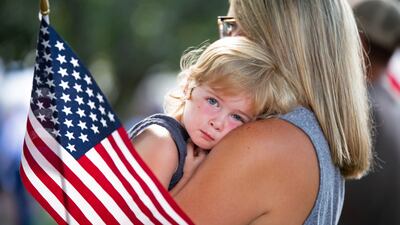
A vigil for Max Soviak, one of 13 US service members killed in the airport suicide bombing in Afghanistan's capital Kabul, in Berlin Heights, Ohio on August 29, 2021. Reuters -

A Taliban member stands guard near a vehicle which was used to fire rockets at the Hamid Karzai International Airport in Kabul on August 30, 2021. EPA -
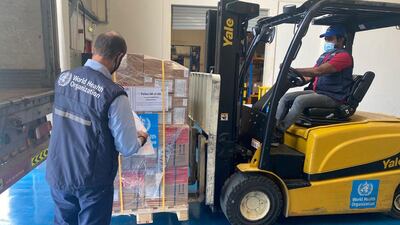
World Health Organisation supplies land in Afghanistan. Photo: WHO -
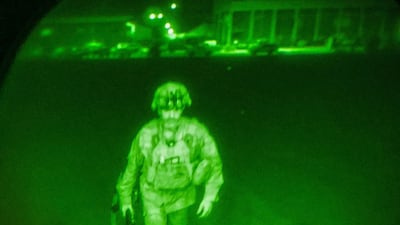
Major Gen Chris Donahue, commander of the US Army 82nd Airborne Division, XVIII Airborne Corps, boards a C-17 cargo plane at the Hamid Karzai International Airport in Kabul on August 30, 2021. His departure closes the US mission to evacuate US citizens, Afghan Special Immigrant Visa applicants and vulnerable Afghans. AFP -
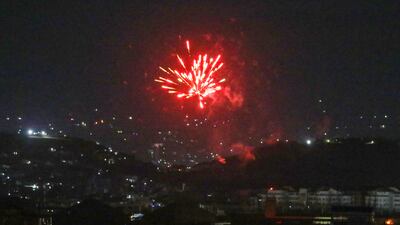
Fireworks after the last US aircraft took off from the airport in Kabul early on August 31, 2021, signalling its complete withdrawal after 20 years in the country. AFP -

Afghans wait for the banks to open in Kabul on August 31, 2021. AFP -
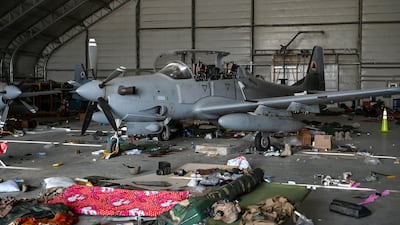
An Afghan Air Force A-29 attack aircraft inside a hangar at the airport in Kabul on August 31, 2021, after the US pulled all its troops out of the country. AFP -
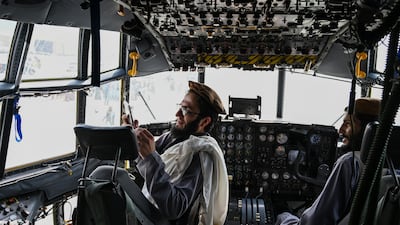
Taliban fighters sit in the cockpit of an Afghan Air Force aircraft at the airport in Kabul on August 31, 2021. AFP -
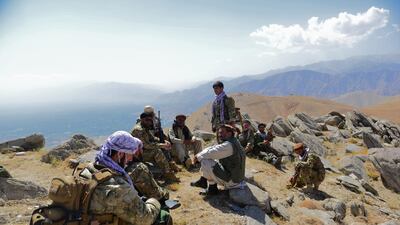
An Afghan resistance movement and anti-Taliban uprising forces rest as they patrol on a hilltop in Panjshir province on September 1,2021. Panjshir remains the last major holdout of anti-Taliban forces led by Ahmad Massoud, son of the famed mujahideen leader Ahmed Shah Massoud. AFP -

The UAE sends a plane carrying urgent medical and food aid to Afghanistan, as part of its contribution to provide the basic and necessary needs of thousands of Afghan families, especially the most vulnerable groups such as women, children and the elderly, September 3, 2021. Wam -
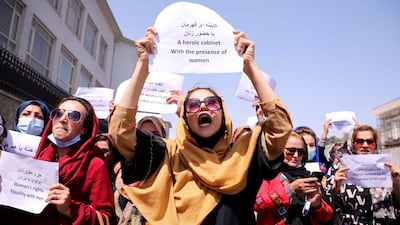
Afghan women's rights defenders and civil activists protest to call on the Taliban for the preservation of their achievements and education, in front of the presidential palace in Kabul on September 3, 2021. Reuters -
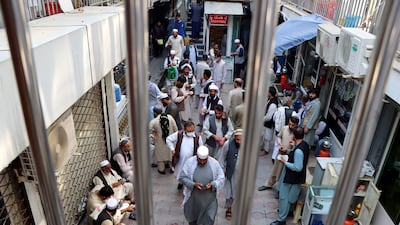
The main money exchange market in Kabul reopens on September 4, 10 days after the Taliban takeover. Currency dealers have been hit hard by the fall in value of the Afghani currency. EPA -
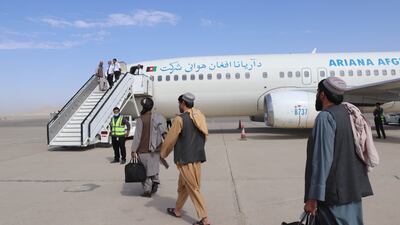
Passengers board a plane as domestic flights resume across Afghanistan, at Ahmad Shah Baba International Airport in Kandahar on September 5, 2021. EPA -
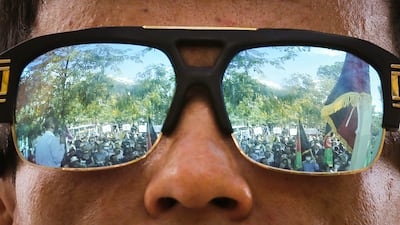
Protesters reflected in the sunglasses of a demonstrator during a rally in support of Afghanistan's people after the takeover of the country by the Taliban, at the Place de la Republique, in Paris on September 5, 2021. AFP -
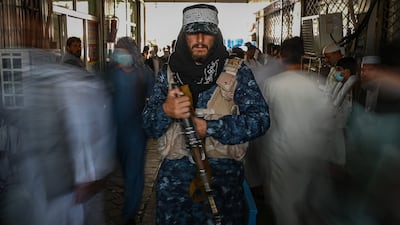
A Taliban fighter stands guard at a market in Kabul on September 5, 2021. AFP -
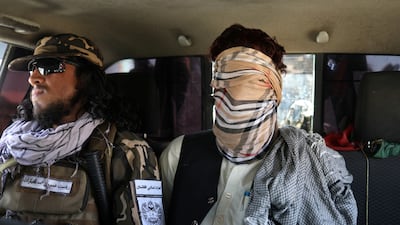
A suspected ISIS member sits blindfolded in a Taliban Special Forces' car in Kabul on September 5, 2021. Reuters -
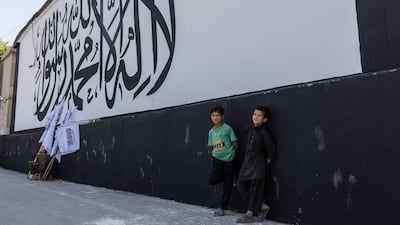
Children stand outside the former US embassy in Kabul where the banner of the 'Islamic Emirate' has replaced previous murals, on September 8, 2021. Stefanie Glinski for The National -
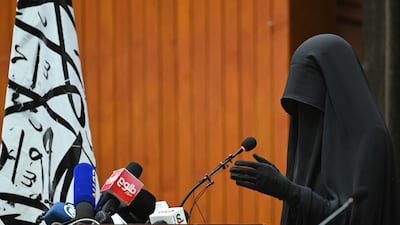
A veiled student speaks to a gathering of female students before a pro-Taliban rally at the Shaheed Rabbani Education University in Kabul on September 11, 2021. AFP -
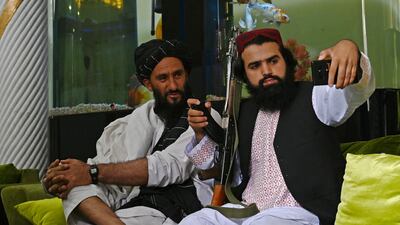
Taliban fighters take a selfie after they stormed and overran the home of the Afghan warlord Abdul Rashid Dostum in the Sherpur neighborhood of Kabul. on September 11, 2021. AFP -
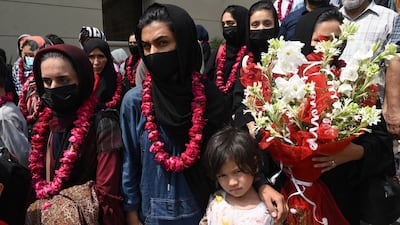
Members of Afghanistan's national girls football team arrive at the Pakistan Football Federation in Lahore on September 15, 2021, a month after the hardline Taliban swept back into power. AFP -

Afghan students separated by a partition attend a class at Mirwais Neeka University in Kandahar on September 20, 2021. The Taliban had officially announced the segregation of male and female students in all government and private universities. EPA -
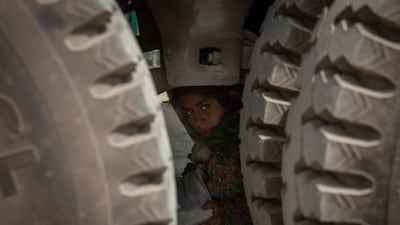
A young girl from Afghanistan hides under a truck carrying fruit and vegetables as she attempts to smuggle herself over the border from Afghanistan into Pakistan on September 12, 2021. Everyday dozens of children from Afghanistan smuggle themselves over the border into Pakistan to sell Paan and other goods before smuggling themselves back again. At least one child is injured each day trying to cross the border like this. Oliver Marsden for The National -

Afghan girls at a school in Kandahar on September 26, 2021. AFP -

Afghans gather outside the passport office after Taliban officials announced they will start issuing passports to its citizens again, in Kabul, October 6, 2021. Reuters -
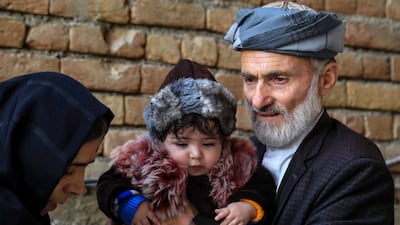
Sohail Ahmadi, an Afghan baby boy who went missing during the disordered evacuation process in Kabul after the takeover by the Taliban in August 2021, is reunited with his grandfather and aunt on January 10, 2022. EPA -
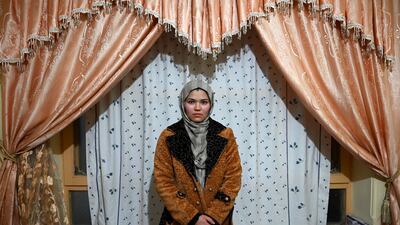
Zakia, an economics student who dropped out of university after the Taliban took power, at her home on the outskirts of Kabul on January 24, 2022. AFP -
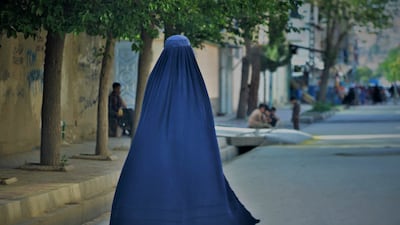
A burqa-clad woman walks along a street in Kabul on May 7, 2022. The Taliban had just imposed some of the harshest restrictions on Afghanistan's women since they seized power, ordering them to cover fully in public, ideally with the traditional burqa. AFP -
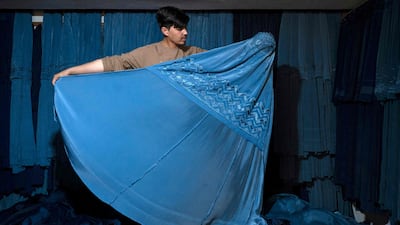
An Afghan vendor displays a burqa at his shop at Mandawi market in Kabul on May 8, 2022. AFP -
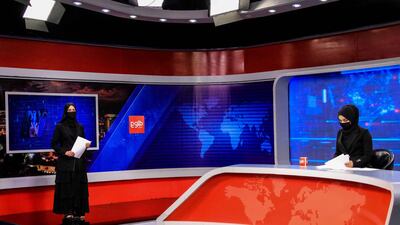
Khatira Ahmadi (L) and Tehmina (R), Afghan presenters at Tolo TV, read news at the studio in Kabul on May 23. Female television presenters and reporters in Afghanistan appeared with their faces covered to comply with a mandate issued by the Taliban. EPA -
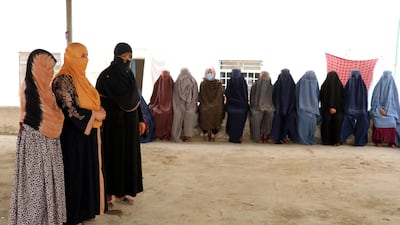
Afghan women prisoners in Kandahar on July 26. EPA


On Yemen, Mr Miliband was more optimistic after a truce earlier this year and lower levels of violence.
“It’s very, very interesting that in 2022, of many dark spots, Yemen is actually in a better place than it was a year ago,” he said. The conflict is in some ways “halted and life has begun to take some form … now we need to pile in behind those accelerators of progress, and try to mitigate the danger of relapse”.
He issued a plea “that we don’t throw it all away”.
“Yemen has been traumatised over the last decade, and the people of Yemen have been traumatised. [There are] still 23 million people that are in need of humanitarian assistance. So there’s a desperate need that the next year doesn’t see a relapse in Yemen,” he said.
Crisis watch list
It is likely that these countries will feature on the IRC’s annual crisis watch list, which will be published next month.
Mr Miliband said “conflict, climate and Covid” were the three big drivers of the watch list last year, but “there’s an additional driver this year, which is the economic downturn”.
“My message is there are real solutions,” he said.
“If you care about malnutrition, you can actually do something about it. If you care about the displacement of people, and how they’re treated, we can do something about it, we’ve got some real solutions that we can put into practice. And so what you can expect from the watch list is that it will follow the science, but also that it will be about the solution, not just suffering.”
The economic downturn is set to affect the humanitarian sector, with increased questions about the management of aid resources.
In the IRC, 87 per cent of funds go directly to beneficiaries, with the rest on management and running costs. Mr Miliband said transparency “through open books” was a must.
“We now spend 3 per cent of our total $1.5 billion budget on IT. That makes us more effective at the front line. So transparency, education and explanation is important,” he said.
UK politics role 'not on his mind'
While Mr Miliband has carved out a reputation as a leading humanitarian, he is still remembered in the UK for a political career that came to a halt when he stepped down from his parliamentary seat as a Labour MP in 2013 to take up his position at the IRC.
A decade on, he says going back to the UK to seek office is “not on my mind”. He repeated a line that he has become known for: “I make my professional decisions according to where I think I can make the most impact, consistent with my responsibilities to my family.”
He continues to follow UK politics closely and did not hide his disappointment over the events of the past few months, during which the country has had three prime ministers.
“I’m a British citizen, so I’m very proud of being British. I mourn the fact that we’ve humiliated ourselves in the last few years or months,” he said. “People want the UK to be a source of stability.”
However, he ended on an optimistic note, saying “the country still has strengths and it’s got to refine them”.

