


The global addiction to fossil fuels is causing climate change and creating extreme weather events that seriously harm human health, a report by the Lancet Countdown says.
Worldwide the burning of coal, oil, natural gas and biomass forms air pollution that kills 1.2 million people a year, the report said.
The annual report on climate change and health also said that the majority of world governments subsidised fossil fuels by as much as $400 billion in 2019.
This is despite climate change driving food insecurity, extreme weather including heatwaves that affect health and the ability to work, and the spread of infectious diseases.
Over-dependence on fossil fuels is also adding to economic and political uncertainty and volatility. This is best illustrated by the war in Ukraine, which has pushed the world into a cost-of-living crisis.
“Our health is at the mercy of fossil fuels,” said University College of London health and climate researcher Marina Romanello, executive director of the Lancet Countdown.
“We’re seeing a persistent addiction to fossil fuels that is not only amplifying the health impacts of climate change, but which is also now at this point compounding with other concurrent crises that we’re globally facing, including the ongoing Covid-19 pandemic, the cost-of-living crisis, energy crisis and food crisis that were triggered after the war in Ukraine.”
Speaking after its publication, the World Health Organisation's chief Tedros Adhanom Ghebreyesus said the report underlined how the “climate crisis is a health crisis” and said that carbon emissions were responsible for millions of deaths every year.
He said the world must “break its addiction to fossil fuels” and called for a non-proliferation treaty on non-renewable energy.
“Meeting the goals of the Paris Agreement would deliver huge health gains that would more than cover the transitioning to clean energy”, he said, adding that the report is a “sobering reminder of the how much further we have to go.”
The report states that the impacts of climate change are increasingly “affecting the foundations of human health and well-being”.
However, the Lancet Countdown report — released before the Cop27 climate summit in Sharm El Sheikh, Egypt — said there was that hope health-centred climate action could deliver a “thriving future”.
At Cop26 in Glasgow last year, countries pledged to phase out inefficient fossil fuel subsidies as part of efforts to curb greenhouse gas emissions and shift to clean energy systems.
In praising the report, UN Secretary General Antonio Guterres put it even more bluntly than the doctors: “The climate crisis is killing us.”
The Lancet Countdown found that 69 out of the 86 countries it looked at were effectively subsidising fossil fuels.
An analysis of the production strategies of 15 of the world’s largest oil and gas companies showed they would exceed their share of emissions consistent with curbing temperature rises to 1.5°C — beyond which the worst climate impacts will be felt — by 37 per cent in 2030 and 103 per cent in 2040.
The UK’s carbon pricing policies are an effective subsidy to the tune of £11bn in 2019, or 4 per cent of national health spend, the report said, and about 70 per cent of domestic energy comes from fossil fuels, particularly gas.
The report added that fossil fuel dependence is not only undermining global health through increased climate change impacts, but it is also leading to volatile prices, frail supply chains and conflict.
As a result, millions of people around the world do not have access to the energy needed to keep their homes at healthy temperatures and preserve food and medicine.
Climate change is also affecting food security, reducing growing seasons and crop yields, pushing more areas into drought, and worsening the risk of malnutrition, undernourishment and access to food.
The report said that transitioning to a widespread adoption of a more balanced, plant-based diet would reduce agricultural sector emissions and also prevent up to 11.5 million diet-related deaths a year.
Extreme heat exacerbates underlying conditions such as cardiovascular and respiratory disease, causes problems including heat stroke and poor mental health, and limits people’s ability to work and exercise, as well as raising the risk of dangerous wildfires.
Computerised epidemiology models also show an increase in heat-related deaths from 187,000 a year in the period from 2000 to 2004 to an annual average of 312,000 a year over the last five years, Dr Romanello said.
Malaria and dengue are also on the rise, putting lives at risk and increasing pressure on health systems still struggling with Covid-19.
But a transition to clean energy would improve energy security, cut toxic air pollution and boost low-carbon travel such as walking and cycling, which would improve health.
Dr Romanello said there is “clear evidence” that a shift towards clean energy could save the lives of millions.
“Accelerated climate action would deliver cascading benefits, with more resilient health, food and energy systems,” she said.
Paul Ekins, of University College London, said: “Current strategies from many governments and companies will lock the world into a fatally warmer future, tying us to the use of fossil fuels that are rapidly closing off prospects for a liveable world.
“This is a result of a deep failure to recognise the need for an urgent reprioritisation of funding to secure a zero-carbon, affordable and healthy future.”
Morocco's last nomads are struggling with climate change — in pictures
-
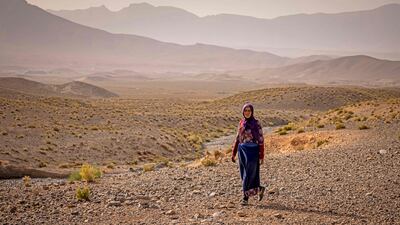
Amazigh Ida Ouchaali at an encampment near the village of Amellagou, where some of the last people to keep Morocco's nomadic traditions reside. They say their ancient lifestyle has become impossible to sustain as climate change brings ever more intense droughts. All photos: AFP -
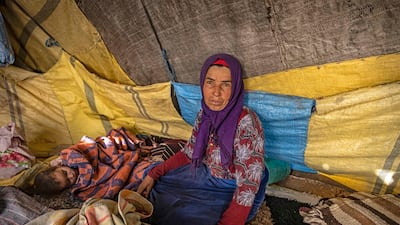
Amazigh Ida Ouchaali belongs to a community of about 25,000 people at the last census in 2014. Its numbers are down by two-thirds in a decade. -
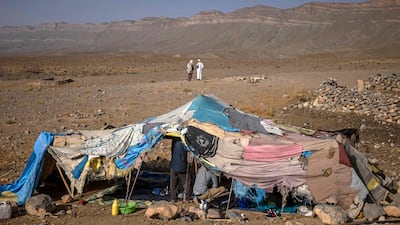
Amazigh tents near the village of Amellagou in Morocco. Ida Ouchaali's tribe spent centuries roaming the country to find food for their animals, but their way of life is steadily disappearing. Ms Ouchaali says she is 'exhausted' by her fight for survival. -

Amazigh women in Amellagou carry out their daily chores. -
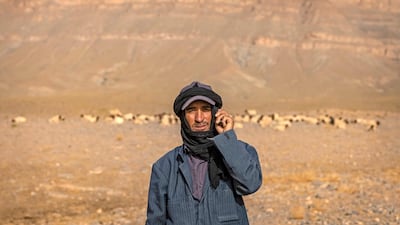
An Amazigh man poses for a picture next to a herd of sheep near the village of Amellagou. Water for livestock is hard to find and the harsh climate threatens his way of life. -
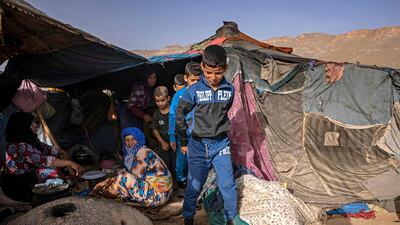
Amazigh families at Amellagou worry about the future of their children. One teenager says the young want to 'turn the page on nomadism'. -
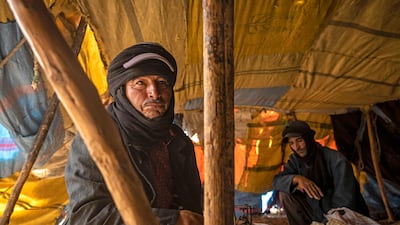
Amazigh Moha Ouchaali is in his 50s. 'Everything has changed,' he says. 'I don't recognise myself anymore in the world of today.' -
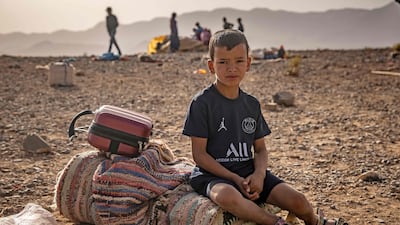
An Amazigh boy and his belongings in the Moroccan desert. -
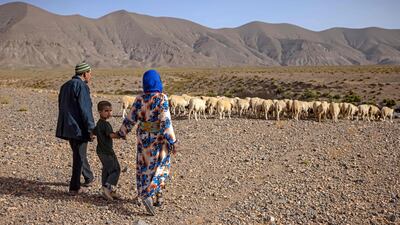
Children of Amazigh families grow up in a shrinking community. At one time there were nearly 500 tents around the village of Amellagou but now there are less than a tenth of that. -

Each generation of Amazigh face social and economic changes that make their lives more difficult. Laws passed by Morocco that would defend the nomadic way are simply ignored by other people, they say. -
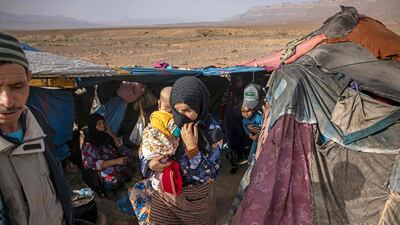
Amazigh sheltering at Amellagou say they recall a time when nomadic people were welcomed by settled communities but such hospitality is largely gone. -
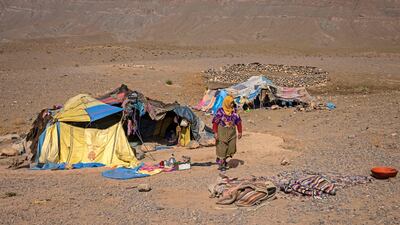
Driss Skounti says he has little hope for the future. 'Nomadic life has an identity and a tradition steeped in history, but is doomed to disappear within 10 years.'



