


Nutritionists have given warnings that children who consume fizzy drinks are increasing their lifetime risk of multiple health problems, including obesity, type 2 diabetes, high blood pressure and heart disease.
Their comments come after Saudi Arabia banned soft drinks in schools on health grounds, with the new rules set to take effect when pupils return next month.
Dr Mirey Karavetian, a scientist in Canada who has published research on diet and obesity in the UAE, said Saudi Arabia’s move was “an excellent initiative”.
“I hope more of the Gulf countries will follow their lead,” she said.
“There’s no place for these drinks in a child’s life, and even in an adult’s life.”
Dr Karavetian, a former associate professor at Zayed University in the UAE, said a key concern was that sugary drinks caused people to take in large quantities of carbohydrates without feeling full.
“It’s an excessive amount of sugar and calories,” she said.
“When you’re having an abnormal amount of sugar, that leads to a higher amount of insulin in the blood.
"It inhibits fat usage for energy. You put fat in storage and use sugar for energy.”
This can make people accumulate fat particularly around the waist, which Dr Karavetian said was a major cause of heart disease and Type 2 diabetes later in life.
Another concern is hypertension or high blood pressure, with a study of Emirati schoolchildren published in July reporting that 15.4 per cent of boys and 17.8 per cent of girls had the condition.
Dr Karavetian said that only very small numbers of children with genetic issues would be expected to have high blood pressure, but in the Emirates poor lifestyle and diet, including the consumption of fizzy drinks, has resulted in the much higher rates that are seen.
Four Indian health drink recipes to stay cool this summer — in pictures
-
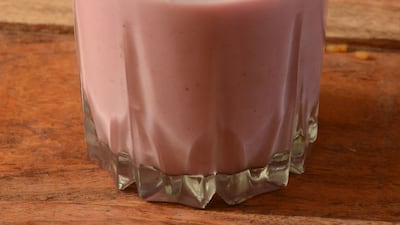
Sol kadhi, made with kokum and coconut milk, can be consumed in beverage form or eaten with rice. All photos: Getty Images -
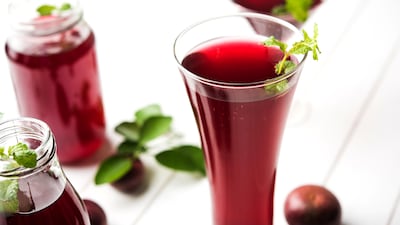
Kokum sharbat, made without coconut milk, is another cool option for the summer. -

Sattu is a protein-rich drink made with roasted flour, cumin and buttermilk. -
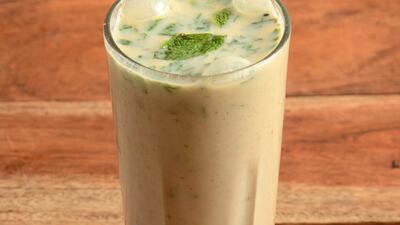
Buttermilk, which has a yoghurt base, can also be consumed by itself. -
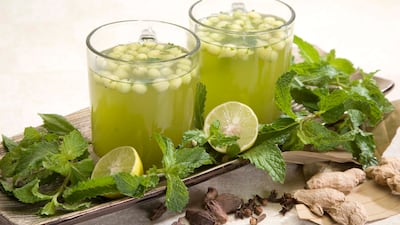
Jaljeera is a combination of jal (water) and jeera (cumin seeds). -
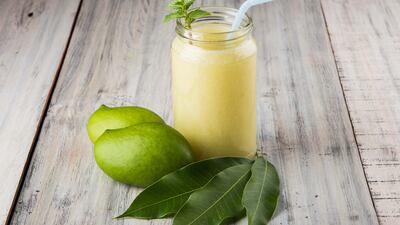
Aam panna is made with refreshing green mango juice.


Even diet versions of fizzy drinks can cause health problems, she cautioned, as research suggested that they may negatively affect the composition of bacteria in the gut.
Other concerns centre on phosphoric acid, which is particularly prevalent in dark-coloured fizzy drinks.
Dr Karavetian said this substance could affect the ability of the bones to take in calcium, because it cuts absorption of the mineral in the gut.
This, she said, could reduce a person’s peak bone mass, which is the amount of bone an individual’s body contains in early adulthood.
If peak bone mass is lower, it may increase the risk later in life of osteoporosis, where bone density is reduced and fractures happen more easily.
Saudi Arabia has one of the highest obesity rates in the world, with a study published last year reporting that 24.7 per cent of the adult population was obese, meaning their body mass index (BMI) was 30 or above.
The UAE too has high obesity rates, including among young people, with a recent study co-written by Dr Karavetian indicating that about one third of university students were overweight (BMI 25 to 29.9) or obese.
The authorities in the Emirates have taken measures to reduce the consumption of sugar-sweetened drinks, such as by introducing, in 2019, a 50 per cent purchase tax.
Dr Raghib Ali, director of the New York University Abu Dhabi Public Health Research Centre and founder of the UAE Healthy Future Study, said that the continued high rates of childhood obesity and diabetes in the Emirates indicated that additional measures could be helpful.
“These kinds of bans in schools could potentially help,” he said.
“Anything that will reduce calorie consumption and increase physical activity [could be of benefit].”

An additional health issue related to fizzy drinks is their effect on children’s teeth, said Dr Ayesha Al Dhaheri, chairperson of the Department of Nutrition and Health at UAE University in Al Ain.
A 2019 study co-authored by Dr Al Dhaheri reported that among Emirati children and adolescents, sugar-sweetened beverages were consumed more often than any other drinks apart from plain water, accounting for 13.9 per cent of total water intake. There are, said Dr Al Dhaheri, many healthier alternatives.
“If you add cinnamon, it has the taste of sugar. It will give you a sweetness,” she said.
“If you use honey or maple syrup or date syrup, it’s much better than sugar.”
A clear labelling system indicating which drinks are potentially more harmful would be beneficial, said Dr Al Dhaheri.
In addition, she said it was important to integrate healthy eating and drinking messages into the education curriculum, so that children were more likely to make choices that improved their health.
There are also concerns over the consumption by young people of energy drinks, which typically have high caffeine content.
The British Dietetic Association, a professional organisation for dieticians, said these could increase blood pressure, disturb sleep and lead to stomach aches and headaches in children and adolescents.
As with fizzy drinks, energy drinks may affect the deposition of calcium in the bones, both by interfering with calcium absorption by the small intestine and by reducing consumption by children of calcium-containing drinks.
Parents are role models for their children and so have a responsibility to ensure they did not encourage the consumption of fizzy drinks, according to Dr Karavetian.
“It’s a good initiative for parents and children to stop drinking these fizzy drinks,” she said.
“I would urge parents to not buy fizzy drinks, even not bring them into the house. Educate your children how much they would harm themselves.”
While fruit juice is often seen as preferable to fizzy drinks, Dr Karavetian cautioned that it should be consumed in moderation to ensure that children did not have too much fructose, the fruit sugar.

