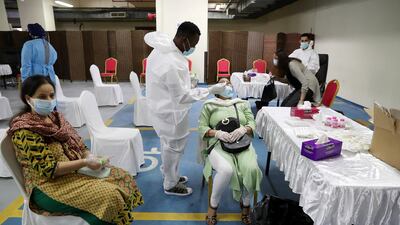
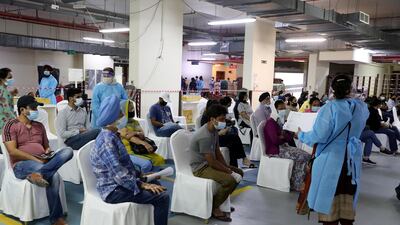
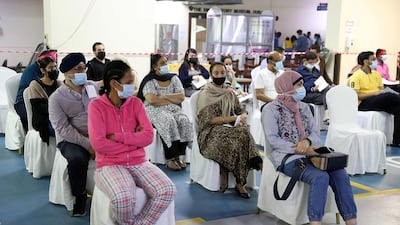
A two-part documentary is charting Dubai's response to the Covid-19 pandemic.
Covid-19: Dubai provides insights into the decisions taken by authorities to protect public health as the virus rapidly spread around the globe.
The series, the first episode of which aired on Saturday on Discovery, begins with the establishment of the Covid-19 Command and Control Centre on March 30, 2020, concluding a little more than a year later, after a vaccination campaign had slashed hospital admission rates. The second episode airs on May 14.
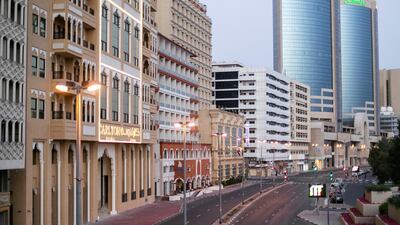
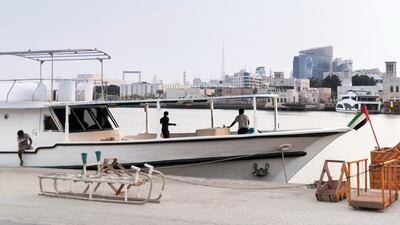
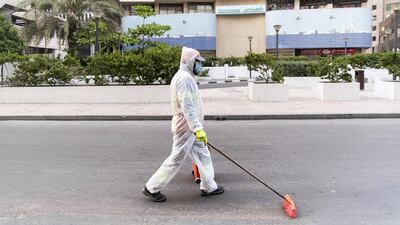
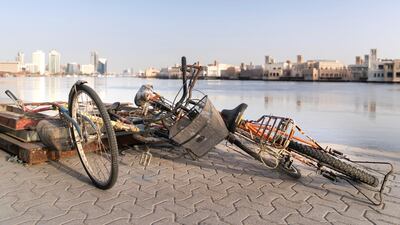
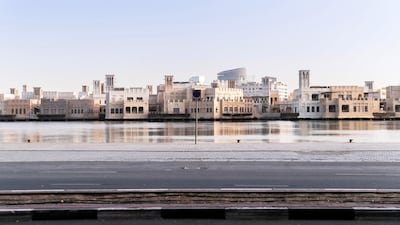
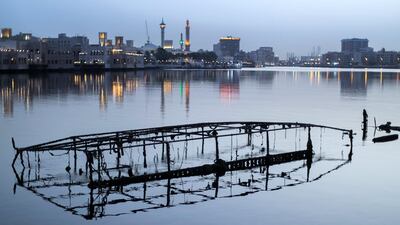
The documentary, produced in collaboration with the government, features shots of empty streets, beaches and playgrounds at the height of the pandemic, interspersed with interviews with those who led the emirate's response.
“From the very early days of the command and control centre, it was made very clear decisions would be informed by science and guided by data,” said Dr Alawi Ali, chairman of Dubai’s Covid-19 command and control centre and the deputy director of Dubai Health Authority.
Dealing with the surge
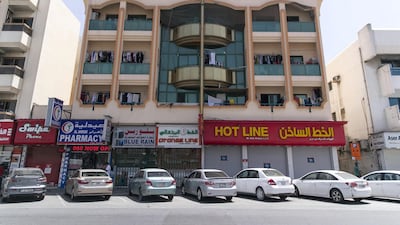
One of the biggest decisions the command centre took early on was to place the Naif and Al Ras areas, home to the Gold Souq, under 24-hour lockdown.
“We got reports of many residents who were infected with the virus,” says Brigadier Dr Tariq Tahlak, head of Naif Police Station. “It was necessary to contain the area in order to mitigate the spread to other parts of Dubai.”
The decision was taken at 6pm, he says. By midnight, the entire area was “locked down,” he says.
“What I learnt here exceeds what I have learnt over many years.
“Most of our operations are to tackle crime. This particular crisis was different. When this crisis hit we were faced with a bigger challenge. We were fighting an unknown and invisible enemy,” says the police official.
The densely populated area was put under a strict four-week lockdown from March 31 to April 26, to curb the spread of the virus.
Dubai adopted a proactive approach in the early months of the pandemic, including the temporary introduction of stay-home orders and a move to close schools and switch to remote learning.
“It was a sort of a tactical pause so we could ramp up testing capacity. We could ramp up hospital capacity,” Dr Ali says.
“We could educate ourselves and the community about the virus. And then we open up gradually.”
Businesses hit hard by Covid-19
The documentary also covers the impact the pandemic had on the economy, through interviews with businesses both large and small, which were forced to pivot to survive.
They include Immensa, which operates in the additive manufacturing applications, 3D printing services and digital inventory space.
“Our business literally stopped overnight,” says Fahmi Al Shawwa, the company’s chief executive.
“We had contracts with different companies and I would say over a space of 72 hours, everything was put on hold.”
But an emergency dental appointment led to the company mass producing tens of thousands of face shields within days.
Mr Al Shawwa’s dentist had complained about the cost of face shields, which were hard to find and had to be imported from Asia.
“We finished and I headed back to the office and called the team. Within four or five hours we came up with a product,” he said.
His dentist was ecstatic, and within days he had orders for 15,000 after word got around among hospitals.
How life changed
The documentary also covers the effects the pandemic had on Ramadan, and the joy people felt returning to mosques after stay-home orders were lifted on June 24, 2020, and the emirate reopened with 30 per cent capacity in public areas.
“The movement restrictions were a tactic. They could never be a strategy to get over this pandemic,” says Dr Ali.
“So life had to move on. Dubai had to very quickly figure out how to get out of this and in the process live with it. A big part of it was you had to think and care about the people whose lives and livelihoods will be affected by the virus and also the people who will be affected by the way we fight the virus.”
Vaccination campaign
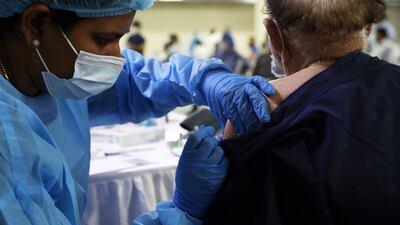
Vaccinations, on the other hand, were considered a strategy to exit the pandemic, he said.
“If you think about it, it’s such an amazing achievement for humanity and for science, that within a year of discovering a new virus you have vaccines that are safe and effective in protecting human beings against this disease.
“I don’t think we appreciate how massive a victory that is for science.
“The UAE and Dubai jumped on that.”
On Wednesday, April 14, 2021, the crew returned to Mediclinic Parkview Hospital, 440 days since the UAE recorded its first case.
There were only two patients admitted to the ICU with the disease.
“I think we run out of words thanking our frontliners and the heroes in managing this pandemic,” says Dr Amer Sharif, head of Dubai’s Covid command and control centre, and vice chancellor of Mohammed bin Rashid University of Medicine and Health Sciences.
“Without them we wouldn’t be where we are today.”
The final part of the documentary will air on Discovery in the UAE on May 14 at 10pm. Replays of the first episode are available on Discovery+, Jawwy TV and Starz Play.

The full list of 2020 Brit Award nominees (winners in bold):
British group
Coldplay
Foals
Bring me the Horizon
D-Block Europe
Bastille
British Female
Mabel
Freya Ridings
FKA Twigs
Charli xcx
Mahalia
British male
Harry Styles
Lewis Capaldi
Dave
Michael Kiwanuka
Stormzy
Best new artist
Aitch
Lewis Capaldi
Dave
Mabel
Sam Fender
Best song
Ed Sheeran and Justin Bieber - I Don’t Care
Mabel - Don’t Call Me Up
Calvin Harrison and Rag’n’Bone Man - Giant
Dave - Location
Mark Ronson feat. Miley Cyrus - Nothing Breaks Like A Heart
AJ Tracey - Ladbroke Grove
Lewis Capaldi - Someone you Loved
Tom Walker - Just You and I
Sam Smith and Normani - Dancing with a Stranger
Stormzy - Vossi Bop
International female
Ariana Grande
Billie Eilish
Camila Cabello
Lana Del Rey
Lizzo
International male
Bruce Springsteen
Burna Boy
Tyler, The Creator
Dermot Kennedy
Post Malone
Best album
Stormzy - Heavy is the Head
Michael Kiwanuka - Kiwanuka
Lewis Capaldi - Divinely Uninspired to a Hellish Extent
Dave - Psychodrama
Harry Styles - Fine Line
Rising star
Celeste
Joy Crookes
beabadoobee
The President's Cake
Director: Hasan Hadi
Starring: Baneen Ahmad Nayyef, Waheed Thabet Khreibat, Sajad Mohamad Qasem
Rating: 4/5
The specs
Engine: Turbocharged four-cylinder 2.7-litre
Power: 325hp
Torque: 500Nm
Transmission: 10-speed automatic
Price: From Dh189,700
On sale: now
Timeline
2012-2015
The company offers payments/bribes to win key contracts in the Middle East
May 2017
The UK SFO officially opens investigation into Petrofac’s use of agents, corruption, and potential bribery to secure contracts
September 2021
Petrofac pleads guilty to seven counts of failing to prevent bribery under the UK Bribery Act
October 2021
Court fines Petrofac £77 million for bribery. Former executive receives a two-year suspended sentence
December 2024
Petrofac enters into comprehensive restructuring to strengthen the financial position of the group
May 2025
The High Court of England and Wales approves the company’s restructuring plan
July 2025
The Court of Appeal issues a judgment challenging parts of the restructuring plan
August 2025
Petrofac issues a business update to execute the restructuring and confirms it will appeal the Court of Appeal decision
October 2025
Petrofac loses a major TenneT offshore wind contract worth €13 billion. Holding company files for administration in the UK. Petrofac delisted from the London Stock Exchange
November 2025
180 Petrofac employees laid off in the UAE
Silent Hill f
Publisher: Konami
Platforms: PlayStation 5, Xbox Series X/S, PC
Rating: 4.5/5
GIANT REVIEW
Starring: Amir El-Masry, Pierce Brosnan
Director: Athale
Rating: 4/5
Dhadak 2
Director: Shazia Iqbal
Starring: Siddhant Chaturvedi, Triptii Dimri
Rating: 1/5
Zayed Sustainability Prize
Real estate tokenisation project
Dubai launched the pilot phase of its real estate tokenisation project last month.
The initiative focuses on converting real estate assets into digital tokens recorded on blockchain technology and helps in streamlining the process of buying, selling and investing, the Dubai Land Department said.
Dubai’s real estate tokenisation market is projected to reach Dh60 billion ($16.33 billion) by 2033, representing 7 per cent of the emirate’s total property transactions, according to the DLD.
COMPANY%20PROFILE
%3Cp%3E%3Cstrong%3ECompany%3A%20%3C%2Fstrong%3EGrowdash%0D%3Cbr%3E%3Cstrong%3EStarted%3A%20%3C%2Fstrong%3EJuly%202022%0D%3Cbr%3E%3Cstrong%3EFounders%3A%20%3C%2Fstrong%3ESean%20Trevaskis%20and%20Enver%20Sorkun%0D%3Cbr%3E%3Cstrong%3EBased%3A%20%3C%2Fstrong%3EDubai%2C%20UAE%0D%3Cbr%3E%3Cstrong%3EIndustry%3A%20%3C%2Fstrong%3ERestaurant%20technology%0D%3Cbr%3E%3Cstrong%3EFunding%20so%20far%3A%3C%2Fstrong%3E%20%24750%2C000%0D%3Cbr%3E%3Cstrong%3EInvestors%3A%20%3C%2Fstrong%3EFlat6Labs%2C%20Plus%20VC%2C%20Judah%20VC%2C%20TPN%20Investments%20and%20angel%20investors%2C%20including%20former%20Talabat%20chief%20executive%20Abdulhamid%20Alomar%2C%20and%20entrepreneur%20Zeid%20Husban%3C%2Fp%3E%0A
Key recommendations
- Fewer criminals put behind bars and more to serve sentences in the community, with short sentences scrapped and many inmates released earlier.
- Greater use of curfews and exclusion zones to deliver tougher supervision than ever on criminals.
- Explore wider powers for judges to punish offenders by blocking them from attending football matches, banning them from driving or travelling abroad through an expansion of ‘ancillary orders’.
- More Intensive Supervision Courts to tackle the root causes of crime such as alcohol and drug abuse – forcing repeat offenders to take part in tough treatment programmes or face prison.
Our legal consultants
Name: Hassan Mohsen Elhais
Position: legal consultant with Al Rowaad Advocates and Legal Consultants.
SPEC%20SHEET%3A%20SAMSUNG%20GALAXY%20Z%20FOLD5
%3Cp%3E%3Cstrong%3EMain%20display%3A%3C%2Fstrong%3E%207.6%22%20QXGA%2B%20Dynamic%20Amoled%202X%2C%20Infinity%20Flex%2C%202176%20x%201812%2C%2021.6%3A18%2C%20374ppi%2C%20HDR10%2B%2C%20up%20to%20120Hz%3C%2Fp%3E%0A%3Cp%3E%3Cstrong%3ECover%20display%3A%3C%2Fstrong%3E%206.2%22%20HD%2B%20Dynamic%20Amoled%202X%2C%202316%20x%20904%2C%2023.1%3A9%2C%20402ppi%2C%20up%20to%20120Hz%3C%2Fp%3E%0A%3Cp%3E%3Cstrong%3EProcessor%3A%3C%2Fstrong%3E%20Qualcomm%20Snapdragon%208%20Gen%202%2C%204nm%2C%20octa-core%3B%20Adreno%20740%20GPU%3C%2Fp%3E%0A%3Cp%3E%3Cstrong%3EMemory%3A%3C%2Fstrong%3E%2012GB%3C%2Fp%3E%0A%3Cp%3E%3Cstrong%3ECapacity%3A%3C%2Fstrong%3E%20256%2F512GB%20%2F%201TB%20(online%20exclusive)%3C%2Fp%3E%0A%3Cp%3E%3Cstrong%3EPlatform%3A%3C%2Fstrong%3E%20Android%2013%2C%20One%20UI%205.1.1%3C%2Fp%3E%0A%3Cp%3E%3Cstrong%3EMain%20camera%3A%3C%2Fstrong%3E%20Triple%2012MP%20ultra-wide%20(f%2F2.2)%20%2B%2050MP%20wide%20(f%2F1.8)%20%2B%2010MP%20telephoto%20(f%2F2.4)%2C%20dual%20OIS%2C%203x%20optical%20zoom%2C%2030x%20Space%20Zoom%2C%20portrait%2C%20super%20slo-mo%3C%2Fp%3E%0A%3Cp%3E%3Cstrong%3EVideo%3A%3C%2Fstrong%3E%208K%4024fps%2C%204K%4060fps%2C%20full-HD%4060%2F240fps%2C%20HD%40960fps%3B%20slo-mo%4060%2F240%2F960fps%3B%20HDR10%2B%3C%2Fp%3E%0A%3Cp%3E%3Cstrong%3ECover%20camera%3A%3C%2Fstrong%3E%2010MP%20(f%2F2.2)%3C%2Fp%3E%0A%3Cp%3E%3Cstrong%3EInner%20front%20camera%3A%3C%2Fstrong%3E%20Under-display%204MP%20(f%2F1.8)%3C%2Fp%3E%0A%3Cp%3E%3Cstrong%3EBattery%3A%3C%2Fstrong%3E%204400mAh%2C%2025W%20fast%20charging%2C%2015W%20wireless%2C%204.5W%20reverse%20wireless%3C%2Fp%3E%0A%3Cp%3E%3Cstrong%3EConnectivity%3A%3C%2Fstrong%3E%205G%3B%20Wi-Fi%2C%20Bluetooth%205.3%2C%20NFC%20(Samsung%20Pay)%3C%2Fp%3E%0A%3Cp%3E%3Cstrong%3EI%2FO%3A%3C%2Fstrong%3E%20USB-C%3C%2Fp%3E%0A%3Cp%3E%3Cstrong%3ECards%3A%3C%2Fstrong%3E%20Nano-SIM%20%2B%20eSIM%3B%20dual%20nano-SIMs%20%2B%20eSIM%3C%2Fp%3E%0A%3Cp%3E%3Cstrong%3EColours%3A%3C%2Fstrong%3E%20Cream%2C%20icy%20blue%2C%20phantom%20black%3B%20online%20exclusives%20%E2%80%93%20blue%2C%20grey%3C%2Fp%3E%0A%3Cp%3E%3Cstrong%3EIn%20the%20box%3A%3C%2Fstrong%3E%20Fold5%2C%20USB-C-to-USB-C%20cable%3C%2Fp%3E%0A%3Cp%3E%3Cstrong%3EPrice%3A%3C%2Fstrong%3E%20Dh6%2C799%20%2F%20Dh7%2C249%20%2F%20Dh8%2C149%3C%2Fp%3E%0A
Mercer, the investment consulting arm of US services company Marsh & McLennan, expects its wealth division to at least double its assets under management (AUM) in the Middle East as wealth in the region continues to grow despite economic headwinds, a company official said.
Mercer Wealth, which globally has $160 billion in AUM, plans to boost its AUM in the region to $2-$3bn in the next 2-3 years from the present $1bn, said Yasir AbuShaban, a Dubai-based principal with Mercer Wealth.
“Within the next two to three years, we are looking at reaching $2 to $3 billion as a conservative estimate and we do see an opportunity to do so,” said Mr AbuShaban.
Mercer does not directly make investments, but allocates clients’ money they have discretion to, to professional asset managers. They also provide advice to clients.
“We have buying power. We can negotiate on their (client’s) behalf with asset managers to provide them lower fees than they otherwise would have to get on their own,” he added.
Mercer Wealth’s clients include sovereign wealth funds, family offices, and insurance companies among others.
From its office in Dubai, Mercer also looks after Africa, India and Turkey, where they also see opportunity for growth.
Wealth creation in Middle East and Africa (MEA) grew 8.5 per cent to $8.1 trillion last year from $7.5tn in 2015, higher than last year’s global average of 6 per cent and the second-highest growth in a region after Asia-Pacific which grew 9.9 per cent, according to consultancy Boston Consulting Group (BCG). In the region, where wealth grew just 1.9 per cent in 2015 compared with 2014, a pickup in oil prices has helped in wealth generation.
BCG is forecasting MEA wealth will rise to $12tn by 2021, growing at an annual average of 8 per cent.
Drivers of wealth generation in the region will be split evenly between new wealth creation and growth of performance of existing assets, according to BCG.
Another general trend in the region is clients’ looking for a comprehensive approach to investing, according to Mr AbuShaban.
“Institutional investors or some of the families are seeing a slowdown in the available capital they have to invest and in that sense they are looking at optimizing the way they manage their portfolios and making sure they are not investing haphazardly and different parts of their investment are working together,” said Mr AbuShaban.
Some clients also have a higher appetite for risk, given the low interest-rate environment that does not provide enough yield for some institutional investors. These clients are keen to invest in illiquid assets, such as private equity and infrastructure.
“What we have seen is a desire for higher returns in what has been a low-return environment specifically in various fixed income or bonds,” he said.
“In this environment, we have seen a de facto increase in the risk that clients are taking in things like illiquid investments, private equity investments, infrastructure and private debt, those kind of investments were higher illiquidity results in incrementally higher returns.”
The Abu Dhabi Investment Authority, one of the largest sovereign wealth funds, said in its 2016 report that has gradually increased its exposure in direct private equity and private credit transactions, mainly in Asian markets and especially in China and India. The authority’s private equity department focused on structured equities owing to “their defensive characteristics.”