
There are no plans to change the Friday-Saturday weekend in the Emirates, following unsubstantiated speculation on WhatsApp and social media.
State news agency Wam said claims that a Saturday-Sunday weekend was being considered by the government were untrue.
“The news that has been spreading on social media that [the] government was planning to make some changes [to] the weekend is fake," said Mohammed Jalal Al Raisi, executive director of Wam.
“No such news has been issued by the government and people should stop circulating such false information as it is misleading residents.”
It was unclear what prompted such rumours, but 15 years ago this month, in May 2006, the decision was taken to move the Thursday-Friday weekend. The actual change took place in September 2006.
The move brought the country one day closer to the working week in the West, at a time when the financial services sector was rapidly growing, while recognising Friday as a day of worship and time for family.
The rest of the Gulf followed, with Saudi the last to make the change in 2013.
Spreading fake news in the UAE is illegal.
Local lawyer Ludmila Yamalova, managing partner of law firm HPL Yamalova & Plewka, urged people to be cautious about what they share and forward on social media.
"Dissemination of false or wrong information is an offence under two laws, the criminal code and the cyber law," said Ms Yamalova, who has practised law in Dubai since 2008.
"Under the penal law, the penalties could be imprisonment, a fine or deportation.
"Under the cyber law, which covers any dissemination of false news using digital means, there [are] severe monetary fines which vary from Dh500,000 to millions, and you could face imprisonment as well."
UAE prepares for summer tourism boom
-
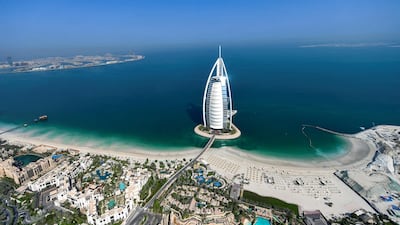
At 321 metres, the Burj Al Arab in Dubai is one of the world's tallest hotels. AFP -

For the thrill-seeking tourist, Ras Al Khaimah is home to the world's longest zip-line, at Toroverde Adventure Park on Jebel Jais, the UAE's highest peak. RAK Tourism -

For sheer spectacle, Dubai is home to many of the Middle East's tallest buildings. Reem Mohammed / The National -

The Ruler of Sharjah, Sheikh Dr Sultan bin Muhammad Al Qasimi, has been at the heart of efforts to restore Khor Fakkan’s heritage buildings. Here is a view of the city at sunset from the Burj Rabi, a traditional guard tower erected to keep watch over the city of old. Antonie Robertson/The National -
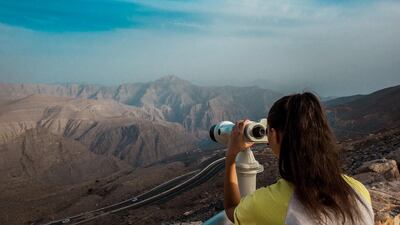
Jebel Jais in Ras Al Khaimah, the UAE's highest peak. RAK Tourism Authority -
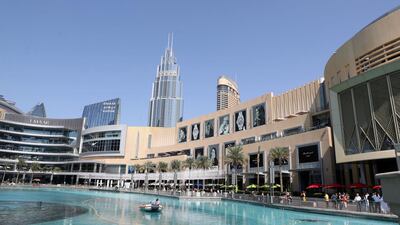
Dubai Mall, a draw for millions of tourists where shopping becomes spectacle. Chris Whiteoak / The National -
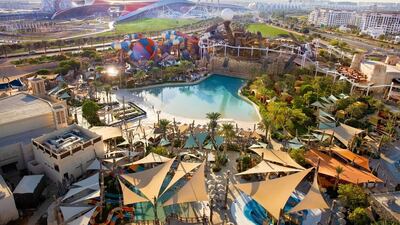
A visit to Yas Island in Abu Dhabi with its many themed attractions can involve Yas Waterworld. Yas Island -
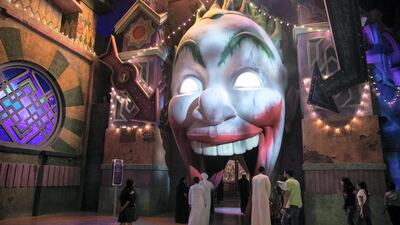
Warner Bros World Abu Dhabi on Yas Island brings big screen themes to life for visitors. Reem Mohammed / The National -

Abu Dhabi is rich in natural heritage. Kayakers at the Eastern Mangroves area. Victor Besa/The National -

Sheikh Zayed Grand Mosque in Abu Dhabi, the largest place of worship in the UAE and a symbol that demonstrates the diversity of the Islamic world. Ryan Carter / The National -
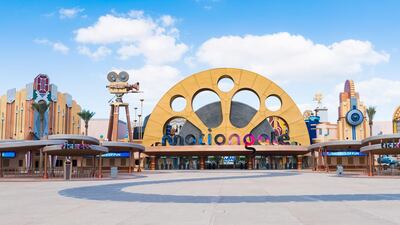
Dubai Parks and Resorts' Motiongate Dubai attraction. Dubai Parks and Resorts -

Legoland Water Park, one of several parks at Dubai Parks and Resorts, recently reopened at weekends. Dubai Parks and Resorts -
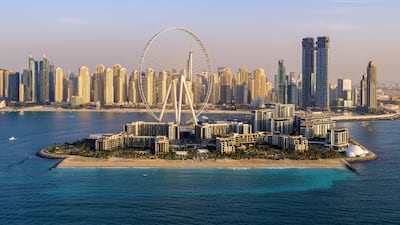
Caesars Bluewaters Dubai island resort. Caesars Bluewaters Dubai -
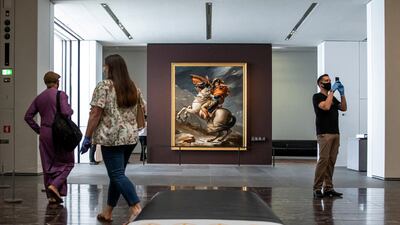
Louvre Abu Dhabi on Saadiyat Island. Victor Besa / The National -
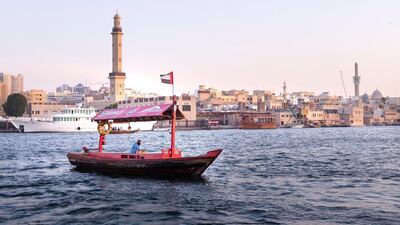
Dubai Creek predates the modern city but grew with and is a tourist destination in its own right. Reem Mohammed / The National -
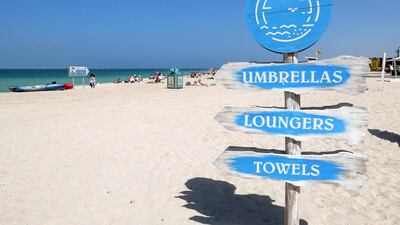
Kite Beach at Umm Suqeim in Dubai. Pawan Singh / The National -

A cityscape from the observation deck of The View at The Palm Jumeirah in Dubai AP -
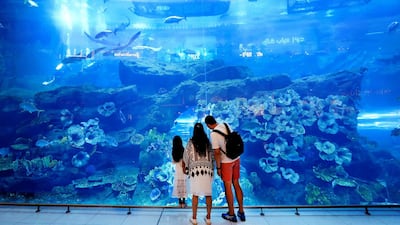
Dubai Aquarium at Dubai Mall. Chris Whiteoak / The National



