


The Dubai Turtle Rehabilitation Project is celebrating its 10th year. Warren Baverstock and his team of marine specialists have been rehabilitation sick or injured turtles in the UAE waters since 2004 and have seen the number of rescured turtles grow.
-

-

Since the Dubai Turtle Rehabilitation Project (DTRP) was set up a decade ago by the Jumeirah Group, more than 690 healthy sea turtles have been released back into Dubai’s waters. Jaime Puebla / The National -
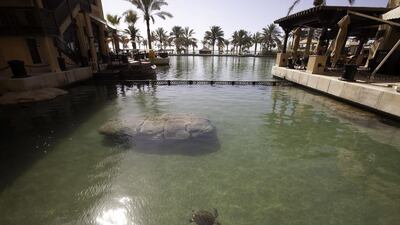
Treating turtles is notoriously difficult because of a lack of anatomical information and their shell, which makes it difficult to access the turtle’s body. Their rehabilitation can take up to three years. Jaime Puebla / The National -
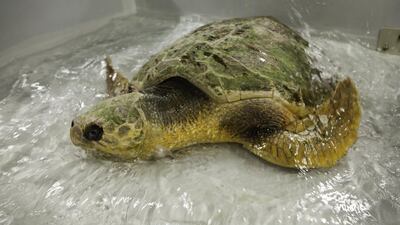
A large part of the programme is education and awareness. The DTRP staff give talks to schoolchildren, as well as bi-weekly presentations and feeding demonstrations at the Madinat turtle pens. Jaime Puebla / The National -

The vast majority of turtles are brought to the “intensive care” centre, which sits 18 metres under sea level in the basement of the Burj Al Arab hotel, by regular beachgoers. Jaime Puebla / The National -
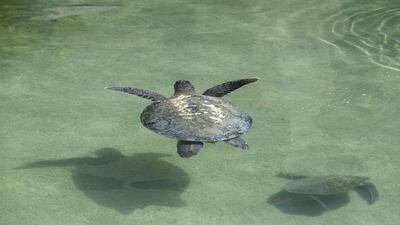
Turtles are cared for at the Dubai Turtle Rehabilitation Project. Jaime Puebla / The National -
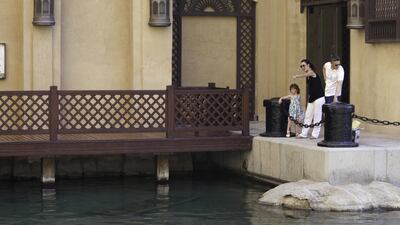
From here they move to two outdoor “turtle pens” at the Madinat Jumeirah, where staff can continue to monitor their progress before being released. Jaime Puebla / The National -
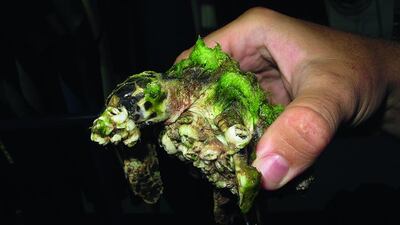
The most common injuries and illnesses are intestinal impaction, barnacle build-up and injuries caused by jet skis, boats and entanglements with fishing nets. The animals are known as opportunistic feeders, meaning that they will eat virtually anything they come across. Courtesy DTRP -
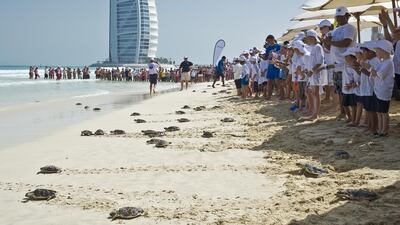
Hawksbills mate biannually and lay about 90 to 100 eggs in a nesting hole dug by the female, using her flippers. The turtles usually return to the same place that they were hatched, 30 or 35 years later. Once the eggs are laid, the female will return to the sea — the hatchlings will emerge after about two months and instinctively head to the water. Courtesy DTRP
In pictures: Dubai Turtle Rehabilitation Project
Most popular today

