



Education authorities in Dubai, Abu Dhabi, and Sharjah are sending inspectors into private schools and their findings are expected later this year.
Abu Dhabi is yet to say when inspection results will be published, but Dubai will announce them before the end of the academic year in June and Sharjah will release them in March.
The inspections are designed to ensure that schools perform well in all areas and give parents a clear understanding of what schools offer, their strengths and weaknesses and help them find one best suited to their children.
The schools are rated as outstanding, very good, good, acceptable and unacceptable - with the best ones qualifying for the highest fee increases.
In Dubai and Abu Dhabi, inspections in person were halted during the coronavirus pandemic and inspectors assessed schools using online means.
Dubai
Dubai’s private schools' regulator, the Knowledge and Human Development Authority (KHDA), is inspecting schools at present and reports are expected by June.
KHDA began assessing schools in 2008 and the inspections are carried out every year.
Sixty-nine out of more than 200 schools were inspected during the first phase of inspections between October and December 2008.
In 2019, the last year of in-person assessment, 176 schools were inspected, including 11 for the first time.
That year, 17 schools given an outstanding rating included Kings’ School Dubai, Gems Wellington, Gems Jumeirah College and Dubai College. Another 28 were rated very good, 74 were ranked good and 52 were rated acceptable. Five were rated weak.
Dubai's government has frozen private tuition fees for three years in a row. Before that, fees could be raised by about 2 per cent to 5 per cent annually, depending on academic performance.
Any increase in tuition fees is based on the Education Cost Index (ECI), announced annually by regulators.
The ECI measures annual changes in school running costs, including salaries, rents and utilities.
Both the ECI and the fee framework were developed in collaboration with government departments such as the Dubai Statistics Centre, the Department of Economic Development and the Dubai Chamber of Commerce.
Abu Dhabi
Abu Dhabi’s Department of Education and Knowledge (ADEK) is in the process of inspecting private schools but has not revealed when results may be announced.
Inspection ratings for private schools in the emirate were last published by Abu Dhabi’s Department of Education and Knowledge in 2019, before the coronavirus pandemic.
As part of the evaluation, schools were judged in several categories, including pupils’ achievement, personal and social development, innovation skills, teaching and assessment, and leadership and management of the school.
Nine top-ranked private schools included some that have been named among the world’s top 100. Aldar Academies’ Al Yasmina and The Pearl were the only schools to be added to the outstanding list after the 2019-2020 inspection cycle.
The emirate is home to 23 schools rated very good and 68 schools ranked good and one rated weak.
Schools in the emirate are inspected every two years.
The average increase in fees is about 3 per cent and has to be approved by ADEK.
Sharjah
The Sharjah Private Education Authority (SPEA) launched the first phase of its inspection programme in October 2022 and 36 private schools have been assessed so far.
Dr Muhadditha Al Hashimi, chairman of Sharjah Private Education Authority, confirmed that the second phase of the inspections will end in March and 74 schools will be assessed.
Schools will be evaluated on their performance in categories such as pupils' achievements, well-being and protection as well as teaching assessments, curriculum, and leadership.
Experts from SPEA will spend four days in each school as part of the process.
Sharjah's private schools will be provided with detailed reports outlining the schools' strengths and weaknesses.
SPEA said schools could also face administrative penalties if they failed to improve.
These include not being able to increase fees and being prohibited from implementing expansion plans until they improve their performance and ranking.
The assessment will happen once every two years for schools that are rated good and once every four years for schools that get an excellent or very good ranking.
Dubai’s top ranked schools - in pictures
-

Dubai English Speaking School (Dess), one of the oldest schools in the country, was established in 1963 in a room of a residential villa in Dubai. Ruel Pableo / The National -
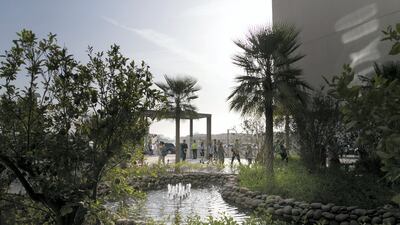
Located in Barsha South, Gems Dubai American Academy focuses on celebrating diversity, resilience, creativity and driving positive change. Reem Mohammed / The National -
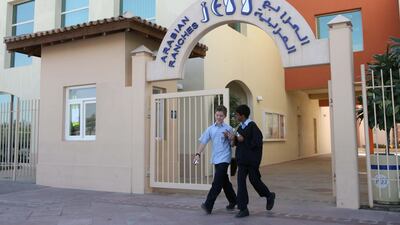
The Jumeirah English Speaking School at Arabian Ranches. The non-profit school was started in an apartment in Deira in 1975 with only 17 pupils. Stephen Lock / The National -
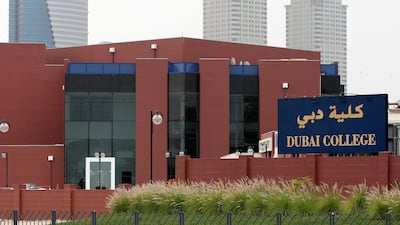
Dubai College in Al Sufouh is one of the oldest in the city and often touted as one of the best in the emirate. Pawan Singh / The National -
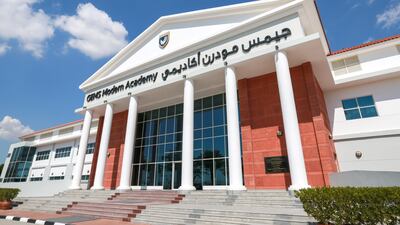
Gems Modern Academy, located in Nad Al Sheba 3, was founded in 1986 and is the only Indian curriculum school in Dubai to be ranked as outstanding by the KHDA. Victor Besa / The National -

Located in Emirates Hills, Dubai British School has 1,171 pupils and is sought after by families. Chris Whiteoak / The National -
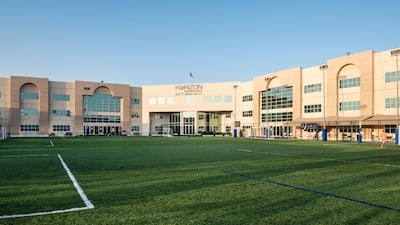
Horizons English school, situated in Dubai’s Al Wasl area, caters to foundation stage one to Year 6, with almost 1,000 pupils enrolled. Photo: Horizons English School -
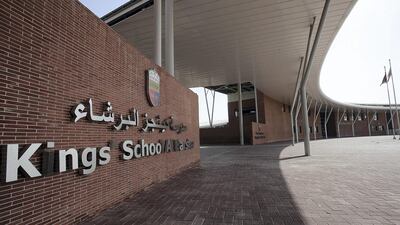
Kings School Barsha is a relatively new school, opening in September 2014, and has managed to achieve a DSIB score of 'outstanding' in its last two inspections. Satish Kumar / The National -
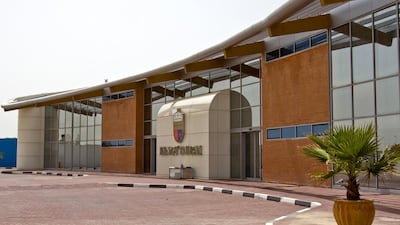
Located in Umm Suqeim, close to Burj Al Arab, Kings School Dubai offers primary education for children aged 3 to 11. Photo: Kings School -
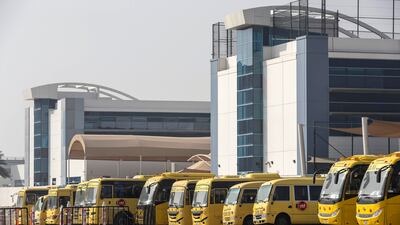
Gems Wellington International School in Al Sufouh offers both the UK curriculum and the International Baccalaureate programme. Antonie Robertson / The National -
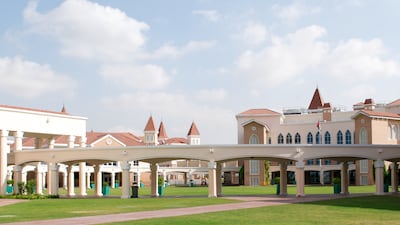
The Repton School located in Nad El Sheba is one of three branches in the UAE. Photo: Repton Dubai -
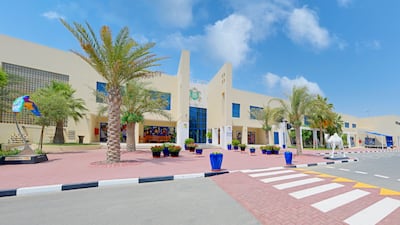
Gems Jumeirah Primary School in Jumeirah 3 is one of the most sought-after primary schools in the emirate and has been rated 'outstanding' since 2010 by the KHDA. Photo: Jumeirah Primary School -
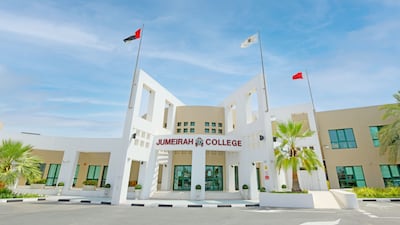
Jumeirah College, a UK curriculum school located in Al Safa 1, has 1,125 pupils from 59 countries. Photo: Jumeirah College -
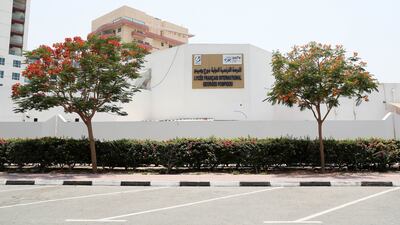
Pupils at Lycee Francais International Georges Pompidou have a consistently outstanding performance in mathematics across all ages, DSIB's latest quality indicators report showed. Pawan Singh / The National -
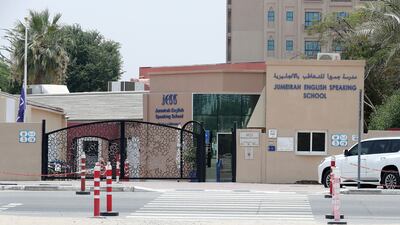
Jumeirah English Speaking School at Al Safa 1 has a little more than 2,000 pupils. Pawan Singh / The National -
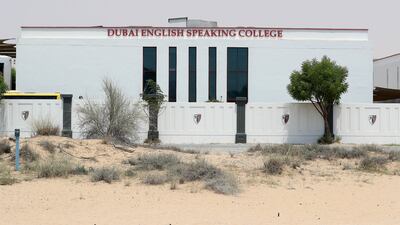
Dubai English Speaking College at Academic City was established with the aim of providing quality British education for pupils up to the age of 18 and preparing them for entry into university. Pawan Singh / The National -
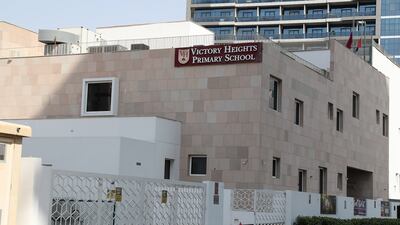
Victory Heights Primary School, located in the heart of the Sports City community opened in 2012. Teaching the British curriculum, it has just under 1,000 pupils. Pawan Singh / The National -
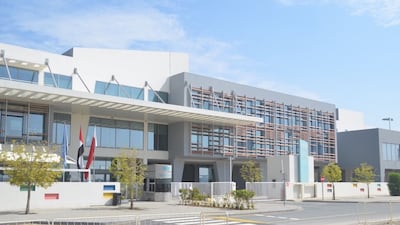
The Nord Anglia International School Dubai, located in Al Barsha 3, teaches pupils from early years up to Year 13. Photo: Nord Anglia International School Dubai -
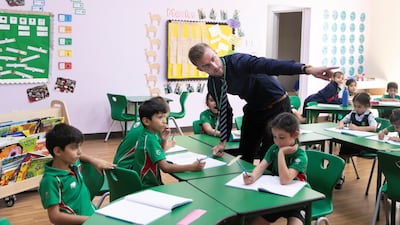
Dubai International Academy opened in Emirates Hills in 2005. It has more than 2,600 pupils, ranging in ages from 3 to 18. Reem Mohammed / The National -
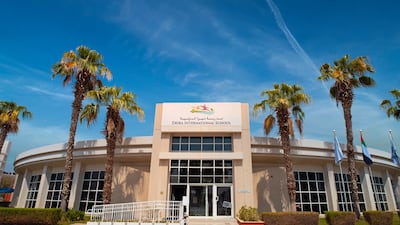
Deira International School, in Al Badia, Festival City, has just over 1,800 pupils enrolled, ranging in age from 3 to 18. Photo: Deira International School



