


More than 3,800 workers in Abu Dhabi have received their unpaid wages in full after the emirate's labour court ruled in their favour.
The court passed judgments in these cases in the first three months of this year and the workers received a total of more than Dh106 million, Abu Dhabi Judicial Department said. It was not clear if the total amount also included money paid for unfair dismissal.
Figures released by Abu Dhabi Labour Court showed that rulings were issued in 1,893 claims of the 1,932 registered at the level of the Court of First Instance between January and March. The other cases are still pending.
During the same period, 506 cases were moved up to the Court of Appeal and verdicts were given in 490 of them. Sixteen cases are still pending.
The Labour Court also received 24,687 online requests and all were settled amicably without further appeal.
Abu Dhabi Judicial Department’s online service received 806 requests from people asking for information on employee rights and answered 97 per cent of them.
What can an employee do if not paid on time?
Private companies must transfer the salaries of their employees to bank accounts to avoid fines.
Salaries should be transferred through the Wage Protection System on fixed dates. Wages not transferred within 10 days of the due date are considered a late payment and there are fines for companies that flout rules.
Employees can file complaints to the Ministry of Human Resources and Emiratisation if any of their rights that are mentioned in the UAE Labour Law are not honoured.
The ministry tries to work out an amicable settlement between the employees and employer within two weeks, but if that does not happen it forwards the dispute to the Labour Court.
Once an approval to take the case to court is issued by the ministry, the employees must register the case in court.
How to file a complaint?
A group of employees can file one complaint online but should include all the names of the complainants.
Once the complaint has been filed, the labour authority notifies the employer and holds a hearing before the ministry.
The workers should submit documents such as a copy of the employment contract, visa, Emirates ID, and last salary receipt and prove that salaries were not paid, which can be easily done through the WPS.
Labour dispute cases in Abu Dhabi courts can be registered online. Hearings can be held remotely or at the workers' location in cases that involve a large number of complainants, through the Mobile Court.
“This is to ensure that cases are promptly settled and judgments enforced according to the labour law and its regulations, in order to serve the rights of both parties and to strengthen the stability of the labour market,” said Saeed Al Abri, undersecretary of Abu Dhabi Judicial Department.
“Figures [for the first three months of this year] reflect the extent of achievements and efforts made to ensure that justice has been served and people were granted their entitlements in record time.
“This is in line with the vision of the Abu Dhabi government to develop a judicial system that delivers world-class services and supports growth and investment.”
Mr Al Abri said the Labour Court ensures it carries out its work in accordance with the changes introduced to the laws that came into effect on February 2 this year.
UAE Salary guide 2022 - in pictures
-
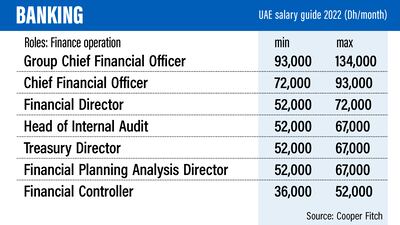
UAE salary guide 2022 -
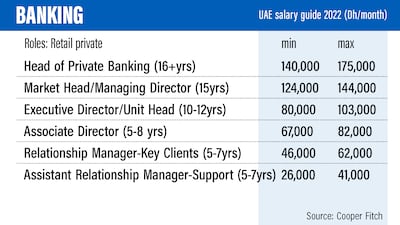
UAE salary guide 2022 -
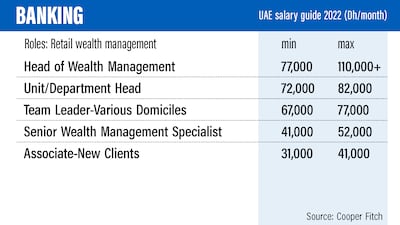
UAE salary guide 2022 -
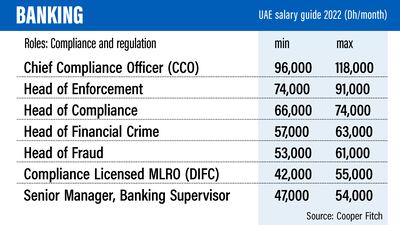
UAE salary guide 2022 -
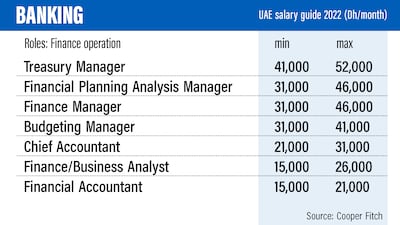
UAE salary guide 2022 -
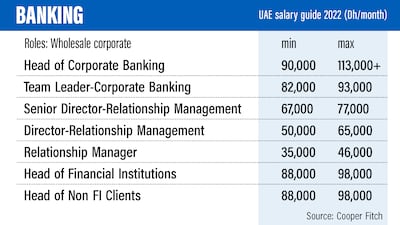
UAE salary guide 2022 -
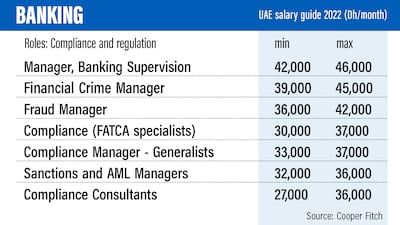
UAE salary guide 2022 -
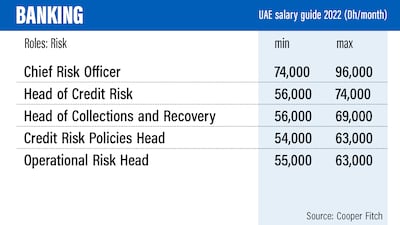
UAE salary guide 2022 -
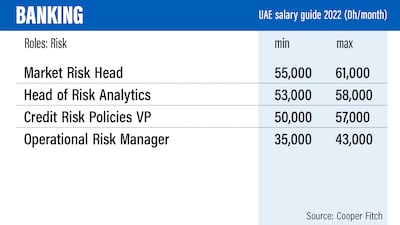
UAE salary guide 2022 -
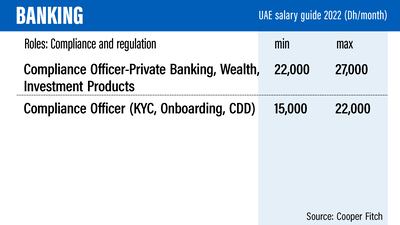
UAE salary guide 2022 -
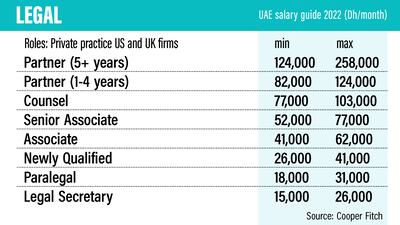
UAE salary guide 2022 -
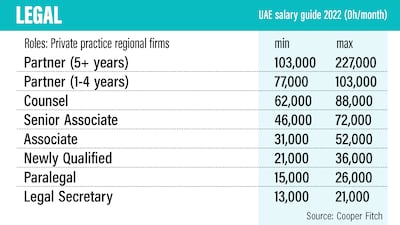
UAE salary guide 2022 -
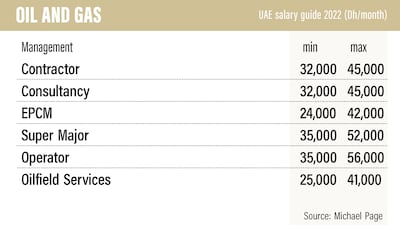
UAE Salary guide 2022 -
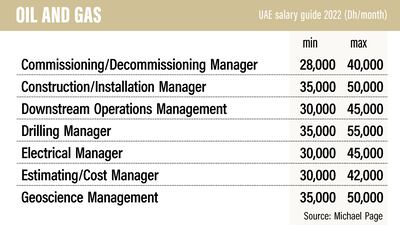
UAE Salary guide 2022 -
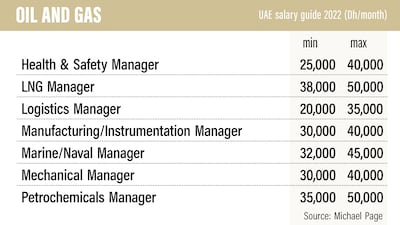
UAE Salary guide 2022 -
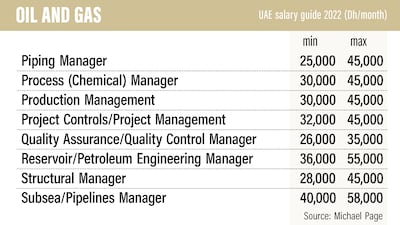
UAE Salary guide 2022 -
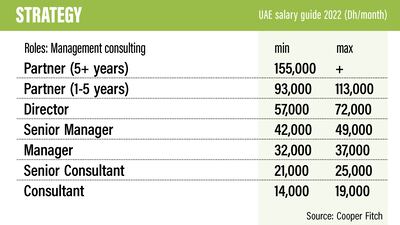
UAE salary guide 2022 -
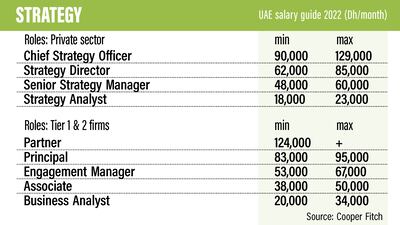
UAE salary guide 2022 -
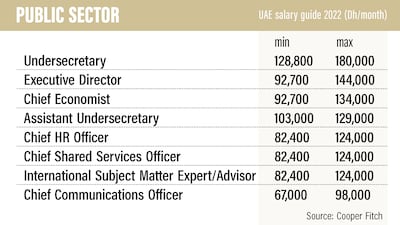
UAE salary guide 2022 -
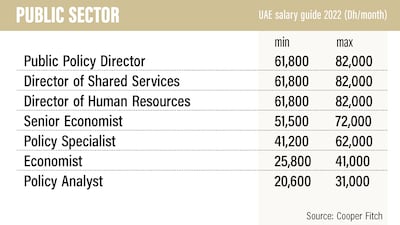
UAE salary guide 2022 -
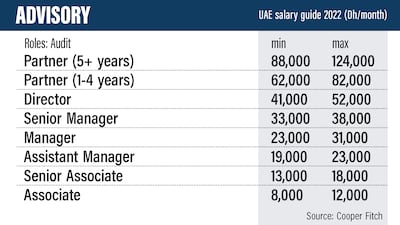
UAE salary guide 2022 -
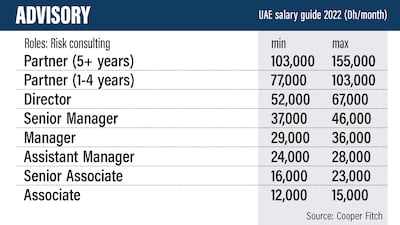
UAE salary guide 2022 -
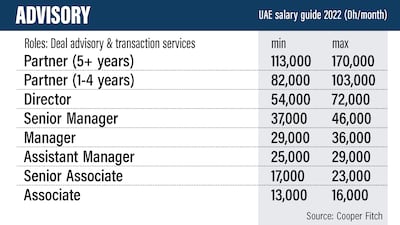
UAE salary guide 2022 -
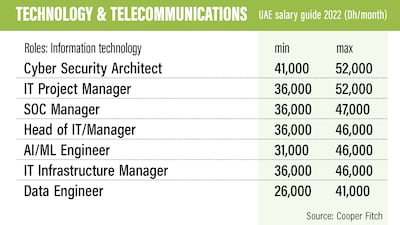
UAE salary guide 2022 -
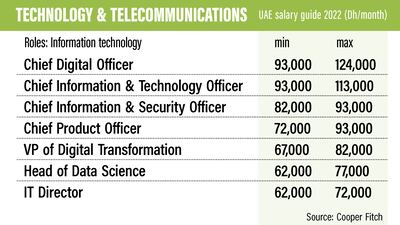
UAE salary guide 2022 -

UAE salary guide 2022 -
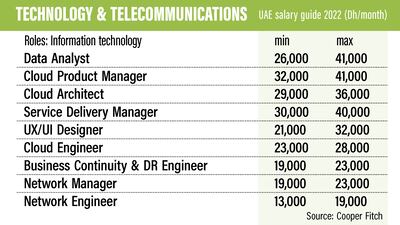
UAE salary guide 2022 -
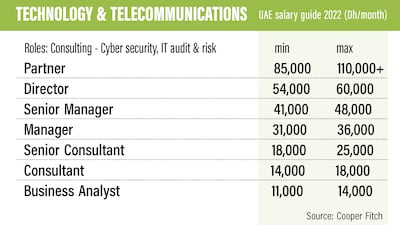
UAE salary guide 2022 -
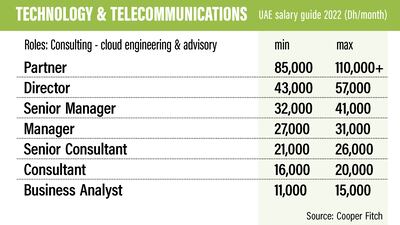
UAE salary guide 2022 -
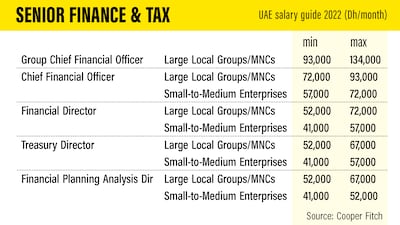
UAE salary guide 2022 -
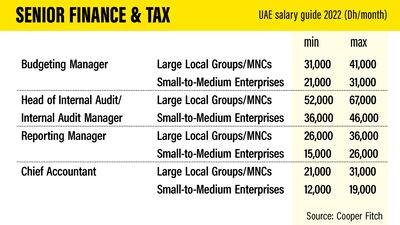
UAE salary guide 2022 -
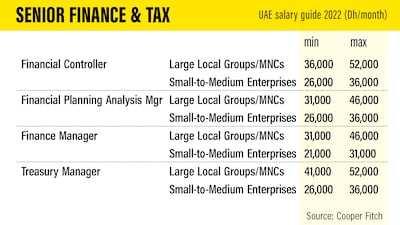
UAE salary guide 2022 -
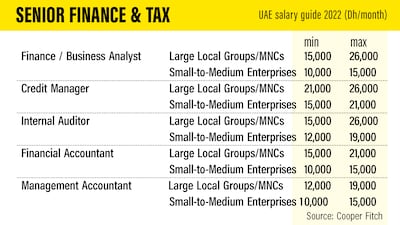
UAE salary guide 2022 -
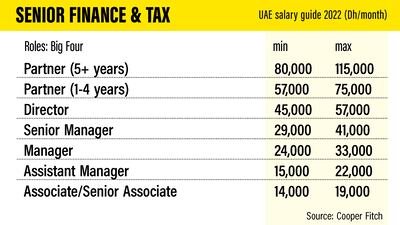
UAE salary guide 2022 -
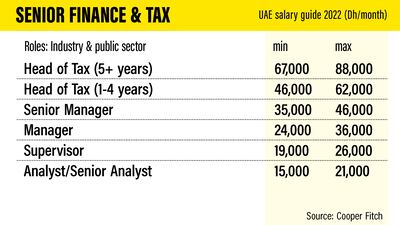
UAE salary guide 2022 -
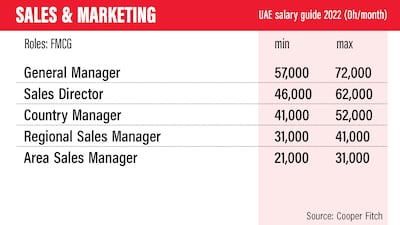
UAE salary guide 2022 -
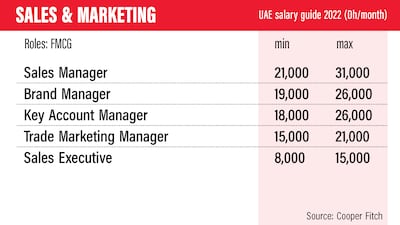
UAE salary guide 2022 -

UAE salary guide 2022 -

UAE salary guide 2022 -
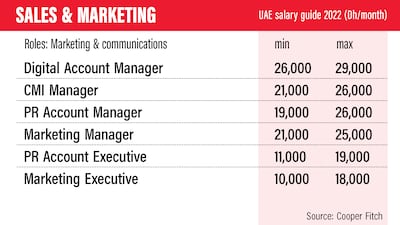
UAE salary guide 2022 -
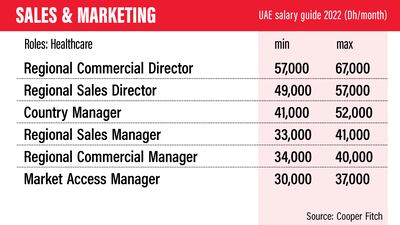
UAE salary guide 2022 -
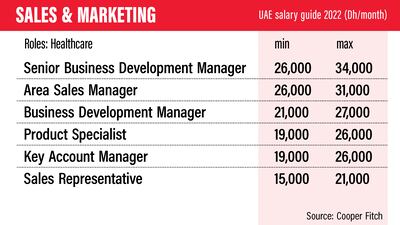
UAE salary guide 2022 -

UAE salary guide 2022 -

UAE salary guide 2022 -
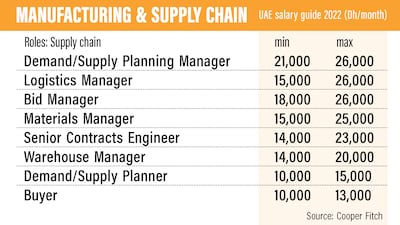
UAE salary guide 2022 -
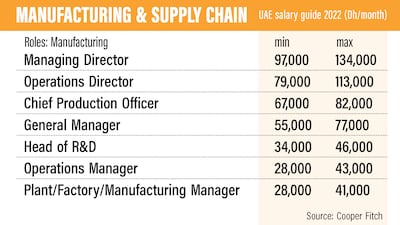
UAE salary guide 2022 -
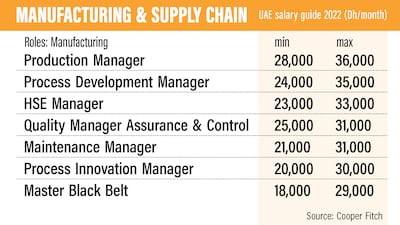
UAE salary guide 2022 -
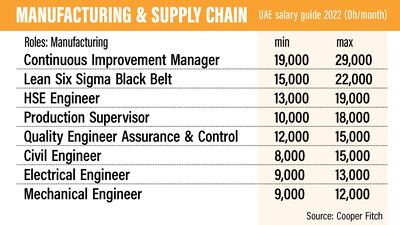
UAE salary guide 2022 -
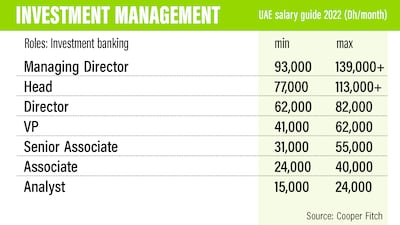
UAE salary guide 2022 -
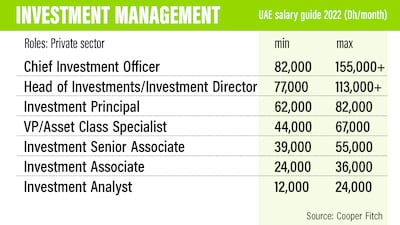
UAE salary guide 2022 -
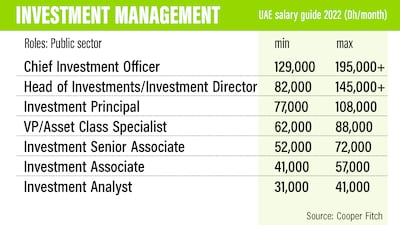
UAE salary guide 2022 -
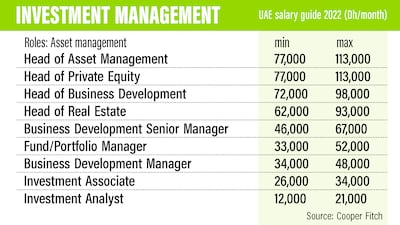
UAE salary guide 2022 -
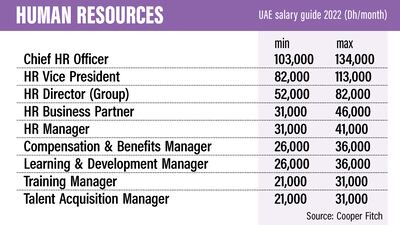
UAE salary guide 2022 -
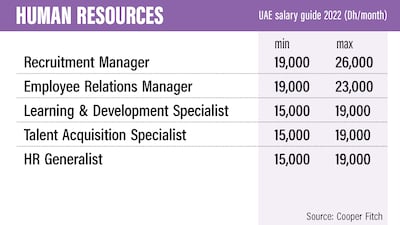
UAE salary guide 2022 -
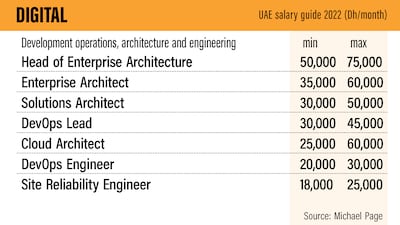
UAE Salary guide 2022 -
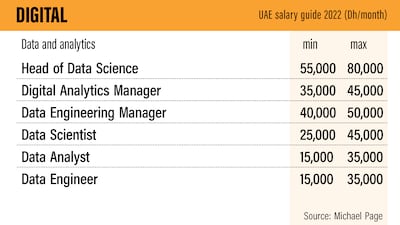
UAE Salary guide 2022 -
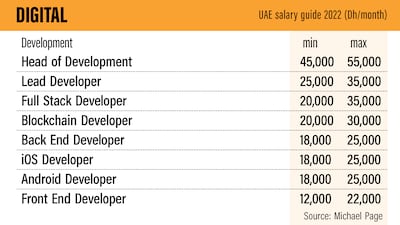
UAE Salary guide 2022 -

UAE Salary guide 2022 -
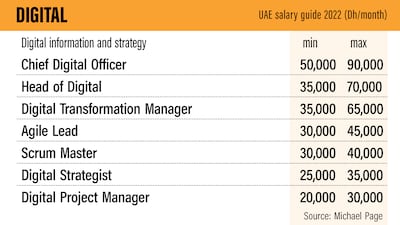
UAE Salary guide 2022 -
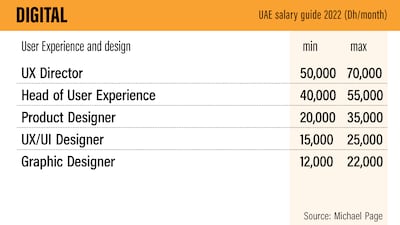
UAE Salary guide 2022 -
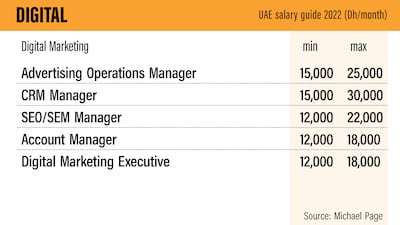
UAE Salary guide 2022 -
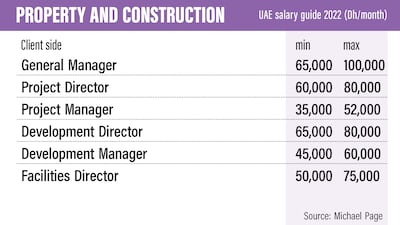
UAE Salary guide 2022 -
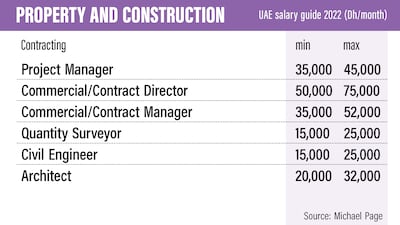
UAE Salary guide 2022 -
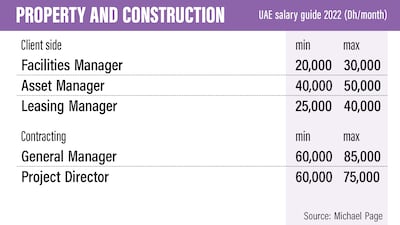
UAE Salary guide 2022 -

UAE Salary guide 2022 -
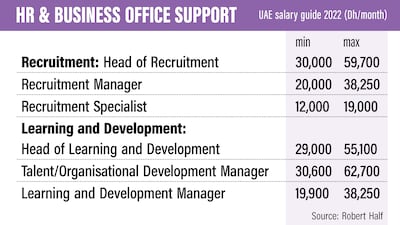
UAE Salary guide 2022 -
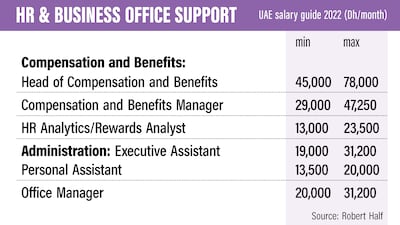
UAE Salary guide 2022 -
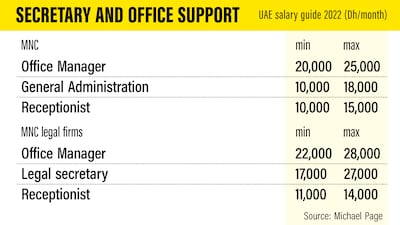
UAE Salary guide 2022 -
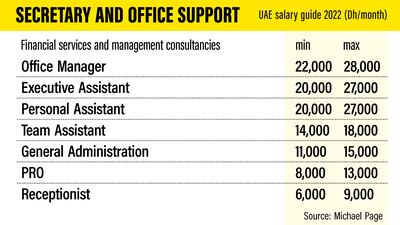
UAE Salary guide 2022 -
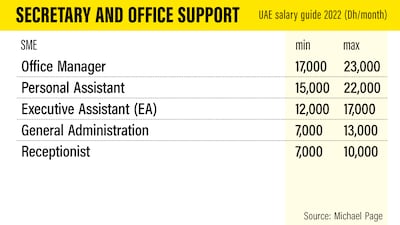
UAE Salary guide 2022 -
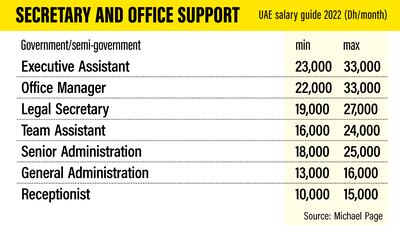
UAE Salary guide 2022 -
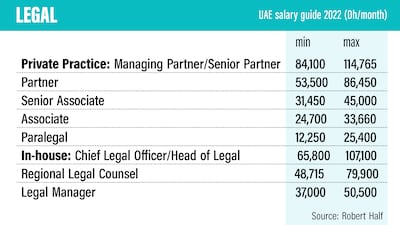
UAE Salary guide 2022 -
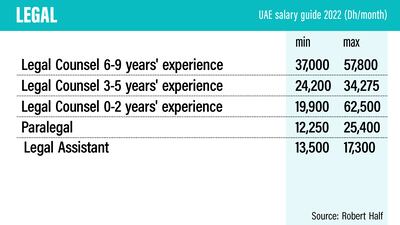
UAE Salary guide 2022 -
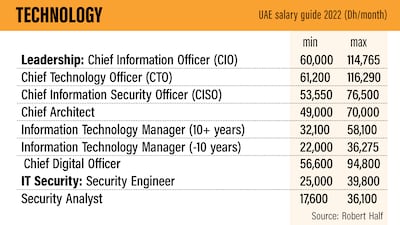
UAE Salary guide 2022 -
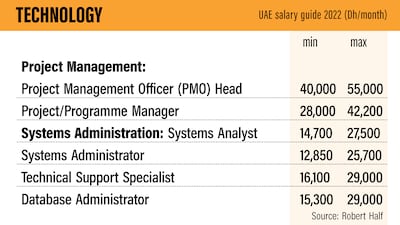
UAE Salary guide 2022 -
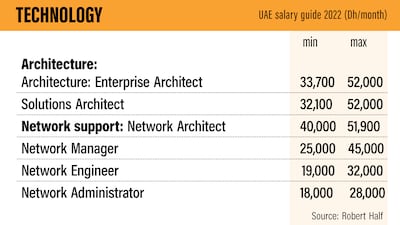
UAE Salary guide 2022 -
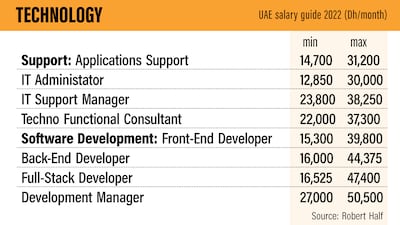
UAE Salary guide 2022 -
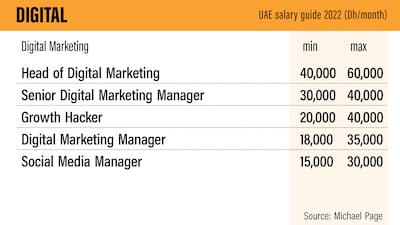
UAE Salary guide 2022 -
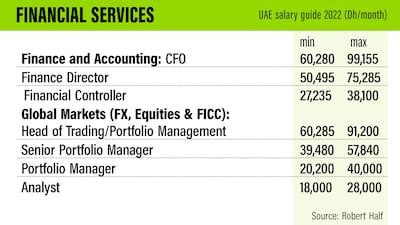
UAE Salary guide 2022 -
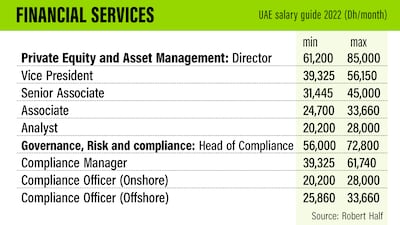
UAE Salary guide 2022 -
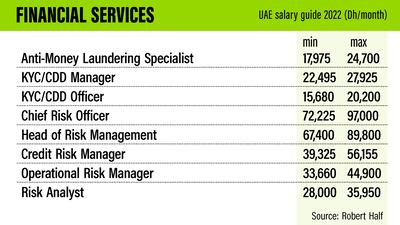
UAE Salary guide 2022 -
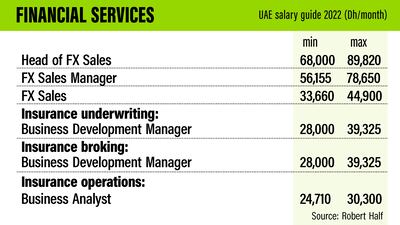
UAE Salary guide 2022 -
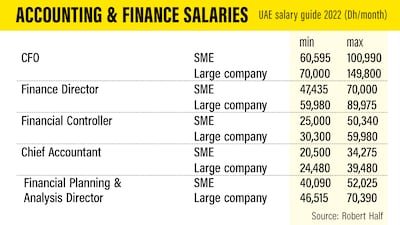
UAE Salary guide 2022 -
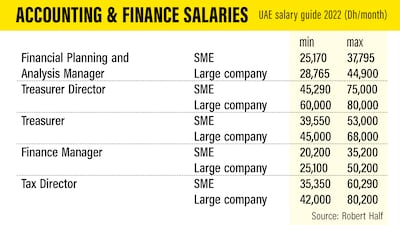
UAE Salary guide 2022 -
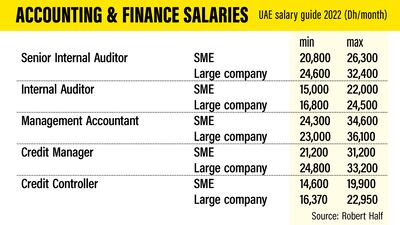
UAE Salary guide 2022 -
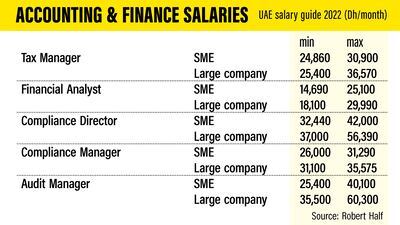
UAE Salary guide 2022 -

UAE Salary guide 2022



