

Sheikh Mohammed bin Rashid, Vice President and Ruler of Dubai, has announced the return of a major winter tourism push aimed at driving up visitor numbers for all seven emirates.
The 'world's coolest winter' campaign sets out to cement the country's growing status as a leading tourism destination both at home and abroad.
Sheikh Mohammed said departments across the Emirates would work as one to celebrate the best the country has to offer.
"Local and federal tourism departments are working as one team to establish the UAE as a major tourist destination," said Sheikh Mohammed on twitter.
Sheikh Mohammed said the goal of the scheme was to encourage visitors to explore all corners of "our beautiful nation".
Primarily, it would be aimed at bolstering the domestic tourism industry.
He shared a video highlighting the rich array of attractions in the country to his millions of followers on the social media platform.
-
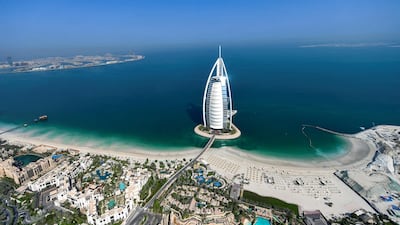
At 321 metres, the Burj Al Arab in Dubai is one of the world's tallest hotels. AFP -
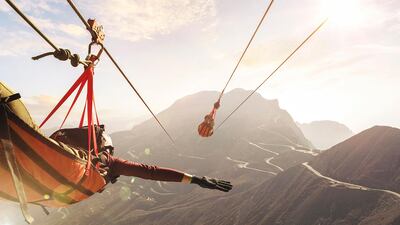
For the thrill-seeking tourist, Ras Al Khaimah is home to the world's longest zip-line, at Toroverde Adventure Park on Jebel Jais, the UAE's highest peak. RAK Tourism -

For sheer spectacle, Dubai is home to many of the Middle East's tallest buildings. Reem Mohammed / The National -

The Ruler of Sharjah, Sheikh Dr Sultan bin Muhammad Al Qasimi, has been at the heart of efforts to restore Khor Fakkan’s heritage buildings. Here is a view of the city at sunset from the Burj Rabi, a traditional guard tower erected to keep watch over the city of old. Antonie Robertson/The National -
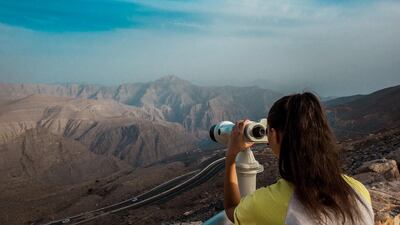
Jebel Jais in Ras Al Khaimah, the UAE's highest peak. RAK Tourism Authority -
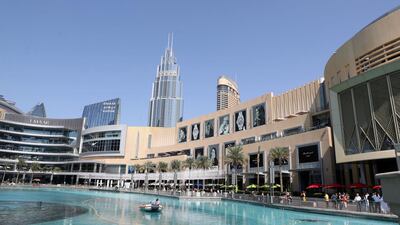
Dubai Mall, a draw for millions of tourists where shopping becomes spectacle. Chris Whiteoak / The National -
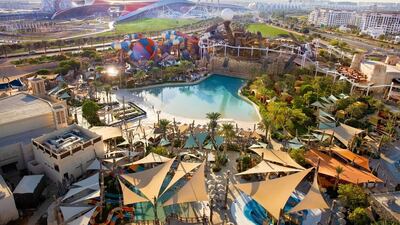
A visit to Yas Island in Abu Dhabi with its many themed attractions can involve Yas Waterworld. Yas Island -
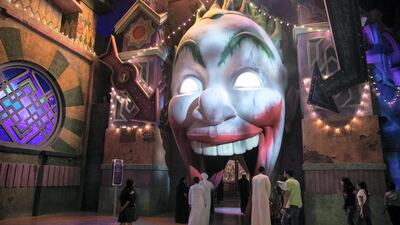
Warner Bros World Abu Dhabi on Yas Island brings big screen themes to life for visitors. Reem Mohammed / The National -

Abu Dhabi is rich in natural heritage. Kayakers at the Eastern Mangroves area. Victor Besa/The National -

Sheikh Zayed Grand Mosque in Abu Dhabi, the largest place of worship in the UAE and a symbol that demonstrates the diversity of the Islamic world. Ryan Carter / The National -
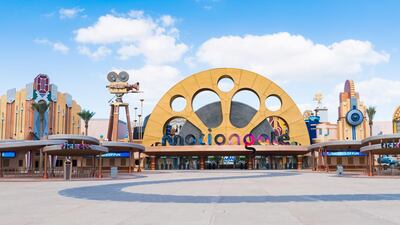
Dubai Parks and Resorts' Motiongate Dubai attraction. Dubai Parks and Resorts -

Legoland Water Park, one of several parks at Dubai Parks and Resorts, recently reopened at weekends. Dubai Parks and Resorts -
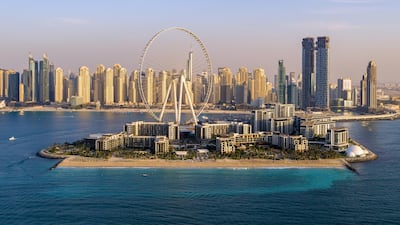
Caesars Bluewaters Dubai island resort. Caesars Bluewaters Dubai -
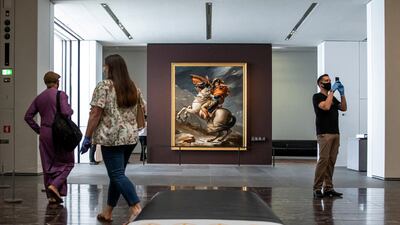
Louvre Abu Dhabi on Saadiyat Island. Victor Besa / The National -
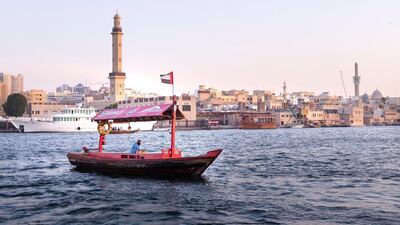
Dubai Creek predates the modern city but grew with and is a tourist destination in its own right. Reem Mohammed / The National -
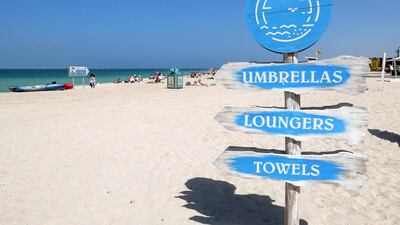
Kite Beach at Umm Suqeim in Dubai. Pawan Singh / The National -

A cityscape from the observation deck of The View at The Palm Jumeirah in Dubai AP -
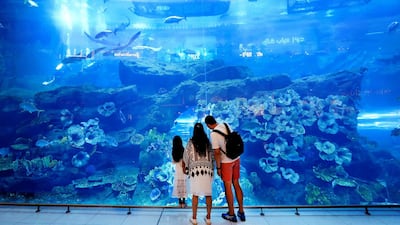
Dubai Aquarium at Dubai Mall. Chris Whiteoak / The National


"The most beautiful winter in the world campaign has an internal goal in the first degree, and global in the second.
"Our families get together in our beautiful nation. Families from Abu Dhabi and Dubai enjoy the beauty of Ras Al Khaimah and Fujairah. Families from the rest of the UAE come to Dubai and Abu Dhabi and experience the best of times in their touristic facilities. We want everyone to enjoy themselves in the UAE."
The new campaign, led by the Ministry of Economy in partnership with various authorities, will run from today until the end of January, 2022.
The UAE Government Media Office described it as the largest domestic tourism strategy undertaken by the country.
The initiative aims to build on the success of the first 'World's coolest winter' campaign introduced in December last year.
The 45-day drive was part of a wider strategy to promote the UAE as one destination.
The plan aimed to double by 2030 the annual Dh41.2 billion ($11.2bn) spent on domestic tourism and encourage staycations.
Earlier this week, Dubai launched its own promotional campaign in line with an ambitious vision to become the "world's best city to live and visit".
The initiative, called Dubai Destinations, will bring together government departments and the growing creative community to share the best of the emirate with the world.
The strategy will complement Dubai's efforts to enhance its profile as a leading global destination, focusing on a wide variety of leisure, dining, cultural and sporting experiences.
Dubai Media Council will develop a Dubai Destinations calendar with an initial focus on outdoor activities.
The campaign will also feature guides designed to help people explore Dubai’s top-rated experiences, campsites, outdoor activities and home-grown restaurants.
The beauty of the UAE - in pictures:
-
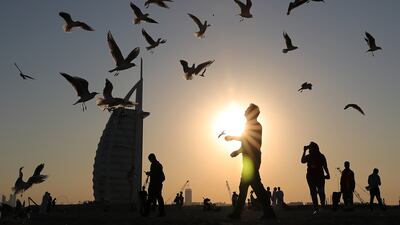
Seagulls at the Jumeirah open beach near the Burj Al Arab hotel in Dubai. Pawan Singh / The National -
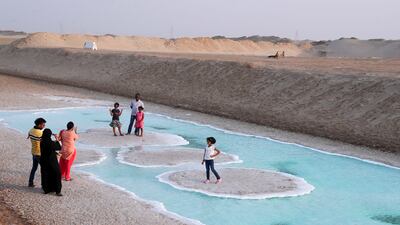
Families visit Abu Dhabi's salt lake flats at sunset, a popular place for photos and where cooler temperatures can be enjoyed. Khushnum Bhandari / The National -
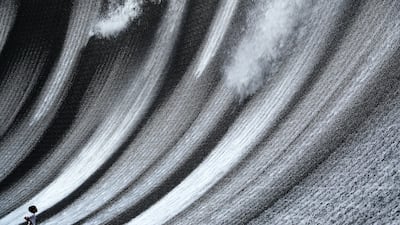
A child enjoying the water feature at the Expo 2020 site in Dubai. Pawan Singh/The National. -

Dhows unloading and loading items by Deira's Spice Market. For many people, the creek (Khor) with its dhow moorings, abra water taxis, and souks is the very essence of the old city - the place where many things have started. For decades, Dubai Creek has been a hub of activity as traders bring in goods and sell their wares at the bustling markets nearby. Reem Mohammed / The National -
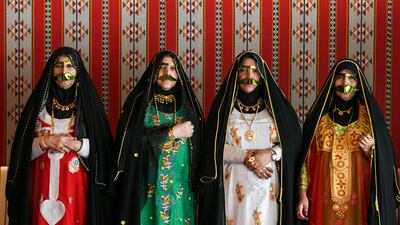
Mariam Mohammed Al Kabi, Sameha Ahmed Al Kabi, Nadia Khalifa Al Shamsi and Ateeja Al Mherbi; artisans at the Women's Handicraft Centre in Abu Dhabi. Khushnum Bhandari / The National -

Emiratis practising falconry in the desert. Reem Mohammed / The National -
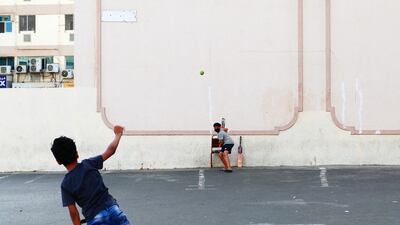
Kids playing cricket in the parking area in Bur Dubai. Pawan Singh / The National -

The mobility pavilion on the 11th day of Expo 2020 Dubai. Chris Whiteoak / The National -

The first Eid prayer is performed at the Eid prayer ground in Al Barsha, Dubai. Chris Whiteoak / The National -

A person walking in Dubai's Design District. Chris Whiteoak / The National -

Sunset at the Tal Mureeb dunes in Liwa, Empty Quarter, Abu Dhabi. Victor Besa / The National -

The town of Qo'a, a Bidoon community on the Abu Dhabi-Oman border. Chris Whiteoak / The National -
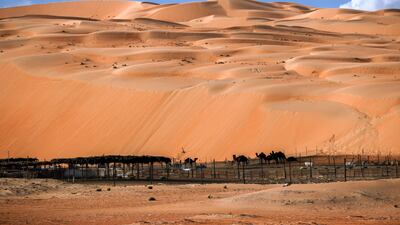
Near the Qutuf watchtower which guarded the southern approaches to settlements in the central part of the Liwa Crescent, inhabited by the Mahadhar, in Abu Dhabi. Victor Besa / The National -

Sunrise at a camp set up in Dubai’s desert. Reem Mohammed / The National -
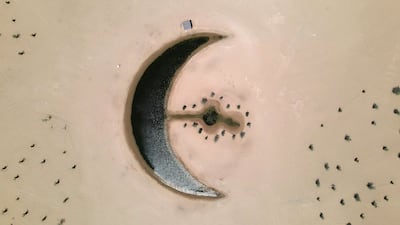
The crescent moon lake in the Al Qudra Desert, Dubai. Pawan Singh / The National -
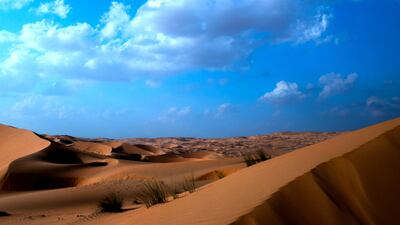
Near the Qutuf watchtower in the Liwa Crescent, Abu Dhabi. Victor Besa / The National -

Al Madam buried ghost village, Sharjah. Chris Whiteoak / The National -
Desert landscape at sunset in Ajman. Pawan Singh / The National -
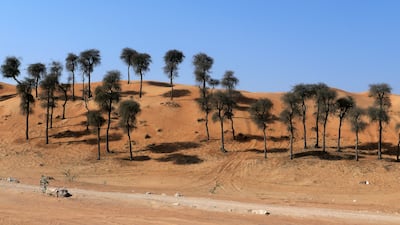
Beauty of the desert landscape in Ajman. Pawan Singh / The National -
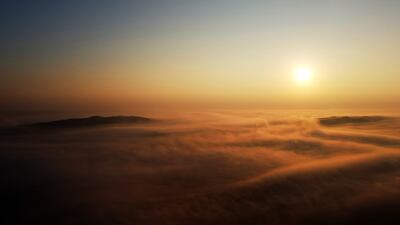
Early morning fog in the desert in Al Badayer, Sharjah. Pawan Singh / The National -

The landscape as seen from Jebel Hafeet in Al Ain. Pawan Singh / The National -

Obaid Saeed Obaid's farm in Wadi Kub, Ras Al Khaimah. Reem Mohammed / The National -

Off-road enthusiasts go dune bashing on a mountainside in Sharjah. Chris Whiteoak / The National -

The world's longest zip line at Jebel Jais in Ras Al Khaimah. Chris Whiteoak / The National -

Maliha, Sharjah. Pawan Singh / The National -

At the top of the world's longest zip line at Jebel Jais in Ras Al Khaimah. Chris Whiteoak / The National -

Rashed Naib, an employee on Abdullah Al Mazrooie's farm in Al Ghail. Reem Mohammed / The National -

The sun sets over the mountains in Ras Al Khaimah. Chris Whiteoak / The National -
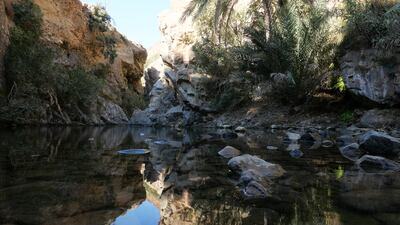
Beautiful scenery and fresh water at Wadi Shis, a seasonal watercourse, in the Hajar Mountains of Sharjah. Pawan Singh / The National -

The mountains in Ras Al Khaimah against a typically clear blue UAE sky. Chris Whiteoak / The National -

Heavy morning fog at Dubai Marina. Chris Whiteoak / The National -
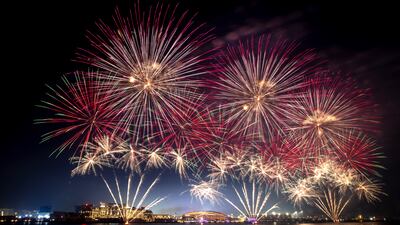
Fireworks light up the Yas Bay waterfront to mark Eid Al Fitr, in Abu Dhabi. Victor Besa / The National -

The Dubai skyline at sunset. Reem Mohammed / The National -

The interior of Qasr Al Watan in Abu Dhabi, one of the UAE's cultural landmarks. Chris Whiteoak / The National -

The sun sets over a mosque in Ras Al Khaimah. Chris Whiteoak / The National -

A bird flies between two mosques in Bur Dubai. Chris Whiteoak / The National -
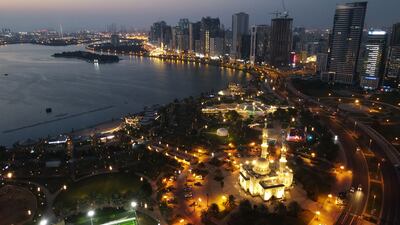
A view of the Al Taqwa Mosque at the Buhaira Corniche in Sharjah, during the evening. Pawan Singh / The National -
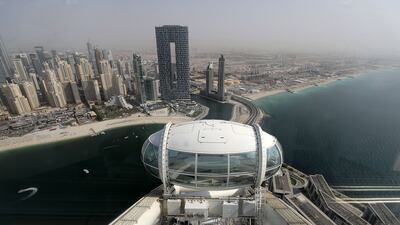
A cabin on Ain Dubai, the observation wheel on Bluewaters Island. Ain Dubai opened to the public on October 21 this year. Visitors can see Palm Jumeirah and the JBR area from its cabins. Pawan Singh / The National -

Pigeons fly on the creek in Bur Dubai. Chris Whiteoak / The National -
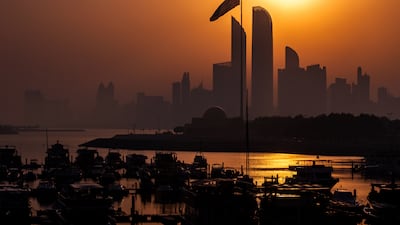
The sun rises on a hazy morning along the corniche in Abu Dhabi. Victor Besa / The National -

Dozens of kite surfers make the most of favourable conditions at Jumeirah Beach, Dubai. Chris Whiteoak / The National -

The mountains can be seen from the Gulf of Oman in Dibba, Fujairah. Chris Whiteoak / The National -
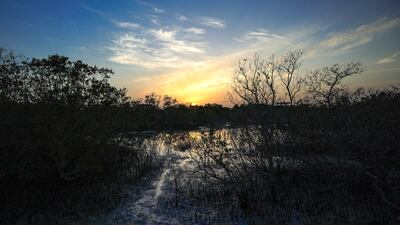
Jubail Mangrove Park, Abu Dhabi, at dusk. Victor Besa / The National -
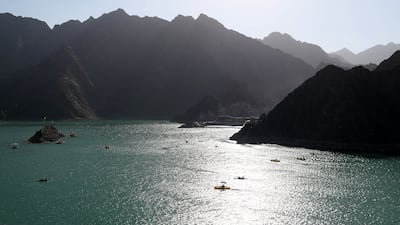
People enjoying boat rides, kayaking and other adventure activities at Hatta Dam, Dubai. Pawan Singh / The National -
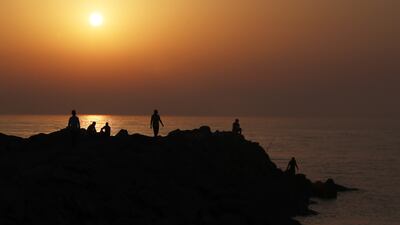
People spending time enjoying a spectacular sunset near the beach in Ras Al Khaimah. Pawan Singh / The National -
![Dhows unloading and loading items by Deira's Spice Market. For many people, the creek [Khor] with its dhow moorings, Abra water taxis and souks is the very essence of the old city. For decades, Dubai Creek has been a hive of activity as traders bring in goods and sell their wares at the bustling markets nearby. Reem Mohammed / The National](https://www.thenationalnews.com/resizer/v2/KEXFIXNLJZHH3KGEPXT2OJHHE4.JPG?smart=true&auth=8cda71612b34d179086d0ed8fa2f55b764383e04b3e643225cfbf9be77017b5e&width=400&height=225)
Dhows unloading and loading items by Deira's Spice Market. For many people, the creek [Khor] with its dhow moorings, Abra water taxis and souks is the very essence of the old city. For decades, Dubai Creek has been a hive of activity as traders bring in goods and sell their wares at the bustling markets nearby. Reem Mohammed / The National -
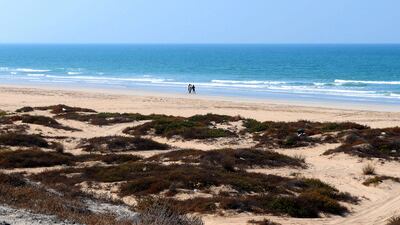
View of the beach near the Pink Lake, which was discovered in Ras Al Khaimah. Pawan Singh / The National -

Fishing on a hazy New Year's Day morning overlooking the Burj al Arab, Dubai. Chris Whiteoak/The National -

The sun sets on a mangrove forest area on Jubail Island, Abu Dhabi. Khushnum Bhandari/ The National -
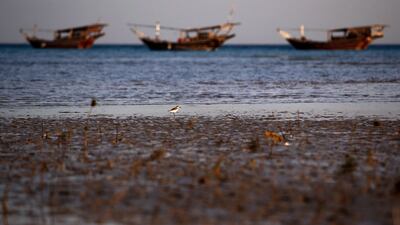
The coastline of Al Sila'a, a city 350 kilometres west of Abu Dhabi and 450km west of Dubai, consisting mainly of Emirati town houses. A sand plover is searching for worms during low tide along the Sila'a coastline. Victor Besa / The National


![Dhows unloading and loading items by Deira's Spice Market. For many people, the creek [Khor] with its dhow moorings, Abra water taxis and souks is the very essence of the old city. For decades, Dubai Creek has been a hive of activity as traders bring in goods and sell their wares at the bustling markets nearby. Reem Mohammed / The National](https://www.thenationalnews.com/resizer/v2/KEXFIXNLJZHH3KGEPXT2OJHHE4.JPG?smart=true&auth=8cda71612b34d179086d0ed8fa2f55b764383e04b3e643225cfbf9be77017b5e&width=800&height=450)



