


An Indian man who scooped Dh10 million in Abu Dhabi's Big Ticket draw along with dozens of fellow workers has been told of their good fortune after organisers launched a search to find him.
Naheel Nizamudeen won the grand prize in the monthly raffle on Sunday night but initial efforts to contact him proved unsuccessful.
He was tracked down on Monday morning thanks to the help of a colleague.
Mr Nizamudeen is one of 40 workers at a hypermarket in Qatar who teamed up to purchase the winning ticket.
He said their joint success would make a huge difference to their lives.
"It's like rain in the desert. Most of the us have financial issues and liabilities but these few seconds changed our lives,' he said.
"For us its a treasure and will help us take care of our liabilities."
A Big Ticket representative spoke to the group of winners - who will each pick up Dh250,000.
"We cannot explain this feeling of winning Big Ticket," the group said.
"We purchased the winning ticket with 40 of our colleagues. This money is changing the lives of many people at the same time.”
”Many people have called and asked us how we picked the winning number but we told them there is no secret, we have been purchasing Big Tickets for a long time and our luck has finally changed."
They had advice for others: “Keep trying with Big Ticket, your luck can change anytime too”
Mohamed Hasim Parappara, also from India, won a Range Rover in the same draw while compatriot Angelo Fernandes secured a Dh1 million prize.
Jaeeun Lee from South Korea is Dh100,000 richer following the latest draw.
Big Ticket has been in operation since 1992 – with an initial top prize of Dh1 million – and has grown in popularity over the years.
The draw has helped change the lives of many of its big winners since its launch.
-
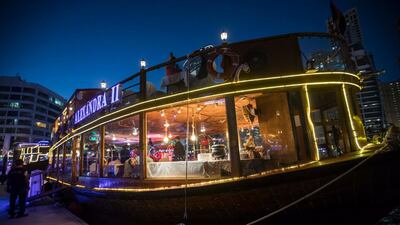
UAE residents who struck luck with Abu Dhabi's Big Ticket draw attended a gala dinner on Tuesday. Organisers of the draw celebrated the winners' good luck at the Alexandra Dhow Cruise in Dubai Marina. All photos by Leslie Pableo / The National -
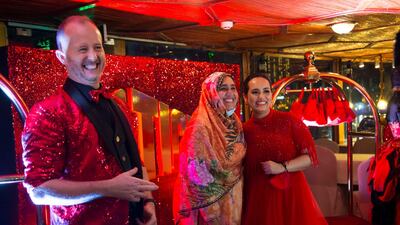
The ticket for the grand prize costs Dh500 -
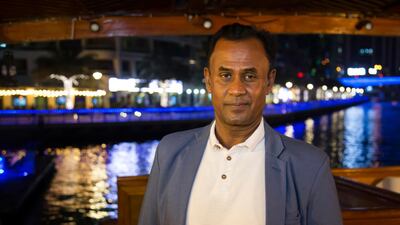
Shahed Ahmed Moulvifaiz, a Bangladeshi car garage owner in Al Ain, won Dh10 million less than a week ago. He wants to bring his family to the UAE, expand his business and spend on his youngest son's education -
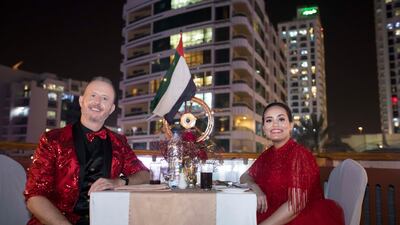
Richard Isaac and Bouchra Yamani, the two presenters who pick out the raffle tickets and call the winners, interacted with the winners. Some of attendees had won jackpots of between Dh1 million to Dh15 million, while others won Dh90,000 -
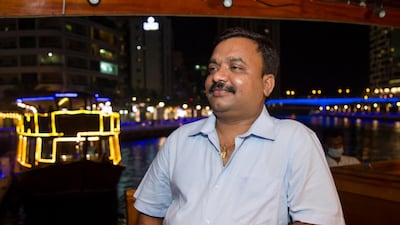
'The National' spoke to winners about how they have spent their grand prize. Shivamurthy Gali Krishnappa won Dh12 million last month. He said he wants to save for his children's future. For now, he is still working as a mechanical engineer for a stainless steel production company -
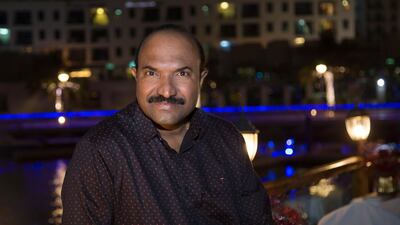
Jayaprakash Mariyan Philip had won the Dh1 million prize with nine other people. The funds were split equally, leaving him with Dh100,000. He said he has paid off part of his bank loans -

Zaheenn Kausar was visiting her husband in Abu Dhabi from Pakistan, when he bought a ticket under her name. She proved lucky for her family after winning Dh90,000. She wants to pay for her daughter's university tuition and buy a car for herself -
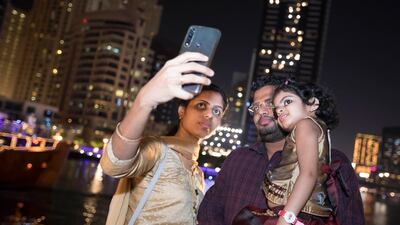
Before the Covid-19 pandemic, more than 5,000 people would gather during a live event in Abu Dhabi to watch the draw take place. Since 2020, the draw streams live on social media channels, bringing in even larger crowds -

Many people buy multiple tickets together and then split the prize equally. There are also those who win after buying a ticket alone, allowing them to keep the entire jackpot -
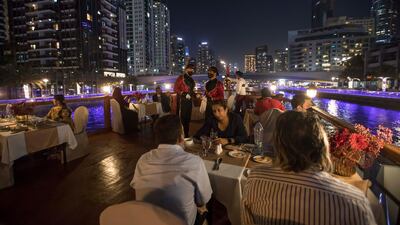
The Abu Dhabi Big Draw has been changing lives since 1992


In July, an Indian who worked as a taxi driver in Dubai for nearly a decade secured the Dh20 million jackpot.
Renjith Somarajan was announced as the new ‘Dh20 Mighty Millionaire’ during a live stream by the draw’s organisers.
The 38-year-old, who moved to Dubai 13 years ago, said he would share his winnings equally with nine friends who purchased the Dh500 ticket with him.
In January, another Indian national had won the mega Dh20 million top prize.
Abdussalam NV, who lives in Oman, was informed about his winnings a day after the draw, as he could not be reached at the time.

