

The end of the transfer window is looming large on the horizon with clubs targeting last-minute improvements to their squads.
The rumour mill remains in full swing so we bring you the best transfer gossip and the likelihood of those stories materialising.
Iran international striker Sardar Azmoun is close to joining Roma, according to L’Equipe. The Italian club are said to have agreed a loan deal with Bayer Leverkusen that includes an option clause which allows him to be signed permanently. AC Milan were known to have been keen on the 28-year-old, but the latest suggests that Jose Mourinho has won the race to land the highly-rated Iranian frontman.
Monaco have agreed a deal to buy Arsenal’s Folarin Balogun for a fee of €45 million plus bonuses, reveals RMC Sport. Balogun, who changed allegiances from England to the United States earlier this year, has also been on the radar of Chelsea, but he is now said to be on the verge of joining the Ligue 1 side on a five-year deal. It is reported that a medical is set to take place amid confidence from both clubs that a deal will be completed.
Scottish left-back Kieran Tierney is close to completing a temporary switch to La Liga club Real Sociedad, reveals The Athletic. Arsenal are willing to let him leave on a season-long loan, with the 26-year-old struggling to garner regular first team minutes. It is understood that the deal will be a straight loan in which the Spanish side will cover his salary in full, though there is no permanent option clause that would allow them to sign him permanently.
Joao Felix remains intent on leaving Atletico Madrid in the current transfer window, reports El Chiringuito TV. The Portuguese attacking midfielder spent some time last season on loan at Chelsea, and has most recently been looking to join Barcelona, but the latest indicates that there is still some distance between him getting his wishes. Felix’s relationship with manager Diego Simeone has previously been reported to be tense.

Manchester United manager Erik ten Hag is closing in on finding his squad’s back-up goalkeeper, understands Sky Sports Germany journalist Florian Plettenberg. Benfica goalkeeper Odysseas Vlachodimos is understood to have agreed a five-year contract at Old Trafford, with the English club, who are also considering Fenerbahce goalkeeper Altay Bayindir, submitting a bid to Benfica worth €15m.
Liverpool have seen their bid of €30m for Fluminense’s Andre turned down, according to journalist Ekrem Konur. The Reds are reported to have identified the Brazilian midfielder as a key upgrade this summer as manager Jurgen Klopp looks to add another midfielder, but they have seen their first attempt for the 22-year-old unsuccessful. It is said that they are also keeping close tabs on Flamengo star Gerson.
Al Ittihad are interested in signing Liverpool’s Mohamed Salah, reports Relevo. The Saudi Arabian club are said to be willing to hand the Egyptian star a salary that would see him surpass the earnings of Al Nassr’s Cristiano Ronaldo, and add that he is also willing to accept their offer if an agreement can be reached between both clubs.
Major deals of 2023/24 summer transfer window
-

COMPLETED TRANSFERS: Jude Bellingham: Borussia Dortmund to Real Madrid (£88 million). Getty -
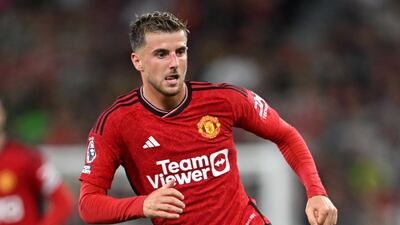
Mason Mount: Chelsea to Manchester United (£55m). Getty -
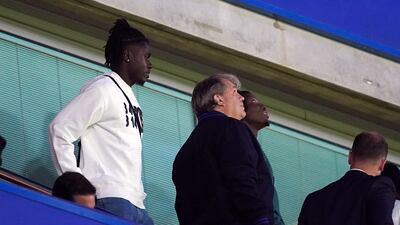
Romeo Lavia: Southampton to Chelsea (£53m). PA -

Jeremy Doku: Rennes to Manchester City (£51.5m). Reuters -

Manuel Ugarte: Sporting Lisbon to Paris Saint-Germain (£51m). Getty -
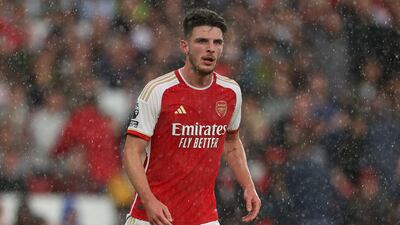
Declan Rice: West Ham to Arsenal (£105m). Getty -
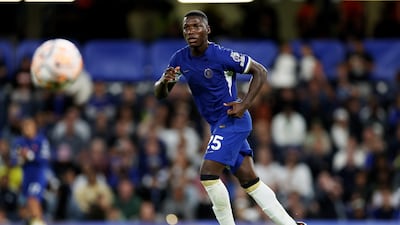
Moises Caicedo: Brighton to Chelsea (£115m). Getty -
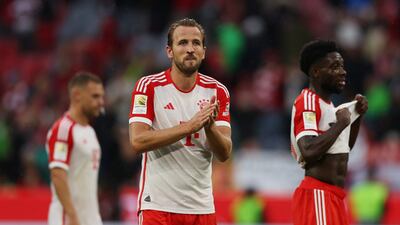
Harry Kane: Tottenham Hotspur to Bayern Munich (£86m). Reuters -
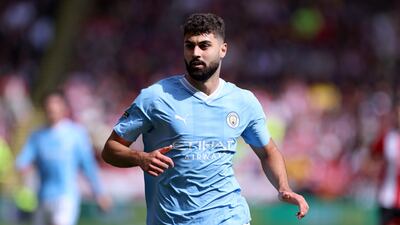
Josko Gvardiol: RB Leipzig to Manchester City (£77m). Getty -
Neymar: Paris Saint-Germain to Al Hilal (£77m). Getty -
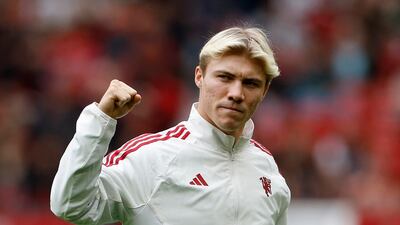
Rasmus Hojlund: Atalanta to Manchester United (£64m). Reuters -
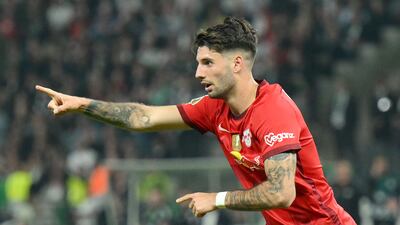
Dominik Szoboszlai: RB Leipzig to Liverpool (£60m). Getty -
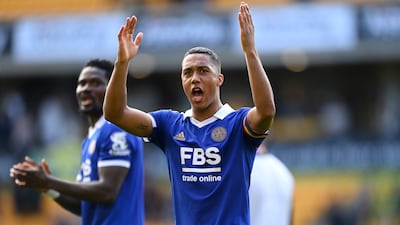
Youri Tielemans: Leicester City to Aston Villa (free transfer). Getty -

Sandro Tonali: AC Milan to Newcastle United (£60m). PA -
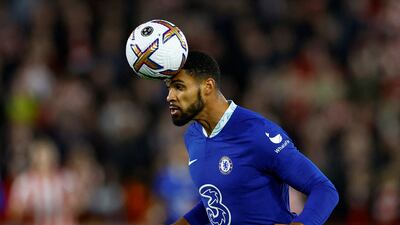
Ruben Loftus-Cheek: Chelsea to AC Milan (£14m). Reuters -

Nicolas Jackson: Villarreal to Chelsea (£32m). Reuters -
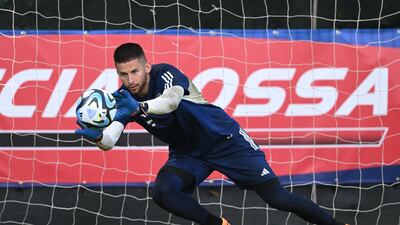
Guglielmo Vicario: Empoli to Tottenham (£17m). Getty -

Marcus Thuram: Borussia Moenchengladbach to Inter Milan (free transfer). AFP -

Jota: Celtic to Al Ittihad (£25m). PA -

Kai Havertz: Chelsea to Arsenal (£65m). Reuters -
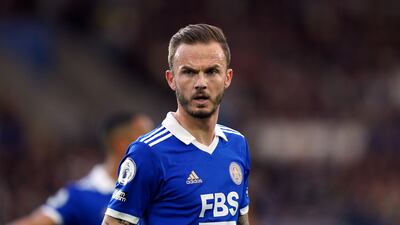
James Maddison: Leicester City to Tottenham (£40m). PA -

Edouard Mendy: Chelsea to Al Hilal (£17m). Getty -
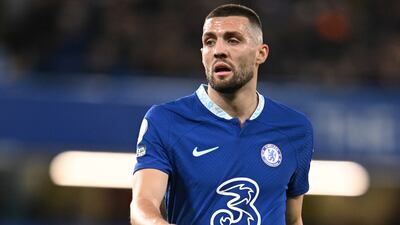
Mateo Kovacic: Chelsea to Manchester City (£25m). EPA -

Justin Kluivert: Roma to Bournemouth (£9.6m). Reuteers -
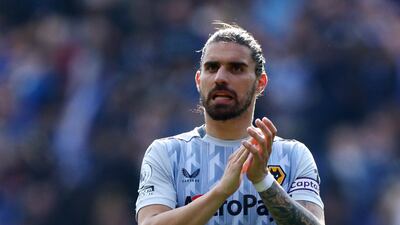
Ruben Neves: Wolverhampton Wanderers to Al Hilal (£47m). Getty -
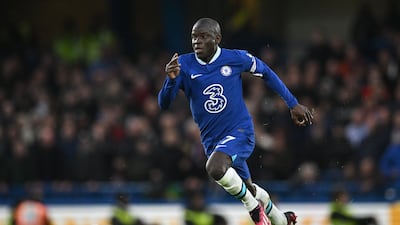
N'Golo Kante: Chelsea to Al Ittihad (free transfer). AFP -
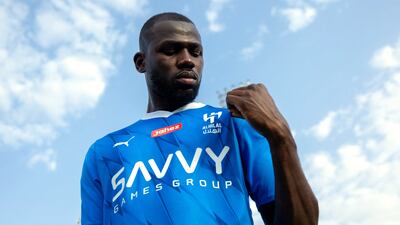
Kalidou Koulibaly: Chelsea to Al Hilal (£17m). AFP -

Christopher Nkunku: RB Leipzig to Chelsea (£52m). AFP -

Alexis Mac Allister: Brighton & Hove Albion to Liverpool (£35m). Getty -
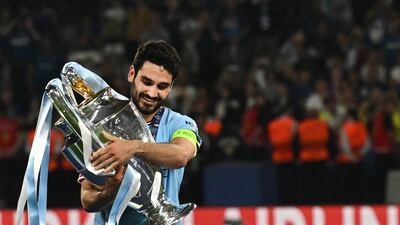
Ilkay Gundogan: Manchester City to Barcelona (free transfer). AFP -

Joselu: Espanyol to Real Madrid (loan). Getty -
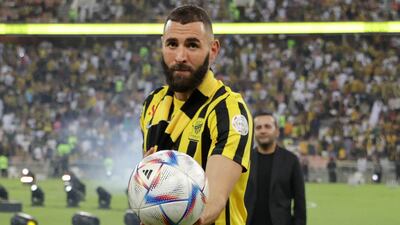
Karim Benzema: Real Madrid to Al Ittiahd (free transfer). AFP -
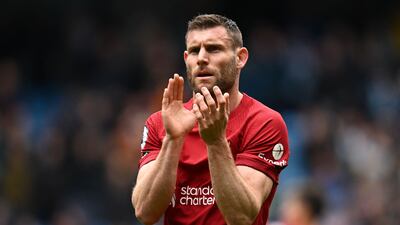
James Milner: Liverpool to Brighton (free transfer). AFP -

Edin Dzeko: Inter Milan to Fenerbahce (free transfer). AP -

Joao Pedro: Watford to Brighton (£30m). Getty -

Orkun Kokcu: Feyenoord to Benfica (£22m). AP -
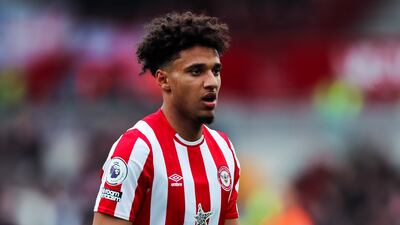
Kevin Schade: Freiburg to Brentford (£20m). PA -
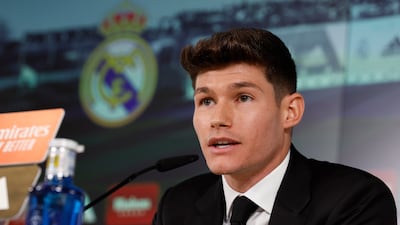
Fran Garcia: Rayo Vallecano to Real Madrid (€5m). EPA -

Evan Ndicka: Eintracht Frankfurt to AS Roma (free transfer). Reuters -

Konrad Laimer: RB Leipzig to Bayern Munich (free transfer). Getty -

Teemu Pukki: Norwich City to Minnesota United (free transfer). PA -

Raphael Guerreiro: Borussia Dortmund to Bayern Munich (free transfer). Getty -

Alejandro Grimaldo: Benfica to Bayer Leverkusen (free transfer). EPA -

Benjamin Sesko: Red Bull Salzburg to RB Leipzig (£20 million). Reuters -

Ramy Bensebaini: Borussia Moenchengladbach to Borussia Dortmund (free transfer). AP -
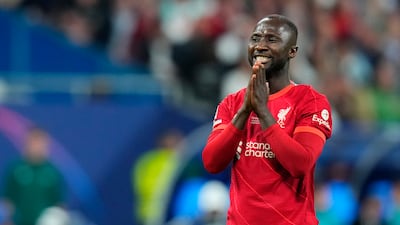
Naby Keita: Liverpool to Werder Bremen (free transfer). AP -
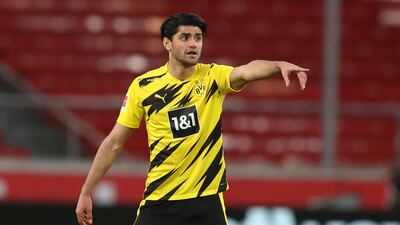
Mahmoud Dahoud: Borussia Dortmund to Brighton (free transfer). AP -
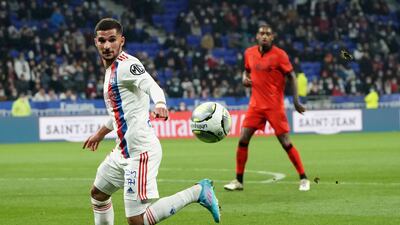
Houssem Aouar: Lyon to Roma (free transfer). AP -
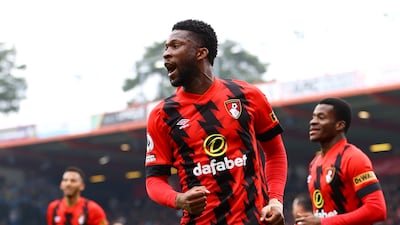
Jefferson Lerma: Bournemouth to Crystal Palace (free transfer). Getty -

Malcom: Zenit St Petersburg to Al Hilal (£51.5m). AFP -

Otavio: Porto to Al Nassr (£51.5m). Getty -

Kim Min-Jae: Napoli to Bayern Munich (£43m). Reuters -
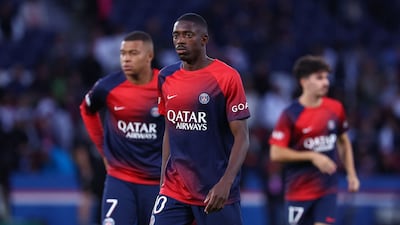
Ousmane Dembele: Barcelona to Paris Saint-Germain (£43m). AFP -

Moussa Diaby: Bayer Leverkusen to Aston Villa (£47m). Getty -

Aleksandar Mitrovic: Fulham to Al Hilal (£45m). AFP -

Andre Onana: Inter Milan to Manchester United (£45m). Getty -
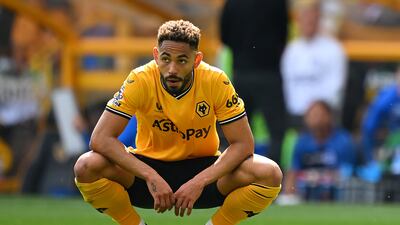
Matheus Cunha: Atletico Madrid to Wolverhampton Wanderers (£43m). Getty -
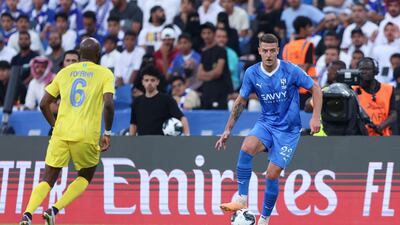
Sergej Milinkovic-Savic: Lazio to Al Hilal (£34.3m). Getty -
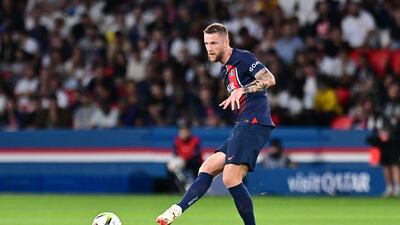
Milan Skriniar: Inter Milan to Paris Saint-Germain (free transfer). AFP -

Goncalo Ramos: Benfica to Paris Saint-Germain (loan ahead of £52m permanent transfer). AFP -

Fabinho: Liverpool to Al Ittihad (£40m). Getty -

Lucas Hernandez: AC Milan to Paris Saint-Germain (£39m). EPA -
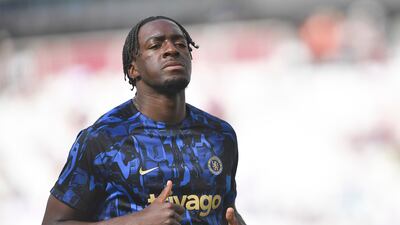
Axel Disasi: Monaco to Chelsea (£39m). EPA -

Pau Torres: Villarreal to Aston Villa (£28m). Reuters -
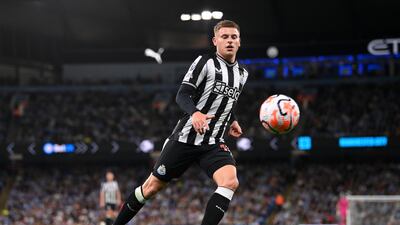
Harvey Barnes: Leicester City to Newcastle United (£38m). Getty -

Mohammed Kudus: Ajax to West Ham (£37m). AFP -

Jurrien Timber: Ajax to Arsenal (£34m). Getty -
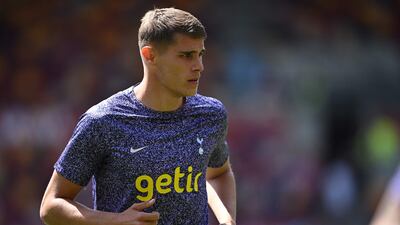
Micky van de Ven: Wolfsburg to Tottenham (£35m). AFP -
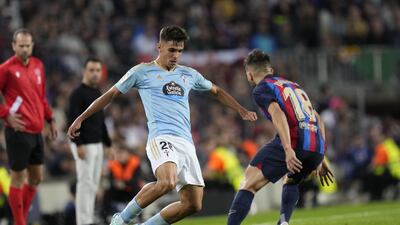
Gabri Veiga: Celta Vigo to Al Ahli (£34m). EPA -

Xavi Simons: PSV Eindhoven to Paris Saint-Germain (£3.5m, spending season on loan at RB Leipzig). Getty -

Lois Openda: Lens to RB Leipzig (£33m). AFP -

Edson Alvarez: Ajax to West Ham (£32.5m). Getty -
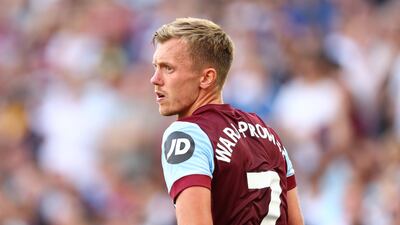
James Ward-Prowse: Southampton to West Ham (£30m). Getty -
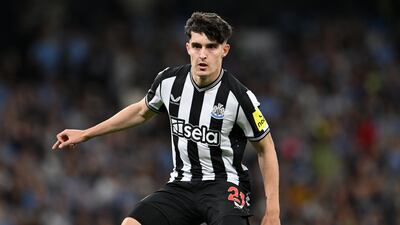
Tino Livramento: Southampton to Newcastle (£40m). Getty -
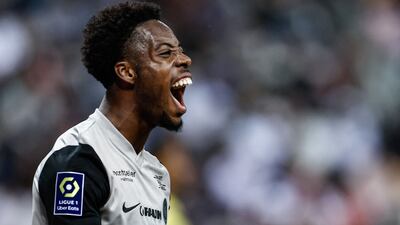
Elye Wahi: Montpellier to Lens (£26m). AFP -
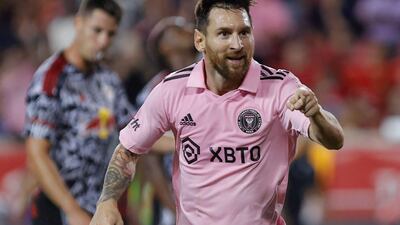
Lionel Messi: Paris Saint-Germain to Inter Miami (free transfer). AFP -
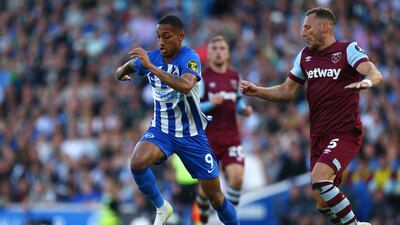
Joao Pedro: Watford to Brighton (£30m). Getty -

Allan Saint-Maximin: Newcastle to Al Ahli (£24m). Getty -

Seko Fofana: Lens to Al Nassr (£21.5m). Getty -

Felix Nmecha: Wolfsburg to Borussia Dortmund (£25m). AFP -

Roger Ibanez: Roma to Al Ahli (£25m). Getty -
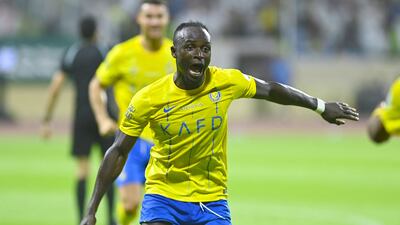
Sadio Mane: Bayern Munich to Al Nassr (£25m). AFP -

Castello Lukeba: Lyon to RB Leipzig (£25m). AFP -

David Raya: Brentford to Arsenal (loan with £27m option to buy). Getty -
Hugo Ekitike: Reims to Paris Saint-Germain (£24.5m). AFP -

El Bilal Toure: Almeria to Atalanta (£24m). AFP -
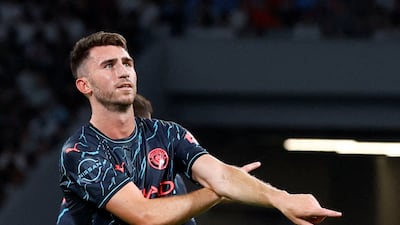
Aymeric Laporte: Manchester City to Al Nassr (£23.5m). Reuters -

Lesley Ugochukwu: Rennes to Chelsea (£23m). Getty -
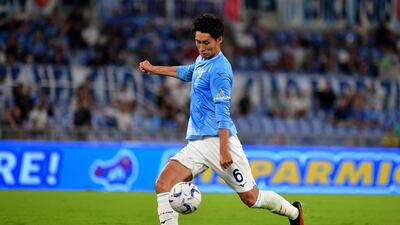
Daichi Kamada: Eintracht Frankfurt to Lazio (free transfer). Getty -
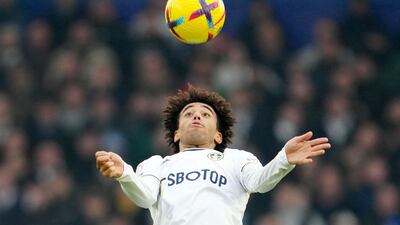
Tyler Adams: Leeds United to Bournemouth (£23m). AP -
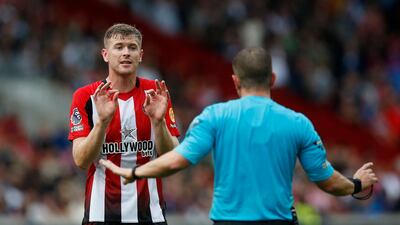
Nathan Collins: Wolves to Brentford (£23m). Reuters -

Hamed Junior Traore: Sassuolo to Bournemouth (£22m). Reuters -

Loro Majer: Rennes to Wolfsburg (£21m). Getty -

Gianluca Scamacca: West Ham to Atalanta (£21m). Getty -

Christian Pulisic: Chelsea to AC Milan (£17m). EPA -
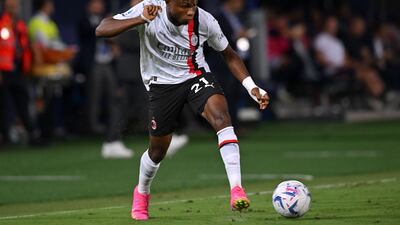
Samuel Chukwueze: Villarreal to AC Milan (£17m). Getty -

Marcelo Brozovic: Inter Milan to Al Nassr (£15m). AFP -

Franck Kessie: Barcelona to Al Ahli (£10m). Getty -
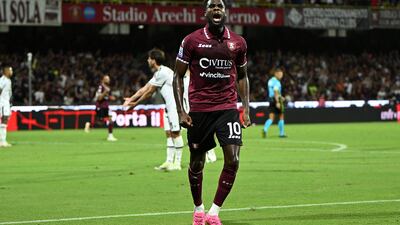
Boulaye Dia : Villarreal to Salernitana (£10m). Getty -

Tete: Shakhtar to Galatasaray (free transfer). AP -

Marco Asensio: Real Madrid to Paris Saint-Germain (free transfer). AFP -
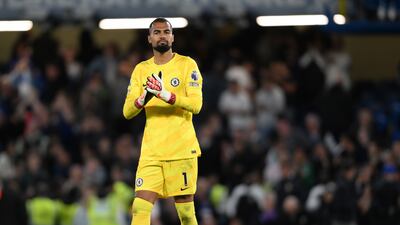
Robert Sanchez: Brighton to Chelsea (£20m). EPA -

Alex Scott: Bristol City to Bournemouth (£20m). PA -
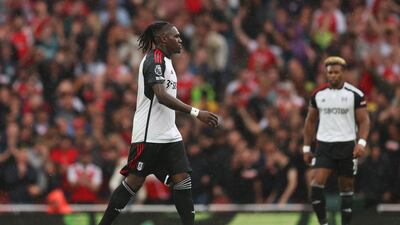
Calvin Bassey: Ajax to Fulham (£19m). Getty -
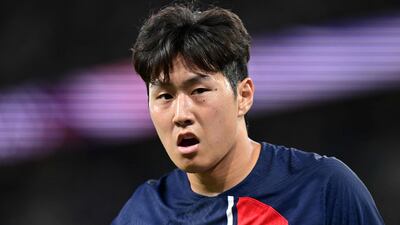
Lee Kang-in: Mallorca to Paris Saint-Germain (£18.5m). AFP -
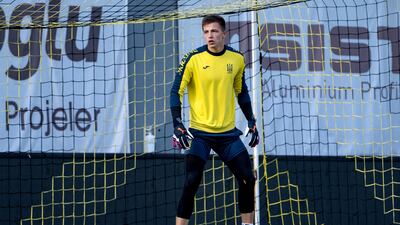
Anatoliy Trubin: Shakhtar to Benfica (£8.5m). AFP -

Djibril Sow: Eintract Frankfurt to Sevilla (£8.5m). AFP -
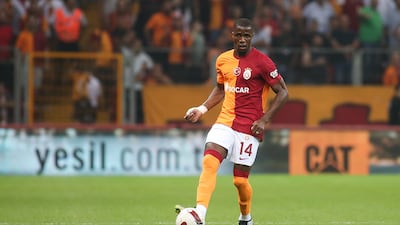
Wilfried Zaha: Crystal Palace to Galatasaray (free transfer). Getty -
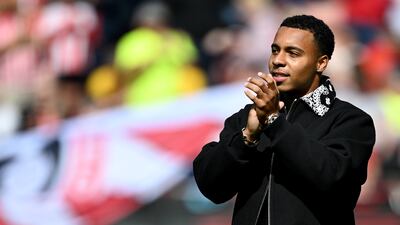
Cameron Archer: Aston Villa to Sheffield United (£18.5m). Getty -

Yassine Bounou: Sevilla to Al Hilal (£18m). AP -

Victor Boniface: Uniion Berlin to Bayer Leverkusen (£17.5m). Getty -
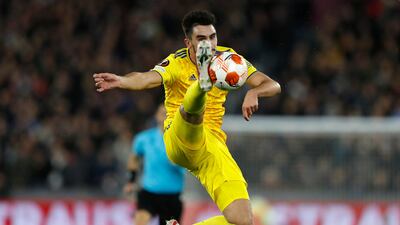
Josip Sutalo: Dinamo Zagreb to Ajax (£17.5m). AFP -

Riyad Mahrez: Manchester City to Al Ahli (£30m). Getty -

Wataru Endo: Stuttgart to Liverpool (17m). AFP -
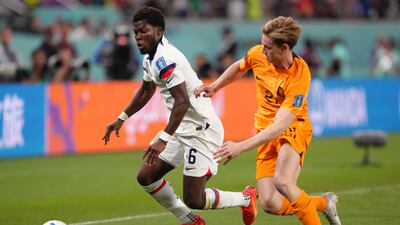
Yunus Musah: Valencia to AC Milan (£17m). PA -

Merih Demiral: Atalanta to Al Ahli (£17m). Getty -

Marcel Sabitzer: Bayern Munich to Borussia Dortmund (£16m). Getty -

Granit Xhaka: Arsenal to Bayer Leverkusen (£13m). Getty -

Ilkay Gundogan: Manchester City to Barcelona. AFP -

Manor Solomon: Shakhtar to Tottenham (free transfer). AFP -

Roberto Firmino: Liverpool to Al Ahli (free transfer). Getty -
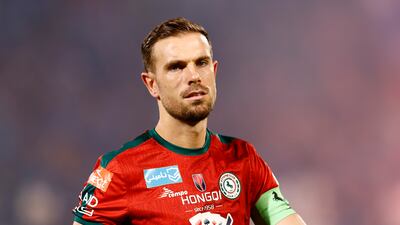
Jordan Henderson: Liverpool to Al Ettifaq (£12m). Getty -

Sergio Busquets: Barcelona to Inter Miami (free transfer). Getty



