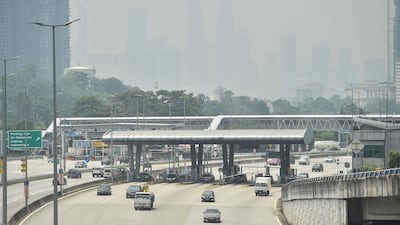
The rescheduled Bahrain Grand Prix, which takes place this weekend in Malaysia, is set to be a game of cat and mouse with the elements.
F1’s long-awaited return to Sepang after a nine-year gap came about in extraordinary circumstances. Earlier in the year, the Bahrain and Saudi Arabia F1 races were called off due to the Iran war. The Bahrain race was later reinstated on the calendar, to be held in Malaysia this weekend.
However, F1 teams are expected to face some big challenges over the next few days.
Air pollution and wildfires
Southeast Asia is currently reeling under the effects of wildfires that have swept across Indonesia, resulting in extreme air pollution across neighbouring islands and cities, including Kuala Lumpur and Singapore.
The air quality in many parts of Malaysia and Indonesia is oscillating between unhealthy and very unhealthy.
Unusually dry weather across the region has resulted in wildfires, largely in Indonesia.
According to Bloomberg, the Indonesian forestry ministry’s fire-monitoring platform recorded 15,461 hotspots in September, exceeding levels seen in 2019 and was second only to 2015.
On Sunday, a half-marathon in Singapore was shortened from 21.1km to 10km due to poor air quality.
Coincidentally, Singapore is set to host its F1 race next weekend following Sepang.
Kuala Lumpur is also scheduled to host the Standard Chartered marathon this weekend. However, organisers are keeping an eye on air quality and preparing contingency plans.
The Sepang F1 circuit is located around 45km south of Kuala Lumpur.
Threat of rain
Amid concerns over air pollution, Sepang is facing another challenge.
The forecast for this week is bleak, with rain and thunderstorms expected during the F1 weekend in Sepang.
Rain is forecast for all three days, which will add to the challenge, as teams will also have to account for track temperatures, which are expected to remain high despite rain.
A wet track along with higher 'feels like' temperatures are expected to make the weekend particularly challenging after the largely comfortable conditions in Baku for the previous race.
However, timely downpours could also help reduce the impact of wildfires and smoke.

