Stuart Broad and other international bowlers will be unable to use saliva to polish the ball. AFP

Cricketers to be banned from using saliva to polish ball as part of new safety measures


Paul Radley
  • English
  • Arabic

Players will be unable to use saliva to polish the ball when international cricket returns, after medical advice.

The game’s governing body are set to adopt a number of changes to mitigate the risks posed by coronavirus.

The ICC Cricket Committee have recommended changes to ICC regulations to protect the safety of players and match officials.

The recommendations of the committee will be presented to the chief executives’ committee in early June for approval.

The chair of the medical advisory committee Dr Peter Harcourt spoke on the “the elevated risk of the transmission of the virus through saliva" and it was agreed that "the use of saliva to polish the ball be prohibited”.

“The committee also noted the medical advice that it is highly unlikely that the virus can be transmitted through sweat and saw no need to prohibit the use of sweat to polish the ball,” the ICC said in a statement.

They also recommended “enhanced hygiene measures are implemented on and around the playing field”.

The travel restrictions in place due to the pandemic have also meant that some international matches will be officiated by umpires from host countries, and not necessarily from non-neutral countries.

“Given the challenges of international travel with borders being closed, limited commercial flights and mandatory quarantine periods, the committee recommended local match officials be appointed in the short-term,” the statement read.

“The appointments will continue to be made via the ICC from local elite and international panel referees and umpires.

“Where there are no elite panel match officials in the country, the best local international panel match officials will be appointed.”

That will also bring about extra use of technology, with an additional DRS review permitted per innings per team.

“We are living through extraordinary times,” Anil Kumble, the committee’s chairman, said.

“The recommendations the committee have made are interim measures to enable us to safely resume cricket in a way that preserves the essence of our game whilst protecting everyone involved.”

_________________

25 of the most beautiful cricket stadiums in the world

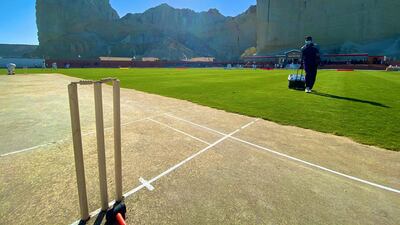
  • 1). Cricket has been blessed with some truly beautiful venues, as this picture gallery will show. Picturesque stadiums are dotted across the globe, and we can add another name to the list. The Gwadar Cricket Stadium in Balochistan, Pakistan, has one of the most stunning backdrops in the world. Courtesy @falamb3
    1). Cricket has been blessed with some truly beautiful venues, as this picture gallery will show. Picturesque stadiums are dotted across the globe, and we can add another name to the list. The Gwadar Cricket Stadium in Balochistan, Pakistan, has one of the most stunning backdrops in the world. Courtesy @falamb3
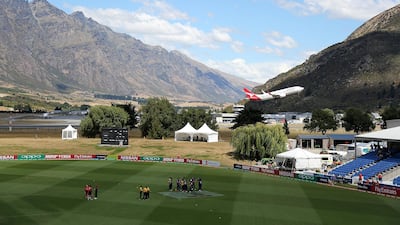
  • 2) Queenstown, New Zealand. New Zealand could fill the top 10 of a list like this all on its own. The Queenstown Events Centre is a prosaic name for an extraordinary venue in the country’s south, which has the Remarkables mountain range as its backdrop.
    2) Queenstown, New Zealand. New Zealand could fill the top 10 of a list like this all on its own. The Queenstown Events Centre is a prosaic name for an extraordinary venue in the country’s south, which has the Remarkables mountain range as its backdrop.
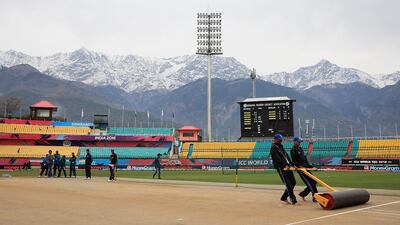
  • 3) Dharamshala, India. India will see New Zealand’s Remarkables, and raise them the Dhauladhar mountains, which are part of the Himalayas. Has there ever been a more spectacular setting for a major ICC tournament? The Himachal Pradesh Cricket Association Stadium hosted matches at the 2016 World T20.
    3) Dharamshala, India. India will see New Zealand’s Remarkables, and raise them the Dhauladhar mountains, which are part of the Himalayas. Has there ever been a more spectacular setting for a major ICC tournament? The Himachal Pradesh Cricket Association Stadium hosted matches at the 2016 World T20.
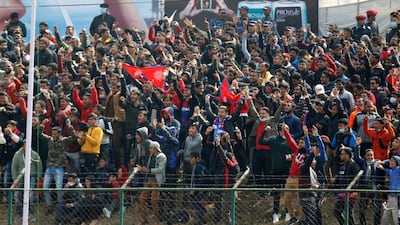
  • 4) Tribhuvan University, Kathmandu. From one side of the Himalayas to another. Nepal’s international cricket ground is built halfway up a hill that leads from the road from Kirtipur to Kathmandu at the bottom, to the campus of the country’s largest university at the top. When Sandeep Lamichhane and Co are in action, thousands throng the banks inside the grounds walls, while many others find canny vantage points outside.
    4) Tribhuvan University, Kathmandu. From one side of the Himalayas to another. Nepal’s international cricket ground is built halfway up a hill that leads from the road from Kirtipur to Kathmandu at the bottom, to the campus of the country’s largest university at the top. When Sandeep Lamichhane and Co are in action, thousands throng the banks inside the grounds walls, while many others find canny vantage points outside.
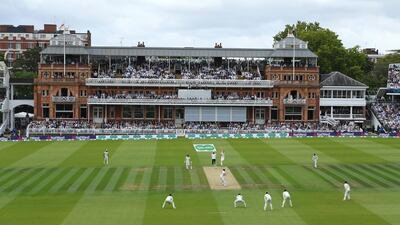
  • 5) Lord’s, London. OK, so it doesn’t back on to the Himalayas or the Remarkables. But, still, cricket grounds don’t come any more handsome. The Grade II* listed Pavilion must surely be the best-known structure in the sport. It is undergoing refurbishment at the Nursery End, so will have a slightly different look next time we see it.
    5) Lord’s, London. OK, so it doesn’t back on to the Himalayas or the Remarkables. But, still, cricket grounds don’t come any more handsome. The Grade II* listed Pavilion must surely be the best-known structure in the sport. It is undergoing refurbishment at the Nursery End, so will have a slightly different look next time we see it.
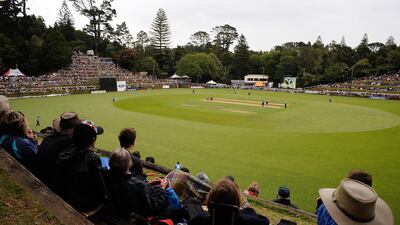
  • 6) Pukekura Park, New Plymouth, New Zealand. Unquestionably beautiful, and more than a little quirky, given the way the viewing areas are cut away from the hills to the sides of the ground. And just sneaks into this list on account of the one ODI it staged, between Sri Lanka and Zimbabwe at the 1992 World Cup.
    6) Pukekura Park, New Plymouth, New Zealand. Unquestionably beautiful, and more than a little quirky, given the way the viewing areas are cut away from the hills to the sides of the ground. And just sneaks into this list on account of the one ODI it staged, between Sri Lanka and Zimbabwe at the 1992 World Cup.
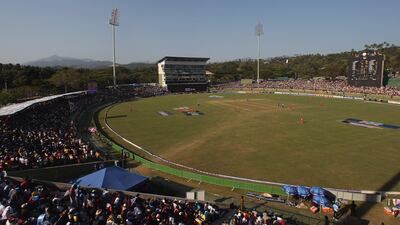
  • 7) Pallekele, Sri Lanka. Sri Lanka might be the closest rival to New Zealand in a list of the loveliest international venues. Pallekele International Stadium, 7kms from Muttiah Muralitharan’s home town of Kundesale, was built – by an Emirati businessman, incidentally – among the hills of the Kandy plateau.
    7) Pallekele, Sri Lanka. Sri Lanka might be the closest rival to New Zealand in a list of the loveliest international venues. Pallekele International Stadium, 7kms from Muttiah Muralitharan’s home town of Kundesale, was built – by an Emirati businessman, incidentally – among the hills of the Kandy plateau.
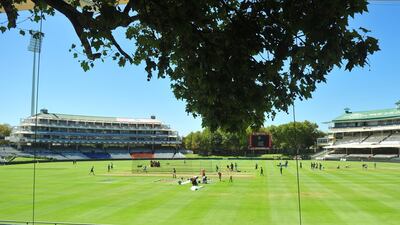
  • 8) Newlands, South Africa. It is not clear which is the most photographed ground in word cricket, but this one must be up there. There are few more striking sights at any venue than when the Tablecloth rolls in over the mountain behind.
    8) Newlands, South Africa. It is not clear which is the most photographed ground in word cricket, but this one must be up there. There are few more striking sights at any venue than when the Tablecloth rolls in over the mountain behind.
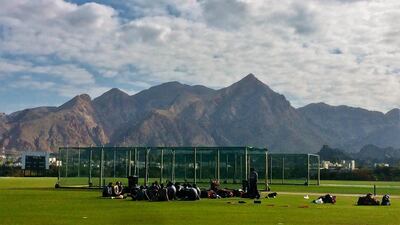
  • 9) Al Amerat, Oman. Oman’s first turf grounds staged ODI cricket for the first time in January, when UAE played there in Cricket World Cup League Two. The Oman Cricket Academy grounds are surrounded by the Western Al Hajar mountains. And they’re gorgeous.
    9) Al Amerat, Oman. Oman’s first turf grounds staged ODI cricket for the first time in January, when UAE played there in Cricket World Cup League Two. The Oman Cricket Academy grounds are surrounded by the Western Al Hajar mountains. And they’re gorgeous.
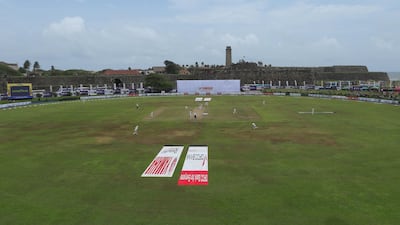
  • 10) Galle, Sri Lanka. A six-hit from the Indian Ocean, Galle International Stadium is a perennial favourite for almost everyone – apart from bowlers, perhaps. The view back towards the old fort is among the most celebrated on the international circuit.
    10) Galle, Sri Lanka. A six-hit from the Indian Ocean, Galle International Stadium is a perennial favourite for almost everyone – apart from bowlers, perhaps. The view back towards the old fort is among the most celebrated on the international circuit.
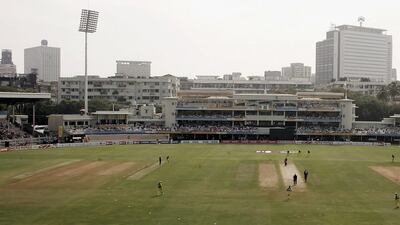
  • 11) Brabourne Stadium, Mumbai. International cricket does not make it here quite so often since what was then the Bombay Cricket Association decided to build the Wankhede Stadium half a mile up the road instead. But maybe only Lord’s reeks more of historic splendour than the Cricket Club of India’s ground.
    11) Brabourne Stadium, Mumbai. International cricket does not make it here quite so often since what was then the Bombay Cricket Association decided to build the Wankhede Stadium half a mile up the road instead. But maybe only Lord’s reeks more of historic splendour than the Cricket Club of India’s ground.
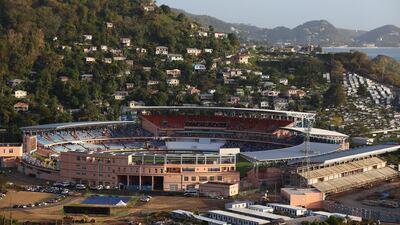
  • 12) National Cricket Stadium, Grenada. Refitted in time for the 2007 World Cup, the Spice Isle’s National Cricket Stadium is situated just along the coast from Grand Anse Beach. It is walled on three sides by lush green hills, and on the other is the Caribbean Sea.
    12) National Cricket Stadium, Grenada. Refitted in time for the 2007 World Cup, the Spice Isle’s National Cricket Stadium is situated just along the coast from Grand Anse Beach. It is walled on three sides by lush green hills, and on the other is the Caribbean Sea.
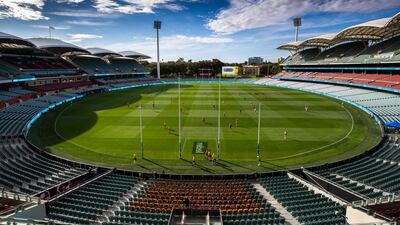
  • 13) Adelaide Oval, Australia. Many Australian grounds have supplanted former charm with unsympathetic new-build stands. The benches may have gone, but the Adelaide Oval still retains most of its allure.
    13) Adelaide Oval, Australia. Many Australian grounds have supplanted former charm with unsympathetic new-build stands. The benches may have gone, but the Adelaide Oval still retains most of its allure.
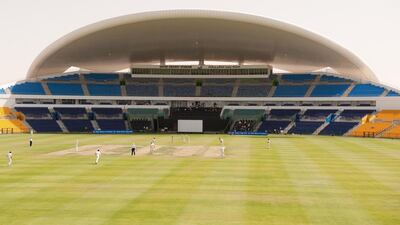
  • 14) Zayed Cricket Stadium, Abu Dhabi. Arguably the most eye-catching of international cricket’s modern structures. On the approach to the ground, it looks as though the Starship Enterprise has landed in the desert. The state-of-the-art grandstand contrasts with the pleasantly old-fashioned grass banks square of the wicket.
    14) Zayed Cricket Stadium, Abu Dhabi. Arguably the most eye-catching of international cricket’s modern structures. On the approach to the ground, it looks as though the Starship Enterprise has landed in the desert. The state-of-the-art grandstand contrasts with the pleasantly old-fashioned grass banks square of the wicket.
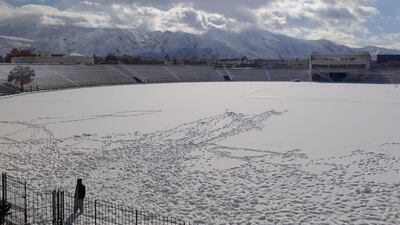
  • 15) Quetta, Pakistan. Pakistan suffers in a list like this for the fact most of its international grounds are city centred, and generally have unspectacular views. Extend the criteria to domestic grounds, and Abbottabad would be a shoo-in. Quetta’s Bugti Stadium, which staged ODI cricket in 1996, is scenic – even when not dressed in snow.
    15) Quetta, Pakistan. Pakistan suffers in a list like this for the fact most of its international grounds are city centred, and generally have unspectacular views. Extend the criteria to domestic grounds, and Abbottabad would be a shoo-in. Quetta’s Bugti Stadium, which staged ODI cricket in 1996, is scenic – even when not dressed in snow.
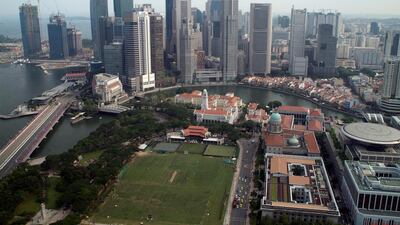
  • 16) Singapore Cricket Club. This just goes to show that city-centre grounds can be spectacular, provided the city centre is spectacular. The historic Padang hosted an ODI series between Pakistan and Sri Lanka in 1996.
    16) Singapore Cricket Club. This just goes to show that city-centre grounds can be spectacular, provided the city centre is spectacular. The historic Padang hosted an ODI series between Pakistan and Sri Lanka in 1996.
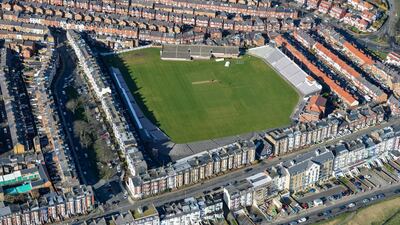
  • 17) Scarborough, England. Out of commission as an international venue since the late 1970s, and unlikely to return to the roster any time soon. No harm in remaining a charming little secret, though. North Marine Drive hosts county matches for Yorkshire.
    17) Scarborough, England. Out of commission as an international venue since the late 1970s, and unlikely to return to the roster any time soon. No harm in remaining a charming little secret, though. North Marine Drive hosts county matches for Yorkshire.
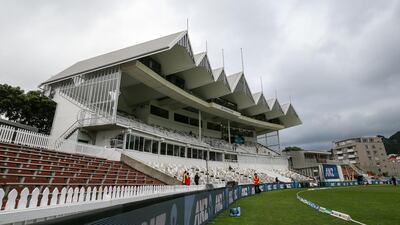
  • 18) Basin Reserve, Wellington. It is stationed on a roundabout, and has a public footpath running through it, which does not exactly sound too special. But the older and smaller of the two international venues in New Zealand’s capital is a classic.
    18) Basin Reserve, Wellington. It is stationed on a roundabout, and has a public footpath running through it, which does not exactly sound too special. But the older and smaller of the two international venues in New Zealand’s capital is a classic.
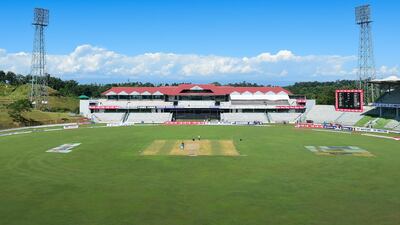
  • 19) Sylhet, Bangladesh. On one side of the ground, Sylhet International Stadium is accessible only via a tramp through jungle. Built just outside of town, in the tea-producing area of Bangladesh’s north-east, it has a different feel to many of the country’s other utilitarian stadiums. UAE played there in the 2014 World T20.
    19) Sylhet, Bangladesh. On one side of the ground, Sylhet International Stadium is accessible only via a tramp through jungle. Built just outside of town, in the tea-producing area of Bangladesh’s north-east, it has a different feel to many of the country’s other utilitarian stadiums. UAE played there in the 2014 World T20.
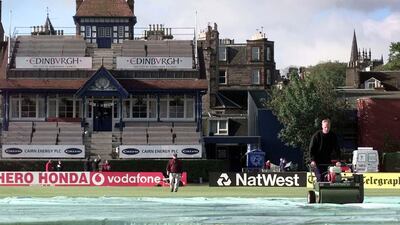
  • 20) The Grange, Edinburgh. Lined by sandstone houses that are characteristic of Edinburgh, and with a distinctive pavilion, the Grange hosted matches at the 1999 World Cup – and more recently, Scotland’s win over England in 2018.
    20) The Grange, Edinburgh. Lined by sandstone houses that are characteristic of Edinburgh, and with a distinctive pavilion, the Grange hosted matches at the 1999 World Cup – and more recently, Scotland’s win over England in 2018.
  • 21) Daren Sammy National Stadium, St Lucia. Built to host matches at the 2007 World Cup, it was later renamed to honour the country’s greatest cricketer. Inland from the coast, but surrounded by verdant hills pockmarked with houses.
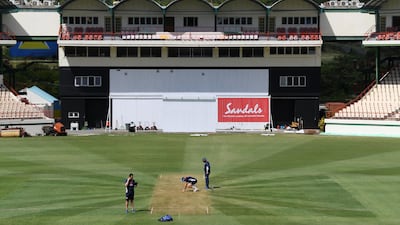
    21) Daren Sammy National Stadium, St Lucia. Built to host matches at the 2007 World Cup, it was later renamed to honour the country’s greatest cricketer. Inland from the coast, but surrounded by verdant hills pockmarked with houses.
  • 22) Sydney Cricket Ground. Much of its previous character has been chipped away with the new, practical stands, but its two most notable landmarks – the Ladies Pavilion and the adjacent Members Pavilion - remain.
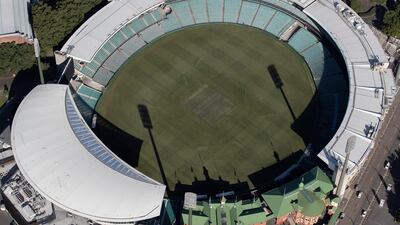
    22) Sydney Cricket Ground. Much of its previous character has been chipped away with the new, practical stands, but its two most notable landmarks – the Ladies Pavilion and the adjacent Members Pavilion - remain.
  • 23) Chester-le-Street, England. The Riverside Ground is in view of Lumley Castle. Which wins it extra points for style, given that was where Shane Watson and a number of other Australia players were spooked by the ghost of Lily of Lumley in 2005.
    23) Chester-le-Street, England. The Riverside Ground is in view of Lumley Castle. Which wins it extra points for style, given that was where Shane Watson and a number of other Australia players were spooked by the ghost of Lily of Lumley in 2005.
  • 24) Nelson, New Zealand. The Saxton Oval, where the UAE played their first World Cup match in 19 years in 2005, was half the world away – literally and figuratively – from what the national team players were used to. From Sharjah, they had been transported to the green and pleasant land of the northern tip of New Zealand’s South Island.
    24) Nelson, New Zealand. The Saxton Oval, where the UAE played their first World Cup match in 19 years in 2005, was half the world away – literally and figuratively – from what the national team players were used to. From Sharjah, they had been transported to the green and pleasant land of the northern tip of New Zealand’s South Island.
  • 25) The Wanderers, Johannesburg. South Africa’s biggest cricket ground by capacity. It might lack the natural splendour of Newlands, but it still has plenty of architectural character.
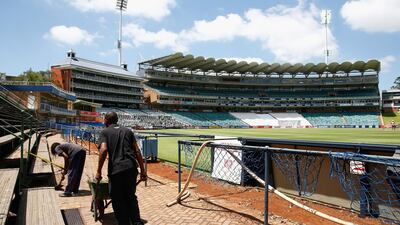
    25) The Wanderers, Johannesburg. South Africa’s biggest cricket ground by capacity. It might lack the natural splendour of Newlands, but it still has plenty of architectural character.
  • 26) Kensington Oval, Barbados. The atmosphere may be entirely different to what it once was, but it retains a unique feel. The Garfield Sobers Pavilion remains its most endearing feature.
    26) Kensington Oval, Barbados. The atmosphere may be entirely different to what it once was, but it retains a unique feel. The Garfield Sobers Pavilion remains its most endearing feature.
Trump v Khan

2016: Feud begins after Khan criticised Trump’s proposed Muslim travel ban to US

2017: Trump criticises Khan’s ‘no reason to be alarmed’ response to London Bridge terror attacks

2019: Trump calls Khan a “stone cold loser” before first state visit

2019: Trump tweets about “Khan’s Londonistan”, calling him “a national disgrace”

2022:  Khan’s office attributes rise in Islamophobic abuse against the major to hostility stoked during Trump’s presidency

July 2025 During a golfing trip to Scotland, Trump calls Khan “a nasty person”

Sept 2025 Trump blames Khan for London’s “stabbings and the dirt and the filth”.

Dec 2025 Trump suggests migrants got Khan elected, calls him a “horrible, vicious, disgusting mayor”

Our family matters legal consultant


Name: Hassan Mohsen Elhais

Position: legal consultant with Al Rowaad Advocates and Legal Consultants.

Mercer, the investment consulting arm of US services company Marsh & McLennan, expects its wealth division to at least double its assets under management (AUM) in the Middle East as wealth in the region continues to grow despite economic headwinds, a company official said.

Mercer Wealth, which globally has $160 billion in AUM, plans to boost its AUM in the region to $2-$3bn in the next 2-3 years from the present $1bn, said Yasir AbuShaban, a Dubai-based principal with Mercer Wealth.

Within the next two to three years, we are looking at reaching $2 to $3 billion as a conservative estimate and we do see an opportunity to do so,” said Mr AbuShaban.

Mercer does not directly make investments, but allocates clients’ money they have discretion to, to professional asset managers. They also provide advice to clients.

“We have buying power. We can negotiate on their (client’s) behalf with asset managers to provide them lower fees than they otherwise would have to get on their own,” he added.

Mercer Wealth’s clients include sovereign wealth funds, family offices, and insurance companies among others.

From its office in Dubai, Mercer also looks after Africa, India and Turkey, where they also see opportunity for growth.

Wealth creation in Middle East and Africa (MEA) grew 8.5 per cent to $8.1 trillion last year from $7.5tn in 2015, higher than last year’s global average of 6 per cent and the second-highest growth in a region after Asia-Pacific which grew 9.9 per cent, according to consultancy Boston Consulting Group (BCG). In the region, where wealth grew just 1.9 per cent in 2015 compared with 2014, a pickup in oil prices has helped in wealth generation.

BCG is forecasting MEA wealth will rise to $12tn by 2021, growing at an annual average of 8 per cent.

Drivers of wealth generation in the region will be split evenly between new wealth creation and growth of performance of existing assets, according to BCG.

Another general trend in the region is clients’ looking for a comprehensive approach to investing, according to Mr AbuShaban.

“Institutional investors or some of the families are seeing a slowdown in the available capital they have to invest and in that sense they are looking at optimizing the way they manage their portfolios and making sure they are not investing haphazardly and different parts of their investment are working together,” said Mr AbuShaban.

Some clients also have a higher appetite for risk, given the low interest-rate environment that does not provide enough yield for some institutional investors. These clients are keen to invest in illiquid assets, such as private equity and infrastructure.

“What we have seen is a desire for higher returns in what has been a low-return environment specifically in various fixed income or bonds,” he said.

“In this environment, we have seen a de facto increase in the risk that clients are taking in things like illiquid investments, private equity investments, infrastructure and private debt, those kind of investments were higher illiquidity results in incrementally higher returns.”

The Abu Dhabi Investment Authority, one of the largest sovereign wealth funds, said in its 2016 report that has gradually increased its exposure in direct private equity and private credit transactions, mainly in Asian markets and especially in China and India. The authority’s private equity department focused on structured equities owing to “their defensive characteristics.”

Global state-owned investor ranking by size

1.

United States

2.

China

3.

UAE

4.

Japan

5

Norway

6.

Canada

7.

Singapore

8.

Australia

9.

Saudi Arabia

10.

South Korea

Six pitfalls to avoid when trading company stocks

Following fashion

Investing is cyclical, buying last year's winners often means holding this year's losers.

Losing your balance

You end up with too much exposure to an individual company or sector that has taken your fancy.

Being over active

If you chop and change your portfolio too often, dealing charges will eat up your gains.

Running your losers

Investors hate admitting mistakes and hold onto bad stocks hoping they will come good.

Selling in a panic

If you sell up when the market drops, you have locked yourself out of the recovery.

Timing the market

Even the best investor in the world cannot consistently call market movements.

The biog

Year of birth: 1988

Place of birth: Baghdad

Education: PhD student and co-researcher at Greifswald University, Germany

Hobbies: Ping Pong, swimming, reading


Nepotism is the name of the game

Salman Khan’s father, Salim Khan, is one of Bollywood’s most legendary screenwriters. Through his partnership with co-writer Javed Akhtar, Salim is credited with having paved the path for the Indian film industry’s blockbuster format in the 1970s. Something his son now rules the roost of. More importantly, the Salim-Javed duo also created the persona of the “angry young man” for Bollywood megastar Amitabh Bachchan in the 1970s, reflecting the angst of the average Indian. In choosing to be the ordinary man’s “hero” as opposed to a thespian in new Bollywood, Salman Khan remains tightly linked to his father’s oeuvre. Thanks dad. 

Avatar: Fire and Ash

Director: James Cameron

Starring: Sam Worthington, Sigourney Weaver, Zoe Saldana

Rating: 4.5/5