
The 2024 T20 World Cup in June promises to be truly memorable, and not just because it is a T20 competition. This time, the number of teams competing in the main event has been expanded to accommodate more associate nations.
This time, the number of teams competing in the main event has been expanded to accommodate more associate nations.
This year's tournament will be the largest in T20 World Cup history with 20 teams playing 55 matches across nine venues in the Caribbean and USA.
The tournament, that runs from June 1 to 29, will see 20 teams divided into four groups of five. The top two teams from each group in the opening stage will progress to the Super Eights. There, qualifying teams will be split into two groups of four. From there, the top two teams from each group will make it to the semi-finals.
Group A: India, Pakistan, Ireland, Canada, USA
Group B: England, Australia, Namibia, Scotland, Oman
Group C: New Zealand, West Indies, Afghanistan, Uganda, Papua New Guinea
Group D: South Africa, Sri Lanka, Bangladesh, Netherlands, Nepal
What will also be unique about this World Cup is the entry of the US as a venue. While cricket has yet to take root in the country due to long-standing administrative issues and logistical problems, the T20 World Cup should jump-start the growth of the game in the vast North American market.
T20 World Cup 2024 venues
The tournament will be spread across nine venues, with the Caribbean hosting the bulk of the matches. However, the traditional cricket stronghold of Jamaica will not be hosting matches as the island nation decided against bidding for World Cup matches. The island also does not feature in the Caribbean Premier League as its franchise has been sold back to the league, with cricket slowly disappearing from its famous shores.
However, a number of matches have been scheduled in the US, including the blockbuster clash between India and Pakistan, which will be held in New York.
Among all the venues, the one in New York is the most interesting as it is not yet completed.
The 34,000-seat modular venue at Nassau County will host eight T20 World Cup matches, including India v Pakistan. Grandstands that were used for the Formula One Las Vegas GP will be repurposed for the venue with work set to commence this month.
Other venues have hosted cricket matches, across different levels. Below are all the venues that will host matches at the T20 World Cup 2024.
USA
Nassau County International Cricket Stadium (New York): 34,000 capacity, 8 matches
Broward County Stadium (Lauderhill, Florida): 40,000 capacity, 4 matches
Grand Prairie Cricket Stadium (Dallas, Texas): 15,000 capacity, 4 matches
Caribbean
Kensington Oval (Barbados): 28,000 capacity, 9 matches, including final
Guyana National Stadium (Guyana): 20,000 capacity, 6 matches, including semi-final
Arnos Vale (St Vincent): 18,000 capacity, 5 matches
Sir Vivian Richards Stadium (Antigua and Barbuda): 10,000 capacity, 8 matches
Daren Sammy Cricket Ground (St Lucia): 15,000 capacity, 6 matches
Brian Lara Cricket Academy (Trinidad and Tobago): 15,000 capacity, 5 matches, including semi-final
-
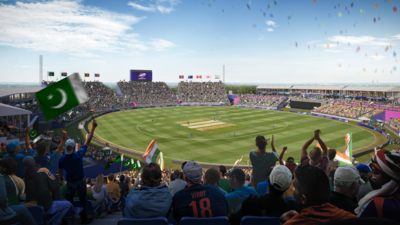
The Nassau County International Cricket Stadium in New York is a purpose-built venue that will host the India v Pakistan match at the 2024 T20 World Cup. Photo: ICC -
The Nassau County Stadium in New York will have a capacity of 34,000. Photo: ICC -
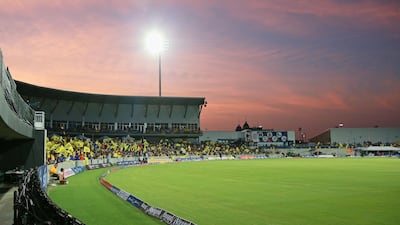
The Grand Prairie Stadium in Texas is one of three venues in the US that will host 2024 T20 World Cup matches. SPORTZPICS for MLC -
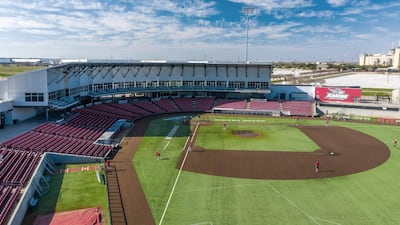
The Grand Prairie Airhogs baseball stadium in Texas was converted into a cricket ground. Photo: City of Grand Prairie -
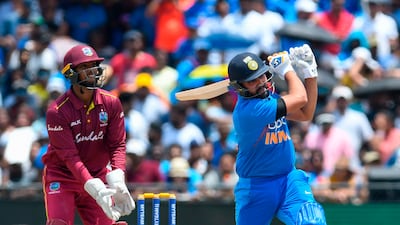
The Central Broward Regional Park Stadium in Fort Lauderdale, Florida, has a capacity of 40,000 and has hosted a few T20 matches already. AFP -
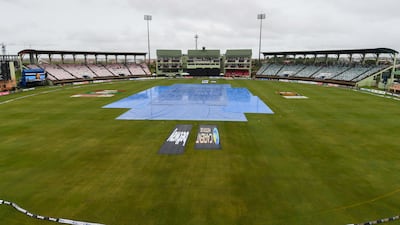
The Guyana National Stadium is one of the six venues in the Caribbean that will host matches at the 2024 T20 World Cup. It has a capacity of 20,000 and will host six games, including the semi-final. AFP -
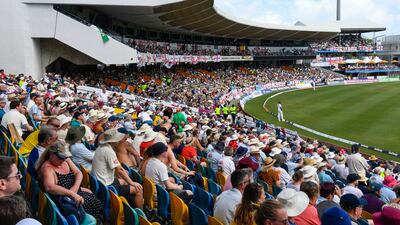
The Kensington Oval in Barbados is one of the biggest venues in the Caribbean with a capacity of 28,000 capacity. It will host nine matches, including the final, at this year's T20 World Cup. AFP -
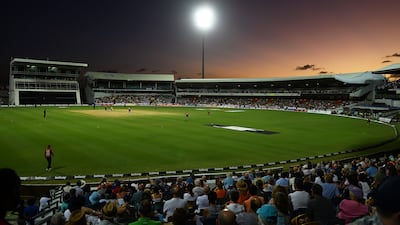
The iconic Kensington Oval in Bridgetown, Barbados, will also host T20 World Cup games. Getty Images -
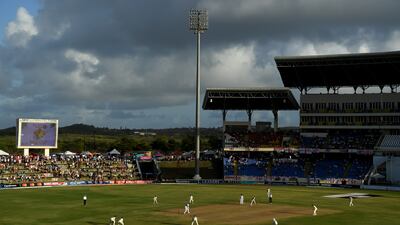
The Sir Vivian Richards Stadium in Antigua is among the venues selected for the T20 World Cup. Getty Images -
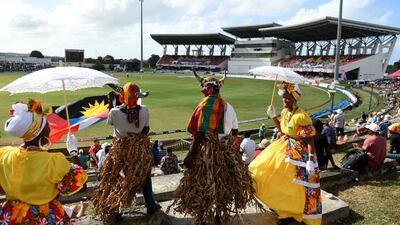
The Sir Vivian Richards Stadium in Antigua has a capacity of 10,000 and will host eight matches. Getty Images -
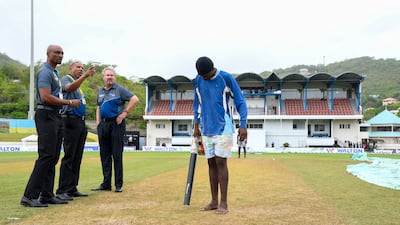
The Daren Sammy Cricket Ground in Saint Lucia will host six matches at its 15,000-capacity venue. AFP -
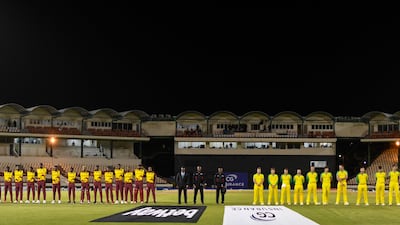
The Daren Sammy Cricket Ground in Gros Islet, Saint Lucia, is named after one of the most successful white-ball captains of the West Indies. AFP -
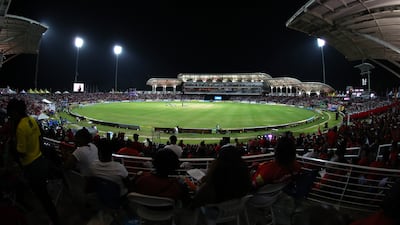
The Brian Lara Cricket Academy in Trinidad And Tobago will also host T20 World Cup games. Getty Images -
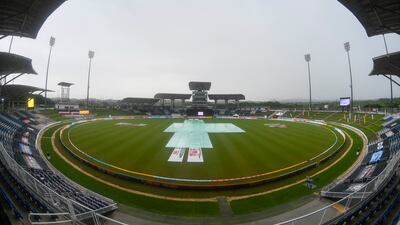
The Brian Lara Cricket Academy has a capacity of 15,000 and will host five matches including the semi-final. Getty Images -
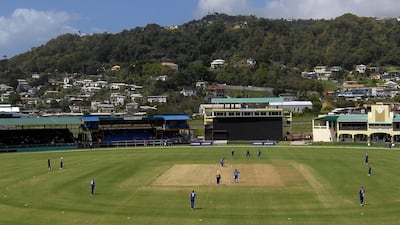
The Arnos Vale Stadium in St Vincent has a capacity of 18,000 and will host five matches. Getty Images -
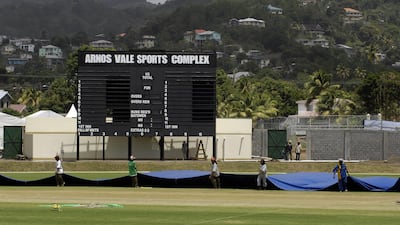
The Arnos Vale Sports Complex in St Vincent is among the smaller venues for the T20 World Cup. Getty Images



