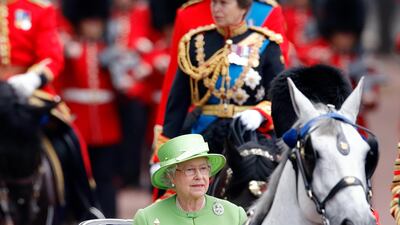
Britain was a manufacturing and trading colossus in the 1950s, when Queen Elizabeth II became the nation's monarch, with shipbuilding one of its preeminent industries. PA


Queen Elizabeth II's 70 years of tumultuous economic change


  • English
  • Arabic

September 14, 2022

Had she seen out the rest of this year, Queen Elizabeth II would have witnessed her country pass a milestone that was scarcely believable at the outset of her reign.

The British monarch, whose father was King Emperor of the sub-continent, has died as India is set to overtake the UK in terms of economic might.

India was only just an independent nation, having freed itself from British rule, when the queen ascended to the throne in 1952. Seventy years on and the country will, later this year, officially become the world’s fifth-largest economy. Britain slips to sixth, although some economists maintain its real ranking is eighth.

Back in 1952, it was an indisputable third, behind the US and Soviet Union. As a further show of strength, the UK joined the superpowers that year as a nuclear power.

Britain was a manufacturing and trading colossus. Coal mining, shipbuilding, heavy engineering, car-making, textiles: the list of activities, and mass employment providers, that dominated the country’s industrial heartlands of the north of England and the West Midlands, went on. Many of them were state-owned.

The docks in Liverpool, Southampton and the East End of London, were in full swing, mostly receiving and sending vessels to and from what was still a formidable, if creaking, British Empire.

Everywhere there was building, as a people ravaged by war and sustained bombing, embarked on recovery. Vast areas of the urban population had to be rehoused, and councils seized the opportunity to condemn the Victorian-era slums that blighted so many towns and cities.

Motorways were coming, and the new National Health Service and welfare state demanded the construction of hospitals, clinics, offices. School buildings, too. Britain was buzzing with activity.

For all that, times were hard. Rationing of some staple foods continued to apply and dual-income families were not commonplace. Having been employed during the years of conflict in a variety of sectors from armaments to agriculture, women found they were no longer required, as industries returned to being almost exclusively male.

It may have had a female head of state but Britain afforded few opportunities for women who sought rising career paths. A woman in a top job was a rarity. Females made up a third of the workforce, but they were often in posts that offered little prospect of meaningful advancement. In 2022, the gender split is roughly 50-50, and women have risen to the most powerful positions, such as prime minister, on three occasions.

Then, university graduates were predominantly male; today, females account for the majority of those studying for first degrees.

Much of the shift was due to enlightenment. Similarly, in 1952, divorcees and single-parent families struggled for acceptance. Not any more. In 2021, most births were to unmarried parents.

Great social changes, that led to a decline in church attendance, legalisation of abortion and homosexuality and the introduction of the contraceptive pill, played their part. The economy was responsible, too, as large-scale manufacturing waned and disappeared entirely in many places. This was replaced by more female-conducive service industries at which, incidentally, Britain excels.

From sitting at the pinnacle of an imperial domain that went right around the globe, Britain has had to come to terms with not only the loss of its colonies, but also the rise of new economic forces: globalisation and digitalisation.

China's proxy UK manufacturer status

Where once it faced no or little competition, Britain must fight for every gain. Asia, particularly China (now number two in the economic chart), continues to flex its considerable muscle. Once, for instance, the iconic British sports car, the MG, was made near Oxford. Today’s electric MG is produced in China.

For a long period, membership of the EU and having a free trade bloc on the doorstep, compensated for the diminishing empire. But that has gone, and the Britain of 2022 feels very much alone, having to find and strike trade deals. Several of them, ironically, have been made with countries that in 1952 were completely under its purview.

The economy, for all that, is transformed — five times bigger than in 1952. Productivity, however, has slipped and defies repeated efforts at improvement.

It’s a more crowded country, with many additional mouths to feed. When the queen succeeded her father in 1952, the total British population was 50.4 million. Today, it’s 68.3 million. Much of that rise has come in the last three decades as net immigration has increased.

Queen Elizabeth timeline - in pictures

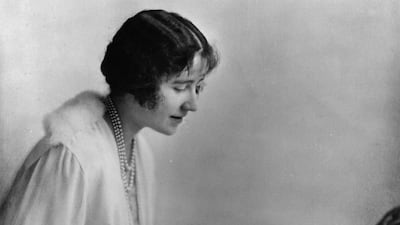
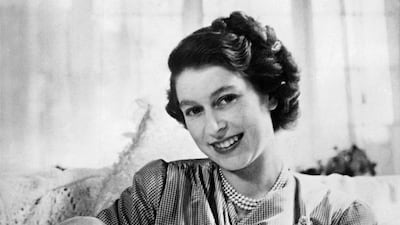
  • April 21, 1926: Elizabeth, Duchess of York (1900-2002), gives birth to Princess Elizabeth Alexandra Mary Windsor, her first child and the future queen. Getty
    April 21, 1926: Elizabeth, Duchess of York (1900-2002), gives birth to Princess Elizabeth Alexandra Mary Windsor, her first child and the future queen. Getty
  • December 11, 1936. Elizabeth becomes heiress presumptive when her father becomes King George VI. Getty
    December 11, 1936. Elizabeth becomes heiress presumptive when her father becomes King George VI. Getty
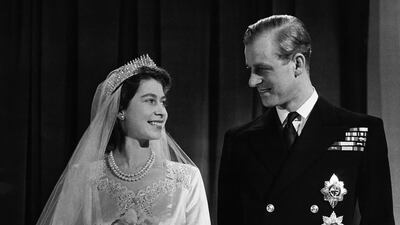
  • November 20, 1947. Princess Elizabeth marries Phillip, Duke of Edinburgh. Getty
    November 20, 1947. Princess Elizabeth marries Phillip, Duke of Edinburgh. Getty
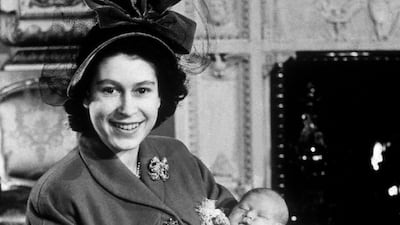
  • November 14, 1948: Princess Elizabeth gives birth to her eldest child Prince Charles. Getty
    November 14, 1948: Princess Elizabeth gives birth to her eldest child Prince Charles. Getty
  • August 18 1950: Elizabeth gives birth to her second child, Princess Anne. AFP
    August 18 1950: Elizabeth gives birth to her second child, Princess Anne. AFP
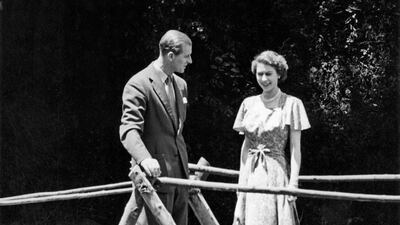
  • 1952. Princess Elizabeth ascends to the throne, learning of her ascension on a trip to Kenya with the Duke of Edinburgh on February 6. Getty
    1952. Princess Elizabeth ascends to the throne, learning of her ascension on a trip to Kenya with the Duke of Edinburgh on February 6. Getty
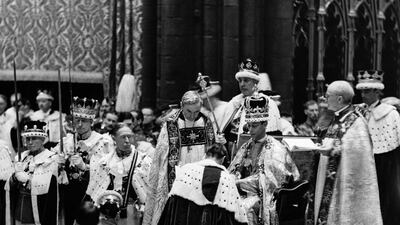
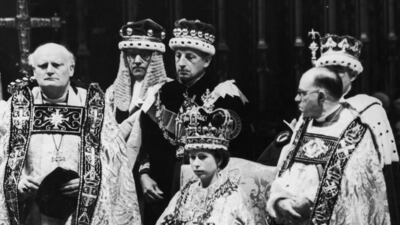
  • June 2,1953: Crowned Queen Elizabeth II by Archbishop of Canterbury Dr Geoffrey Fisher at Westminster Abbey. Getty
    June 2,1953: Crowned Queen Elizabeth II by Archbishop of Canterbury Dr Geoffrey Fisher at Westminster Abbey. Getty
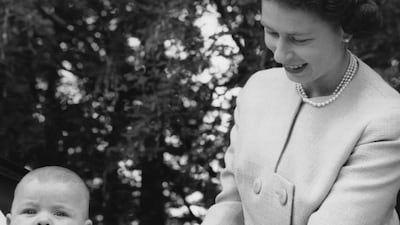
  • February 19, 1960: Queen Elizabeth gives birth to her third child, Prince Andrew. Getty
    February 19, 1960: Queen Elizabeth gives birth to her third child, Prince Andrew. Getty
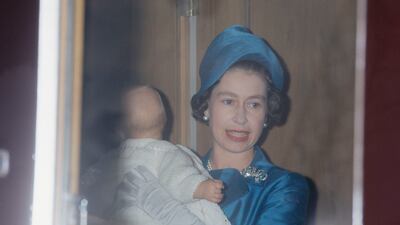
  • March 10, 1964. Queen Elizabeth II gives birth to her fourth and last child, Prince Edward. Getty
    March 10, 1964. Queen Elizabeth II gives birth to her fourth and last child, Prince Edward. Getty
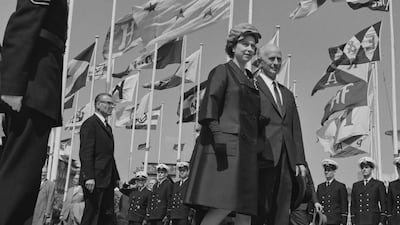
  • May 18, 1965: Queen Elizabeth II with Paul Nevermann (1902 - 1979), the Mayor of Hamburg, in Hamburg during a an official trip to West Germany - her first state visit. Getty
    May 18, 1965: Queen Elizabeth II with Paul Nevermann (1902 - 1979), the Mayor of Hamburg, in Hamburg during a an official trip to West Germany - her first state visit. Getty
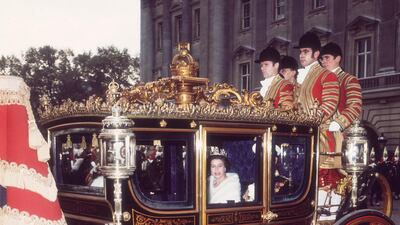
  • June 2, 1977: Livery-clad coachmen accompany the state coach bearing Queen Elizabeth II on her Silver Jubilee. Getty
    June 2, 1977: Livery-clad coachmen accompany the state coach bearing Queen Elizabeth II on her Silver Jubilee. Getty
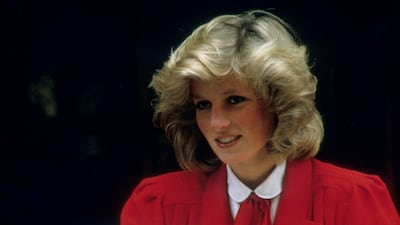
  • June 29. 1981: Prince Charles And Princess Diana marry. Getty
    June 29. 1981: Prince Charles And Princess Diana marry. Getty
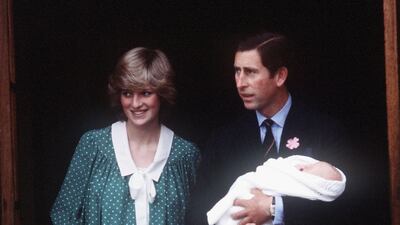
  • June 21, 1982: Diana gives birth to Prince William. Getty
    June 21, 1982: Diana gives birth to Prince William. Getty
  • September 16, 1984: Diana gives birth to her second child with Prince Charles, Prince Harry. Getty
    September 16, 1984: Diana gives birth to her second child with Prince Charles, Prince Harry. Getty
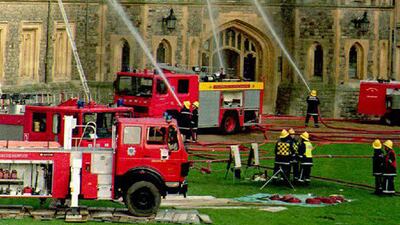
  • November 20 1992: Flames rip through private apartments in the east wing of Windsor Castle. AFP
    November 20 1992: Flames rip through private apartments in the east wing of Windsor Castle. AFP
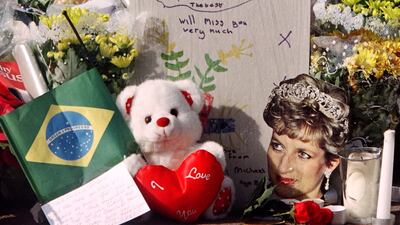
  • September 1, 1997: Diana dies after a car crash in Paris, sending the UK and world into shock. AFP
    September 1, 1997: Diana dies after a car crash in Paris, sending the UK and world into shock. AFP
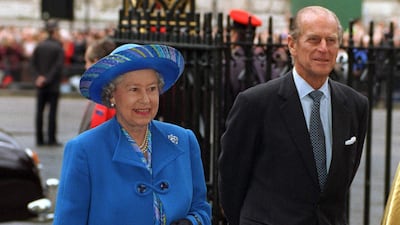
  • November 20, 1997: The Queen and Prince Philip celebrate their Golden Wedding Anniversary at Westminster Abbey. Getty
    November 20, 1997: The Queen and Prince Philip celebrate their Golden Wedding Anniversary at Westminster Abbey. Getty
  • June 4, 2002: The Queen and her husband the Duke of Edinburgh wave to well-wishers, as they ride the Gold State Coach from Buckingham Palace to St Paul's Cathedral in London, for a service of thanksgiving to celebrate her Golden Jubilee. AP
    June 4, 2002: The Queen and her husband the Duke of Edinburgh wave to well-wishers, as they ride the Gold State Coach from Buckingham Palace to St Paul's Cathedral in London, for a service of thanksgiving to celebrate her Golden Jubilee. AP
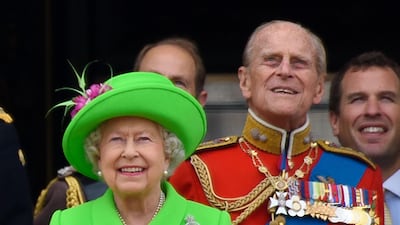
  • 2007: Queen Elizabeth becomes oldest UK monarch on her actual birthday of April 21, and celebrates on her sovereign birthday of June 16 during the annual Trooping the Colour Parade. Getty
    2007: Queen Elizabeth becomes oldest UK monarch on her actual birthday of April 21, and celebrates on her sovereign birthday of June 16 during the annual Trooping the Colour Parade. Getty
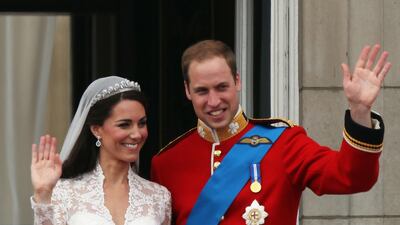
  • April 29, 2011: The Queen's oldest grandchild Prince William, Duke of Cambridge and Catherine, Duchess of Cambridge marry. Getty
    April 29, 2011: The Queen's oldest grandchild Prince William, Duke of Cambridge and Catherine, Duchess of Cambridge marry. Getty
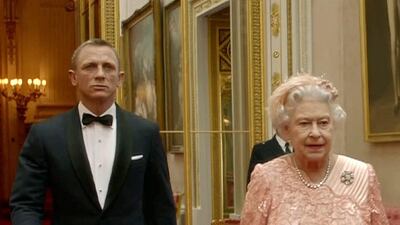
  • 2012: Queen celebrates her diamond jubilee, which included a cameo in the London 2012 Olympics alongside actor Daniel Craig in his guise as James Bond. Getty
    2012: Queen celebrates her diamond jubilee, which included a cameo in the London 2012 Olympics alongside actor Daniel Craig in his guise as James Bond. Getty
  • September 9, 2015. Queen Elizabeth II becomes the longest reigning monarch in British history. Getty
    September 9, 2015. Queen Elizabeth II becomes the longest reigning monarch in British history. Getty
  • June 11, 2016 . Queen Elizabeth celebrates her 90th birthday. Getty Image
    June 11, 2016 . Queen Elizabeth celebrates her 90th birthday. Getty Image
  • February 5, 2017: Queen Elizabeth becomes the first British monarch to reach their sapphire jubilee. Getty
    February 5, 2017: Queen Elizabeth becomes the first British monarch to reach their sapphire jubilee. Getty
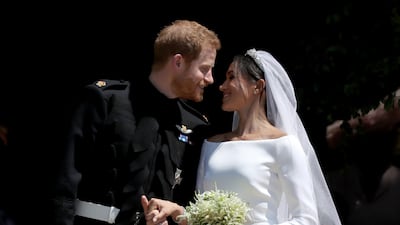
  • May 19, 2018: Grandson Prince Harry, Duke of Sussex and Megahn Markle, The Duchess of Sussex marry at St George's Chapel at Windsor Castle. Getty
    May 19, 2018: Grandson Prince Harry, Duke of Sussex and Megahn Markle, The Duchess of Sussex marry at St George's Chapel at Windsor Castle. Getty
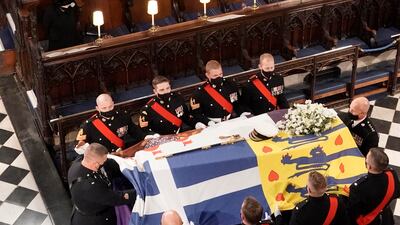
  • April 9, 2021: Queen Elizabeth's husband Prince Philip dies months short of his 100th birthday. Getty
    April 9, 2021: Queen Elizabeth's husband Prince Philip dies months short of his 100th birthday. Getty
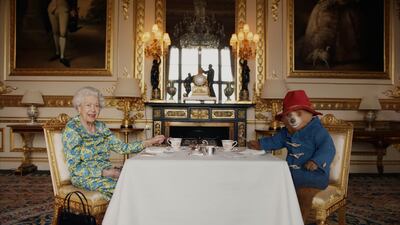
  • June 2022: Queen Elizabeth II and Paddington Bear have cream tea at Buckingham Palace as part of celebrations for her platinum jubilee. Getty
    June 2022: Queen Elizabeth II and Paddington Bear have cream tea at Buckingham Palace as part of celebrations for her platinum jubilee. Getty

There are more people, then, and they’re living longer. Once they hit 70, men and women in 2022 can both expect to live seven years longer than in 1952.

But, by and large, they’re richer, enjoying comfier lifestyles. Public ownership has given way to privatisation. Collective transport on buses and trains has been supplemented and surpassed by individually owned and driven cars. Council housing has declined, in favour of private housing (and with it, the advent and establishment of attendant industries wholly devoted to home improvements). Restaurants and fast-food outlets are on every high street. We’re also eating healthier and more varied foods ―thanks in part to quicker transport links ― imported from overseas.

In 1952, the average house price was less than £2,000 ($2,311) ― which is equivalent to £60,000 today. Currently, the average house is worth £274,000, says the Nationwide Building Society (let’s not forget, either, as pounds are cited how the currency switched ― from shillings and pence to decimal).

For much of the queen’s reign, average wages in the UK outstripped inflation. They didn’t after the financial crisis of 2008 and they may not do so again this year, as double-digit inflation hits.

Trade unions, once so dominant during nationalisation, saw their influence recede during the Margaret Thatcher years. In 2022, against a backdrop of rising cost of living, they’re making their presence felt, threatening national strikes.

Having experienced high taxes at different stages in the Queen Elizabeth II period, the UK, during and post the Thatcher premiership, became used to low taxation and market forces supplanting public intervention. Gradually, though, higher taxes have returned. The response to Covid and the 2022 fuel shortage caused by Russia’s invasion of Ukraine have prompted government measures that, while designed to be beneficial to the bulk of UK citizens, must be paid for.

A recession looms. There’s a strong sense, however, of being here before, of having overcome peril and prospered. During seven decades, Britain’s economy withstood oil shocks, the Suez crisis, the Falklands War, the devaluation of sterling, the exit from the Exchange Rate Mechanism (ERM)… again, it’s a long roll call.

It may not be as powerful as it once was, but Britain remains in a good place.



Company profile

Company name: Dharma

Date started: 2018

Founders: Charaf El Mansouri, Nisma Benani, Leah Howe

Based: Abu Dhabi

Sector: TravelTech

Funding stage: Pre-series A 

Investors: Convivialite Ventures, BY Partners, Shorooq Partners, L& Ventures, Flat6Labs

War and the virus
hall of shame

SUNDERLAND 2002-03

No one has ended a Premier League season quite like Sunderland. They lost each of their final 15 games, taking no points after January. They ended up with 19 in total, sacking managers Peter Reid and Howard Wilkinson and losing 3-1 to Charlton when they scored three own goals in eight minutes.

SUNDERLAND 2005-06

Until Derby came along, Sunderland’s total of 15 points was the Premier League’s record low. They made it until May and their final home game before winning at the Stadium of Light while they lost a joint record 29 of their 38 league games.

HUDDERSFIELD 2018-19

Joined Derby as the only team to be relegated in March. No striker scored until January, while only two players got more assists than goalkeeper Jonas Lossl. The mid-season appointment Jan Siewert was to end his time as Huddersfield manager with a 5.3 per cent win rate.

ASTON VILLA 2015-16

Perhaps the most inexplicably bad season, considering they signed Idrissa Gueye and Adama Traore and still only got 17 points. Villa won their first league game, but none of the next 19. They ended an abominable campaign by taking one point from the last 39 available.

FULHAM 2018-19

Terrible in different ways. Fulham’s total of 26 points is not among the lowest ever but they contrived to get relegated after spending over £100 million (Dh457m) in the transfer market. Much of it went on defenders but they only kept two clean sheets in their first 33 games.

LA LIGA: Sporting Gijon, 13 points in 1997-98.

BUNDESLIGA: Tasmania Berlin, 10 points in 1965-66

Medicus AI

Started: 2016

Founder(s): Dr Baher Al Hakim, Dr Nadine Nehme and Makram Saleh

Based: Vienna, Austria; started in Dubai

Sector: Health Tech

Staff: 119

Funding: €7.7 million (Dh31m)


Western Region Asia Cup T20 Qualifier

Sun Feb 23 – Thu Feb 27, Al Amerat, Oman

The two finalists advance to the Asia qualifier in Malaysia in August


Group A

Bahrain, Maldives, Oman, Qatar

Group B

UAE, Iran, Kuwait, Saudi Arabia


UAE group fixtures

Sunday Feb 23, 9.30am, v Iran

Monday Feb 25, 1pm, v Kuwait

Tuesday Feb 26, 9.30am, v Saudi


UAE squad

Ahmed Raza, Rohan Mustafa, Alishan Sharafu, Ansh Tandon, Vriitya Aravind, Junaid Siddique, Waheed Ahmed, Karthik Meiyappan, Basil Hameed, Mohammed Usman, Mohammed Ayaz, Zahoor Khan, Chirag Suri, Sultan Ahmed

David Haye record

Total fights: 32
Wins: 28
Wins by KO: 26
Losses: 4

MATCH INFO

Champions League quarter-final, first leg

Ajax v Juventus, Wednesday, 11pm (UAE)

Match on BeIN Sports

Safety 'top priority' for rival hyperloop company

The chief operating officer of Hyperloop Transportation Technologies, Andres de Leon, said his company's hyperloop technology is “ready” and safe.

He said the company prioritised safety throughout its development and, last year, Munich Re, one of the world's largest reinsurance companies, announced it was ready to insure their technology.

“Our levitation, propulsion, and vacuum technology have all been developed [...] over several decades and have been deployed and tested at full scale,” he said in a statement to The National.

“Only once the system has been certified and approved will it move people,” he said.

HyperloopTT has begun designing and engineering processes for its Abu Dhabi projects and hopes to break ground soon. 

With no delivery date yet announced, Mr de Leon said timelines had to be considered carefully, as government approval, permits, and regulations could create necessary delays.

Friday’s fixture

6.15pm: Al Wahda v Hatta

6.15pm: Al Dhafra v Ajman

9pm: Al Wasl v Baniyas

9pm: Fujairah v Sharjah

.

Nayanthara: Beyond The Fairy Tale

Starring: Nayanthara, Vignesh Shivan, Radhika Sarathkumar, Nagarjuna Akkineni

Director: Amith Krishnan

Rating: 3.5/5

Honeymoonish
%3Cp%3E%3Cstrong%3EDirector%3A%3C%2Fstrong%3E%20Elie%20El%20Samaan%3C%2Fp%3E%0A%3Cp%3E%3Cstrong%3EStarring%3A%20%3C%2Fstrong%3ENour%20Al%20Ghandour%2C%20Mahmoud%20Boushahri%3C%2Fp%3E%0A%3Cp%3E%3Cstrong%3ERating%3A%3C%2Fstrong%3E%203%2F5%3C%2Fp%3E%0A
What it means to be a conservationist

Who is Enric Sala?

Enric Sala is an expert on marine conservation and is currently the National Geographic Society's Explorer-in-Residence. His love of the sea started with his childhood in Spain, inspired by the example of the legendary diver Jacques Cousteau. He has been a university professor of Oceanography in the US, as well as working at the Spanish National Council for Scientific Research and is a member of the World Economic Forum’s Global Future Council on Biodiversity and the Bio-Economy. He has dedicated his life to protecting life in the oceans. Enric describes himself as a flexitarian who only eats meat occasionally.

What is biodiversity?

According to the United Nations Environment Programme, all life on earth – including in its forests and oceans – forms a “rich tapestry of interconnecting and interdependent forces”. Biodiversity on earth today is the product of four billion years of evolution and consists of many millions of distinct biological species. The term ‘biodiversity’ is relatively new, popularised since the 1980s and coinciding with an understanding of the growing threats to the natural world including habitat loss, pollution and climate change. The loss of biodiversity itself is dangerous because it contributes to clean, consistent water flows, food security, protection from floods and storms and a stable climate. The natural world can be an ally in combating global climate change but to do so it must be protected. Nations are working to achieve this, including setting targets to be reached by 2020 for the protection of the natural state of 17 per cent of the land and 10 per cent of the oceans. However, these are well short of what is needed, according to experts, with half the land needed to be in a natural state to help avert disaster.

Updated: September 14, 2022, 12:16 PM