


Yemen was already one of the world's poorest countries before its ongoing civil war. But over the past eight years, political chaos and a Houthi rebel insurgency have led to one of the worst humanitarian crises of the 21st century. More than 23 million people are estimated to be in need of assistance this year, more than half of them desperately. In 2021, Unicef reported that four out of five Yemeni children were in need of such help, and that more than two million were out of school. Food and water supply, medical care and sanitation have deteriorated and, as The National has reported, the number of landmines is increasing.
Worse still, Yemen's dire situation was at risk of becoming normalised by some in the international community as the years dragged on. But in recent months, Yemenis have proved to the world that compromise is possible. On April 1, a two-month truce brokered by the UN came into effect, the first nationwide one in six years. It was extended in June for another two months.
In a week's time, this latest phase will be up. It is crucial that it is extended.
-
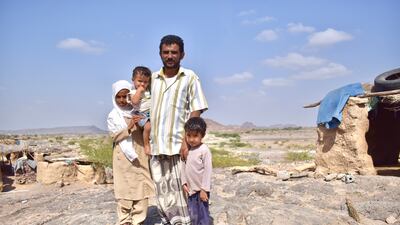
Saeed, 55 was driving to see his sister in hospital in Mokha when the car he was driving hit a landmine, which exploded instantly, killing his daughter, 3, and injuring her nine-year-old sister. Photo: Cherry Franklin for DRC -

Working alone, without a salary or support, from his home in Khoka, Mohammad has been arranging transport and medical support to people injured by landmines and other explosive ordnance. Photo: Cherry Franklin for DRC -
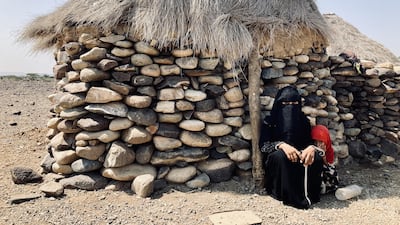
After enduring conflict and displacement, two years ago Eman and her family returned to their home, a tiny stone hut in the middle of the desert. But even though the fighting has moved on, the danger remains. Eman’s house is in the middle of a vast minefield. Photo: Cherry Franklin for DRC -
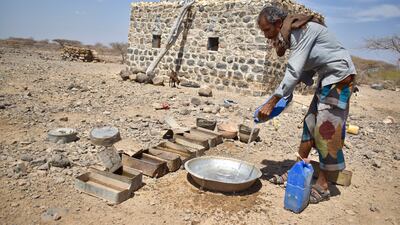
Abdullah, 35, pours water for his goats into empty storage containers for bullets and soldier’s helmets, the remnants of Yemen’s ongoing seven-year conflict. He gestures to an anti-tank mine lying on the ground nearby: “There are mines everywhere here. Sometimes our sheep or camels set off the landmines and they explode, but you can see them everywhere on the ground.” Photo: Cherry Franklin for DRC -
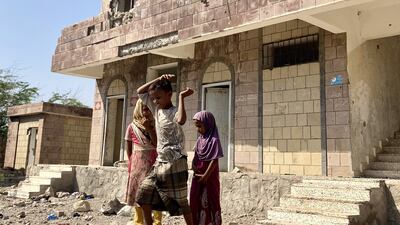
In Mowza, western Yemen, a tiny school sits on top of a hillside. There’s no road to the school, just a narrow dusty track that winds its way through open fields. The building was occupied by Houthi troops in 2018. The walls are riddled with bullet holes and the three small classrooms are in a bad state of repair – but it’s the land outside the school that poses the most threat to the young pupils. The school sits in fields littered with landmines and other unexploded ordnance. Photo: Cherry Franklin for DRC


Despite progress over the past four months, there has still been sporadic fighting. On Saturday, the Houthis reportedly shelled a residential area in the city of Taez. One child was reported killed and ten others injured. But the situation is still a great deal better than it otherwise would have been. In the first two months of 2022, before the ceasefire came into effect, more than 10,000 young people were killed or injured according to Unicef. That trend would probably have continued throughout the rest of the year were it not for the steep drop off in hostilities since April.
The positive momentum is being noticed by the international community and held up as a rare diplomatic success in an increasingly tense world. Yemen was part of the discussions on US President Joe Biden's recent trip to Saudi Arabia and his meetings with regional leaders. On Monday, the US special envoy for Yemen, Tim Lenderking, began a visit to Saudi Arabia and Jordan to bolster efforts to extend the truce beyond its upcoming deadline.
Yemen does not have time to waste. It might be a talking point at the highest levels of global diplomacy for now, but that might not be the case for long. There is a risk that humanitarian attention will shift to newer crises, notably the war in Ukraine. As Europe goes through its first interstate conflict since the Second World War, countries that have been mired in violence for years could lose out.
That is why this week is critical. International engagement must remain. Most of all, Yemeni leaders must remember the horrors of the past eight years and work towards sustainable peace, and a continued suppression of violence in the meantime. If all sides can maintain the relative calm of the past few months, peace, unthinkable for so many years, might become reality.

