


Forty million people per year come to the Mall of the Emirates. Thousands make a living there, and many more come to spend money in shops, hotels and even an indoor ski slope, all in a site that spans 2.4 million square feet. It is a visible reminder and celebration of the UAE's astonishing transformation over the past 50 years. But over the next few days it will also be a place on which many are reflecting, after news broke on Friday of the passing of Majid Al Futtaim, the man who made this development, and many others, possible.
In a tweet, Sheikh Mohamed bin Zayed, Crown Prince of Abu Dhabi and Deputy Supreme Commander of the Armed Forces, wrote of Al Futtaim's "deep commitment to society". His charity work included, for example, the yearly "Make a Difference" Ramadan campaign, in which people would donate as much as 60 tonnes of books, toys and clothes for underprivileged families in the region. Sheikh Mohammed bin Rashid, Vice President and Ruler of Dubai, also paid tribute to him following the news: “May God have mercy on our brother Majid Al Futtaim, the creative businessman.”
He was exactly that. A hugely talented commercial operator, Al Futtaim also possessed creativity to a degree that made him more than a successful property developer; it placed him at the heart of the UAE's history.
-
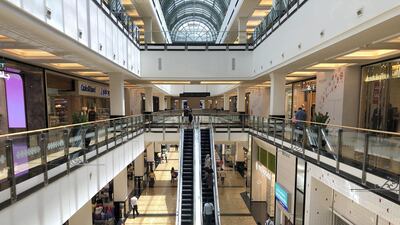
The Mall of the Emirates in Dubai. Chris Whiteoak / The National -
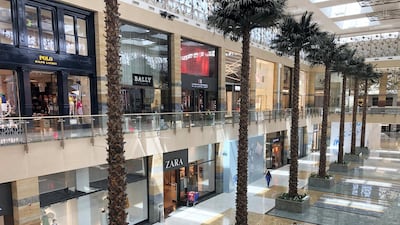
City Centre, Mirdif in Dubai. Chris Whiteoak / The National -
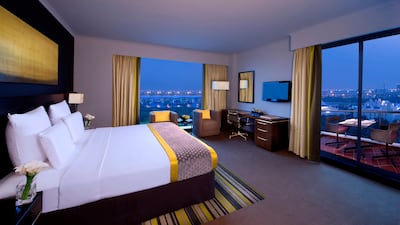
Pullman Dubai Deira City Centre Hotel. Photo: Pullman Hotels and Resorts -
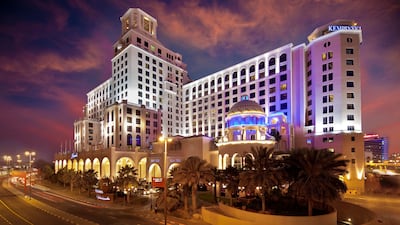
Kempinski Hotel Mall of the Emirates. Photo: Kempinski -
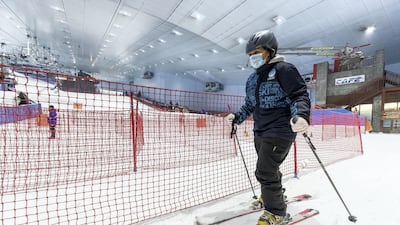
Ski Dubai at the Mall of the Emirates. Antonie Robertson / The National -

iFly Dubai. Silvia Razgova / The National -
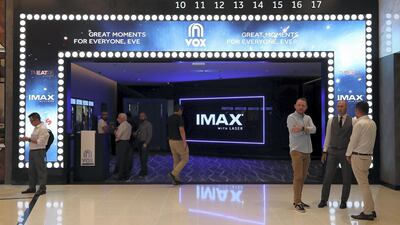
VOX Cinema in Abu Dhabi. Pawan Singh / The National -

Carrefour at City Centre Al Zahia in Sharjah. Pawan Singh / The National -
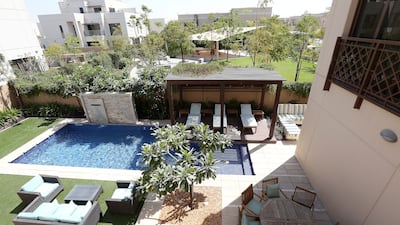
Al Zahia gated community in Sharjah. Pawan Singh / The National -
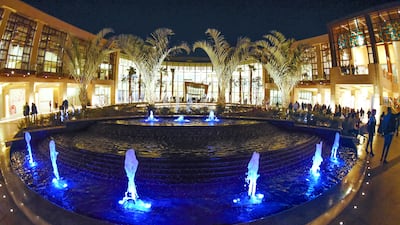
Mall of Egypt in Cairo. Photo: Majid Al Futtaim


While the transformation of Dubai and the UAE is based on the ideas of its leaders, the quick emergence of a thriving business environment in the past few decades has been an integral part of the plan. Al Futtaim was a textbook example of someone who worked alongside Dubai's rulers to realise their dream.
A brief list of his endeavours demonstrate quite how significant he was in this regard. His group – Majid Al Futtaim group (MAF), set up in 1992 – includes 28 malls, 13 hotels and four city projects. All in all, MAF employs 34,000 people. And much before Mall of the Emirates drew millions of visitors each year, back in 1995, it was a mall in the older part of town, City Centre Deira, which was the group's flagship retail offering. In the early 2000s, MAF's portfolio expanded rapidly, with its properties opening the UAE's first multiplex cinema and the region's first Apple store in 2003.
One of his most significant achievements was the development of Dubai Creek, an area that encompasses a vast expanse of the city's most important commercial and tourism districts. Today, the neighbourhood around the Dubai Creek shows how rapid development does not have to come at the expense of a location's traditional identity. Historically, the Creek was a centre of the country's pearl fishing industry. And while it is now at the heart of a modern metropolis, there are plenty of reminders of this heritage and culture, too.
MAF has also been an important part of exporting the UAE's ambition into markets including Saudi Arabia, Egypt, Oman, Bahrain, Lebanon, Kuwait, Qatar, Jordan and Uganda. The company brought with it more than technical expertise, but also the deeper appreciation that mega-projects can be cornerstones of prosperity.
Back in the UAE, the presence of vast numbers of visitors from around the globe in today's Dubai can, in the wake of Al Futtaim's death, be a part of his memory. His life is proof that gifted people can rise to the top in the UAE and realise their ambitions. And in an ever-globalising country, his legacy will be the success of the next generation of businesspeople making the Emirates their home.

