


India’s missile attacks against what it described as “terrorist targets” in Pakistan are now likely to invite Pakistani retaliation. The risk of escalation of conflict between the two nuclear-armed neighbours has increased after Pakistan appears to have downed at least one Indian fighter jet with missiles fired across the border. Indian drones have been swarming Pakistan’s skies, and several have been shot down.
The world’s leaders would prefer that India and Pakistan followed established patterns of mutual reassurance and deterrence between nuclear-armed countries. These patterns, which evolved during the Cold War between the US and erstwhile Soviet Union, involved regular communication and the avoidance of conventional military confrontation.
India and Pakistan have regularly accused each other of sub-conventional warfare through terrorist proxies, and have come to the brink of conventional war on their shared border several times since their nuclear tests in 1998. Moreover, in recent years, they have suspended talks and reduced their diplomatic presence in each other’s capitals. This confrontational attitude increases the danger of escalation and war in the subcontinent, with huge risks for the region’s 1.7 billion people.
Ironically, there is now a predictable cycle of terrorist attacks targeting India followed by an escalation of tensions, culminating in international diplomacy to calm things down. This time, the cycle was triggered by the April 22 terrorist attack that killed 26 civilians, including honeymooning tourists, in Pahalgam in Indian-administered Kashmir. India immediately blamed Pakistan-based militants for orchestrating the attack, which had overt religious connotations because the attackers asked their victims their religion before killing them.
According to the South Asia Terrorism Portal, since 2000 there have been 12,040 attacks inside Jammu and Kashmir, resulting in the deaths of 4,981 civilians, 3,624 security personnel and 13,391 terrorists. India, and much of the world, has accused Pakistan over the years of nurturing extremist terrorists as an instrument of policy, flexing muscle to advance Pakistan’s strategic goals.
Sympathy for extremists among sizeable sections of the Pakistani public and within law enforcement and intelligence, along with inaction by members of the political class, has allowed domestic militant groups to operate with some impunity. The rise of Hindu nationalism in India has given further impetus to Islamist extremism in Pakistan, where the all-powerful military sees the dispute over Kashmir as unfinished business of Partition.
Given that both India and Pakistan have been victims of terrorist attacks since the 1990s, most (but not all) of which stem from the discord between the two countries, they could join hands to fight extremism and jointly pursue prosperity. India has suffered from terrorist attacks, the largest of them being the November 2008 attack in Mumbai, and would like to see an end to this constant bloodletting. On the other hand, Pakistan has gained little from its alleged association with Islamist extremism and has suffered from blowback as well as economic consequences.
Pakistan has argued, with some justification, that India was too quick to blame it for the latest attack and has called for a neutral investigation into the Pahalgam massacre. Although there is historical evidence of extremist groups operating with ease in Pakistan, a ceasefire along the Line of Control in disputed Jammu and Kashmir had been in place for the past four years and until April 22 there had been little to no significant terrorist activity in most of Kashmir.
Early Wednesday morning, India launched missiles against what it claimed were terrorist camps and infrastructure inside Pakistani-administered Kashmir and Pakistani Punjab. At least 31 people were killed. On Thursday, multiple Indian drones penetrated Pakistani air defences. Now, Pakistan is threatening to retaliate against what it calls an Indian invasion.
Ideally, India would consider its raids inside Pakistan sufficient punishment for alleged support for terrorists while Pakistan could express satisfaction at downing Indian fighter jets and drones. Both sides could declare victory and stop. But if they continue to retaliate to the other side’s retaliation, war will follow. The bitterness that started with the partition of the subcontinent in 1947 has not ended after four wars. It is unlikely that another war will bring it to an end.
-

A child looks on after taking refuge at a school in Jammu, Indian-administered Kashmir, following an exchange of shelling and small arms fire across the border. Getty Images -
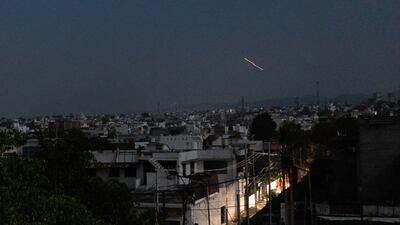
Streaks of light in the skies over the city of Jammu in Indian-administered Kashmir, during a suspected drone attack from the Pakistan side. Getty Images -
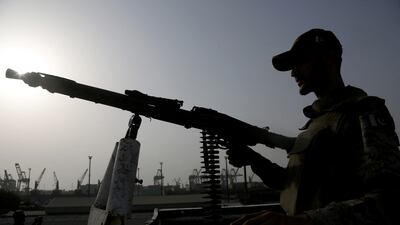
A Pakistani paramilitary trooper keeps guard at Karachi Port. Reuters -
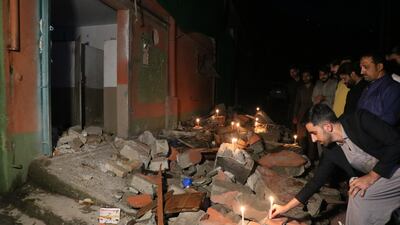
A candlelight vigil for victims of a Indian missile strike on Bilal Mosque in Muzaffarabad, Pakistani-administered Kashmir. EPA -
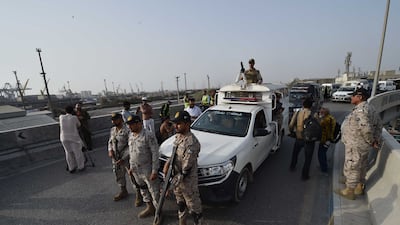
Security personnel at Karachi Port, southern Pakistan. EPA -
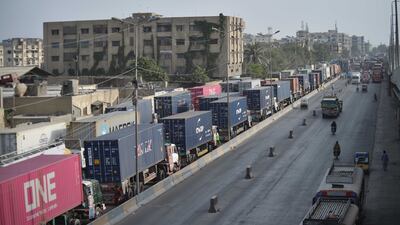
Lorries gridlocked near Pakistan's Karachi Port following the military escalation between New Delhi and Islamabad. EPA -
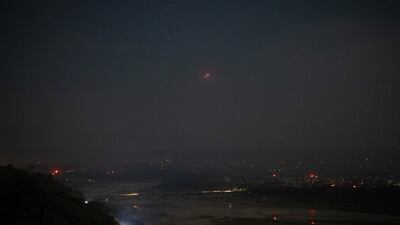
India's air defence system intercepts objects during a blackout following blasts in the city of Jammu, in Indian-administered Kashmir. Reuters -
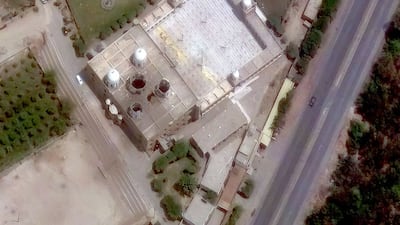
The damaged Jamia Masjid Subhan Allah compound after an Indian strike on the outskirts of Bahawalpur in Pakistan's Punjab province. AFP -
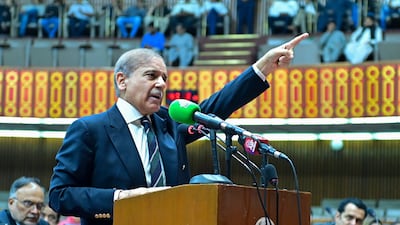
Prime Minister Shehbaz Sharif addressing the special session at the National Assembly in Islamabad. AFP -

Villagers carry their belongings as they move to safer areas after authorities evacuated residents living near the border at Jeora Farm on the outskirts of Jammu. AFP -
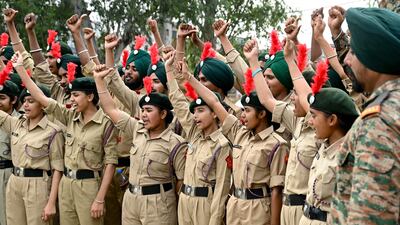
National Cadet Corps cadets shout slogans after conducting an emergency simulation drill as part of the nationwide civil defence mock drills in Amritsar. AFP -
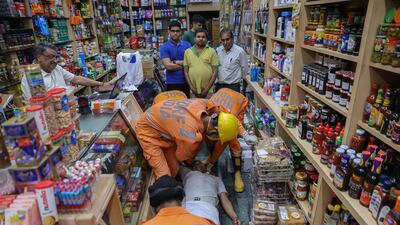
National Disaster Response Force, civil defence and fire personnel conduct an air raid drill at Khan market in New Delhi. EPA -
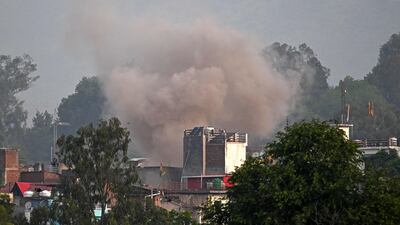
An artillery shell lands in the main town of Poonch district in India's Jammu region on Wednesday as Pakistani troops launch shells from across the Line of Control in retaliation for Indian missile strikes. AFP -
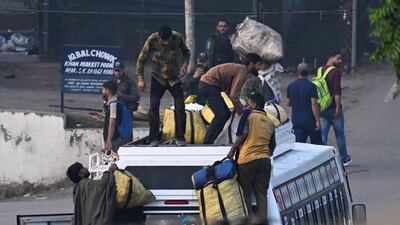
Poonch locals load their belongings on a bus as they flee the shelling. AFP -
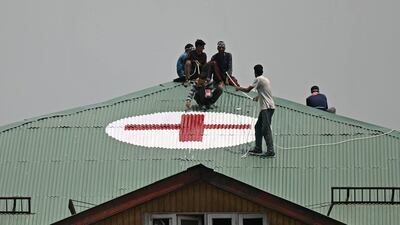
Workers paint a red cross symbol on the roof of a hospital to deter a potential attack in Srinagar, in Indian-administered Jammu and Kashmir. AFP -

Indian school pupils take part in a drill at Rajkiya Sarvodaya Vidyalaya in New Delhi. EPA -
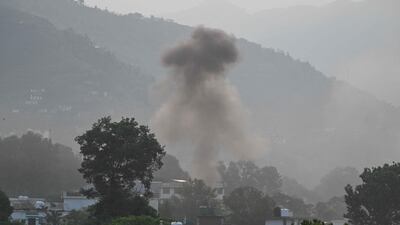
Another Pakistani shell hits Poonch. AFP -
Rescuers search for survivors after India struck a building in a government-run complex in Muridke, Pakistan, about 30km from Lahore. AFP -
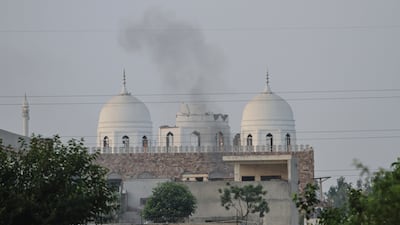
The mosque of an Islamic seminary partially damaged by an Indian missile attack, on the outskirts of Bahawalpur, Pakistan. AP -

Residents are evacuated from an area close to the site of an Indian missile attack, near Muzaffarabad. AP -
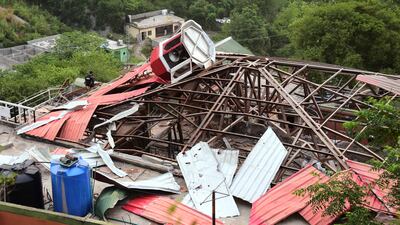
Bilal mosque lies in ruins after being struck by Indian missiles in Muzaffarabad, capital of Pakistan-administered Kashmir. AP -
Volunteers load a body into an ambulance after recovering it from the rubble of a mosque building damaged by a suspected Indian missile attack near Muzaffarabad. AP -
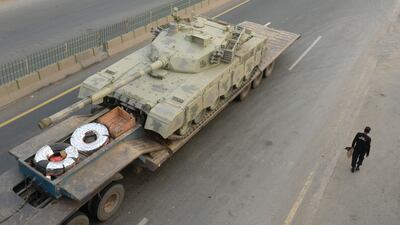
A lorry transports an army tank on a road in Muridke, about 30km from Lahore. AFP -
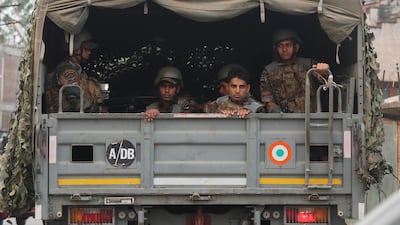
Indian Air Force personnel patrol on the outskirts of Srinagar. EPA -
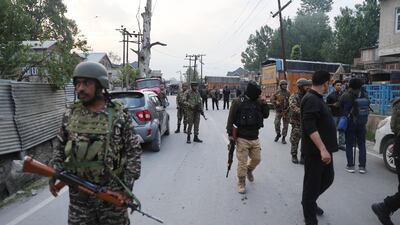
Indian troops patrol a security checkpoint on the outskirts of Srinagar. EPA -
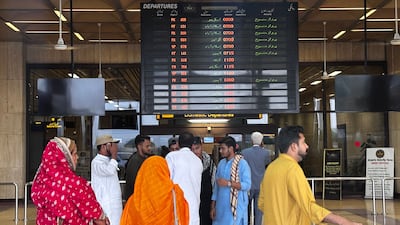
Passengers stranded at Jinnah International airport after all domestic and international flights were cancelled in Karachi. AFP -
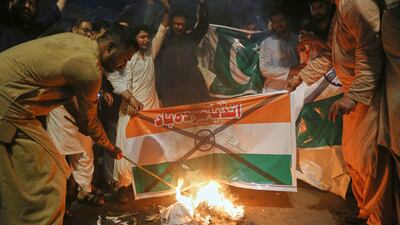
Protesters burn an Indian flag during a demonstration condemning Indian missile strikes in Hyderabad, Pakistan. AP


Pakistanis and Indians often respond emotionally to each other. The Pahalgam attack marked a resumption in large-scale terrorist activity in Kashmir after a four-year hiatus that suggested that Pakistan had clamped down on extremists operating from its territory. That ceasefire is not only over, but there is also talk once again (including by Pakistan’s army chief) of permanent hostility between “Hindu India” and “Muslim Pakistan”.
Notions of irreconcilable differences between peoples and nations have no place in the modern world. After overcoming the current crisis, India and Pakistan need to rebuild confidence and resume talking to each other. Pakistan must address India’s concerns about extremism while India should assure Pakistan that it does not want to constantly degrade its neighbour.

