


If you need a measure of just how bad inflation has become, the World Economic Forum (WEF) in Davos can provide it. Want a hotel room in this Swiss mountain town next week? Get ready to part with around $1,200 per night (or much, much more). The WEF may have tried hard to throw off the image of Davos elitism, but it doesn’t stop them slapping an eye-watering surcharge on the accommodation it offers up to delegates. Money talks, especially in these straitened times, and opportunity knocks.
On the flipside of this, the other traditional criticism levelled at Davos is that talk is cheap (even when it’s offensively expensive) and that the Forum generates plenty of words, but very few actions; yet last year’s trip up into the Alps felt unusually substantive.
Covid-19 restrictions meant fewer delegates, and as a result there were fewer hangers-on, less hoopla, and a welcome lack of nonsense. It was a leaner, nimbler, more focused affair, with a notably scaled back "circus" surrounding the main event. Even the absence of snow removed a traditional distraction. Those who came had come to engage. As a result, even though these things are hard to measure, it felt like stuff might actually be getting done.
-

The World Economic Forum’s annual meeting will take place at Davos-Klosters, Switzerland. Photo: World Economic Forum / Marcel Giger -
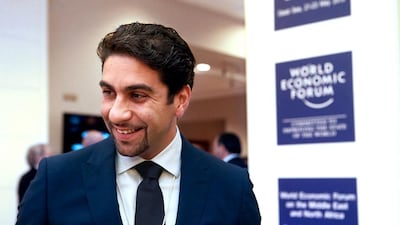
Fahd Al Rasheed, the chief executive of King Abdullah Economic City. Salah Malkawi for The National -
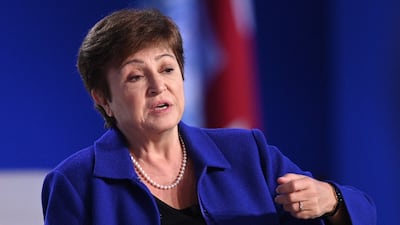
IMF managing director Kristalina Georgieva. AFP -

Bandar Alkhorayef, Minister of Industry and Mineral Resources in Saudi Arabia. AFP -

Ohood Al Roumi, Minister of State for Governmental Development and Future, speaks at Davos last year. Bloomberg -
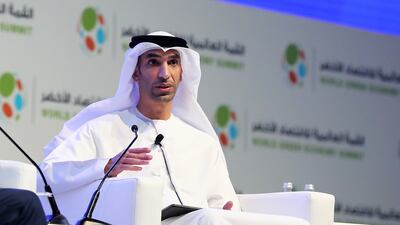
Dr Thani Al Zeyoudi, Minister of State for Foreign Trade. Pawan Singh / The National -
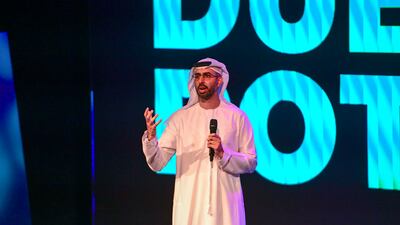
Omar Al Olama, chairman of Dubai Chamber of Digital Economy, and vice chairman of the Higher Committee for Future Technology and Digital Economy. Khushnum Bhandari / The National -
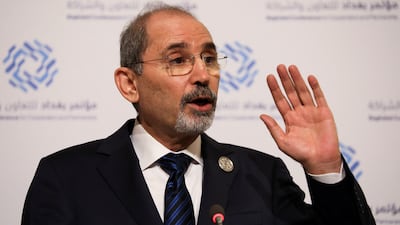
Ayman Safadi, Jordanian Foreign Minister. Reuters -
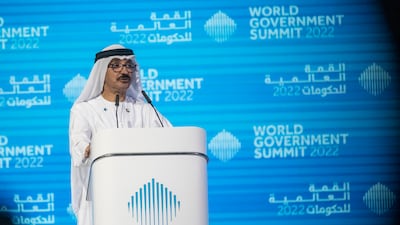
Sultan Ahmed bin Sulayem, group chairman and chief executive of DP World. Antonie Robertson / The National -

Iraqi Foreign Minister, Fuad Hussein. Reuters -
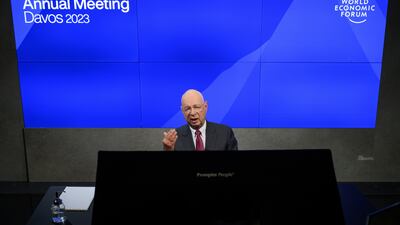
Klaus Schwab, founder and executive chairman of the World Economic Forum. EPA -
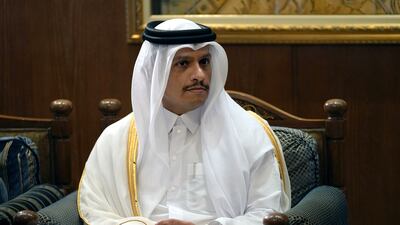
Qatar's Deputy Prime Minister and Foreign Minister, Sheikh Mohammed bin Abdulrahman Al Thani. AP -
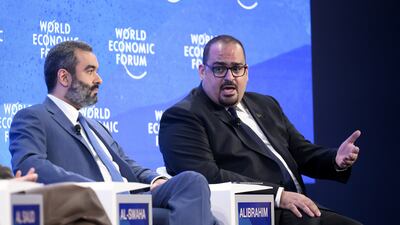
Saudi Arabia's Economy and Planning Minister, Faisal Alibrahim (R), and its Communications and Information Technology Minister, Abdullah bin Amer Alswaha, in Davos last year. EPA -
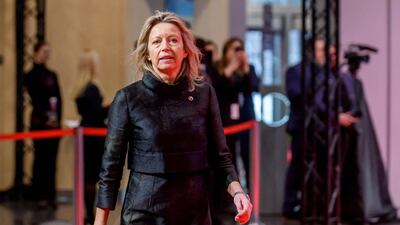
Dutch Defence Minister, Kajsa Ollongren. AFP -

Mark Carney, co-chairman of Glasgow Financial Alliance for Net Zero and vice chairman of Brookfield Asset Management. Bloomberg -

Abdullah Alswaha, Saudi Arabia's Minister of Communications and Information Technology. Photo: NCA -
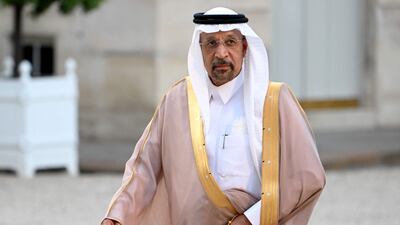
Saudi Investment Minister, Khalid Al Falih. AFP -
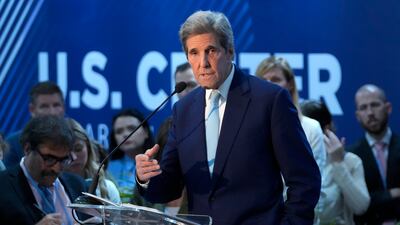
US special presidential envoy for climate, John Kerry. AP Photo -
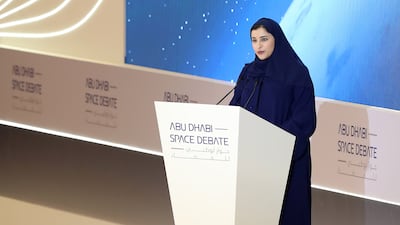
Sarah Al Amiri, Minister of State for Public Education and Future Technology. Chris Whiteoak / The National -
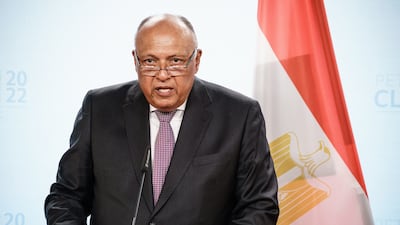
Egyptian Foreign Minister, Sameh Shoukry. EPA -
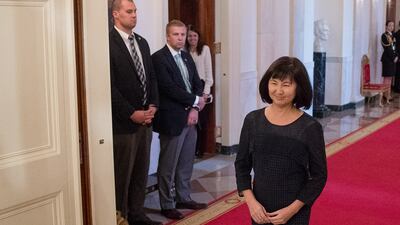
Artist and designer Maya Lin. AP -
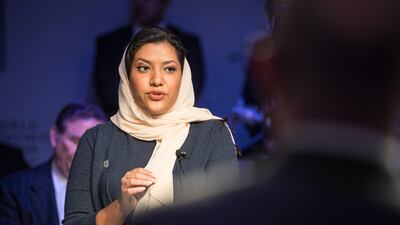
Princess Reema bint Bandar Al Saud, vice president for development and planning of the Saudi Arabian General Sports Authority, at Davos in 2018. Photo: World Economic Forum / Boris Baldinger -
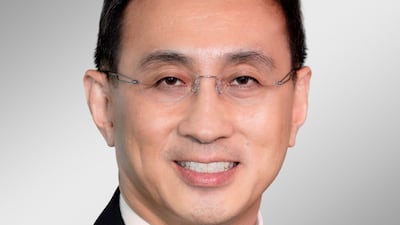
Desmond Kuek, chief executive of Temasek Trust. Photo: Temasek Trust -
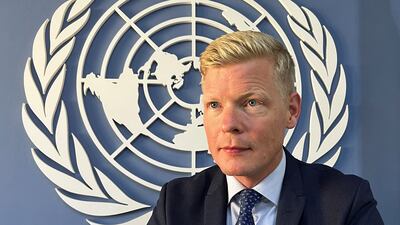
UN special envoy for Yemen, Hans Grundberg. Reuters -

Saudi Arabia's Crown Prince Mohammed bin Salman. Reuters -
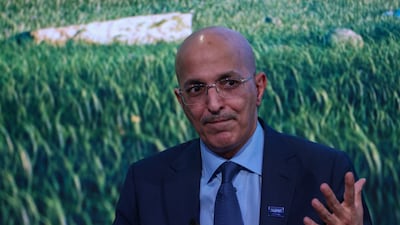
Mohammed Al Jadaan, Saudi Arabia's Finance Minister. Bloomberg -
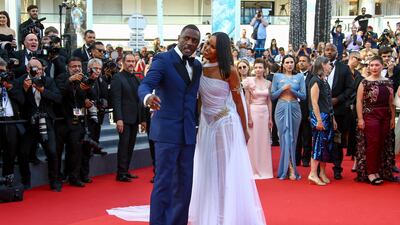
Idris Elba and Sabrina Dhowre Elba. AP -

Hessa bint Essa Buhumaid, Minister of Community Development. Victor Besa / The National -
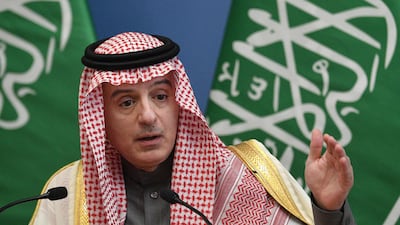
Saudi Minister of State for Foreign Affairs, Adel Al Jubeir. AFP -
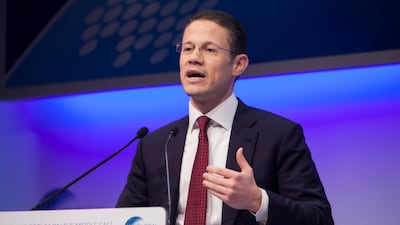
Badr Jafar, founder of Pearl Initiative. Antonie Robertson / The National -
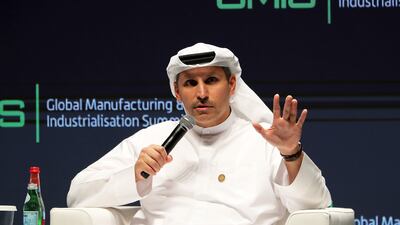
Khaldoon Al Mubarak, managing director and group chief executive of Mubadala. Pawan Singh / The National -
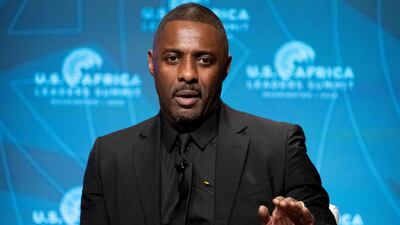
British actor Idris Elba. AFP -
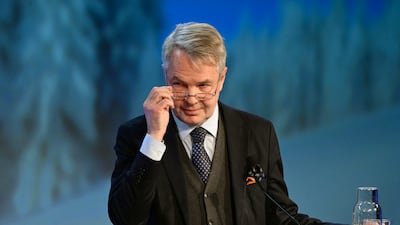
Finnish Foreign Minister, Pekka Haavisto. AFP -
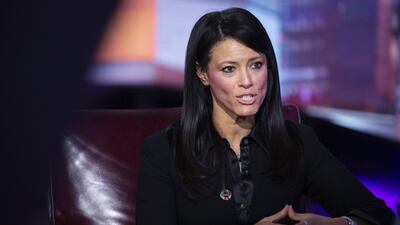
Rania Al Mashat, Egypt's Tourism Minister. Bloomberg -
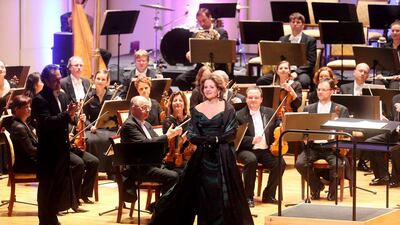
The American soprano Renee Fleming with the Dresden Philharmonic, conducted by Sascha Goetzel, at the Abu Dhabi Festival. Fatima Al Marzooqi / The National -
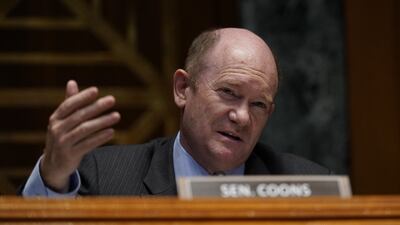
US senator Chris Coons. AFP -

Abdulatif Rashid, President of Iraq. AFP -

Najla Bouden, Prime Minister of Tunisia. AFP -

Bisher Hani Al Khasawneh, Prime Minister of Jordan. AFP


The tide of global problems has not receded in the eight months since the WEF last convened. China is once more overwhelmed by new Covid-19 cases; the war in Ukraine, despite Russia’s preposterous offers of ceasefires, feels as entrenched as ever; the cost of living continues to soar; hard-right politics is taking root in Sweden, Israel and Italy; the US House of Representatives has descended into farce; Iran is executing protestors; Brazil has just experienced its own January 6 moment; the list goes on.
Wherever you look, dialogue is in short supply – even Prince Harry is an impasse with his family. When the spirit of compromise appears to have evaporated, the theme of this year’s meeting – Co-operation in a Fragmented World – seems Panglossian, especially when even Davos itself has gradually become more fragmented.
There has long been a notion that two Davoses exist side by side. Now I’m not talking about the frivolous world of parties attended by drunken bankers and spruced up by the addition of the occasional celebrity. While these once threatened to overwhelm the main event, they have – mercifully – faded into the background in recent years. This is more a division in the way the Forum itself functions. There is the "big Davos" and its high-minded, somewhat abstract chin stroking involving presidents, finance ministers and chief executives. Then there is another, more complex, but no less important side.
Over the last few weeks, I have been overwhelmed by invitations to panels and gatherings of all stripes at Davos – often interesting and all well-intentioned. These are smaller meetings where one can learn about the latest thinking on matters such as artificial intelligence, agriculture, healthcare or mobility. They are the micro-issues that underpin the macro issues being dealt with at the other, "big Davos" – recession, climate change, food security and so on.

In a way, Davos is rather like a large container ship. Up on the bridge there are the big decisions being pondered and courses being charted. Down below deck you’ll find the many disparate parts that make up the whole, and an army of people whose objective is simply to get on with the task at hand and stay afloat. When big solutions appear so hard to find, that "below deck" world, where stuff is just getting done, has become just as important as that above.
I’ve always been something of a Davos sceptic, but this year I will head up the mountain with an open mind and renewed vigour. In a world of high stakes and low expectations, perhaps the two sides of Davos – the high-minded thinkers and the pragmatic doers – can offer a chance for both big and small steps.
For me personally, the true value of the WEF is the chance to have a meal and a drink with people I might not agree with. Even if my mind isn’t changed as a result, at least I might better understand the other point of view, and they mine. In a world starved of dialogue, the expensive conversations taking place in Davos may just be worth the bill.

