

Former British prime minister Tony Blair believes the country's standing in the world has diminished over the past decade and that Keir Starmer has come to power at a time of “anxiety” for the nation.
Mr Blair made the remark during a wide-ranging interview with the BBC scheduled to be broadcast on Wednesday night, which comes after Mr Starmer said “things will get worse before they get better”.
The BBC's Amol Rajan asked Mr Blair – the last Labour Party leader before Mr Starmer to win a general election – if he thought the new Prime Minister had a “mandate” to govern, or if his majority in this summer’s poll was due more to apathy with the Conservative Party.
“Yeah, I think he’s got a mandate, of course. I mean, I think what you’re saying, not in these words, is that the zeitgeist is different,” Mr Blair said.
The MPs in the new Labour cabinet – in pictures
-
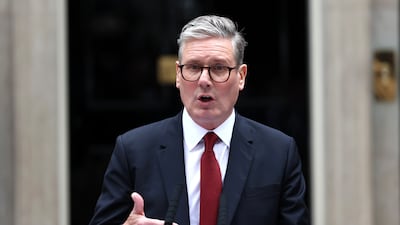
Britain's new Prime Minister Keir Starmer delivers his first speech outside 10 Downing Street in London, Britain, 05 July 2024. EPA -
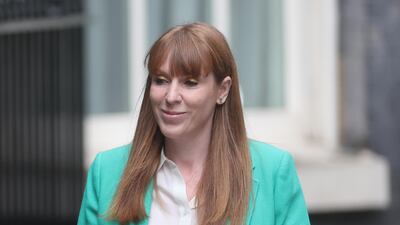
Angela Rayner is the Deputy Prime Minister and Secretary of State for Levelling Up, Housing and Communities. EPA -
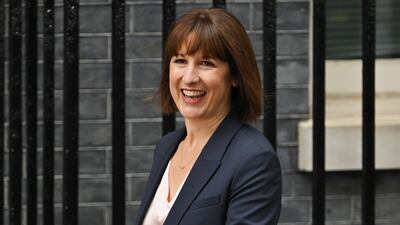
Rachel Reeves is the Chancellor of the Exchequer. Getty Images -
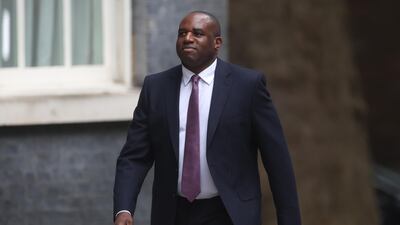
David Lammy is Secretary of State for Foreign, Commonwealth and Development Affairs. EPA -

John Healey is Secretary of State for Defence. Bloomberg -

Pat McFadden is Chancellor of the Duchy of Lancaster. EPA -
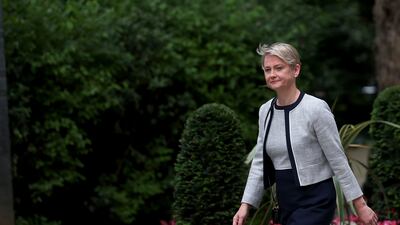
Yvette Cooper is Home Secretary. EPA -
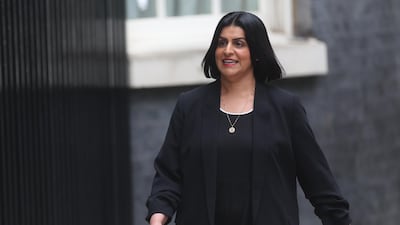
Shabana Mahmood is Lord Chancellor and Secretary of State for Justice. EPA -
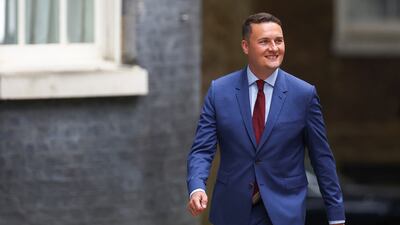
Wes Streeting is Secretary of State for Health and Social Care. Reuters -
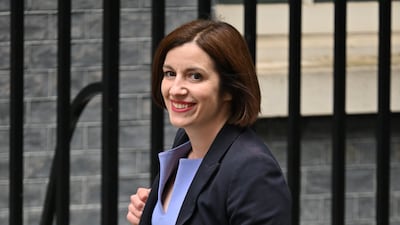
Bridget Phillipson is Secretary of State for Education. Getty Images -
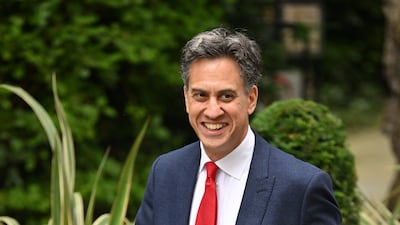
Ed Miliband is Secretary of State for Energy Security and Net Zero. Getty Images -
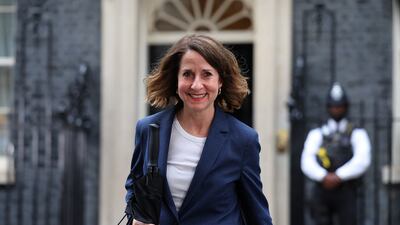
Liz Kendall is Work and Pensions Secretary. Reuters -
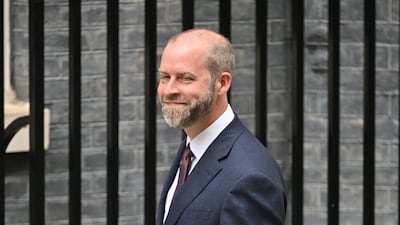
Jonathan Reynolds is Business and Trade Secretary and the president of the Board of Trade. Getty Images -

Peter Kyle is Secretary of State for Science, Innovation and Technology. Getty Images -
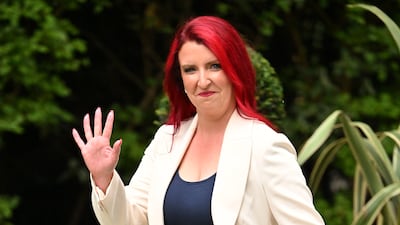
Baroness Louise Haigh is Transport Secretary. Getty Images -
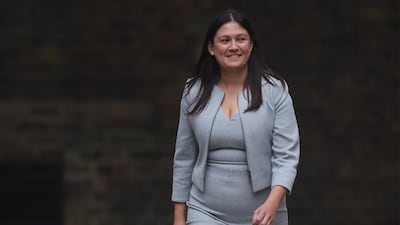
Lisa Nandy is Culture Secretary. EPA -
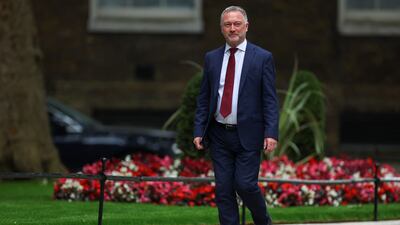
Steve Reed is Environment, Food and Rural Affairs Secretary. Reuters -
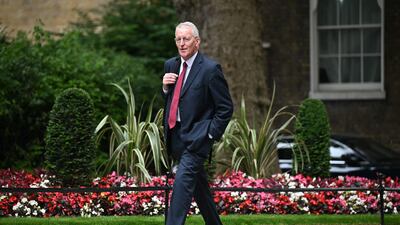
Hilary Benn is Northern Ireland Secretary. AFP -

Ian Murray is Scotland Secretary. EPA -
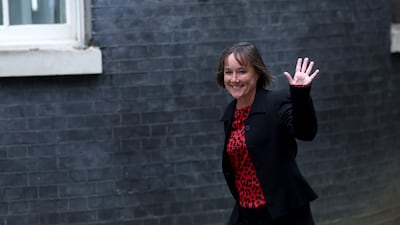
Jo Stevens is Secretary of State for Wales. EPA


He said there was a “pretty optimistic” spirit across the country when he came to power near the turn of the millennium, as he attempted to “lead the change” on racial and sex equality and devolution.
In contrast, he described the mood facing Mr Starmer's government in the UK today as “very different”. “I think it’s more anxious. But it’s still a zeitgeist,” he said. “And I think in the new government coming in and people wanting a sense of stability, wanting long-term problems solved and sorted out, you know … for sure there’s a mandate there.”
During the interview, Mr Blair was asked to describe Britain’s standing in the world compared with 20 years ago when he was prime minister.
Mr Blair said that his foreign policy was “based on three pillars”: being the US’s “strongest ally”, being a “key” player in Europe, and the now-scrapped Department for International Development.
“The truth of the matter is we are weaker on all three now. I mean, the Department of International Development is gone. Its budget’s been cut. We’re out of Europe, obviously. So we are no longer key players there,” he added.
“Are we America’s strongest ally? Well, that’s the question today. I mean, I think that our security and military still have a very, very close relationship, but politically, it's a lot more open to question.”
During the interview, Mr Blair was also asked about his views on immigration policy and extremism, and he claimed the Vladimir Putin he knew while serving as prime minister “would never have engaged in such a folly as Ukraine”.
Mr Starmer set a sober tone before Parliament’s return from the summer recess, in a speech in which he warned that the government’s coming Budget would be “painful” and asked the country to “accept short-term pain for long-term good”.
He also said there was a need to be “honest with people about the choices that we face”.
In a phrase which somewhat echoed the pop song Things Can Only Get Better by D: Ream, used by Mr Blair’s New Labour in their 1997 election campaign, Mr Starmer added: “How tough this will be and, frankly, things will get worse before they get better.”

