

Within hours of Rishi Sunak announcing that Britain will hold a general election on 4 July, an email from the opposition Labour Party arrived in hundreds of inboxes late on Wednesday afternoon. It had a one-word title: Change.
The Prime Minister had already spoken of his plans for a “secure future” for the people of the UK when the six-week general election campaign launched.
The centre of the parties' battle plans is already clear from those opening exchanges, and British voters can expect to hear much more of these terms as both sides push messages that substantially overlap.
Firing the starting gun for the election, Mr Sunak said a vote for the Conservatives was a vote for security, prudence and keeping things on an even keel. “Who do you trust to turn that foundation into a secure future for you, your family and our country?” he asked.

“I came to office above all to restore economic stability. Economic stability is the bedrock of any future success: whether that is rising wages and good jobs, investment in our public services, or the defence of the country.
“But this hard-earned economic stability was only ever meant to be the beginning. The question now is how, and who do you trust, to turn that foundation into a secure future for you, your family and our country?”
Falling inflation
Analysts said that at least one of the reasons Mr Sunak called an election for July, months sooner than was generally predicted, was the fall in the rate of inflation to 2.3 per cent in April, almost a full percentage point lower than in March and moving much closer towards the Bank of England's two per cent target.
Labour's finance spokesman
Also, the UK economic picture is looking slightly better than it did a few months ago, having emerged from the technical recession it fell into towards the end of last year. In addition this week, the IMF upgraded its outlook for the UK economy from 0.5 per cent to 0.7 per cent.
“The UK economy is approaching a soft landing, with a recovery in growth expected in 2024, strengthening in 2025,” the IMF said.
But the IMF also warned of a growing black hole in the UK's public finances, and that £30 billon will have to come from either spending cuts or tax rises in order to stabilise the national debt, no matter which political party wins a general election.

Nonetheless, Labour party leader Keir Starmer was adamant that the best way to guarantee economic stability was through change, which would “stop the chaos” inflicted on the UK after 14 years of Conservative rule, adding that the election would be “a chance to change for the better”.
“That opportunity for change is what this election is about,” Mr Starmer said.
“It's time for change. We can start to rebuild Britain, and change our country.”
'Securonomics'
In some fiscal policy areas it is difficult to see daylight between the two main political parties.
Indeed, neither would tinker further with National Insurance (NI) and Labour would not reverse Chancellor Jeremy Hunt's recent 2p cut to the tax. Likewise, neither the Conservatives nor Labour would look to increase income tax or change the bands within it, tweak capital gains tax or corporation tax.
But Labour says it will immediately scrap the non-dom tax status, something which Mr Hunt announced in his Budget in March, but in a phased manner over the longer term.
Labour will also introduce VAT on private school fees which it claims “will raise vital money needed to improve standards in stretched state schools with more teachers”.
In addition, Labour will increase the windfall tax on oil and gas companies, and create a publicly-owned energy company which will invest in clean-energy projects.

Indeed, making Britain more self-sufficient in energy and building more diverse and resilient supply chains is a cornerstone of shadow chancellor Rachel Reeves's key policy platforms, a term she coined herself: “securonomics”.
Basically, securonomics is about initialising change to bring about economic and political security by providing strategic policy direction and incentivising companies to certain areas.
It's modelled on “Bidenonomics”, essentially the economic policy of President Joe Biden, that centres on public investment, invigorating the middle class and promoting business competition. The idea is that economic growth starts with the middle class, as opposed to the 1980s Reaganomics policy which was based on so-called trickle-down economics, where wealth was created at the top of society.
“In short, Labour wants to direct business investment to areas [where] it believes the UK will have a strategic competitive advantage (eg green technology) – what could be termed modern supply side economics,” said Daniel Casali, chief investment strategist at wealth management firm Evelyn Partners.
“This is different to the traditional supply side economics championed by Margaret Thatcher more than 40 years ago where regulations were torn up to allow free markets to determine where private investment goes, through policies like privatisation and the financial markets' ‘Big Bang’.”
Ms Reeves was somewhat scathing of Mr Sunak this week when the Prime Minister appeared to take much of the credit for the fall in inflation, saying the government has done very little to “address the underlying reasons for why inflation got out of control in the first place”.
“That's why securonomics is so important, so that we build that resilience,” she said.
“So, when shocks come along we are not so exposed in the way that we found ourselves these last few years.”
No economic change
Mr Sunak offers a darker vision but one that also holds the promise of progress. In a speech in mid-May he warned on the risks facing the nation. “I feel a profound sense of urgency. Because more will change in the next five years than in the last 30,” he said. “I’m convinced that the next few years will be some of the most dangerous yet, the most transformational our country has ever known.
“Technologies like AI will do for the 21st century what the steam engine and electricity did for the 19th,” he said. “They’ll accelerate human progress by complementing what we do, by speeding up the discovery of new ideas, and by assisting almost every aspect of human life.”
Most economists are quick to point out that Labour's “change” and the Conservatives' “security” approaches will make little fundamental difference to the UK's economic outlook in the immediate post-election period.
“The general election on Thursday July 4 may usher in a new political era but it is unlikely to lead to a dramatically different economic outlook,” said Paul Dales, chief UK economist at Capital Economics. “The current fiscal constraints mean the winner will find it difficult to boost long-term economic growth.”
Labour will be banking on a British public that has had two and a half years of rising interest rates, inflation at one point topping 11 per cent and a squeeze on household budgets of a magnitude that has not been seen in generations, voting for a change in July.
UK general election campaigning – in pictures
-
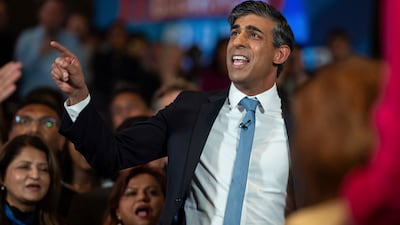
Conservative leader Rishi Sunak speaks at party campaign event at the National Army Museum in London on Wednesday, July 3. AP Photo -

Labour Party leader Keir Starmer addresses supporters during a visit to the West Regwm Farm events venue in Whitland, Carmarthenshire, Wales, on the final day of election campaigning. PA -

Liberal Democrats leader Ed Davey drives a tractor during a visit to Owl Lodge in Lacock, Wiltshire. PA -
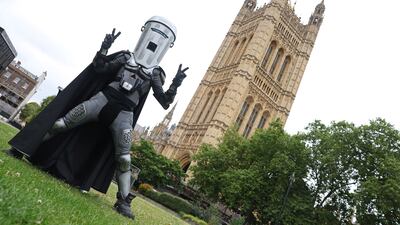
Satirical political character Count Binface in London before challenging Conservative leader RishiSunak for the parliamentary seat of Richmond and Northallerton. Reuters -
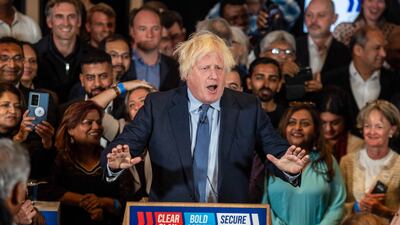
Boris Johnson, former UK prime minister, campaigns for the Conservatives in London. Bloomberg -
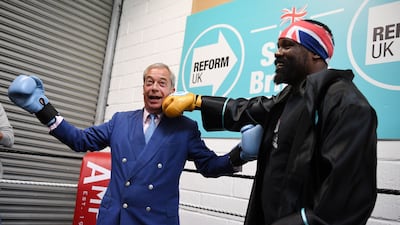
Nigel Farage, leader of the far-right Reform UK Party, with heavyweight boxer Derek Chisora during a campaign visit to Clacton-on-Sea in eastern England. Reuters -
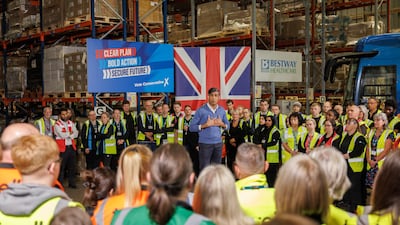
Mr Sunak holds a speech during his visit to Well Healthcare Supplies as he campaigns in Stoke. Getty Images -
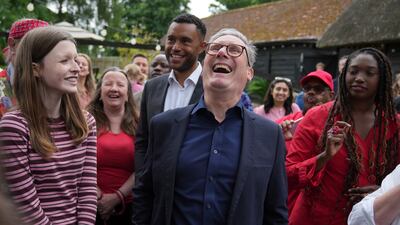
Mr Starmer laughs as he speaks to supporters near Milton Keynes. AP -
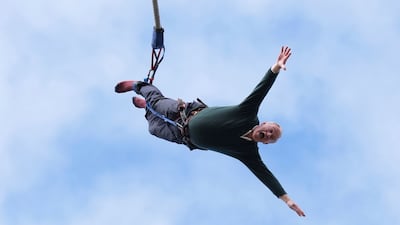
Mr Davey bungee jumps during a visit to Eastbourne Borough Football Club in East Sussex. AP -
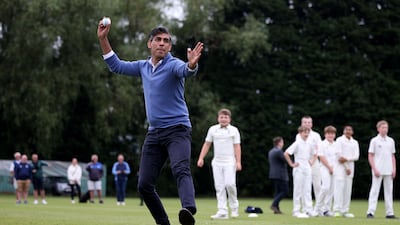
Mr Sunak bowls during his visit to Nuneaton Cricket Club. AFP -
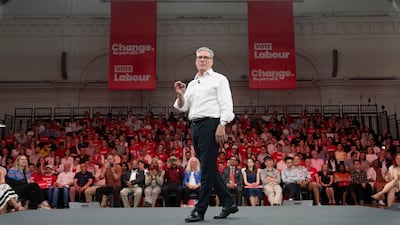
Mr Starmer addresses an audience of Labour Party members and supporters during a rally at the Royal Horticultural Halls in central London. AP -
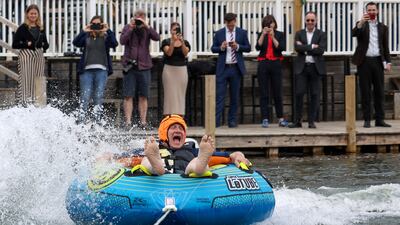
Mr Davey rides a towable inflatable during a visit to Lakeside Ski & Wake, in the Cotswolds. Reuters -
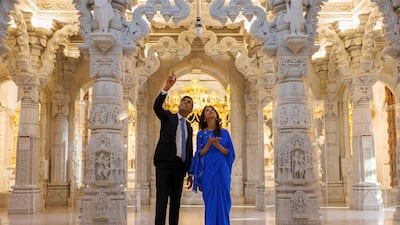
Mr Sunak and his wife Akshata Murty visit the BAPS Shri Swaminarayan Mandir in London. AFP -
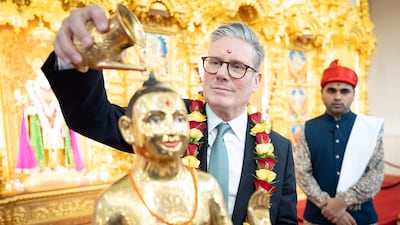
Mr Starmer during a visit to the Shree Swaminarayan Mandir Hindu temple in Kingsbury, London. PA -
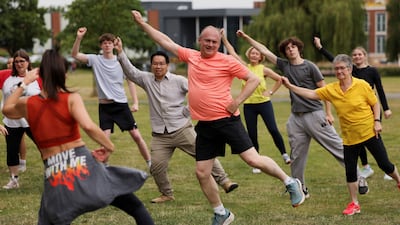
Mr Davey participates in a Zumba class with supporters in Wokingham. Reuters -
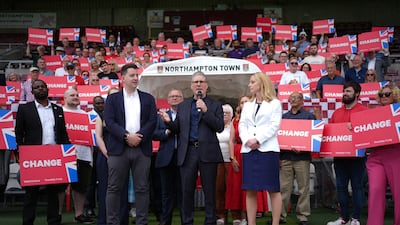
Mr Starmer speaking during a visit to Northampton Town Football Club at Sixfields Stadium. PA -
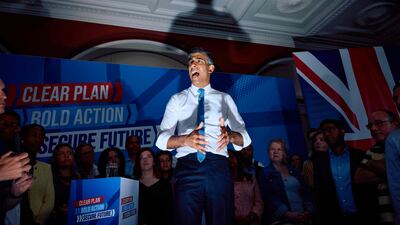
Mr Sunak delivers a speech in central London. AFP -
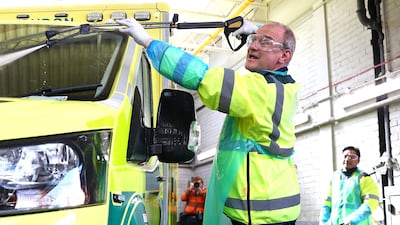
Mr Davey jet-washes an ambulance in London. Getty Images -
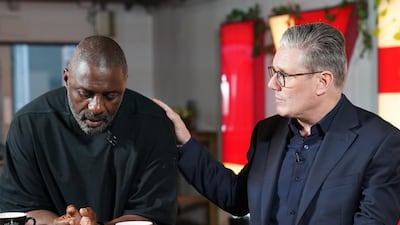
Mr Starmer rests his hand on the shoulder of Idris Elba as they meet families of knife crime victims, in west London. PA -
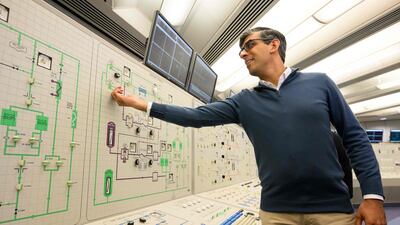
Mr Sunak turns on the power in the training centre control room during a tour of the Sizewell B nuclear power plant. AFP -
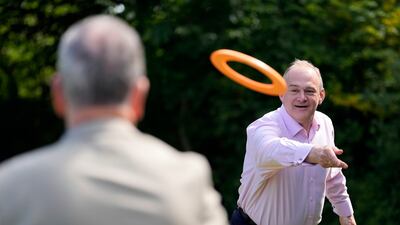
Mr Davey plays a game of Frisbee on a visit to a farm in Hampshire. AP -
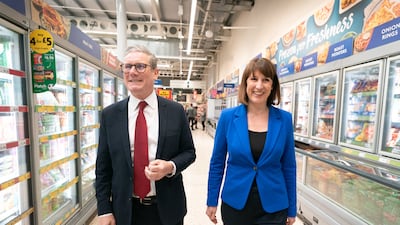
Mr Starmer and shadow chancellor Rachel Reeves visit a supermarket in Swindon. PA -
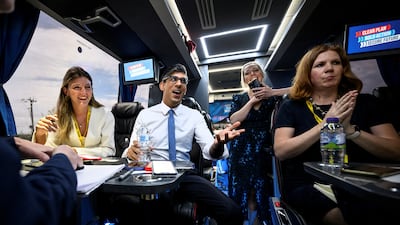
Mr Sunak speaks to journalists on the campaign bus following the launch of the Welsh Conservatives General Election manifesto near Rhyl. Reuters -
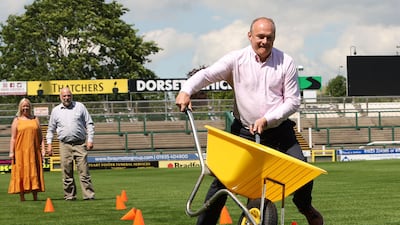
Mr Davey taking part in wheelbarrow racing at Huish Park, home of Yeovil Town football club in Somerset. PA -
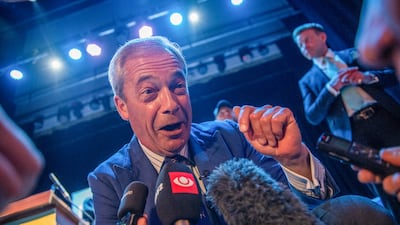
Mr Farage speaks to the press in Clacton-on-Sea. Bloomberg -
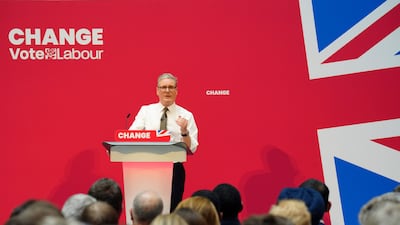
Mr Starmer speaks at the launch of the Labour party's 2024 general election manifesto in Manchester. AP -
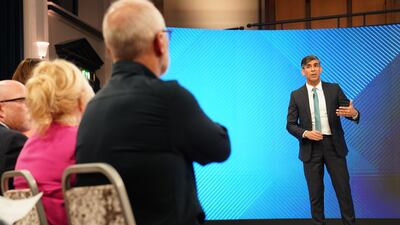
Mr Sunak answers questions from the audience in Grimsby. Getty Images -

Mr Davey toasts a marshmallow as he visits Willow Forest School in Surrey. EPA -
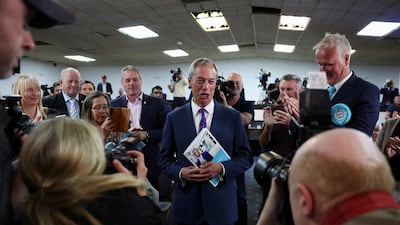
Mr Farage attends the launch of the Reform UK manifesto in Merthyr Tydfil, Wales. Reuters -
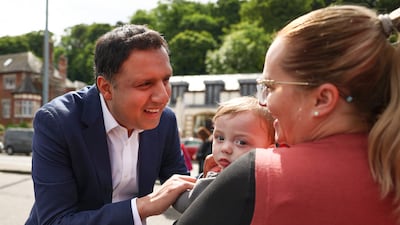
Scottish Labour leader Anas Sarwar launches Scottish Labour’s battle bus campaign on June 17 in South Queensferry, Scotland. Getty Images -
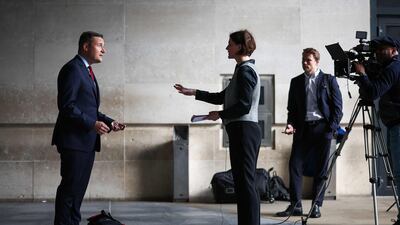
Britain's Labour Party politician and Shadow Secretary of State for Health and Social Care Wes Streeting speaks to a television crew outside the BBC in London. AFP -
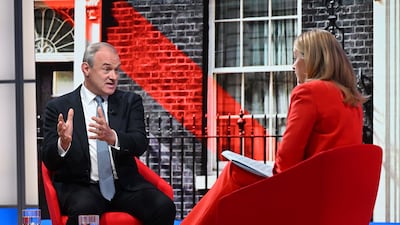
Leader of the Liberal Democrats, Sir Ed Davey, on the BBC 1 current affairs programme, Sunday, with Laura Kuenssberg. BBC -
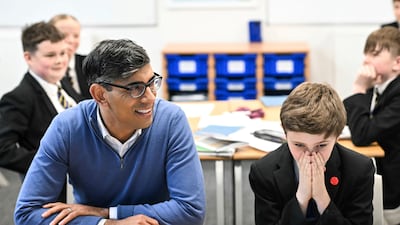
Mr Sunak meets pupils in a maths class during a visit to the John Whitgift Academy, in Grimsby. AP -
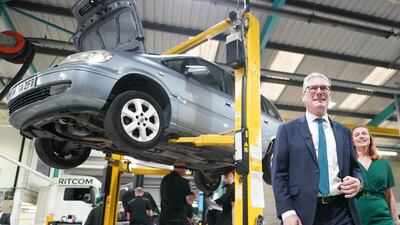
Mr Starmer during a visit to Grimsby Institute, a technical training college in Grimsby. PA -
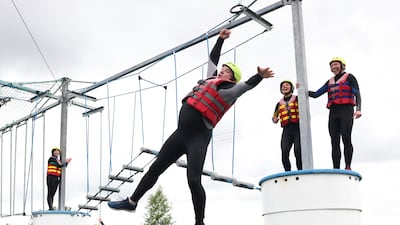
Mr Davey during a general election campaign visit to the Aqua Jungle Spot in Stratford-upon-Avon. Bloomberg -

Mr Sunak and Akshata Murty take centre stage at the Conservative Party's general election manifesto launch in Towcester. Getty Images -
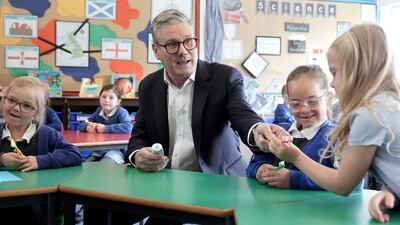
Mr Starmer passes a toothbrush to a child during his visits to the Whale Hill Primary School in Middlesbrough. AP -
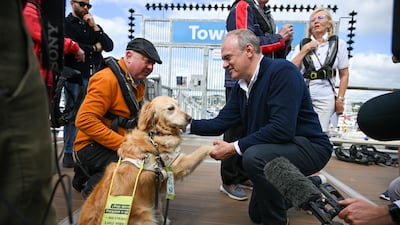
Mr Davey meets Steve Darling, Liberal Democrat candidate for Torbay and his guide dog Jennie at Torquay Harbour. Getty Images -

Reform UK leader Nigel Farage reacts after something is thrown towards him on the campaign bus in Cawthorne, Barnsley. AP -
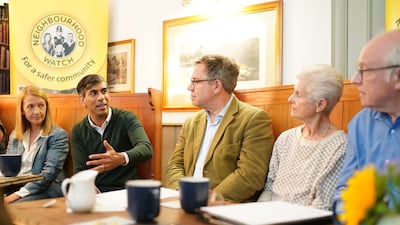
Mr Sunak attends a neighbourhood watch meeting in Horsham, West Sussex. PA -
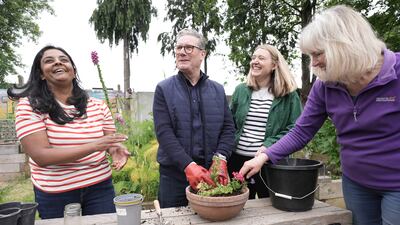
Mr Starmer helps volunteers pot plants during a visit to Harlesden Town Garden in north-west London. PA -
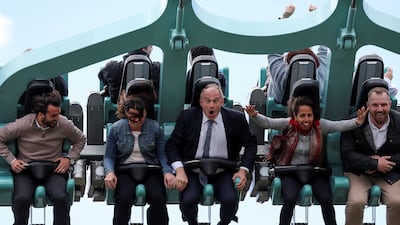
Mr Davey on the 'Rush' ride during a Liberal Democrats general election campaign event at Thorpe Park. Reuters -
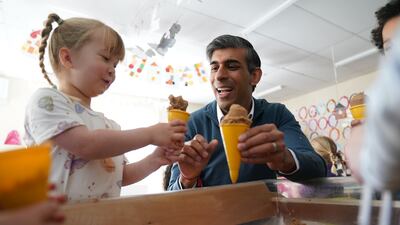
Mr Sunak, during a visit to Imagination Childcare, in Swindon, Wiltshire, while on the election campaign trail. PA -
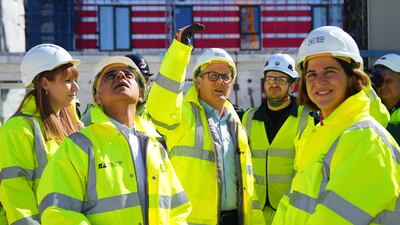
Mr Starmer visits Brent Cross town's visitor pavilion for a housing launch in London. Getty Images -
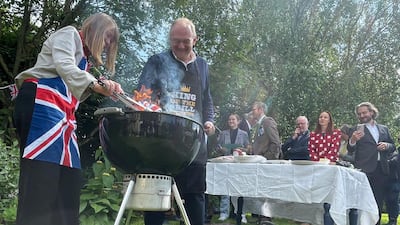
Mr Davey grills burgers in a garden, during campaigning in Wiltshire. PA -
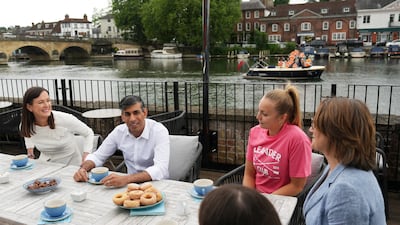
Mr Sunak during a visit to Leander Club, in Henley-on-Thames, as a boat carrying Liberal Democrat supporters passes behind him. Reuters -
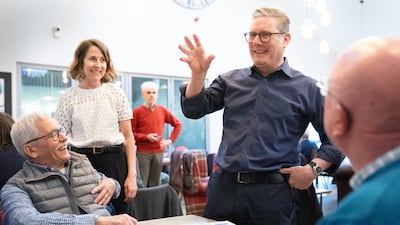
Mr Starmer meets pensioners to talk about the impact of the energy crisis and the cost of living, in a cafe in Bolton. PA -
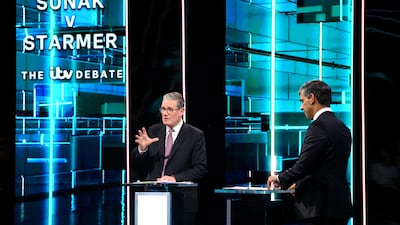
Mr Sunak and Mr Starmer lock horns the first televised general election debate of the campaign, at MediaCity in Salford. PA -
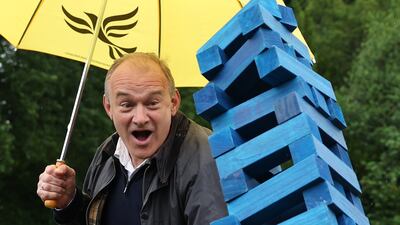
Mr Davey plays Jenga using symbolic 'blue wall' blocks in Stockport. EPA -
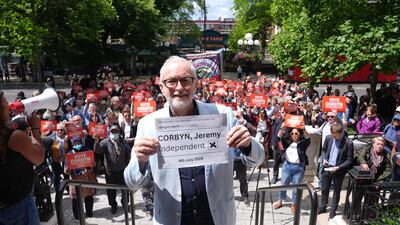
Former Labour leader Jeremy Corbyn poses outside Islington Town Hall, north London, after handing in his nomination papers for the general election, taking place on July 4. PA -
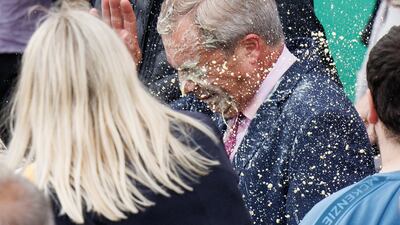
Mr Farage has a milkshake hurled at him during a campaign event in Clacton-on-Sea. EPA -

Mr Sunak launches the Conservative Party's campaign bus at Redcar Racecourse in north-east England. PA -
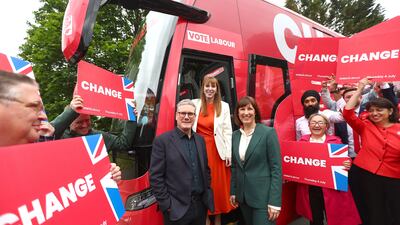
Labour launch their election campaign bus, with Mr Starmer, his deputy Angela Rayner and Rachel Reeves, shadow chancellor, in Uxbridge. Getty Images -
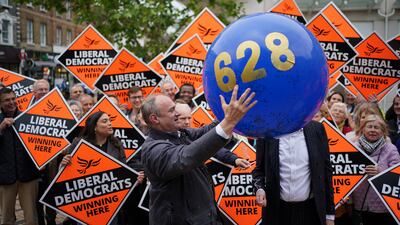
Mr Davey holds a balloon with a figure that represents the amount of votes the Liberal Democrat party lost by in Wimbledon. PA -
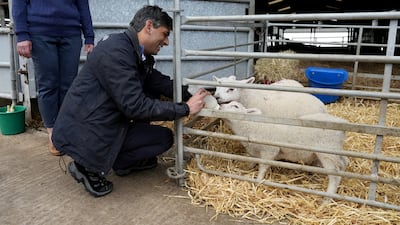
Mr Sunak feeds lambs as he visits Rowlinson's Farm during a Conservative general election campaign event in Gawsworth. Reuters -
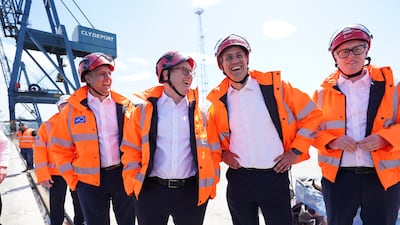
Scottish Labour leader Anas Sarwar, Mr Starmer, shadow secretary of state for energy security and net zero Ed Miliband and local candidate Martin McCluskey in Greenock. PA -
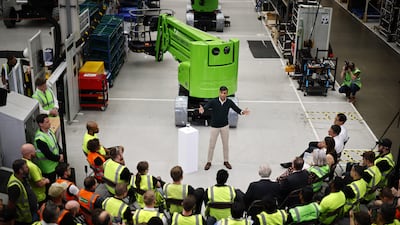
Mr Sunak holds a question and answer session during a visit to Niftylift in Milton Keynes. EPA -
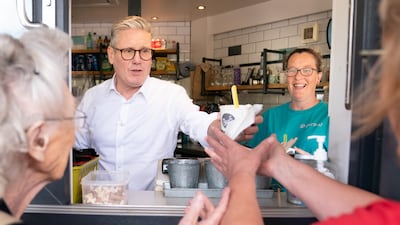
Mr Starmer serves ice cream to day trippers on Barry seafront in South Wales. PA -
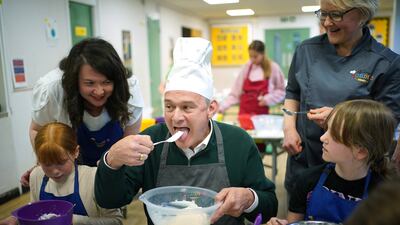
Mr Davey takes part in a baking lesson with pupils from High Beeches Primary School during a half-term holiday camp in Hertfordshire. PA -
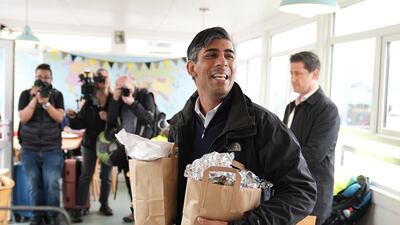
Mr Sunak speaks with a cafe worker as he picks up breakfast for the media at a cafe in Cornwall. PA -
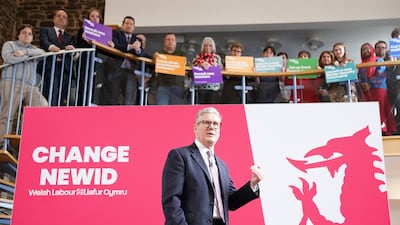
Mr Starmer speaks at the launch of Labour's six steps for change in Wales at the Priory Centre in Abergavenny. PA -
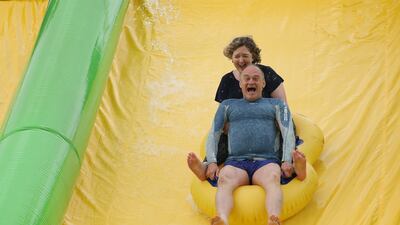
Mr Davey and Anna Sabine, parliamentary candidate for Frome and East Somerset, ride the Ultimate Slip 'n' Slide at Eastcote Farm in Beckington. Bloomberg -

Scottish National Party Leader John Swinney speaks during a visit to The Dower House Cafe in Edinburgh. AP -
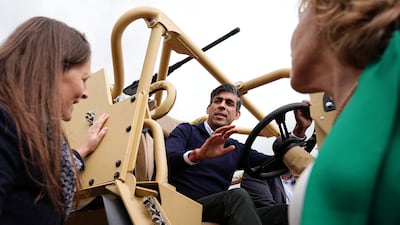
Rishi Sunak examines Jackal armoured vehicles during his visit to defence vehicle manufacturer Supacat in Exeter. PA -
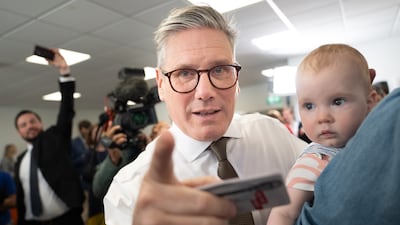
Keir Starmer with a baby at Worcester City Football Club. PA -
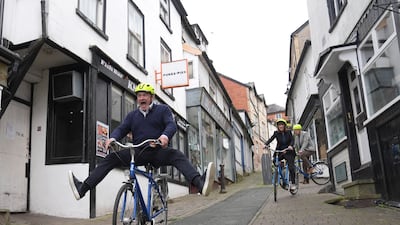
Ed Davey rides a bike during a visit to Knighton, Wales. PA -
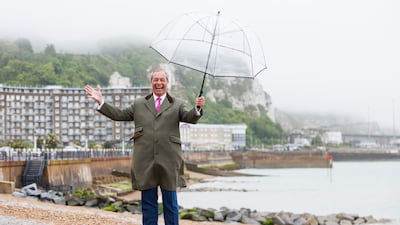
Nigel Farage at the cliffs in Dover after speaking at a Reform UK event. Getty Images -

Akshata Murty, wife of Mr Sunak, meets with residents during a visit to a Royal British Legion care home in Ripon. Getty Images -
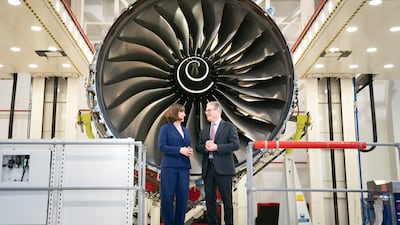
Keir Starmer and shadow chancellor Rachel Reeves during a visit to Rolls Royce’s educational training complex in Derby. PA -
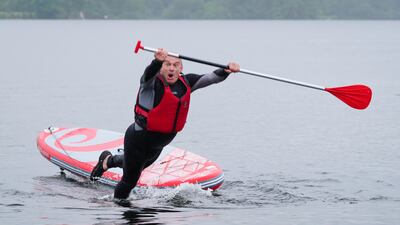
Ed Davey falls into the water while paddle boarding on Lake Windermere. PA -
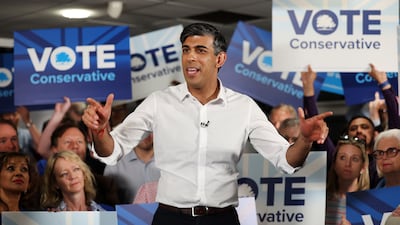
Rishi Sunak campaigning in Amersham, Buckinghamshire. EPA -
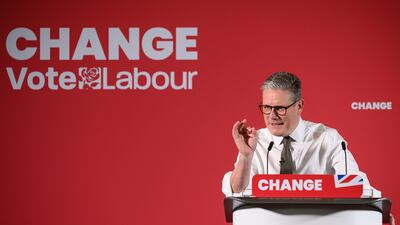
Mr Starmer addresses party members and media in Lancing Parish Hall, West Sussex. Getty Images -
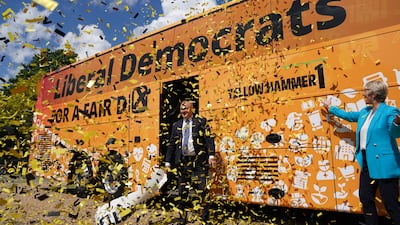
Mr Davey launches his party's general election campaign battle bus in Cambridge. PA -
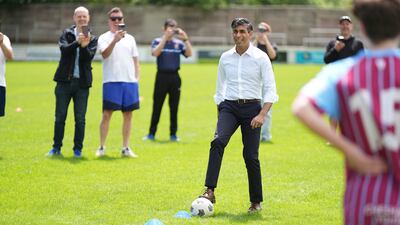
Mr Sunak on the ball during a visit to Chesham United Football Club. PA -
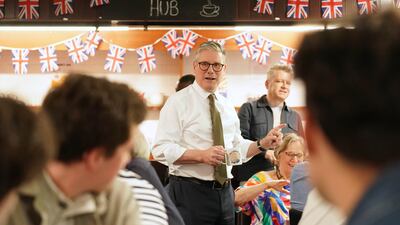
Mr Starmer speaks to party supporters after making his first keynote speech of the campaign in Lancing. PA -
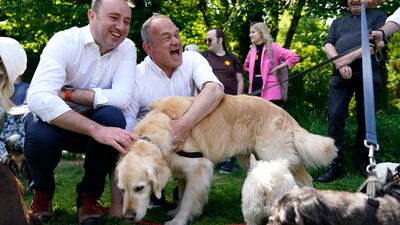
Mr Davey join supporters for a dog walk near Winchester. PA -
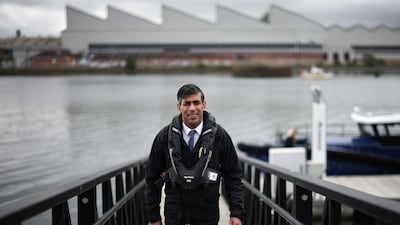
Mr Sunak visits a maritime technology centre in Belfast, Northern Ireland, as he campaigns for the general election on July 4. Reuters -
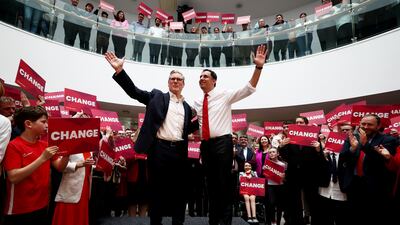
Mr Starmer and his Scottish counterpart, Anas Sarwar, greet supporters at the launch of the Scottish Labour general election campaign at Caledonia House in Glasgow. Getty Images -
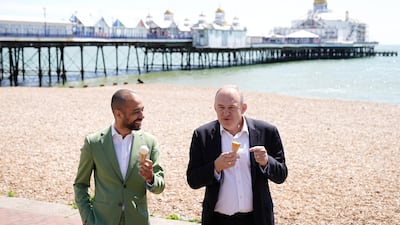
Mr Davey, right, eats ice cream with his party's local candidate, Josh Babarinde, on the promenade in Eastbourne. PA -
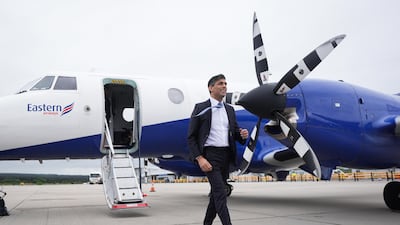
Mr Sunak arrives at Inverness Airport, in Scotland, on the general election campaign trail. PA -
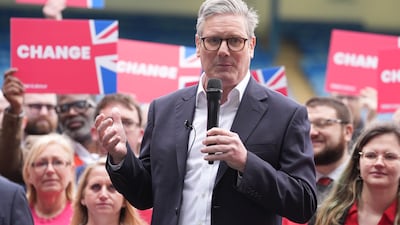
Mr Starmer during a visit to Gillingham Football Club in Kent. PA -
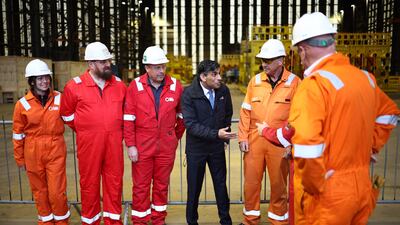
Mr Sunak speaks with members of staff at the Global Energy Group facility at the Port of Nigg in north-east Scotland. AFP -
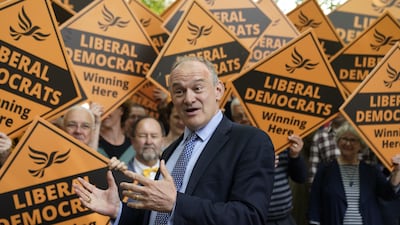
Mr Davey during a visit to the town centre in Cheltenham. PA -
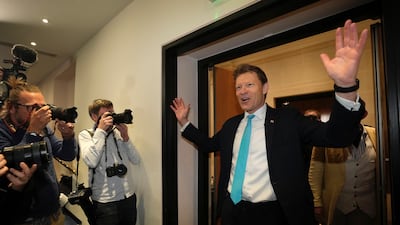
Richard Tice, the leader of Reform UK, attends an election campaign launch in London. AP -
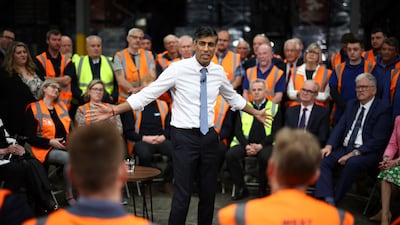
Mr Sunak holds a Q&A with staff of a West Transport distribution centre in Ilkeston in the East Midlands. AP -

Labour's deputy leader Angela Rayner and Mr Starmer arrive at Gillingham FC. Getty Images -
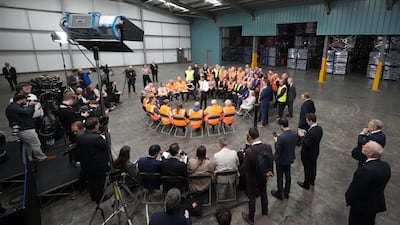
Mr Sunak takes questions from workers at West Transport. Getty Images -
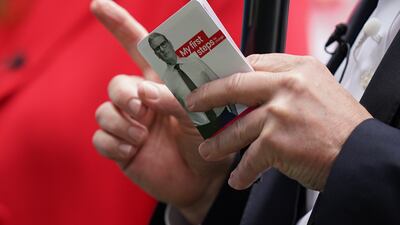
Mr Starmer holds a piece of campaign branding at Gillingham. PA -
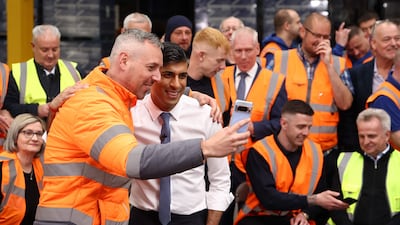
Mr Sunak poses for a selfie in Ilkeston. AFP


Come what may Mr Sunak is set to claim that real living standards have been rising since last July, the labour and housing markets are proving robust, wages are edging higher and consumer confidence is far better.
And the Starmer-Reeves team will insist their “change” message is wrapped in the reality that issues of defence and security are at the root of economic ones.

