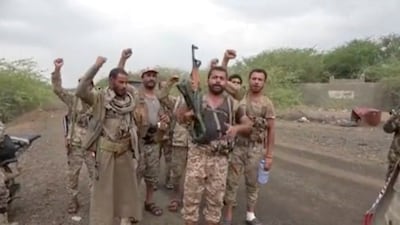

More than 11,442 households, or approximately 80,000 people, were displaced in Yemen between September 3 and 9, when the uptick in fighting first began, according to UN figures.
The Houthis seized Mokha port on Thursday, and the entire west coast fell a day later. The numbers are believed to be higher than initially reported, but access and difficulty in reaching those who fled means that the figures are likely under-reported, the UN said in a report.
Warring parties in Yemen are reluctant to resort to diplomacy to ease the highest tensions seen in at least four years, particularly along the western coast of the country.
This was apparent even before the Houthi take over of the entire west coast of Yemen after the fall of the key Mokha port near the Bab Al Mandeb vital waterway, a source close to peace negotiations told The National.
The source said there was anger after calls for the warring sides to cease hostilities. "The government (and the Houthis) did not want to hear anything about not going to war. I think everyone is in a war mood these days," the source said.
Doctors Without Borders told The National that its hospital in Aden is preparing for "mass casualties" arriving from the front lines.
It has already been facing "challenges in referral pathways for patients" emanating from Mokha General Hospital where around 30 healthcare workers remain to keep essential services running despite the instability.
The medical charity said the situation was highly uncertain and stressful for both residents and its teams, with those remaining at the hospital now providing a crucial lifeline for people still in the city.
MSF teams are currently also in Al Jumhuriyah Educational Hospital in in the de-facto capital Aden.
Medical needs extend well beyond treating people wounded in the fighting, with staff continuing to provide maternity and paediatric care as well as treatment for cholera and other illnesses.
"The needs are high and go far beyond trauma care," the organisation said. "Their work is saving lives."
Doctors Without Borders said it was looking at ways to reinforce its team in Mokha but that doing so was difficult because of the uncertain security situation.
"Since the beginning of the hostilities we've received more than 30-40 wounded patients coming from Bab Al Mandeb with burns, orthopedic cases and many soft tissue injuries," said Programme Manager for Yemen Marc Schakal, adding that civilians, soldiers and members of the Yemeni government military are among the injured.
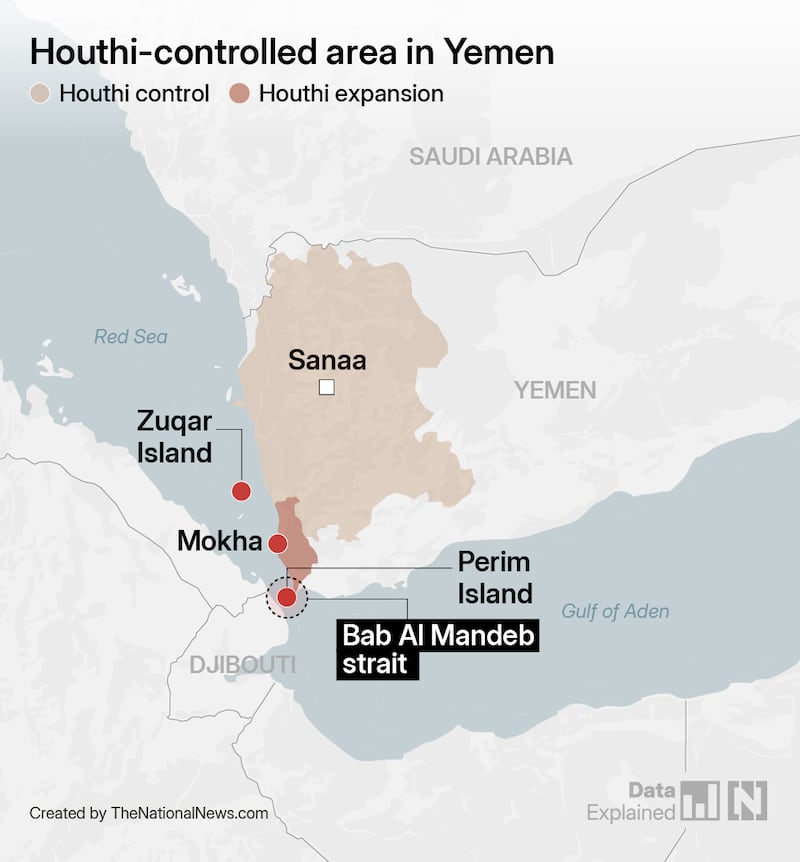
The fighting comes during the biggest declared wave of US-Iran tit-for-tat attacks on Gulf shipping since the war began in late February while the Houthi expansion along Yemen's Red Sea coast came with direct guidance from the Islamic Revolutionary Guards Corps, as it seeks to open a new front in Iran's war with the US, said Yemeni government, Iranian and regional sources.
Iran told the Houthis last week to escalate their attacks on Saudi Arabia and promised more funding, weapons and senior officers to help them do so, two Iranian sources told The National.
As Tehran's leadership celebrated a "great victory" for its allies in Yemen, a former British ambassador in the country said the capture of Mokha amounted to a failure by the US to see the Yemeni front as integral to the Iran war.
The Yemeni civil war, during which hundreds of thousands of people died from fighting and famine, began in 2014 after the Houthi takeover of the capital Sanaa and has been paused under a ceasefire since 2022. But that truce broke down last month, with the Houthis effectively joining the wider war their Iranian allies have waged since being attacked by the US and Israel.
More than 22 million people require humanitarian assistance in Yemen, while 5.2 million are internally displaced and 18.3 million are acutely food-insecure, according to UN data from March and recent hostilities are only set to make matters worse.

