


A woman in France is due to be tried on "genocide" charges over the alleged enslavement of a Yazidi teenager in Syria, a source close to the case said Tuesday. Sonia Mejri, 35, who was born in southern France, is accused of aiding her then husband – a high-ranking member of ISIS – to enslave and rape the teenager in spring 2015, when part of Syria and neighbouring Iraq were under the group's rule.
Ms Mejri will be tried on charges of "genocide" and "crimes against humanity" for allegedly enslaving, imprisoning, torturing, raping or enabling the rape of the girl, the document ordering the trial said. The court is also to examine allegations that the couple converted, or attempted to convert, the teenager to Islam through acts such as "ablutions following the rapes".
Ms Mejri's lawyer was not immediately available for comment. She has repeatedly denied the allegations.
Iraq's Yazidis wait for relatives abducted by ISIS to return – in pictures
-
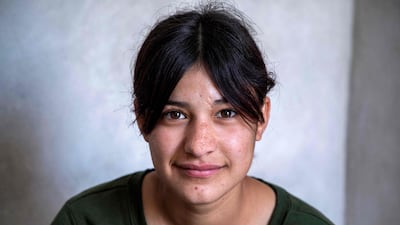
Fawziya Jasim, 16, was one of many affected when ISIS fighters swept over Mount Sinjar in August 2014. All photos: AFP -
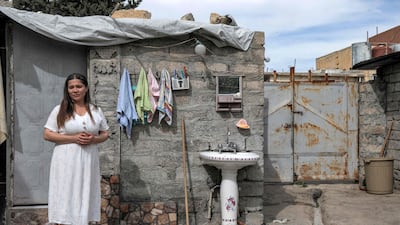
Hayam, pictured, was 17 when ISIS abducted her on August 3, 2014, along with her parents, five sisters and two brothers -
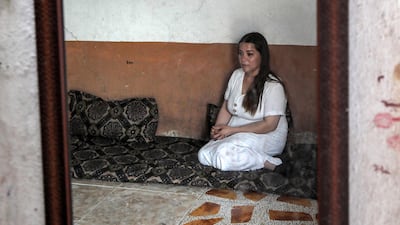
In an ISIS prison, she met Leila, a fellow Yazidi. In May 2015, Hayam was sold to a Syrian and Leila to an Iraqi -
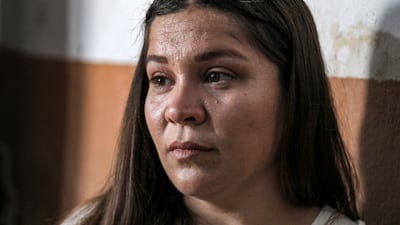
Four months later, Hayam was given to a man from Dagestan before escaping and reaching Iraqi Kurdistan after a year and a half in captivity -
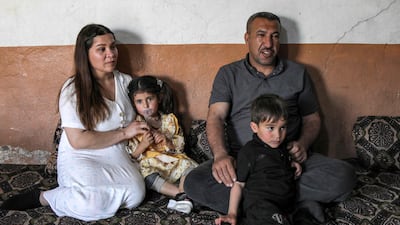
She has since married Leila's brother, Marwan, and the couple and their two children have sought asylum in Australia where Hayam has family -
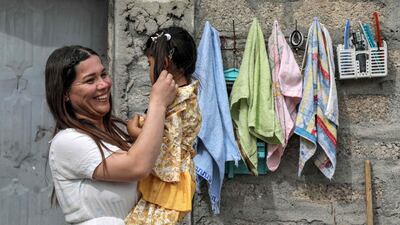
She has the word 'huriya' (freedom) tattooed on her wrist and has no intention of returning to her former home, with her family and friends no longer there -
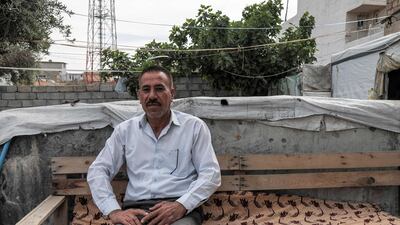
After paying nearly $100,000 in ransoms to free 10 family members, Khaled Taalou, a member of Iraq's Yazidi minority, is still working to free other relatives kidnapped by ISIS -
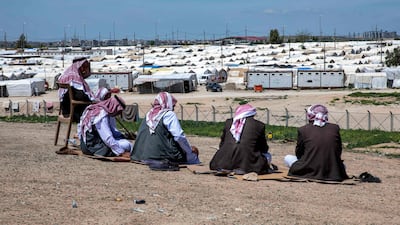
Nineteen members of Mr Taalou's family were abducted, including his brother and sister and their spouses and children -
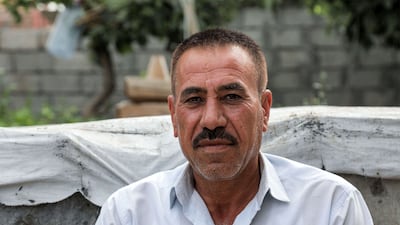
Now displaced and living in Iraqi Kurdistan, Mr Taalou said expensive releases are negotiated 'via networks of traffickers in Iraq and abroad' -
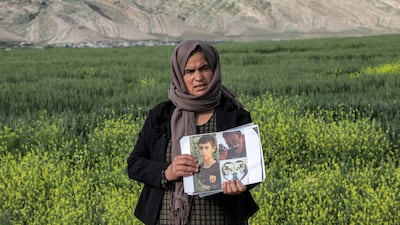
Bahar Elias was separated from her husband Jassem and their son Ahmed, who was just 19 when they were kidnapped -
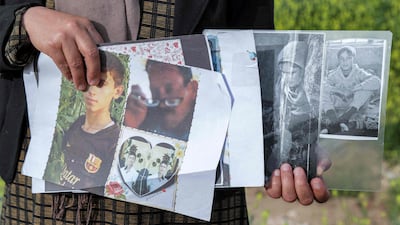
Relatives paid intermediaries $22,000 to secure the release of Bahar and her three younger sisters -
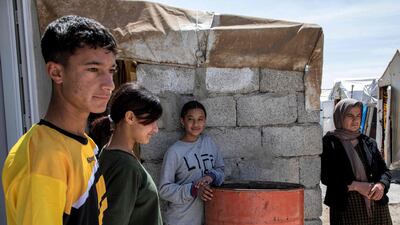
Now in a camp for displaced people, the 40-year-old said she has her 'eyes glued to the road' in the hope that her husband and son will return -
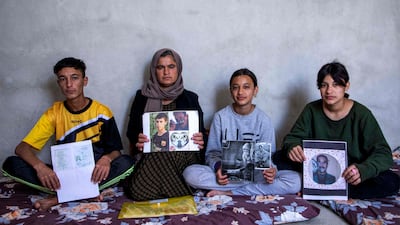
She appealed for international assistance to 'help us find a trace of our families, to find out if they are dead or alive'


The young Yazidi woman said she was held hostage for more than a month when she was 16, during which time she could not drink, eat or shower without Mejri's permission. The teenager alleged Ms Mejri was violent to her on two occasions and knew the husband was raping her.
Ms Mejri's husband, Abdelnasser Benyoucef, was involved in founding a branch of ISIS that specialised in external operations. He has been sentenced in absentia over a failed attack in France in 2015 and an arrest warrant is out for him, although he is thought to have been killed in an air strike in 2016.
Militias who played a vital role in defeating ISIS – in pictures
-
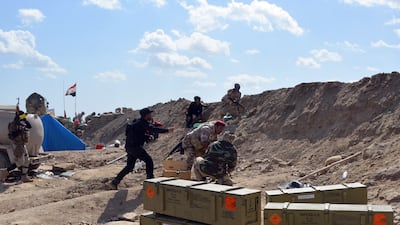
Iraqi government forces and allied militias take a position in the northern part of Diyala province as part of an assault to retake the city of Tikrit from ISIS, on March 2, 2015. All photos: AFP -
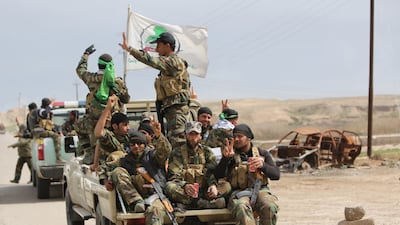
Members of the Iraqi paramilitary Popular Mobilisation units flash the 'V' for victory sign after regaining control of the village of Albu Ajil, near Tikrit, on March 9, 2015. -
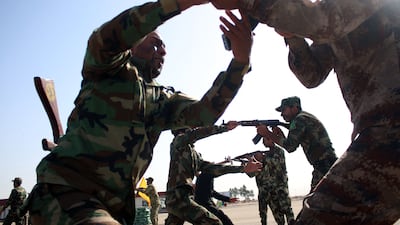
Fighters from a Popular Mobilisation unit take part in an exercise during their graduation ceremony in the southern Iraqi city of Basra, on April 9, 2015. -
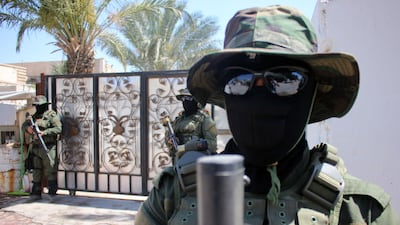
Iraqi fighters of the Shiite group Asaib Ahl Al Haq (The League of the Righteous) stand guard outside their headquarters on May 18, 2015, in the mainly Shiite southern city of Basra, as Shiite militias converged on Ramadi in a bid to recapture it from ISIS. -
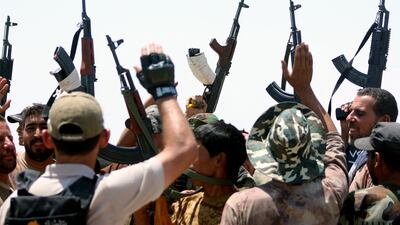
Iraqi government forces and members of the Popular Mobilisation units raise their weapons on the front line during battles with ISIS on the road leading to Saqlawiya, in Iraq's Anbar province, on August 4, 2015. -
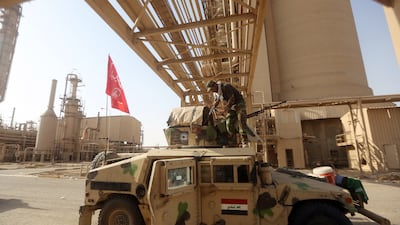
An Iraqi Shiite fighter cleans his weapon on his vehicle at the petrochemical plant in the town of Baiji, north of Tikrit, on October 16, 2015. -
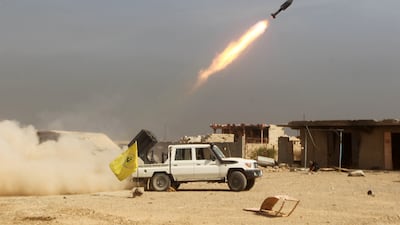
Iraqi Shiite fighters fire a rocket during a military operation against ISIS as they advance towards the centre of Baiji, about 200 kilometres north of Baghdad, on October 19, 2015. -
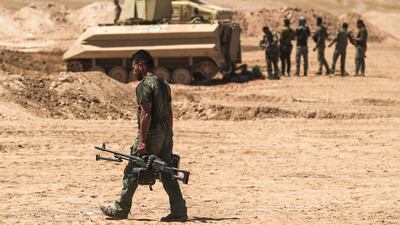
Iraqi Shiite fighters from the Hashed Al Shaabi paramilitaries advance in a desert area near the village of Tall Abtah, south-west of Mosul, on November 28, 2016, during a broad offensive by Iraq forces to retake Mosul from ISIS. -
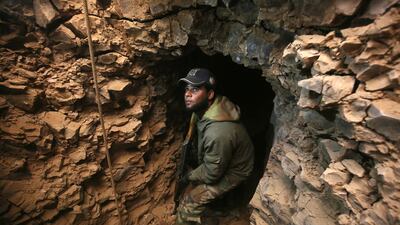
An Iraqi Shiite fighter from the Hashed Al Shaabi paramilitary forces inspects an underground tunnel in the town of Tal Abtah, south of Tal Afar, on December 10, 2016. -
Iraqi pro-government forces advance towards the Unesco-listed ancient city of Hatra, south-west of Mosul, during an offensive to retake the area from ISIS fighters, on April 26, 2017. -
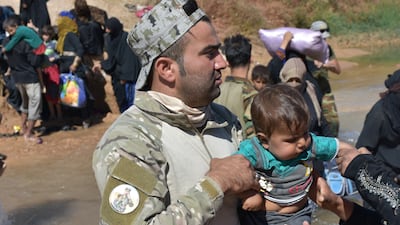
A fighter from the Hashed Al Sahaabi units helps displaced people who fled from battles to oust ISIS from Hawija cross a river in the area of Zarga, about 35km south-east of Kirkuk, on October 4, 2017. -
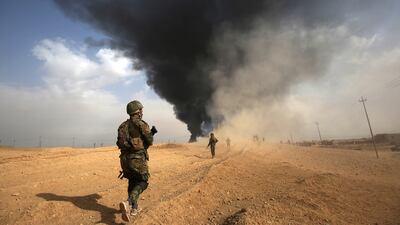
Iraqi forces advance towards the city of al-Qaim, in Iraq's western Anbar province near the Syrian border, as they fight against remnant pockets of ISIS forces, on November 3, 2017. -
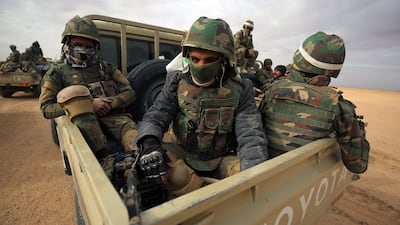
Iraqi forces ride in the back of pick-up trucks during the advance through Anbar province in the western desert bordering Syria, on November 25, 2017, to flush out remaining ISIS fighters in the region. -
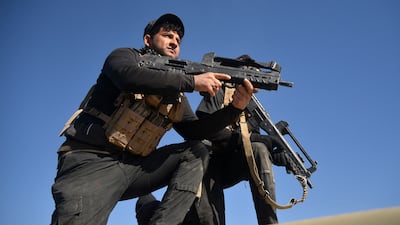
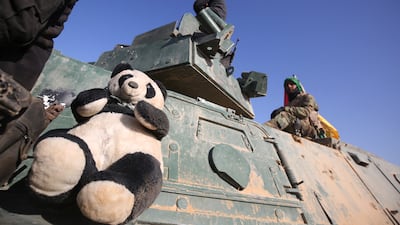
Members of the Iraqi forces and the Hashed Al Shaabi carry their firearms as they stand on an infanty-fighting vehicle near the Iraqi-Syrian border, about 80km west of the border town of al-Qaim, on December 9, 2017. -
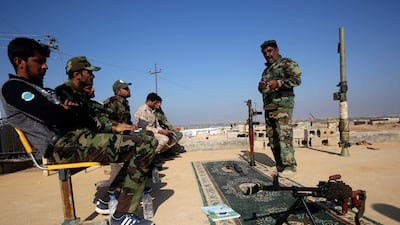
Abbas Hamza Hassan, a 56-year-old Iraqi fighter, is pictured on November 13, 2018 while training fellow Hashed members how to use weapons in the western Iraqi province of Anbar.


ISIS seized control of large areas of Syria and neighbouring Iraq in 2014, before US-backed Syrian forces ousted them from their last patch of land in eastern Syria in 2019. The Yazidis are a Kurdish-speaking group from northern Iraq.
The Sunni extremist ISIS group attacked the Yazidi bastion of Sinjar in August 2014, killing more than 1,200 people, according to local authorities. A further 6,400 Yazidis were abducted, around half of whom were rescued or managed to flee.
France launched an investigation in 2016 into genocide, crimes against humanity and war crimes committed against ethnic and religious minorities in Iraq and Syria since 2012. Other European countries are also prosecuting alleged ISIS members on similar charges.
Swedish prosecutors said last week they had brought "genocide" charges against a 52-year-old woman accused of keeping Yazidi women and children as slaves at her home in Syria between 2014 and 2016. German prosecutors said in April that two suspected ISIS members had been arrested and accused of enslaving and sexually abusing two Yazidi girls aged five and 12 in Syria and Iraq.

