

Tunisian President Kais Saied has selected new members of the country’s election commission, a body previously elected by parliamentary majority. The move will raise concerns the 64-year-old former law professor is entrenching one-party rule.
Last month, Mr Saied announced he would change the composition of the commission, reducing its membership from nine to seven, and nominating members himself.
The election commission, called the Independent High Authority for Elections in Tunisia, was formed in 2011, following the uprising that ousted former Tunisian dictator Ben Ali, and the country's transition to democracy.
Since then, unemployment has gradually risen and protests across the country of nearly 12 million people have been frequent. Economic malaise has continued with the loss of vital tourism revenue during the Covid-19 pandemic, soaring government debt and widespread resistance to reform, such as reducing subsidies.
The war in Ukraine, which has sent global fuel and food prices skyrocketing, has deepened the country's economic crisis.
-
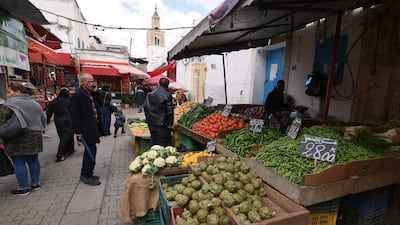
Tunisia, roiled by years of political turmoil that deepened with President Kais Saied's power grab last July, is mired in a deep recession. All photos: AFP -
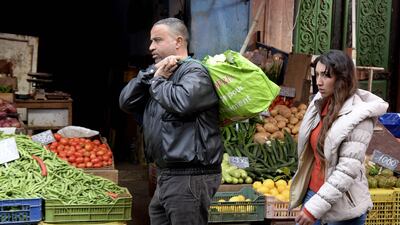
Surging prices and job losses have hurt families that were already struggling before the coronavirus pandemic. -
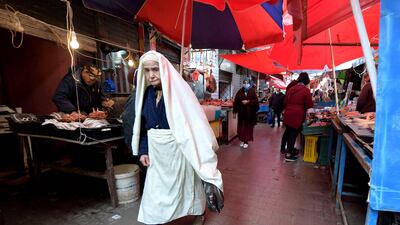
This week, Tunisia started preliminary talks with the International Monetary Fund over a bailout package. -
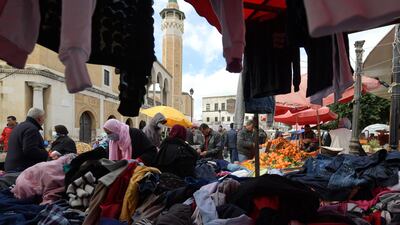
Such a deal would probably mean cuts to subsidies and public sector wages, which many fear would spell more suffering for the most vulnerable. -

That could fuel the same kind of grievances that sparked a revolution a decade ago and brought down Zine El Abidine Ben Ali after 23 years in power. -

Tunisian grocer Bilel Jani sees the reality of a biting economic crisis. -
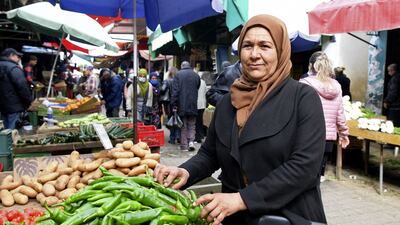
Tunisian Delila Dridi said life is a struggle on her salary from the education ministry.


Prior to Mr Saied’s decree, the commission was elected by a two-thirds majority in parliament and was tasked with overseeing the process of elections and referendums, and political campaigning, regulating issues such as campaign finance and filing for candidacy.
Mr Saied had already dismissed parliament and taken control of the judiciary after assuming executive authority last summer, saying he could rule by decree.
Mr Saied, who asserts his actions were legal and needed to save Tunisia from a crisis, is rewriting the democratic constitution introduced after the 2011 revolution, and says he will put it to a referendum in July.
Farouk Bouasker, head of the new election commission, served as vice president of the previous electoral body.
Aroussi Mansri and Sami Ben Slama, officials in previous commissions, were also appointed to the new body. Sami Ben Slama has expressed in recent months his support for Mr Saied's moves. He is a fierce critic of the Islamist Ennahda party, a major rival of Mr Saied.
The new seven-member panel includes three judges and an information technology specialist.
In recent months, Mr Saied has reiterated the commission is not independent, even though he won the presidential elections in 2019 under its supervision.
The dissolved commission's head, Nabil Baffoun, had angered Mr Saied by criticising his plans to hold a referendum and a parliamentary election later, saying such votes could only happen within the framework of the existing constitution.

