

Live updates: follow the latest news on the Lebanon elections 2022
Hezbollah and its allies have lost their majority in Lebanon's parliament, final results show, in an election the EU described as being overshadowed by "vote-buying and clientelism".
The Iran-backed political party and militant group Hezbollah and its allies won 59 seats in Lebanon's 128-member parliament — down from their majority of 71 in 2018's elections. The results indicate no single bloc will have control of the parliament, with experts warning of a likely deadlock in parliament as a result.
The Lebanese Forces, a strong critic of Iran's influence in Lebanon, now appear to be the largest Christian party in parliament, overtaking the Hezbollah-aligned Free Patriotic Movement, which was founded by President Michel Aoun.
Opposition candidates won at least 13 seats in the elections, with 12 of them entering parliament for the first time. Many of those candidates were closely linked to the protests in 2019. The election is the first to be held since the 2019 economic collapse and nationwide protests against Lebanon's ruling classes, and the 2020 Beirut port explosion that killed more than 200 people.
-

An electoral worker sits next to ballot boxes, at the Justice Palace, in Jdeideh. Reuters -

A soldier stands guard as ballots are counted at the Justice Palace. Reuters -
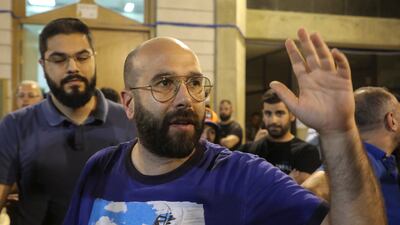
Jad Ghosn, an opposition candidate, gestures as people wait for the announcement of official election results, in Jdeideh. Reuters -
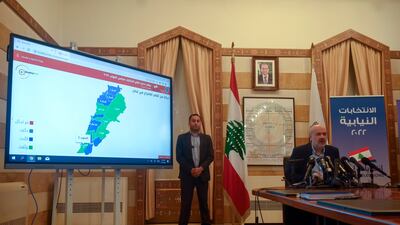
Lebanese Interior Minister Bassam Mawlawi announces the final results for some districts. EPA -

Opposition candidate Yassin Yassin gestures as he is greeted by supporters in Jeb Jennin, West Bekaa. Reuters -
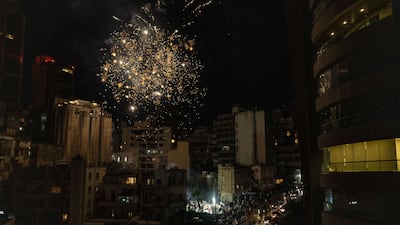
Supporters of the Lebanese Forces take to the streets during parliamentary elections in the Ashrafieh district of Beirut. Bloomberg -
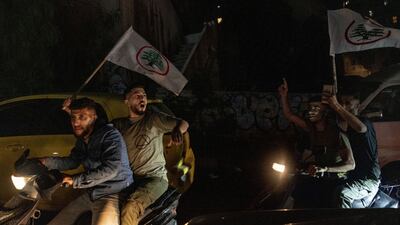
Lebanon headed to the polls with its economy in the grip of hyperinflation. Bloomberg -
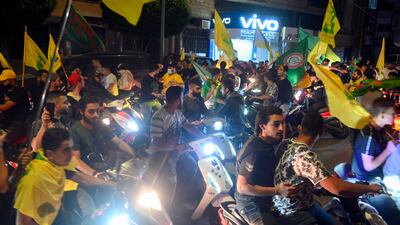
Lebanese youths supporting Hezbollah and Amal movement wave their party flags after parliamentary elections in a suburb of Beirut. EPA -
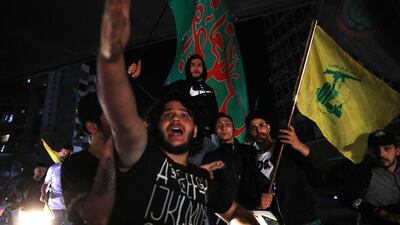
Supporters of Lebanon's Shiite groups Hezbollah and Amal lift their flags during a motorbike rally after voting. AFP -

Children swim in an inflatable pool that supporters of former prime minister Saad Hariri installed to illustrate their intention to boycott parliamentary elections in Beirut, Lebanon. AP Photo -
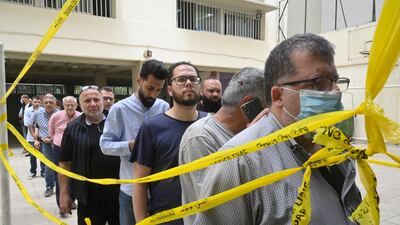
Voters queue to place their vote in parliamentary elections in Beirut, Lebanon. EPA -

Nabih Berri, Speaker of the Lebanese Parliament, stands in a polling booth to vote in Tebnin. Reuters -

Voters register at a polling station in Beirut. Bloomberg -
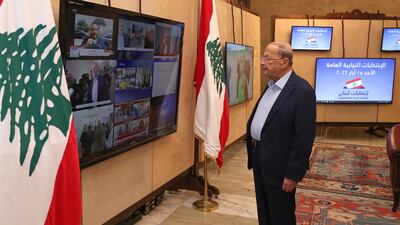
Lebanese President Michel Aoun follows the parliamentary elections on screens from the Presidential Palace in Beirut. AP -

A Lebanese woman shows her inked finger after she cast her vote at a polling station in Beirut. AP -
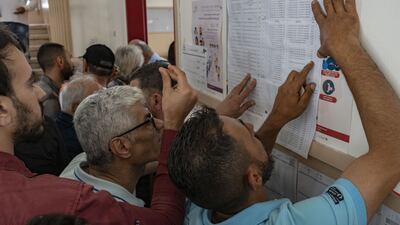
Voters look at a list of candidates at a polling station in Beirut. Bloomberg -

Lebanese policemen help a voter into a polling station in Beirut. AP -
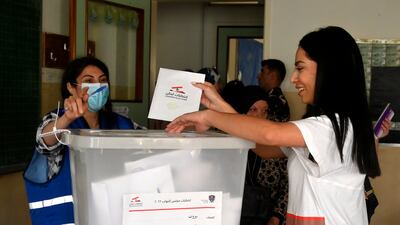
A Lebanese voter casts her ballot paper in Beirut. EPA -
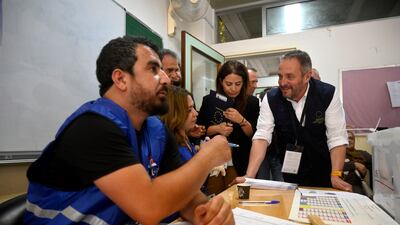
Gyorgy Holvenyi (R), chief observer of the European Union election observation mission, visits a polling station in Beirut. EPA -
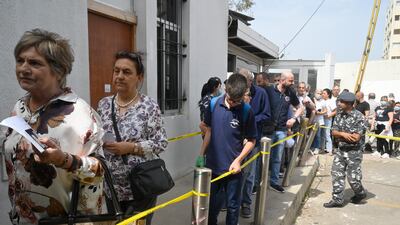
Lebanese people wait to vote during parliamentary elections in the capital city. EPA -
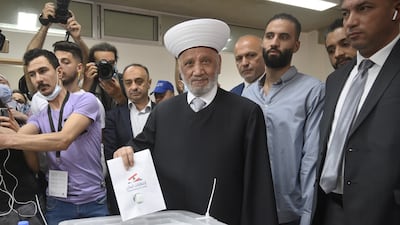
Sheikh Abdul Latif Derian, Grand Mufti of Lebanon, casts his ballot paper during parliamentary elections in Beirut. EPA -
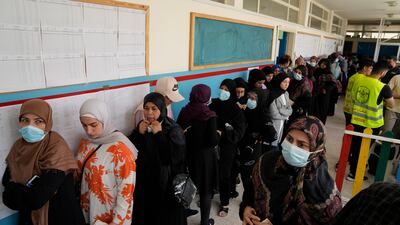
People queue to cast their votes in the Lebanese capital. AP -
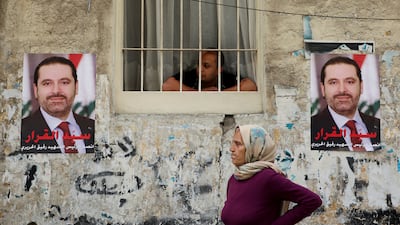
Posters in Al Tariq Al Jadida, Beirut, depict Lebanon’s former prime minister Saad Hariri. Reuters -
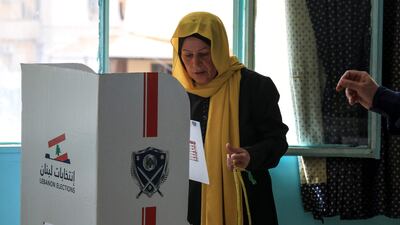
A woman prepares her ballot at a polling station in a southern suburb of Beirut. AFP -
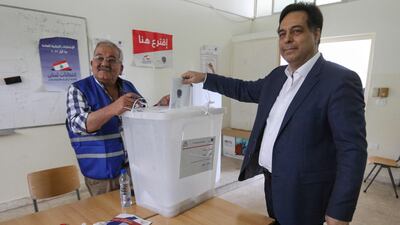
Former prime minister Hassan Diab, who succeeded Saad Hariri, casts his ballot in Beirut. AFP -

A voter checks lists for the parliamentary election at a polling station in the Lebanese capital Beirut. AFP -
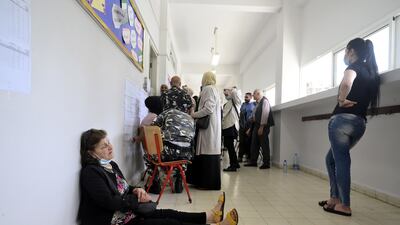
A woman waits to vote in Beirut. EPA -
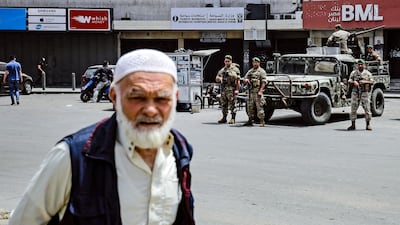
Security forces stand guard at Nur Square on the southern entrance of the northern Lebanese port city Tripoli. AFP -
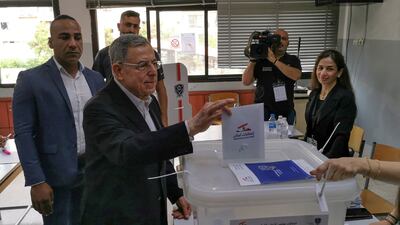
Former Lebanese prime minister Fouad Siniora casts his vote at a polling station during the parliamentary election, in Sidon, southern Lebanon. Reuters -
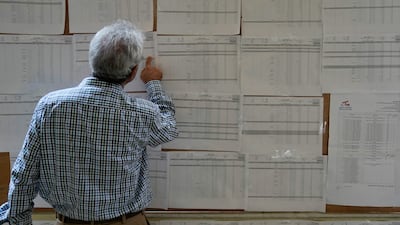
A man check voters' lists in the capital Beirut. AP -
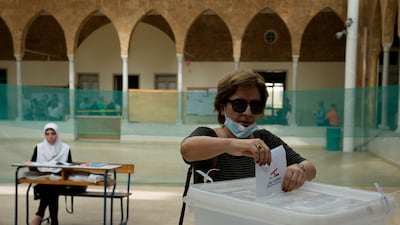
A woman votes in Lebanon's parliamentary elections in Beirut. AP -
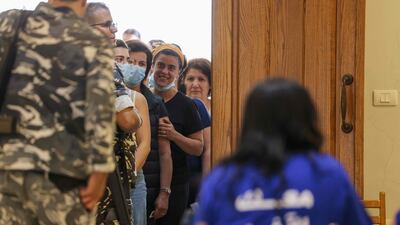
Police check the ID of voters outside a polling station near the Lebanese coastal city of Byblos (Jbeil), north of Beirut. AFP -
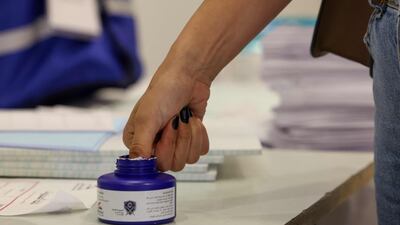
A voter dips her finger in ink after casting her ballot in the parliamentary election at a polling station near Byblos. AFP -
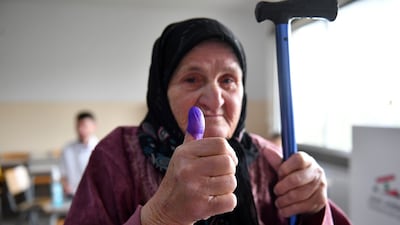
A Lebanese woman shows her ink-marked thumb after voting in Shmustar, Bekaa valley. EPA -
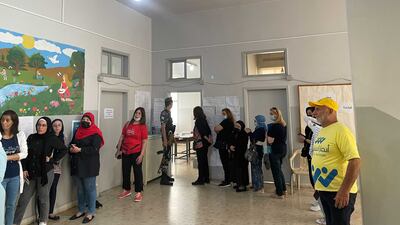
People queueing to vote at Ras El Nabeh Public School for Girls. Fatima Al Mahmoud/ The National


Hezbollah and its main Shiite ally, the Amal Movement of Parliament Speaker Nabih Berri, retained the 27 seats allocated to the Shiite sect.
In the early Tuesday evening, celebratory gunfire could be heard from Khandaq Al Ghamiq, an Amal-dominated area of Beirut, as Mr Berri gave a speech.
But other allies lost out, including deputy parliament speaker Elie Ferzli, long-time Druze politician Talal Arslan and Sunni politician Faisal Karami.
“We have to keep in mind that even though Hezbollah and its allies lost the arithmetic parliamentary majority, this does not mean that the opposite camp will be able to rule Lebanon without taking into account Hezbollah’s concerns," Karim Bitar, professor at Saint Joseph University in Beirut, told The National.
The final results included a record of eight women MPs.
Nonetheless, Professor Bitar said the results marked "a relative and symbolic defeat for Hezbollah," pointing to opposition victories in the southern Hezbollah heartlands.
Elias Jradeh and Firas Hamdan won seats that Hezbollah and its allies had not lost in three decades.
“With the lack of a majority block in parliament, Hezbollah will not necessarily accept being marginalized. It could lead to a deadlock in parliament," said Professor Bitar.
"It makes it necessary to find consensual figures who could be potential Prime Minister's or potential President’s. Both sides of the political spectrum will have to make compromises. None of them can rule Lebanon on its own."
The Lebanese pound has lost more than 90 per cent of its value since the economic collapse. It hit 30,000 pounds to the US dollar on Tuesday, around a 10 per cent loss since Sunday's election.
“I do not really expect things to get any better. In fact, things will get worse," Hilal Khashan, a professor of political science at the American University of Beirut, told The National. He said the weakening of the Lebanese pound as the election results became clearer, “is an indicator of the direction of the situation in Lebanon”.
“I do not expect the new parliament to be able to co-operate, I don’t believe we are going to have a prime minister in the immediate future, not even in the next few months," he said.
With the parliamentary majority of Hezbollah and its allies gone, Professor Khashan warned “it doesn’t mean the anti-Hezbollah forces are of one persuasion. They may not be able to come together and form a coalition."
Overall, he envisaged that “it will be extremely difficult to agree on anything".
Election turnout was just 41 per cent — eight percentage points lower than in 2018 — potentially reflecting the Future Movement's decision not to run and call supporters to boycott. The increase in independents suggested that the traditional sectarian parties that have shared power for decades failed to mobilise their supporters.
Jarek Domanski, the deputy chief observer for the EU's observation mission, said that "vote-buying and clientelism, in general, these clientelistic practices which are systemic and long term in this country, in our opinion, did affect, did distort the electoral process and did affect the free voters' choice".
Much of Lebanon has been plunged into poverty amid an economic meltdown, with the country experiencing extreme shortages of electricity and essentials such as medicine.
Despite the low turnout, the UN envoy to Lebanon said, "the elections were a vital expression of Lebanon's citizen engagement, which should serve to strengthen the country's institutions."

