

Lebanon's government and its central bank have committed human rights offences by impoverishing people through the “callous destruction” of the country's economy, an independent United Nations report said on Wednesday.
Lebanon's economic implosion has caused the local currency lose more than 90 per cent of its value, food prices to rise elevenfold and forced more than three quarters of the population to live below the poverty line.
Throughout the three-year decline, the government and Central Bank have failed to secure the rights of Lebanese to social security, health care and an adequate standard of living, said the UN's special envoy on poverty, Olivier de Schutter.
He said the crisis had been “manufactured by failed government policies” and that even as the situation deteriorated, officials did not adopt reforms.
“They have a sense of impunity. That is extremely problematic,” Mr de Schutter told Reuters.
There was no immediate response by the Central Bank or the Lebanese government to requests for comment.
“The callous destruction of the Lebanese economy cannot be captured by statistics alone,” Mr de Schutter's report said, revealing that an entire generation had been condemned to destitution.
The report lamented a dearth of official Lebanese data on poverty and relied heavily on local and international non-governmental organisations.
-
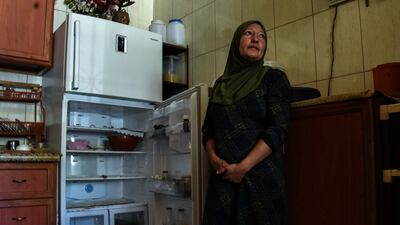
Rweida Mohammed stands next to her almost empty fridge that is warm inside due to prolonged power cuts. Elizabeth Fitt for The National -
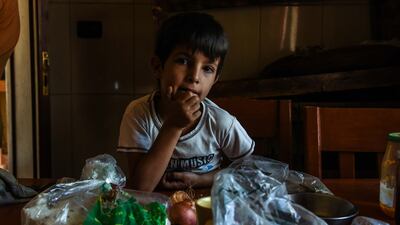
Hamid Khodor sits despondently in the kitchen. There is no electricity to keep food fresh in the fridge and freezer, no cooking gas for the stove and not much to eat except what the family can grow in the garden. Elizabeth Fitt for The National -

The Khodor family is relying on homegrown vegetables. Elizabeth Fitt for The National -
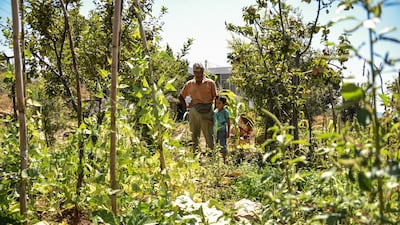
Talal Khodor with his son, Omar, in their vegetable garden. The family is relying on homegrown vegetables to feed themselves during Lebanon's economic collapse. Elizabeth Fitt for The National -
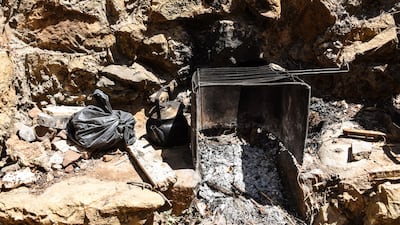
Rweida Mohammed uses a makeshift grill to cook for the family. Since gas for the kitchen stove became so scarce in Lebanon, the family can't get hold of any. Elizabeth Fitt for The National -
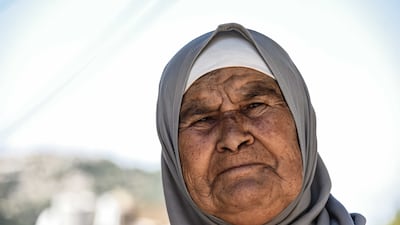
Talal Khodor's mother is frustrated by the ongoing situation. Elizabeth Fitt for The National -
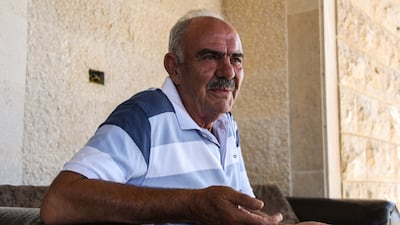
There are few options left to help Mohammed Hazim provide for his family. Elizabeth Fitt for The National -
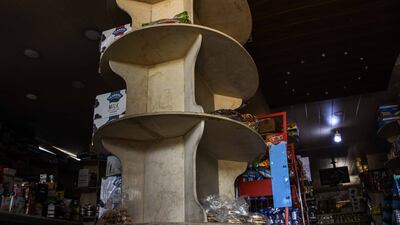
Shelves that usually display bread have been empty for days in the village store. Elizabeth Fitt for The National -

Mohammed Hazim's son, Ziad, waits for his exam results. He had to study using his father's mobile phone. Elizabeth Fitt for The National -
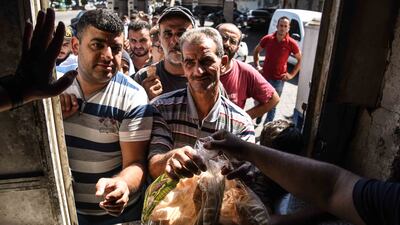
People queue for bread as shortages continue. Elizabeth Fitt for The National -
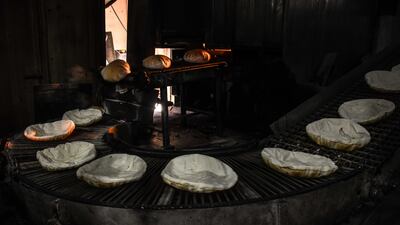
The manager at Tarik Al Ridani bakery says it is one of only two producers still operational in the city and with two tonnes of flour left, it will soon run out of bread. Elizabeth Fitt for The National -
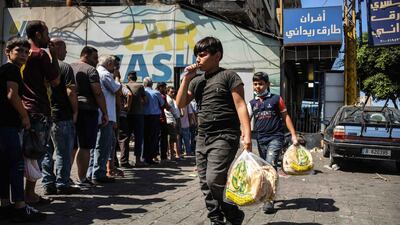
These boys are among the lucky few that have found bread before stocks run out. Elizabeth Fitt for The National -

Ogero, Lebanon's state-run telecoms provider, has a mast in Hrar, but connection speeds are often very slow. Elizabeth Fitt for The National


At the end of a 12-day fact-finding mission in November, Mr de Schutter told Reuters that Lebanese government officials appeared to him to be “in a fantasy land”, detached from the difficulties facing most of the population.
He said on Wednesday that Lebanon's government had seen a draft of the final report before publication but had not challenged any of the allegations about rights offences.
“It is extremely difficult to find a way to get the government to take these messages seriously,” he said.
The World Bank had already described Lebanon's crisis one of the worst since the Industrial Revolution and said the country's elite were responsible for this “deliberate depression”.
Lebanon could obtain $3 billion in financing from the International Monetary Fund if it enacts eight major reforms.
Mr de Schutter said the IMF fund was Lebanon's “only hope”, if it could help to alleviate widespread poverty.

