

Russia has obtained hundreds of Iranian drones capable of being used in the war against Ukraine despite US warnings to Tehran not to ship them, according to western intelligence officials.
It is not clear whether Russia has begun using the drones against Ukrainian targets, but the drones appear to be operational and ready to use, the officials said.
The reported shipment is the latest sign of what appears to be closer military co-operation between the long-time allies.
It also underscores warnings from critics of the ongoing negotiations for Iran to resume its compliance with the 2015 nuclear deal that the United States left in 2018.
An agreement for Iran and the US to return to the deal, which would grant Iran billions of dollars in sanctions relief in return for curbs on its nuclear programme, is inching forward.
Opponents of a deal say lifting sanctions on Tehran could enable Russia to strengthen its war effort in Ukraine and circumvent penalties imposed after the February invasion by funnelling oil and other products through Iran.
The arrival of the drones in the Ukraine war was first reported by The Washington Post.
Ukraine has made great use of drones for surveillance and attacking Russian targets in the six-month war, relying on technology supplied by the US and other partners, including Turkey.
An explosive device carried by a drone last month struck the headquarters of Russia’s Black Sea fleet on the Crimean Peninsula, injuring several people.
Supporters of Ukraine have also raised money to buy drones for the war effort.
Facing economic sanctions and limits on its supply chains because of its invasion of Ukraine, Russia has increasingly turned to Iran as a key partner and supplier of weapons.
-
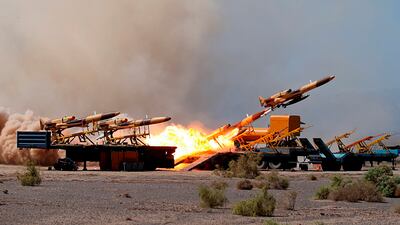
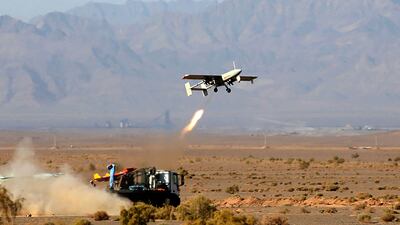
A drone is launched during a military drill in Iran. AP -
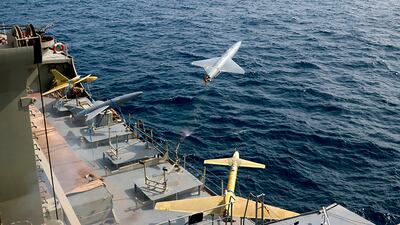
Taking off from a warship. AP -
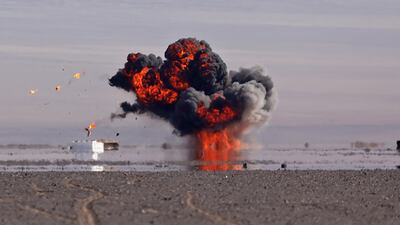
An explosion after a strike by a military drone during drills at an undisclosed location in Iran. AFP -
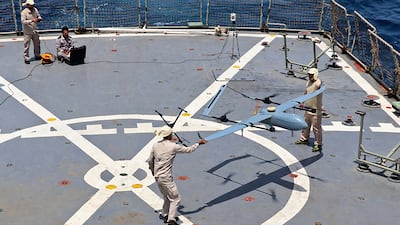
Iran is carrying out large-scale drone drills across the country, to show off the country's military strength, reports say. AFP -
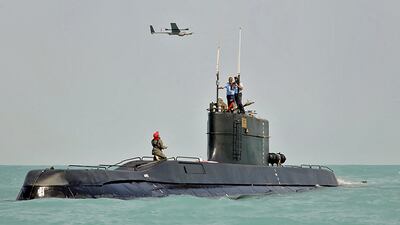
Troops on a submarine take part in the exercise. AFP -
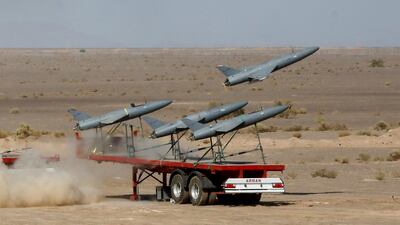
At least 150 drones are to be used in the drills, Iranian state media reports. Reuters -

It is the first time that a joint drone exercise has been conducted at the level of the four forces of the Islamic Republic's army, authorities say. AFP -
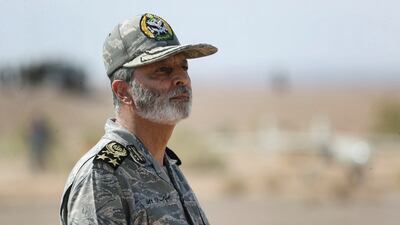
Iran's Army Commander-in-Chief Maj Gen Abdolrahim Mousavi looks on during the military exercises. Reuters -

Iran started developing drones in the 1980s during its eight-year war with Iraq. AP -
Its army unveiled its first division of ships and submarines capable of carrying armed drones in July. AFP


US warning
The White House last month first publicly announced that Iran was planning to supply Moscow with hundreds of armed drones. Days later, it alleged that Russian officials had visited Iran twice to arrange a transfer.
Last month, Iran’s foreign minister, Hossein Amirabdollahian, said Tehran had “various types of collaboration with Russia, including in the defence sector”.
“But we won’t help either of the sides involved in this war because we believe that it [the war] needs to be stopped,” he said.
Iran’s mission to the United Nations did not immediately respond to a request for comment.
The signs of increased co-operation between Moscow and Tehran have added to concerns about the nuclear talks. President Joe Biden’s administration this week responded to Iran’s latest offer to resume compliance with the previous agreement.
There is now expected to be another exchange of technical details followed by a meeting of the joint commission that oversees the deal.
The developments, including increased public messaging campaigns by Tehran and Washington, as well as Israel, which is opposed to a deal, suggest that an agreement could be near.
Israel's concern
The Israelis continue to have broad concerns about reviving a deal they had vehemently opposed in 2015, but are also wary of language included in the proposed European text that covers additional items, according to diplomats familiar with Israel’s position.
Israel has made its stance clear in public statements this week by Prime Minister Yair Lapid and in private conversations in Washington involving Israel’s national security adviser and its defence minister, Benny Gantz, who will meet Biden’s national security adviser, Jake Sullivan, on Friday.
Israeli officials worry that a return to the deal will boost Iran’s co-operation with Russia, including potentially allowing Moscow to evade Ukraine-related sanctions by exporting energy through Iran if the sanctions are eased, the diplomats said.
They said Israel is concerned about provisions related to the expiration of restrictions on Iran’s atomic programme that will remain the same as in the initial agreement.
That means what had been a 10-year or 15-year ban on certain activities would now be only a three-year or eight-year ban.

