


Two-thirds of shoppers plan to tighten their belts due to the rising cost of key goods, a survey has found.
A PwC poll found rising prices for household goods were the top concern for 40 per cent of respondents in Egypt, 35 per cent in Saudi Arabia and 28 per cent in the UAE.
The auditing company found reduced product quality, higher prices for basics and long delivery times on online goods were key trends.
Shoppers now spend much more time switching between physical stores and online deliveries to find the best value goods, it said.
“Consumers and retailers are impacted by rising inflation and cost of living, which in turn influences how consumers shop and make lifestyle choices,” said Norma Taki, PwC’s Middle East consumer markets leader.
“Today, we see that consumers are going hybrid and easily switching channels, between online and in-store shops, or a mixture of both.”
At less than 5 per cent in 2022, inflation in the Gulf has been much lower than in Europe and North America. Government pricing controls on key foodstuffs and low transport costs linked to cheaper petrol are factors.
But many families have tightened their belts, with residential tenants in the UAE and Saudi Arabia seeing increases in the past year.
Headline inflation in Egypt in March was 33 per cent, a record high.
PwC said that on average, shoppers expect to spend mainly on groceries (47 per cent), fashion (40 per cent), and consumer electronics (36 per cent) over the next six months.
“Consumers are becoming more cautious about spending on luxury, home entertainment and virtual activities and increasingly looking for promotions,” PwC said.
PwC's Pulse 5 Middle East findings were based on responses from 771 consumers in Egypt, Saudi Arabia and the UAE. It said 86 per cent of the samples are in the 18-41 age group - reflecting the region’s young demographic profile. About 74 per cent are employed and 39 per cent say they have a hybrid-working pattern.
Since January, The National has been tracking the prices of food staples in supermarkets across the Middle East and North Africa, as well as in India, the UK and US to see how consumers have been affected by the rising cost of living. Read about their experiences here.
10 price-controlled items in the UAE - in pictures
-
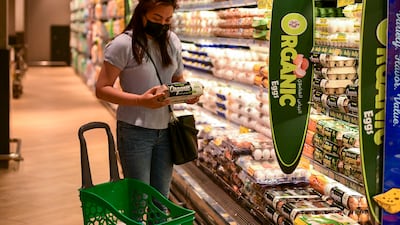
Traders looking to increase the prices of 10 basic items in the UAE - including eggs - have to get approval from the Ministry of Economy. Khushnum Bhandari / The National -
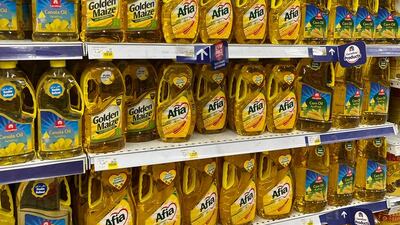
Cooking oil is among the 10 items on the list. Salam Al Amir / The National -

In April, the Ministry of Economy approved a new policy to keep a check on the prices of basic consumer goods such as eggs, bread, flour and salt. Chris Whiteoak/ The National -

The ministry said it will establish a formal channel through which suppliers or traders can submit requests to raise prices. Khushnum Bhandari / The National -
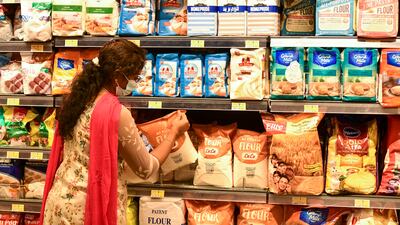
Each request must include an extensive report with details of the current prices of the items and their prices during the previous three years. Khushnum Bhandari / The National -
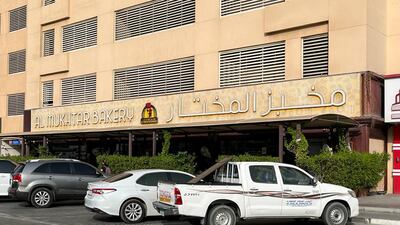
A pack of Arabic bread is being sold at Dh3 at Al Mukhtar Bakery in Ajman, where employees said the price is unlikely to be increased. Salam Al Amir / The National -
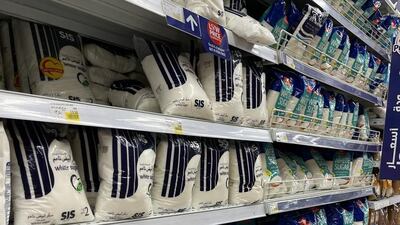
Requests must also feature production costs, company budget, comparison with prices in neighbouring countries and the percentage of the increase requested. Salam Al Amir / The National -
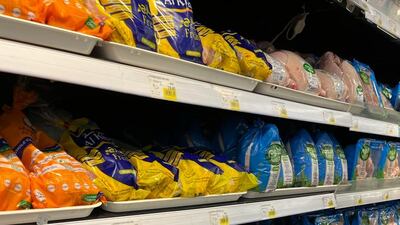
The price of a kilogram of fresh chicken ranges between Dh10 and Dh24 in various shops in Ajman. Salam Al Amir / The National -
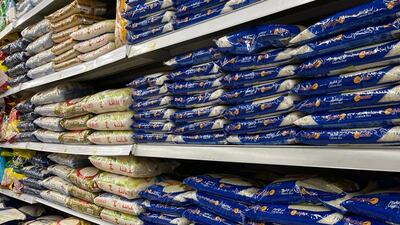
Rice is also being sold for varying prices at different outlets. Salam Al Amir /The National -
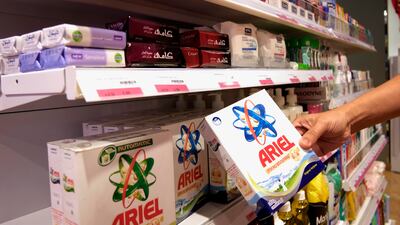
More than 40 outlets and co-operative societies in the country are being regularly monitored to keep the prices of these goods in check. Antonie Robertson / The National



